3D scanning project aims to preserve global heritage sites digitally
September 22, 2026
A digital preservation initiative is capturing cultural and archaeological sites in 3D using high-precision scanning technology. The process records spatial data across global landmarks, creating virtual archives of fragile locations to support research, education, and long-term heritage conservation.
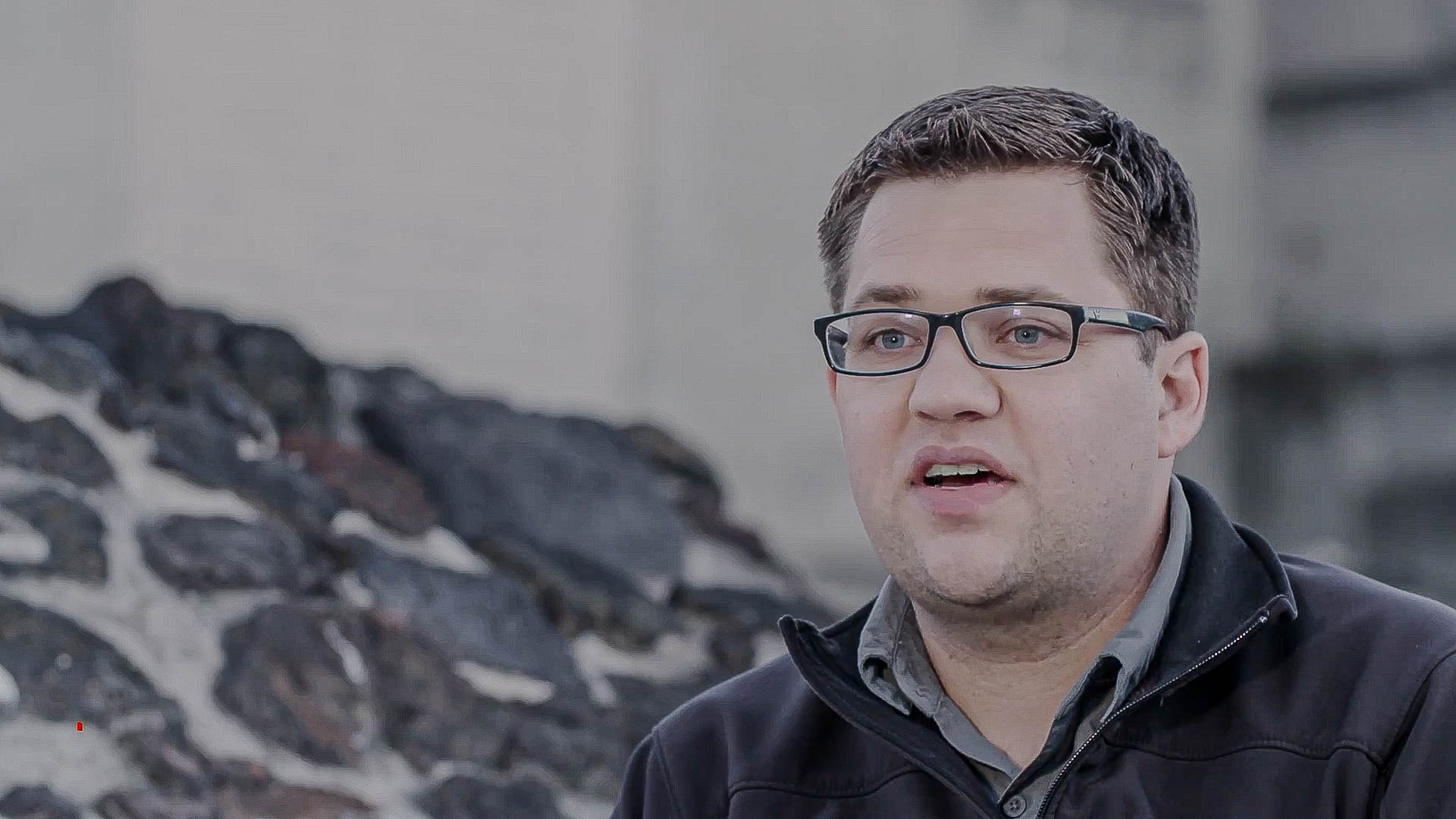
Capturing the physical world in 3d
A director of operations explains how scanning technology transforms real-world sites into detailed three-dimensional digital records.
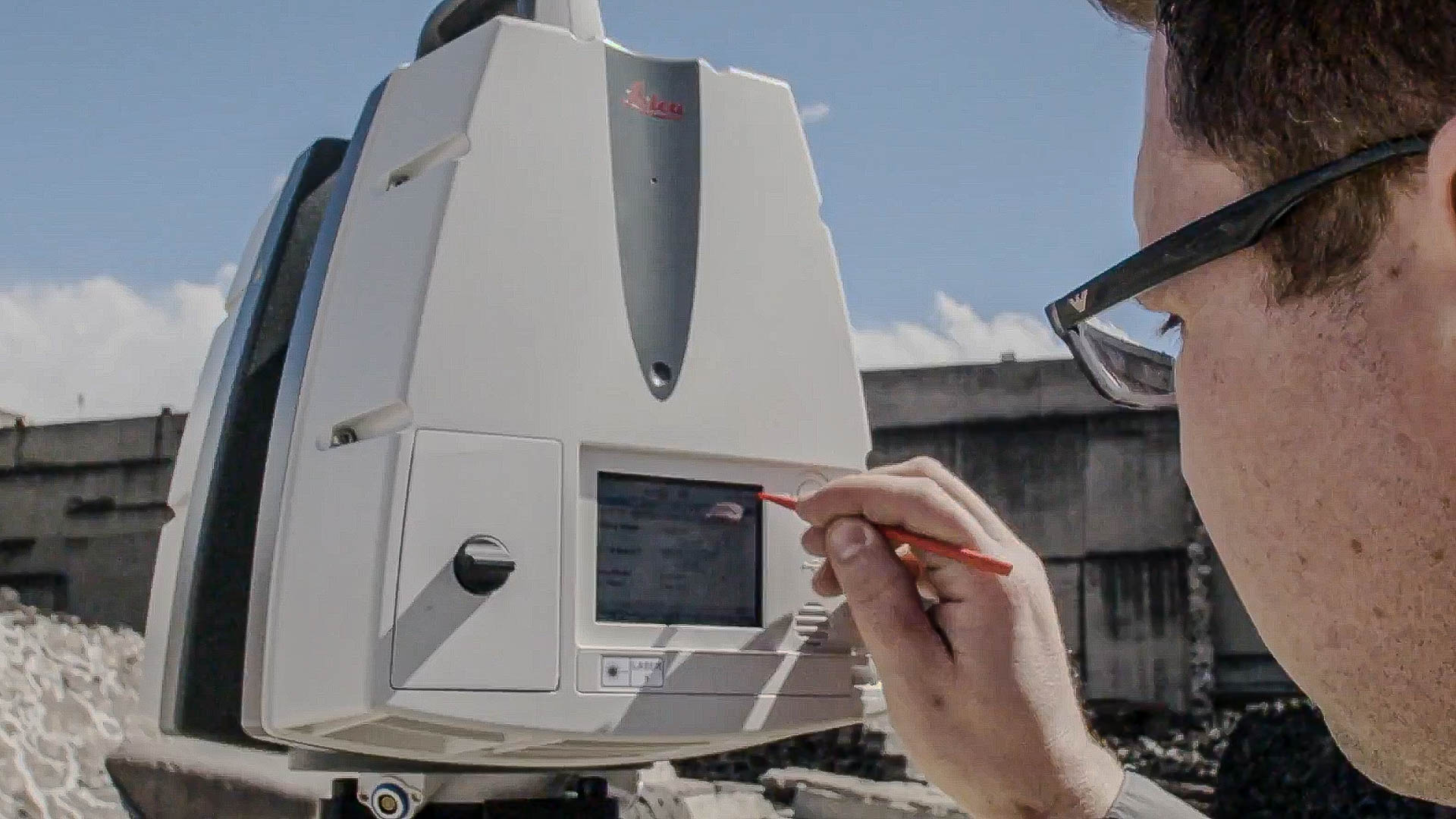
From photography to spatial data
The approach builds on photography but goes further, capturing not just images but full spatial information across every point.
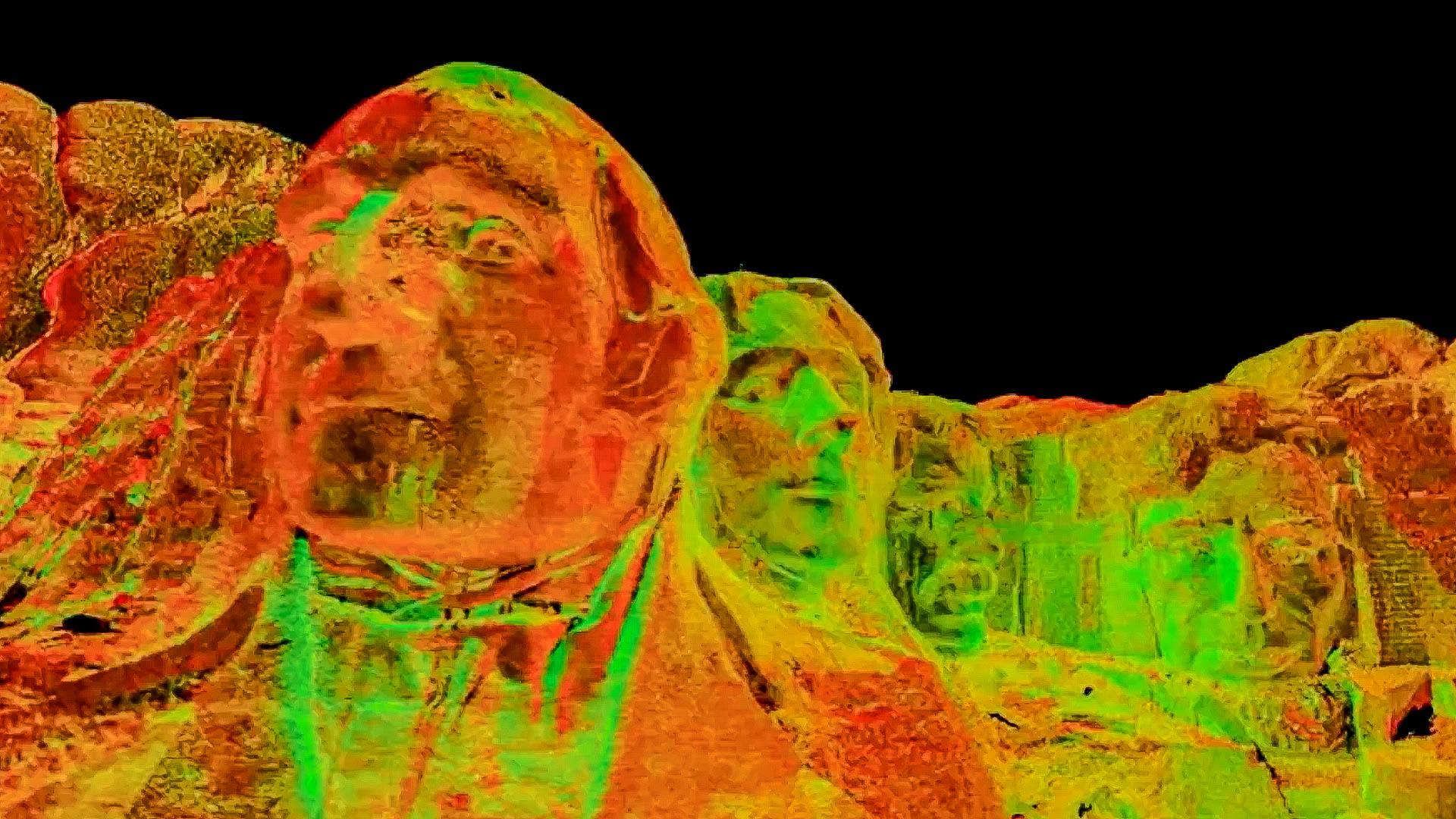
Mapping every angle
Unlike a single frame, the system records environments from multiple positions to build a complete digital reconstruction.
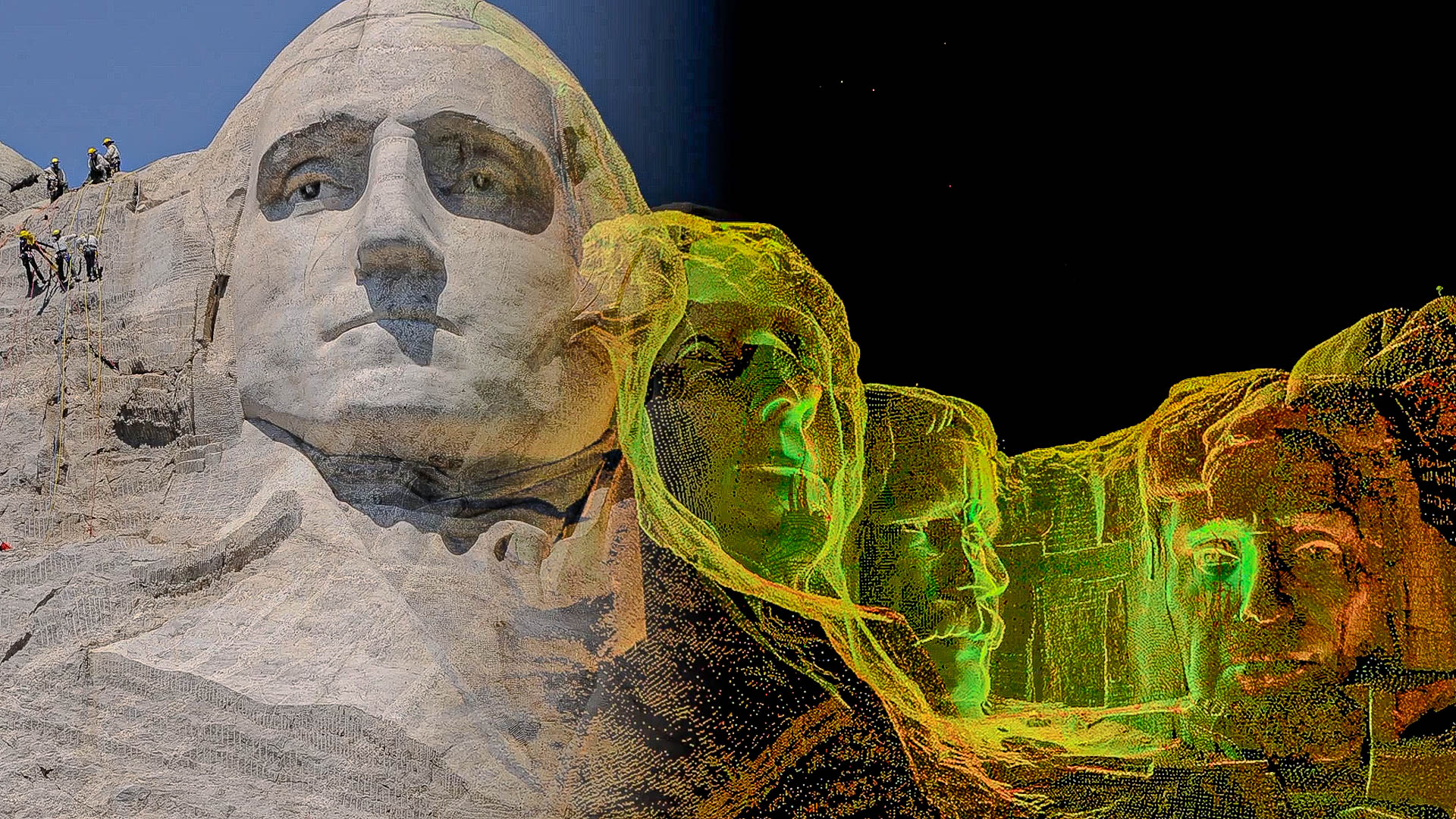
Turning light into coordinates
Each pixel is translated into X, Y, Z data, allowing physical spaces to be rebuilt in a virtual environment.
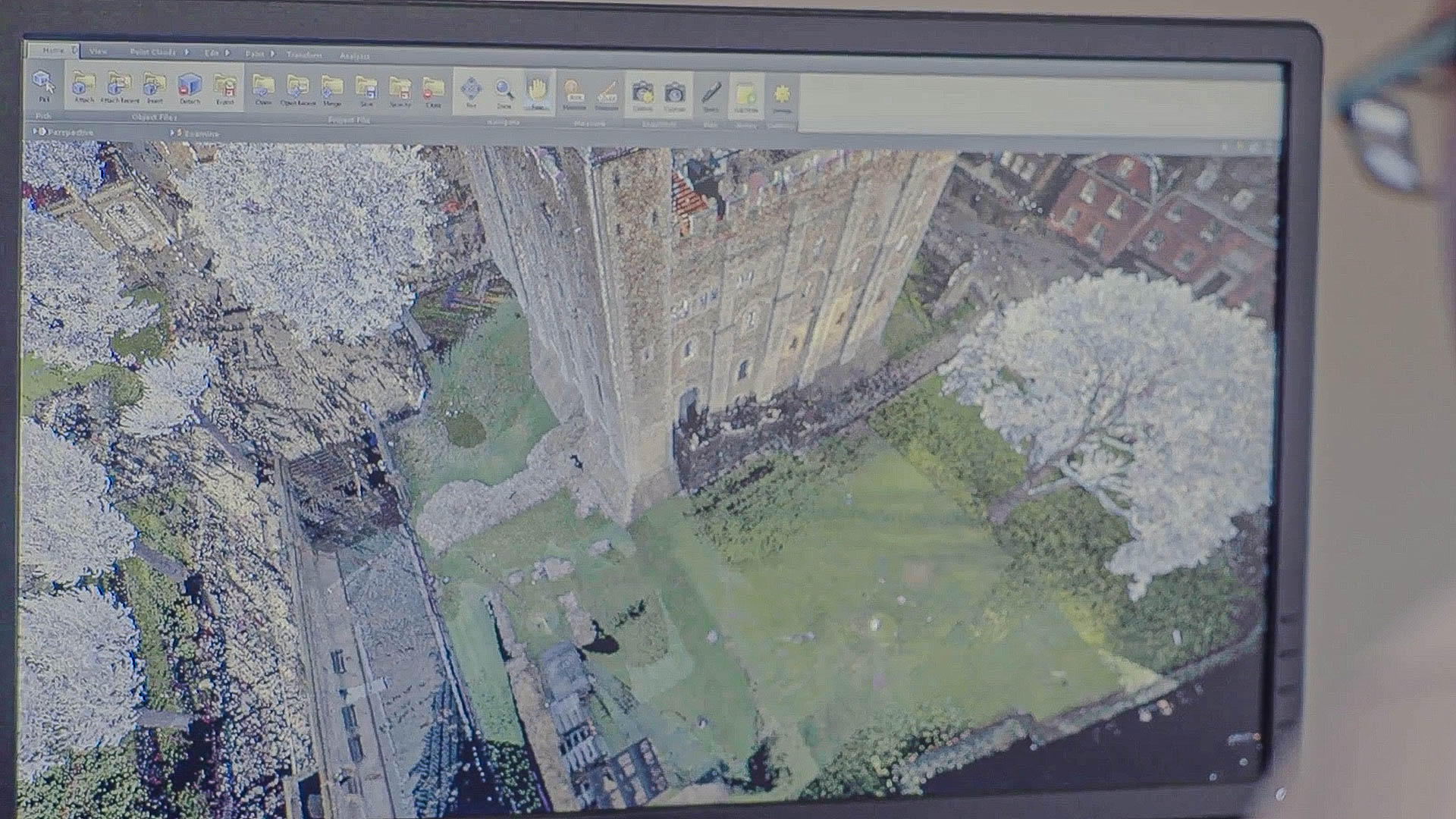
Fieldwork across complex sites
Teams move scanning equipment across locations, capturing every detail from narrow interiors to large outdoor structures.
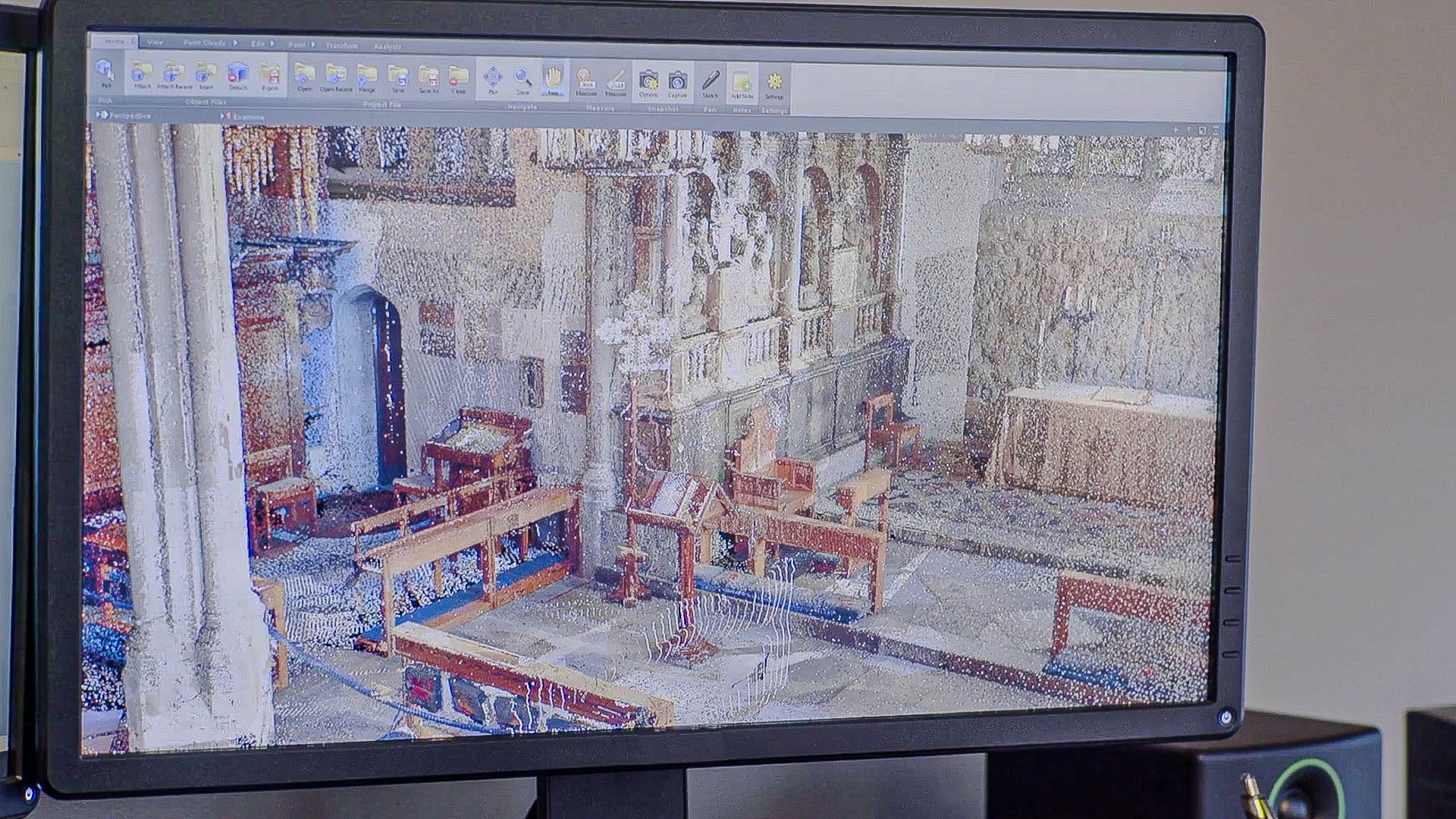
Preserving global heritage
The mission focuses on documenting cultural sites so they can be studied and shared across generations.
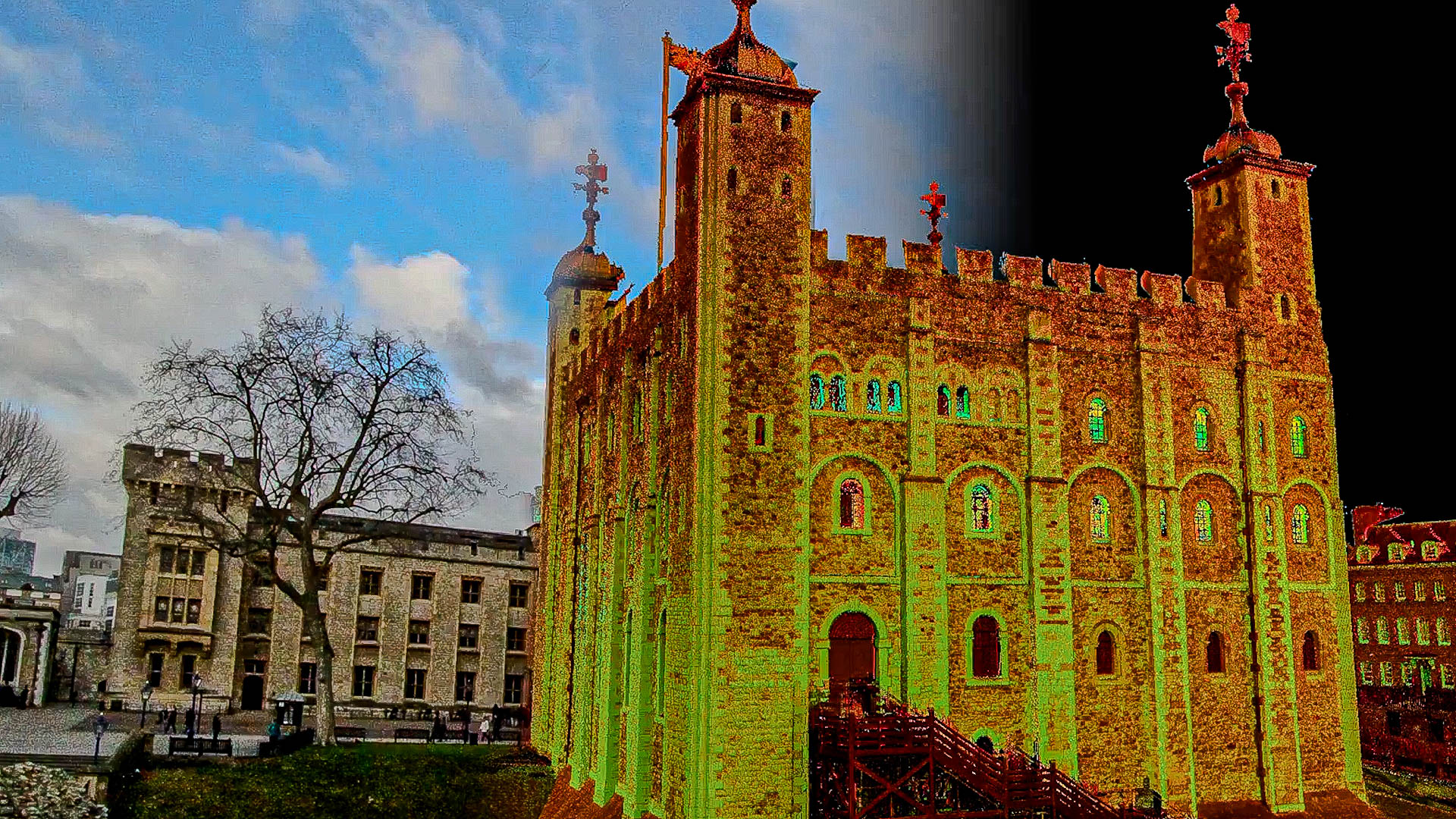
Exploring places virtually
Digital models allow users to move through historical locations online, including interiors that are difficult to access in person.
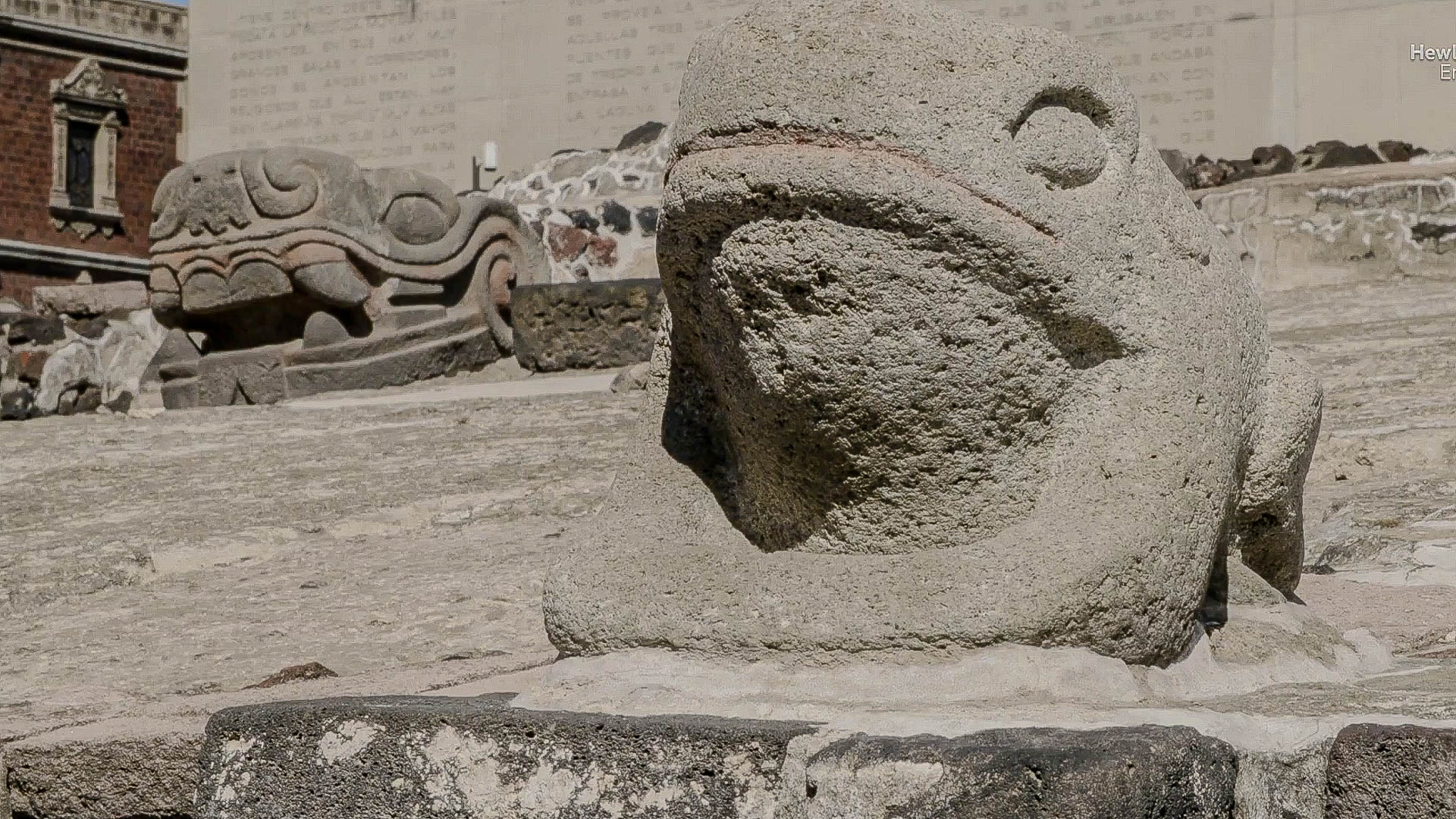
Threats to historical sites
Environmental damage and intentional destruction are putting many cultural landmarks at risk worldwide.
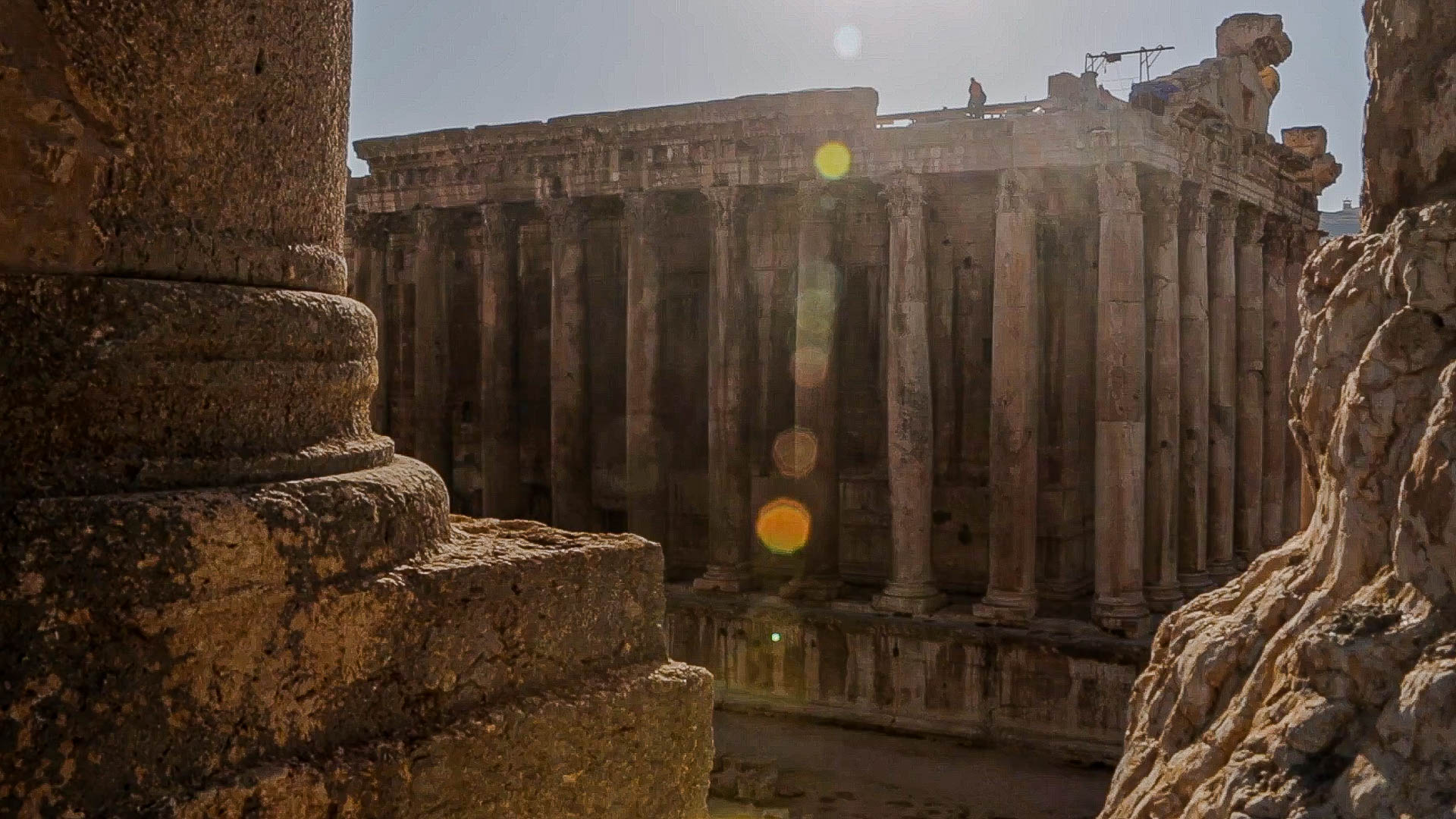
Protecting the past for the future
The initiative highlights how digital preservation can safeguard humanity’s history when physical conservation is not enough.
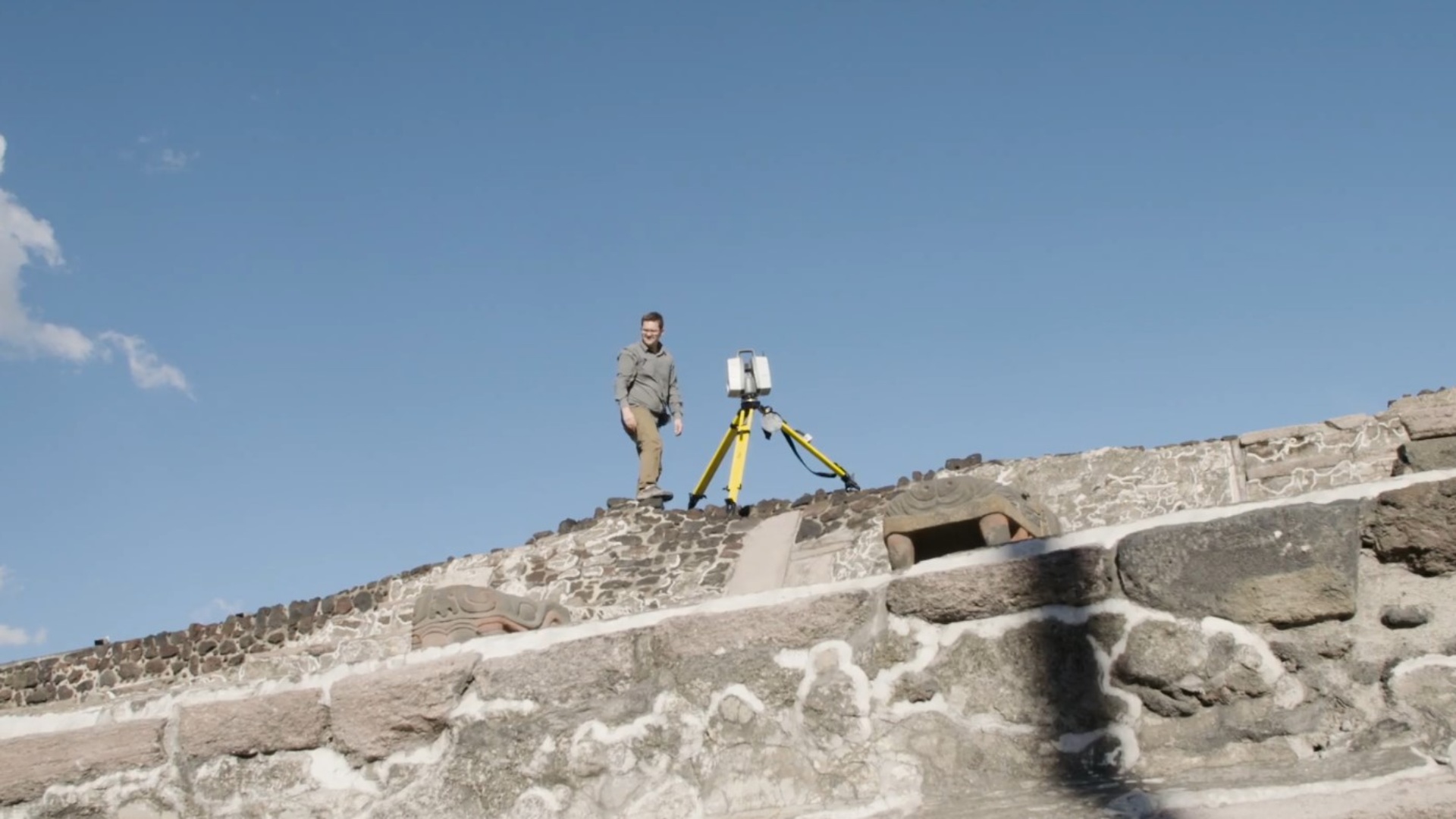
Building a permanent record
By scanning and storing data, the work creates a long-term archive of fragile archaeological and architectural sites.