Claudette Colvin’s early challenge to bus segregation
September 23, 2026
In 1955, 15-year-old Claudette Colvin refused to give up her seat to a white passenger on a segregated bus in Montgomery, Alabama. Her arrest came months before Rosa Parks’ historic protest and reflected growing resistance to segregation. Colvin’s actions remain an important part of the broader civil rights movement and its fight for equality.
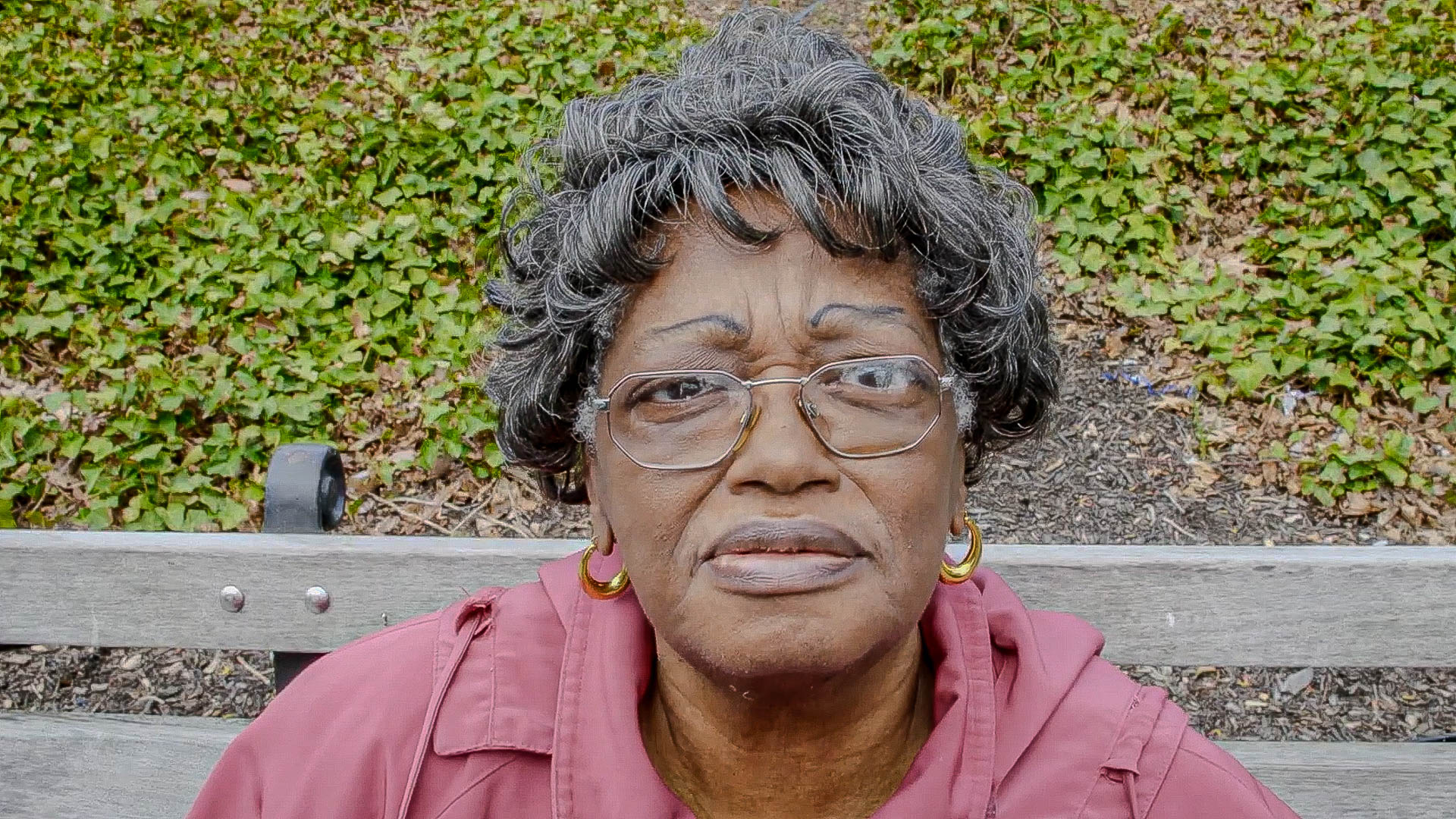
Claudette Colvin’s stand
At just 15 years old, Claudette Colvin challenged segregation on a Montgomery, Alabama, bus in 1955. Her actions came months before the better-known protest that followed.

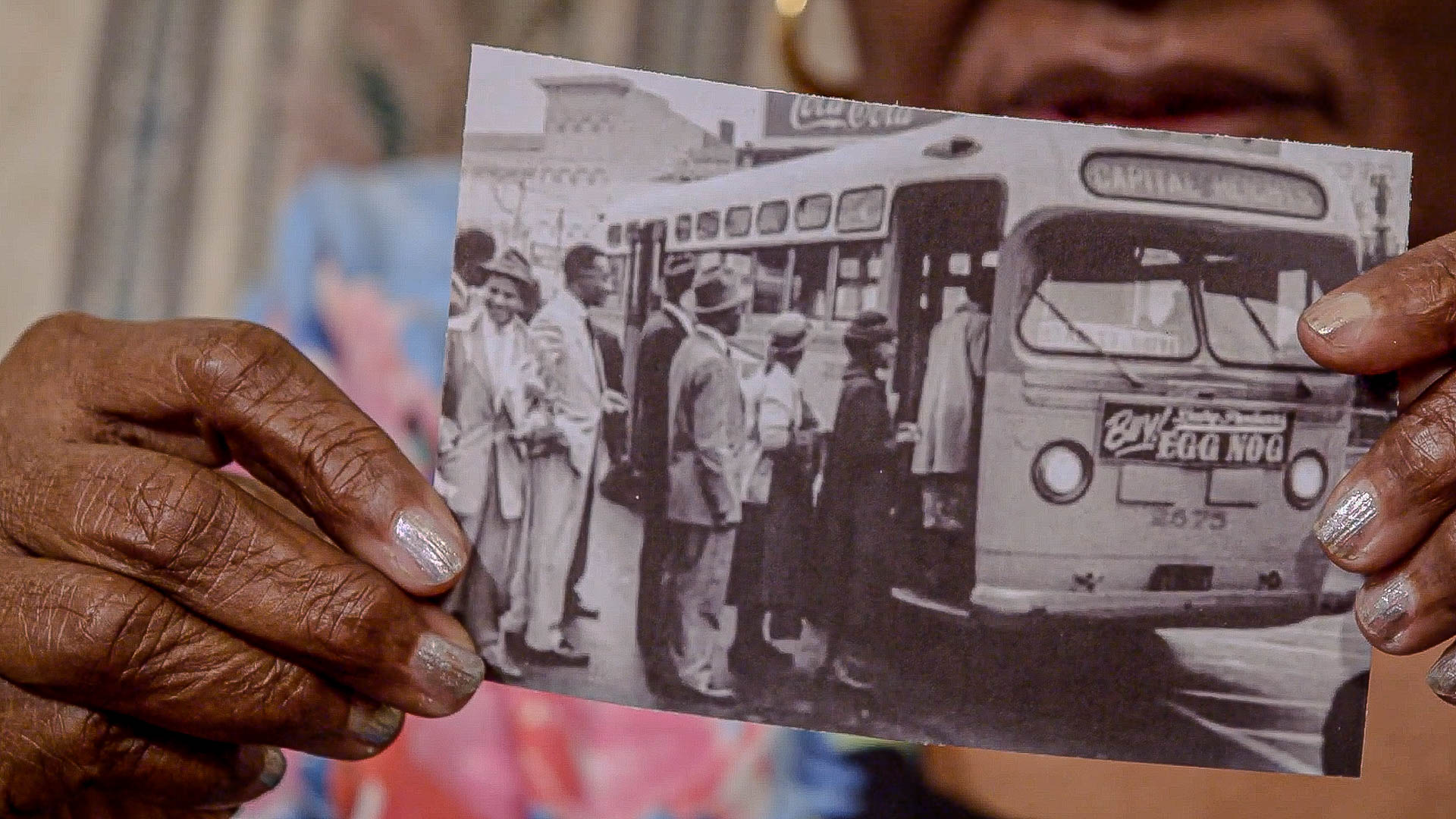
A divided system
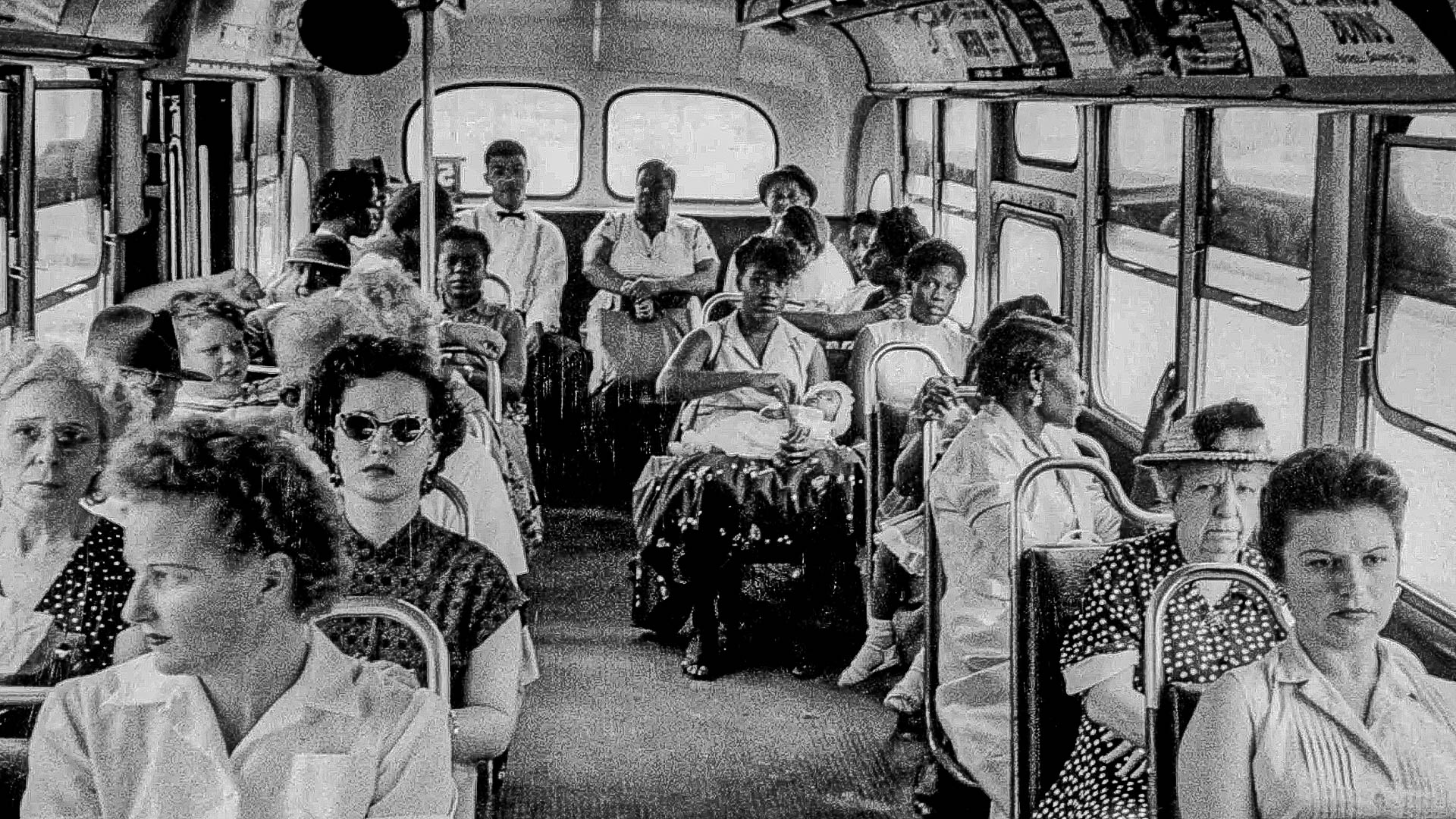
Bus segregation laws required Black passengers to sit separately from white passengers. The rules shaped daily life across much of the American South.
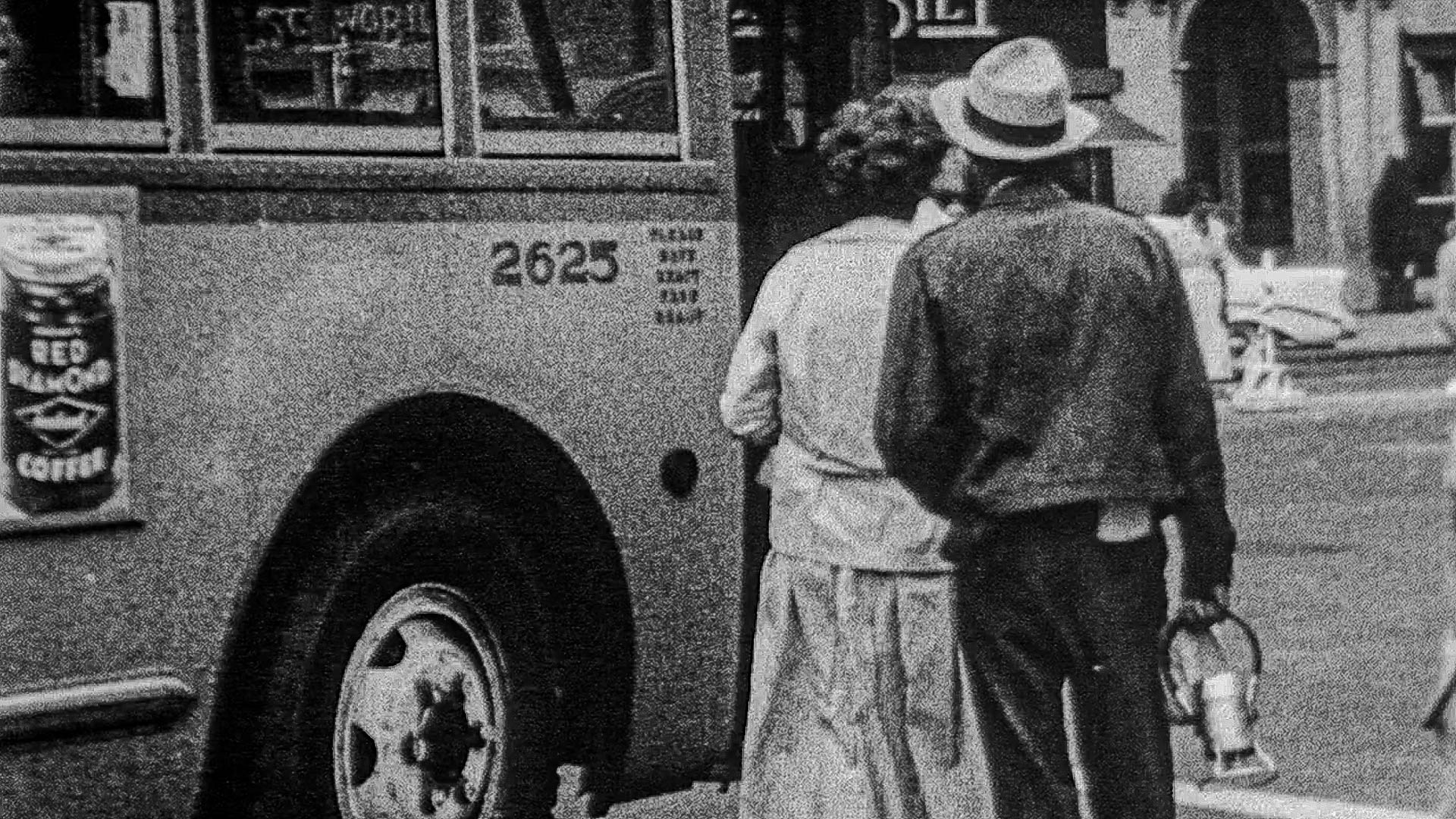
A moment of decision
When a bus driver ordered her to give up her seat, Colvin faced a choice. Instead of complying, she decided to remain where she was.
Standing firm
Colvin believed she had the same rights as any other passenger. She refused to surrender her seat despite pressure from those around her.
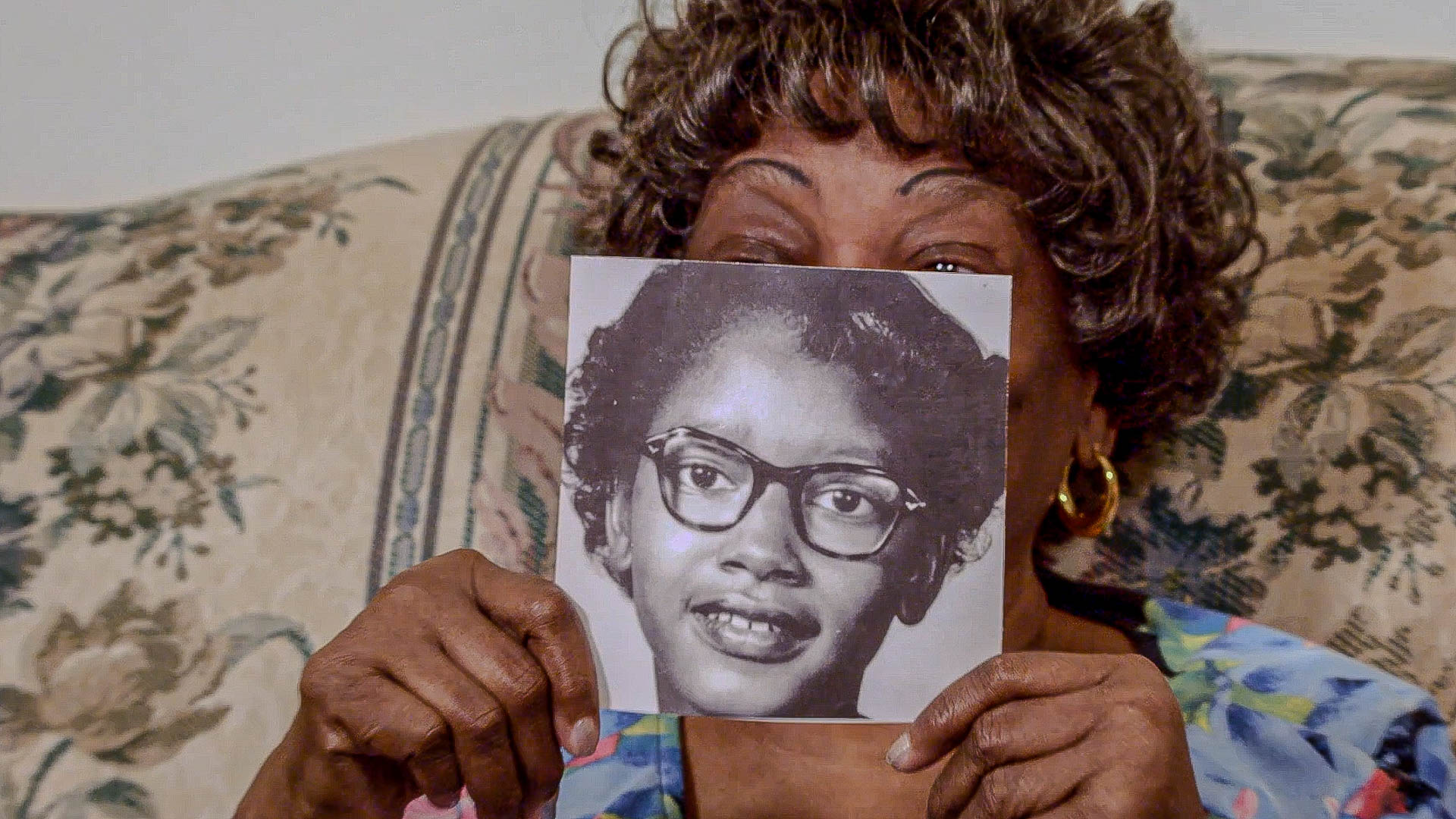
Voices of influence
She drew strength from the legacy of Black leaders who fought for freedom and equality. Their example helped shape her determination.

Removed from the bus
The confrontation escalated when police became involved. Colvin was forcibly taken from the bus after refusing to move.
Fear and uncertainty
After her arrest, the reality of the situation set in. As a teenager, she experienced fear while facing an uncertain outcome.

A night in custody
Colvin recalled the lasting impact of being booked and placed in jail. The experience became one of the most memorable moments of her life.

Support from family
When she returned home, her family reflected on what had happened. Colvin maintained that her actions came from a belief that segregation was wrong.
A lasting legacy
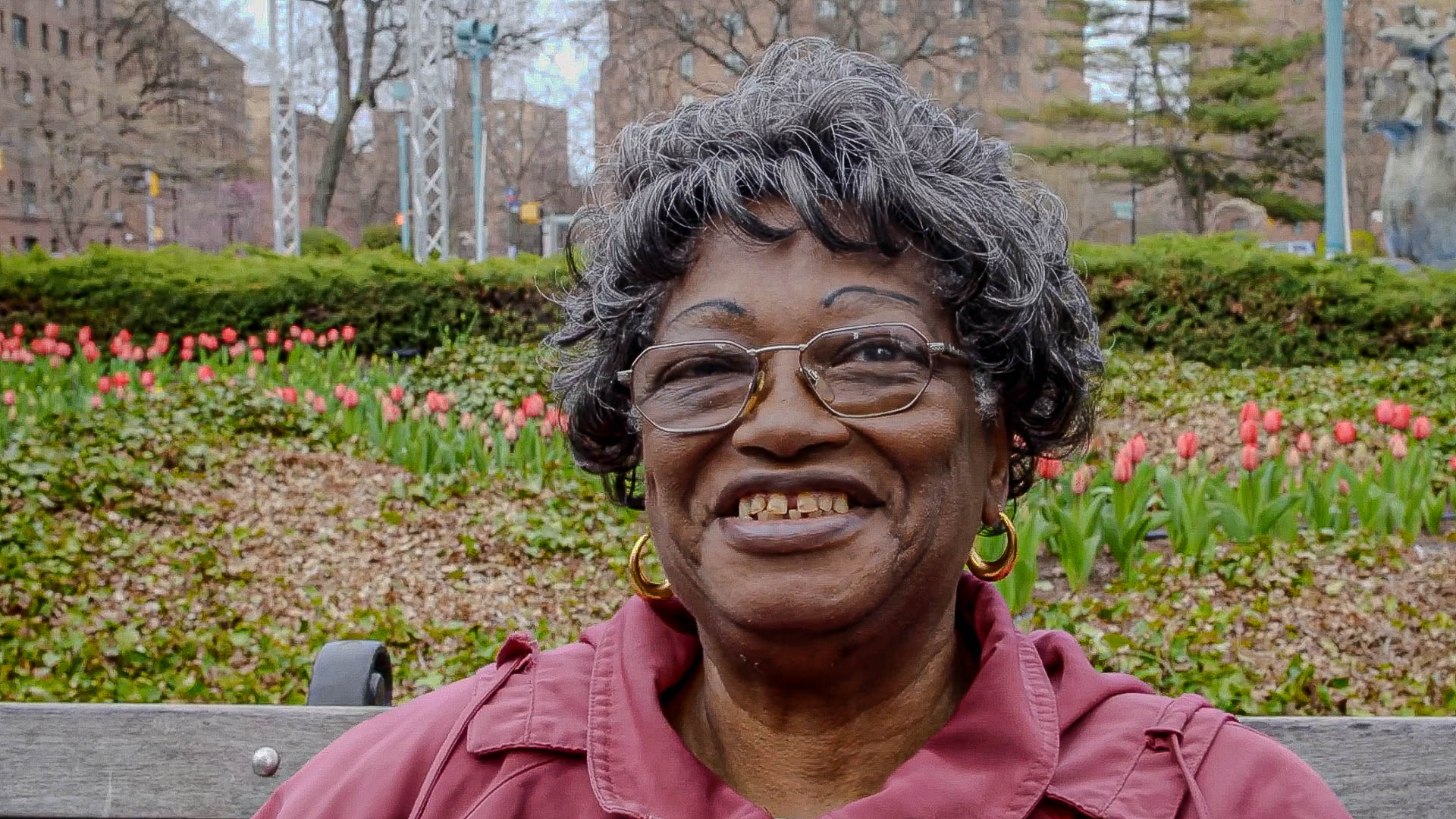
Claudette Colvin’s protest became an important chapter in the civil rights movement. Her story highlights how individual acts of courage can help drive social change.