Disaster robots are changing emergency response
July 09, 2026
Robin Murphy’s disaster robots help emergency teams enter dangerous environments where humans cannot safely go. From the Oklahoma City bombing response to hurricanes and nuclear disasters, these machines provide critical information that improves rescue operations and saves lives.
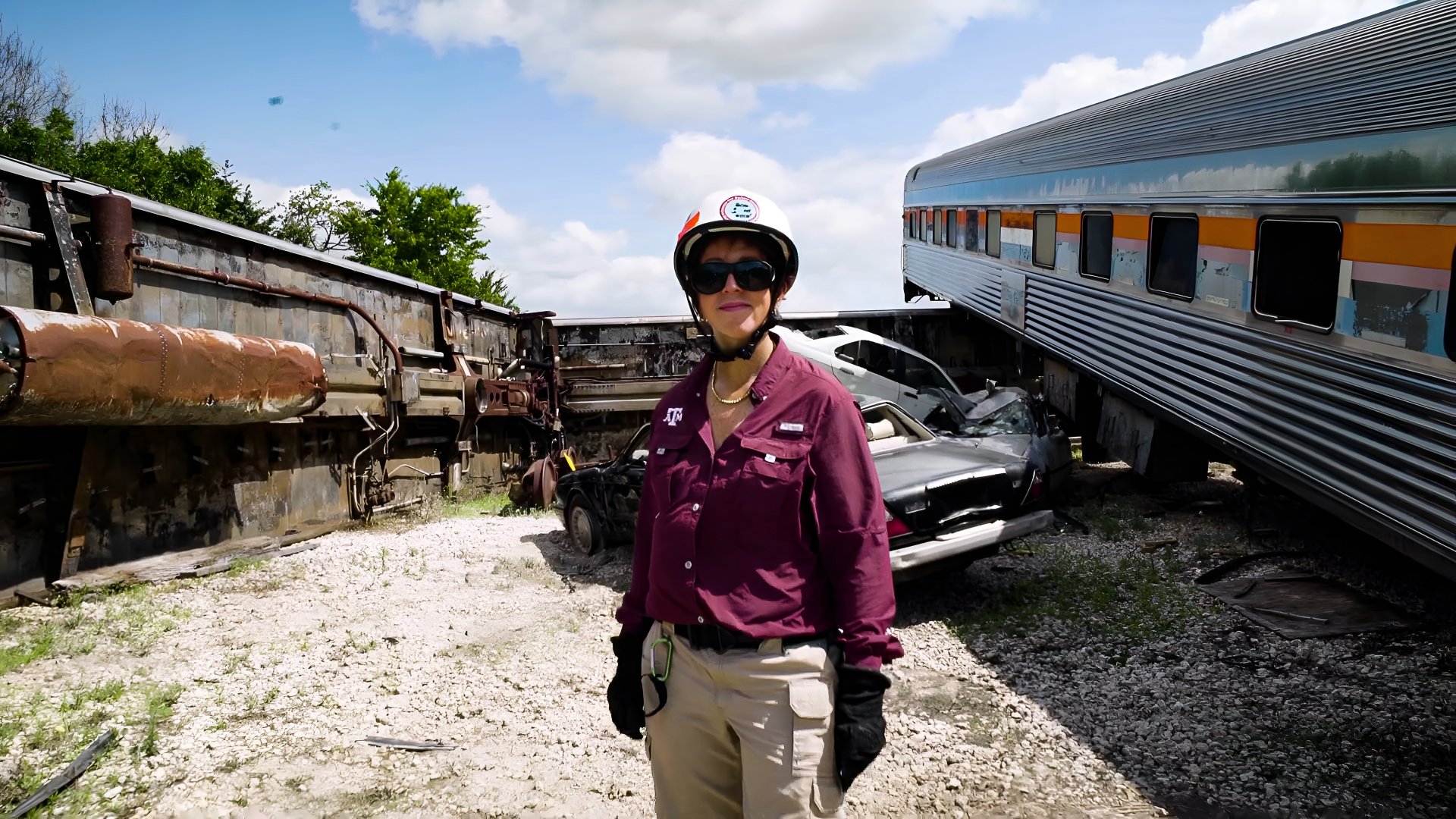
Robin Murphy is transforming disaster response with life-saving robots
Machines built to go where humans cannot
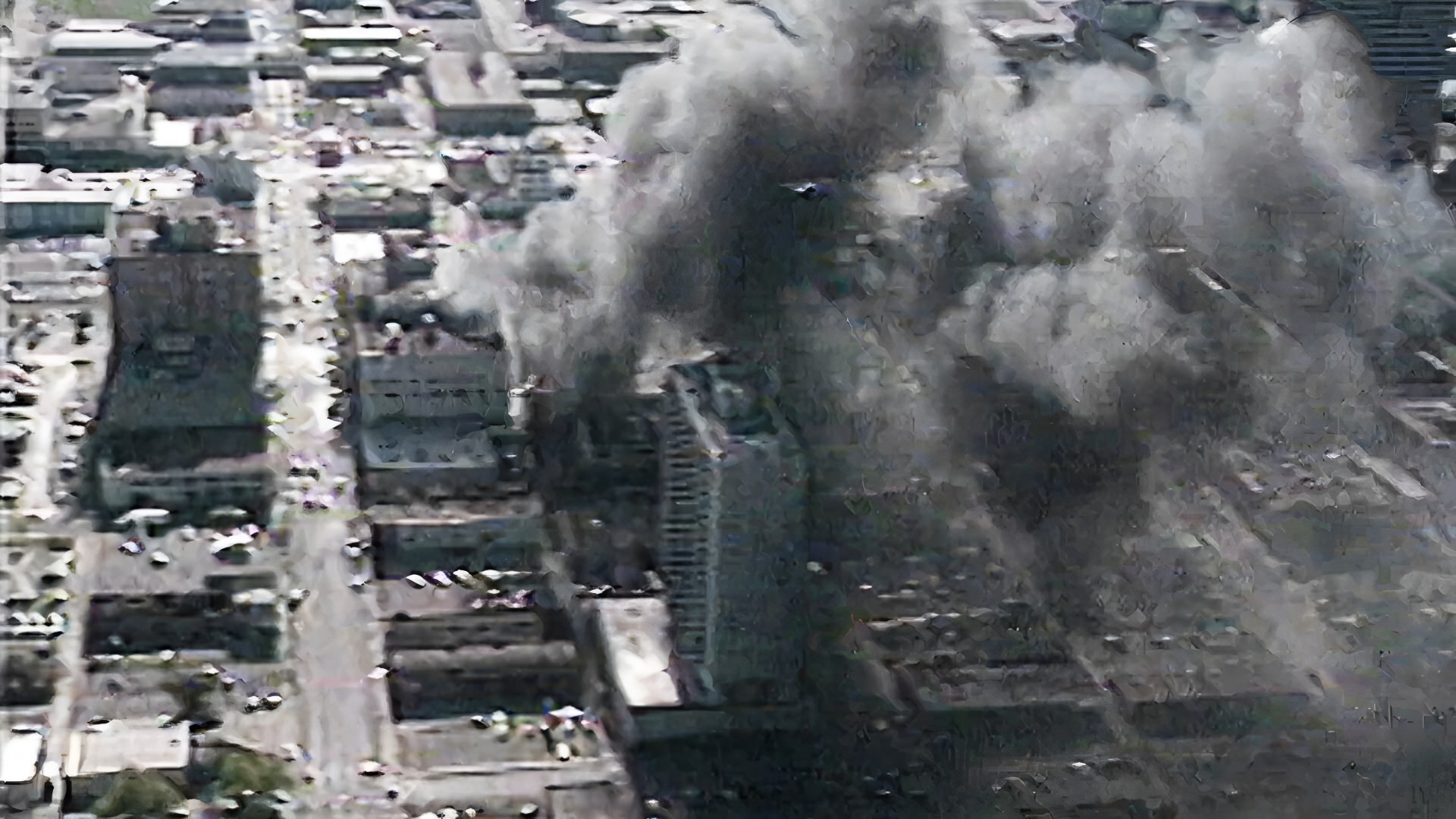
It started after the Oklahoma City bombing
A new idea began to take shape
Space technology inspired a bold shift
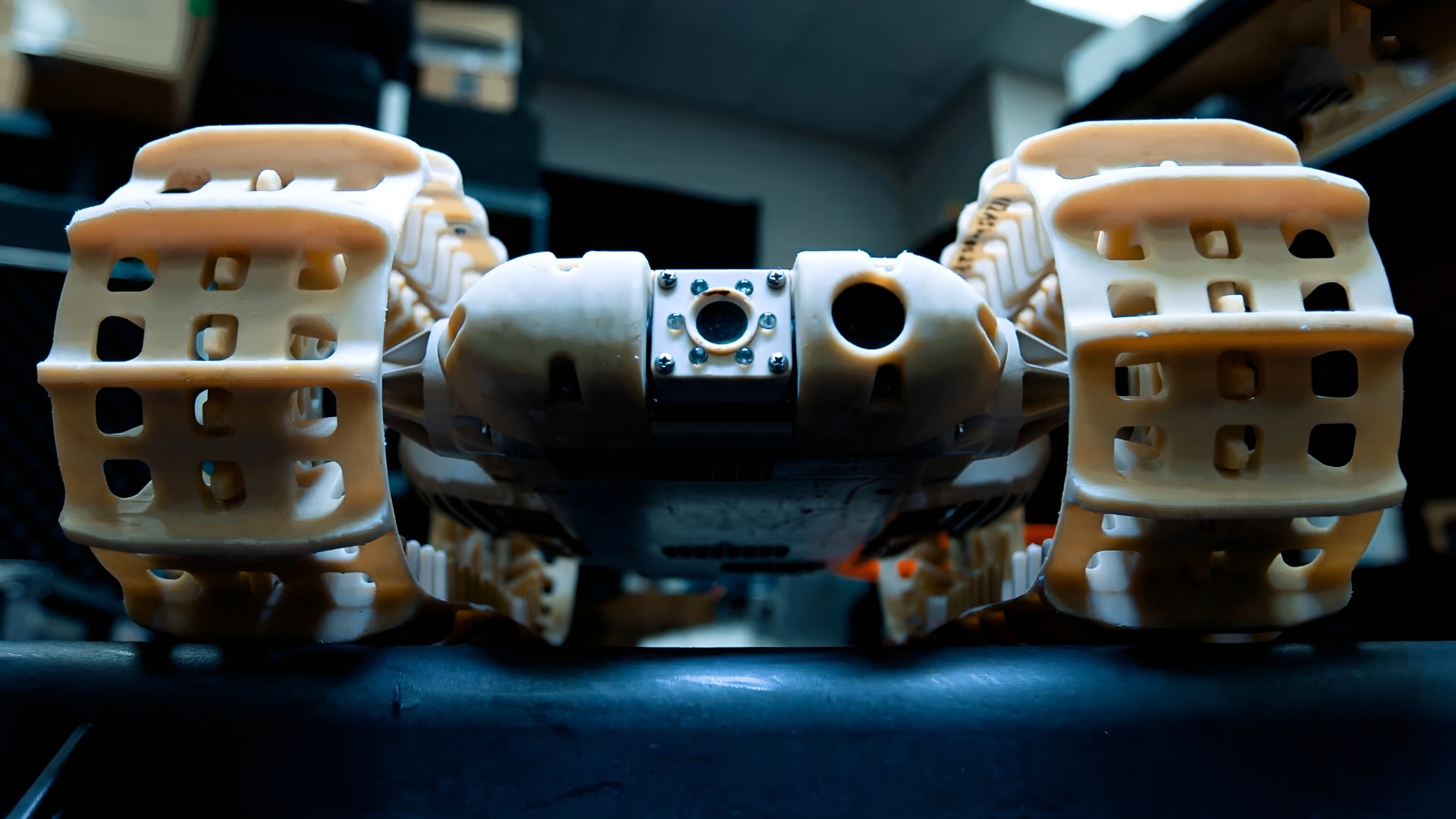
Robots could enter the most dangerous zones
By 2001, the first ground robots were deployed
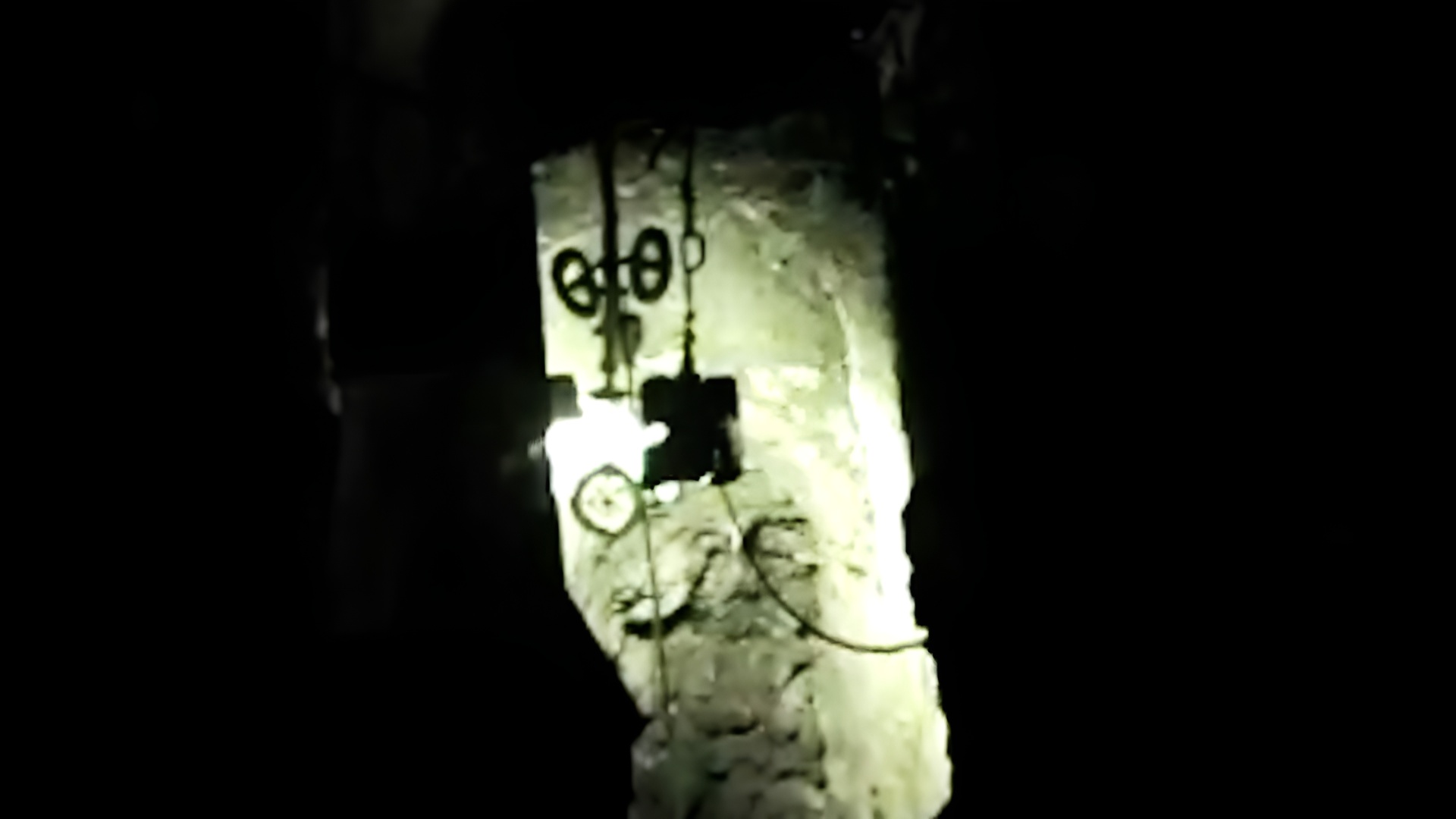
They moved deep into unstable rubble
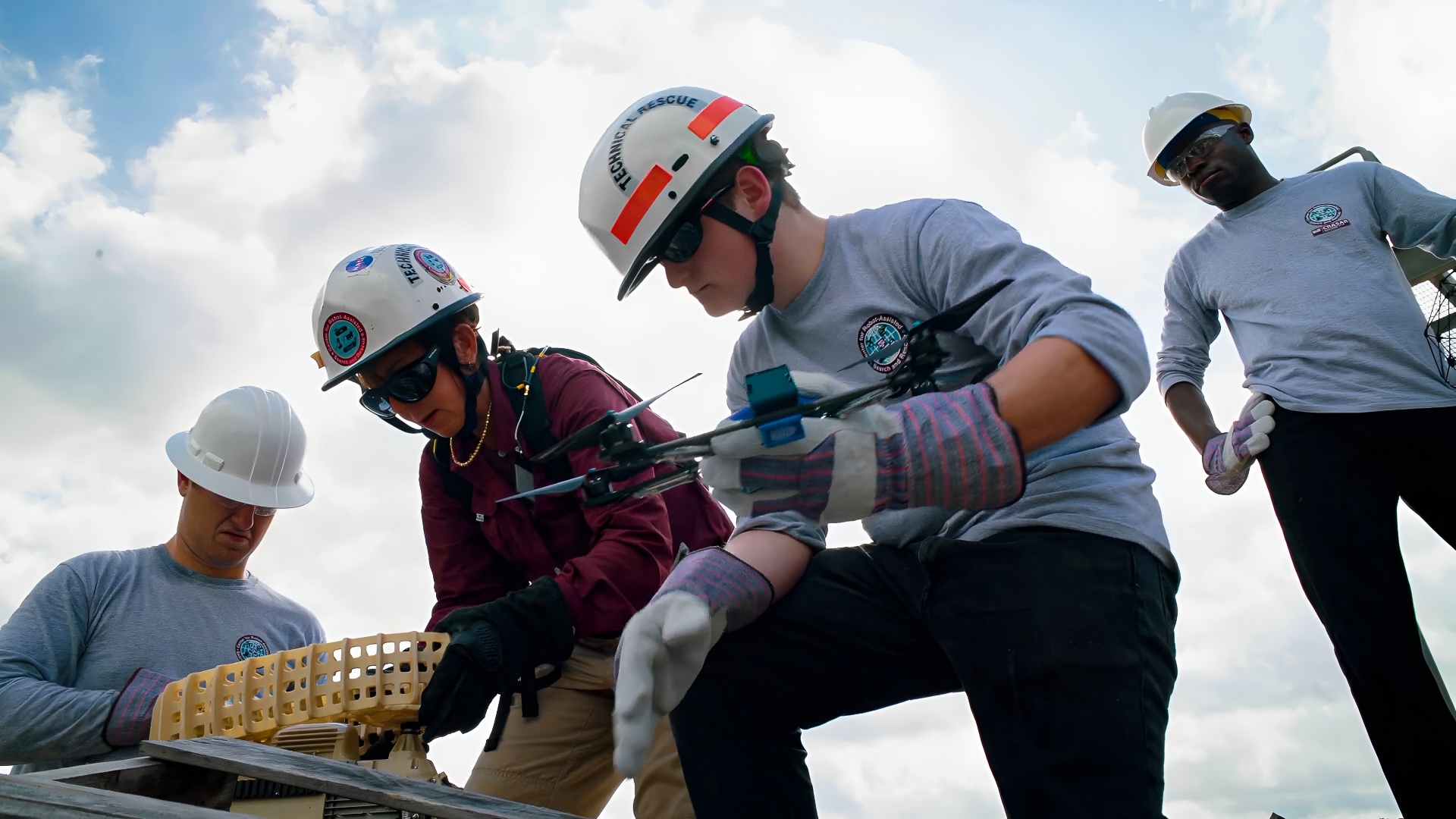
Reaching beyond 18 feet into collapsed structures
They accessed spaces no rescuer could survive
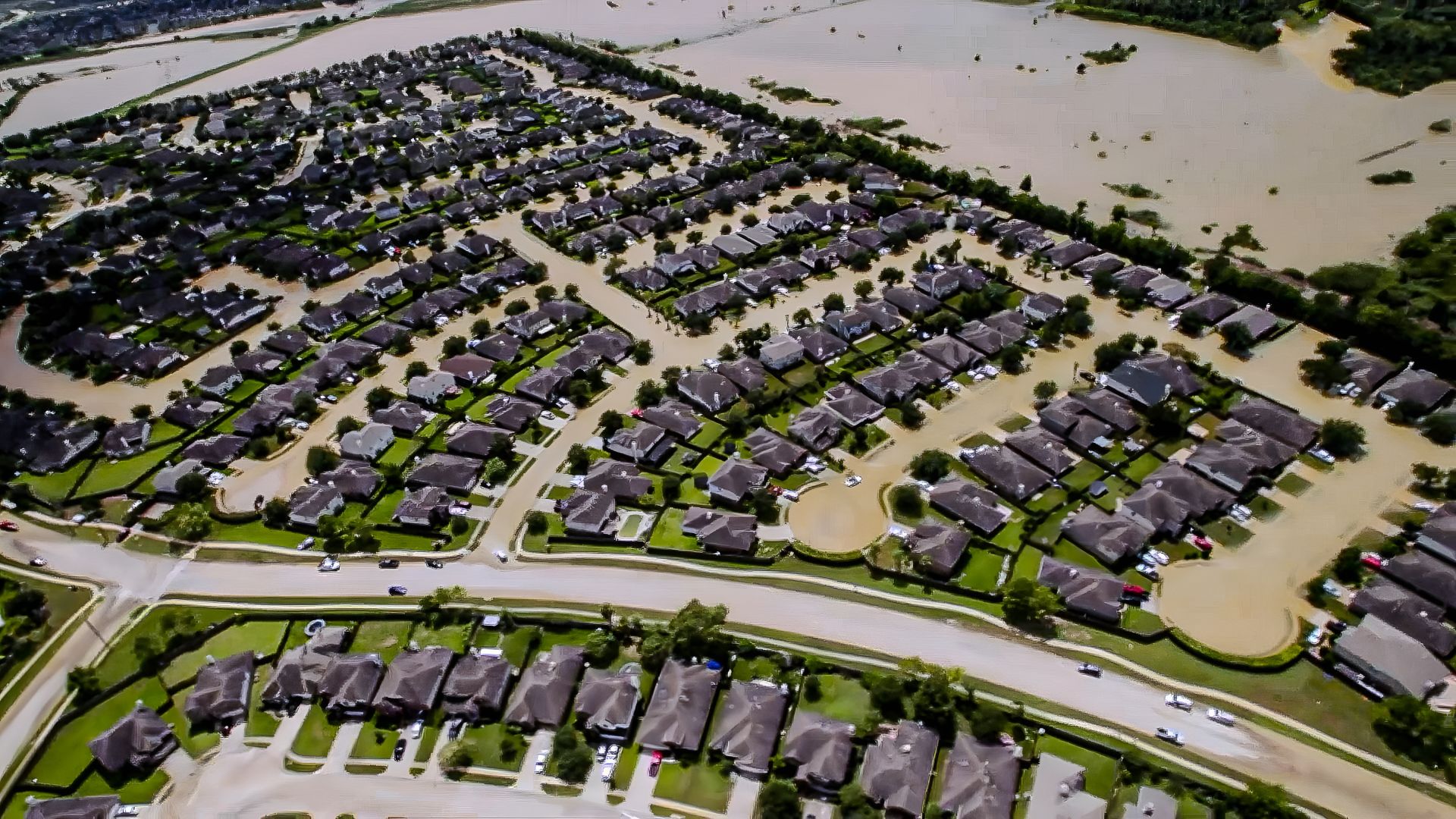
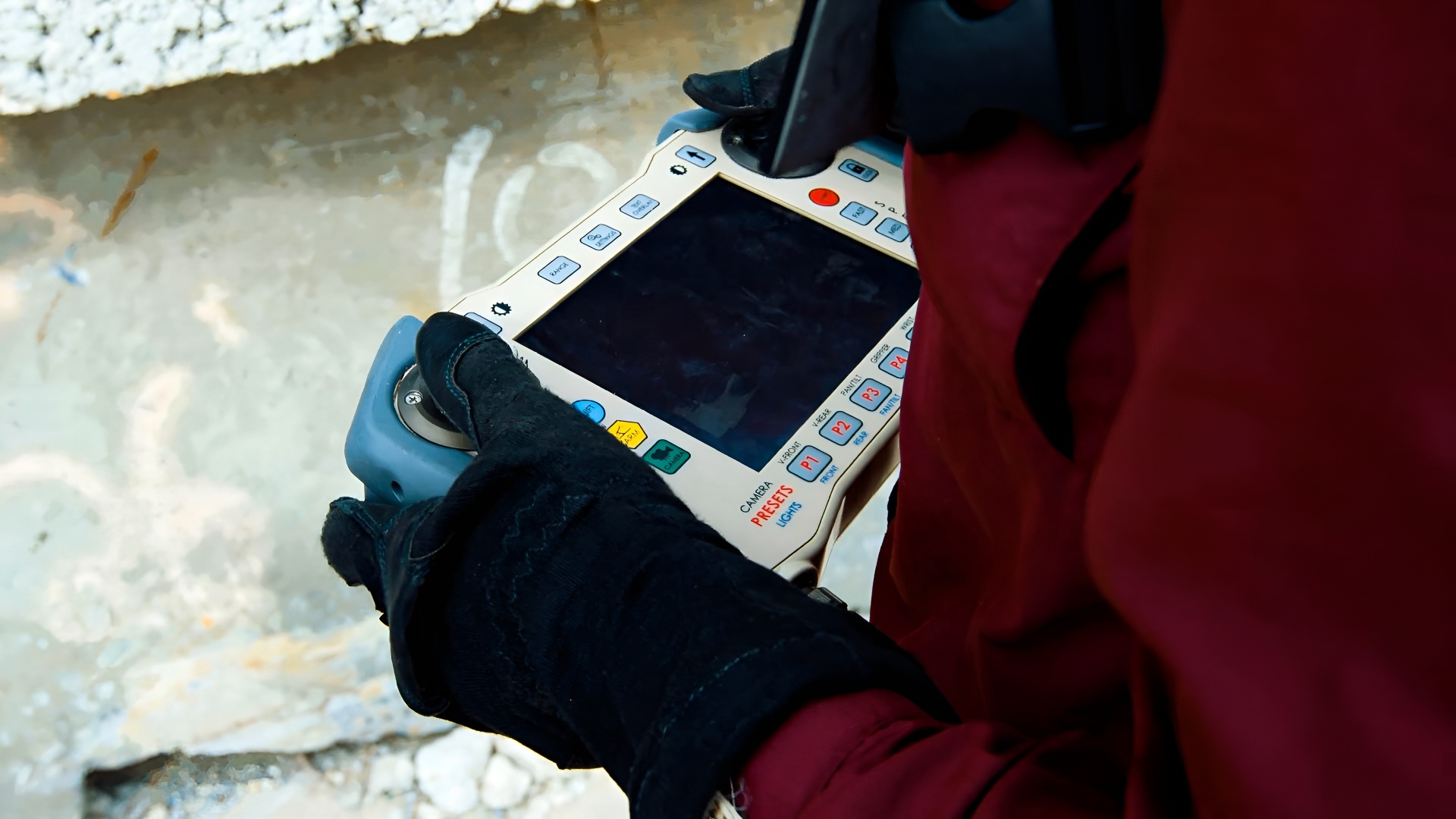
Even the smallest visual data made a difference
Critical decisions became clearer and faster
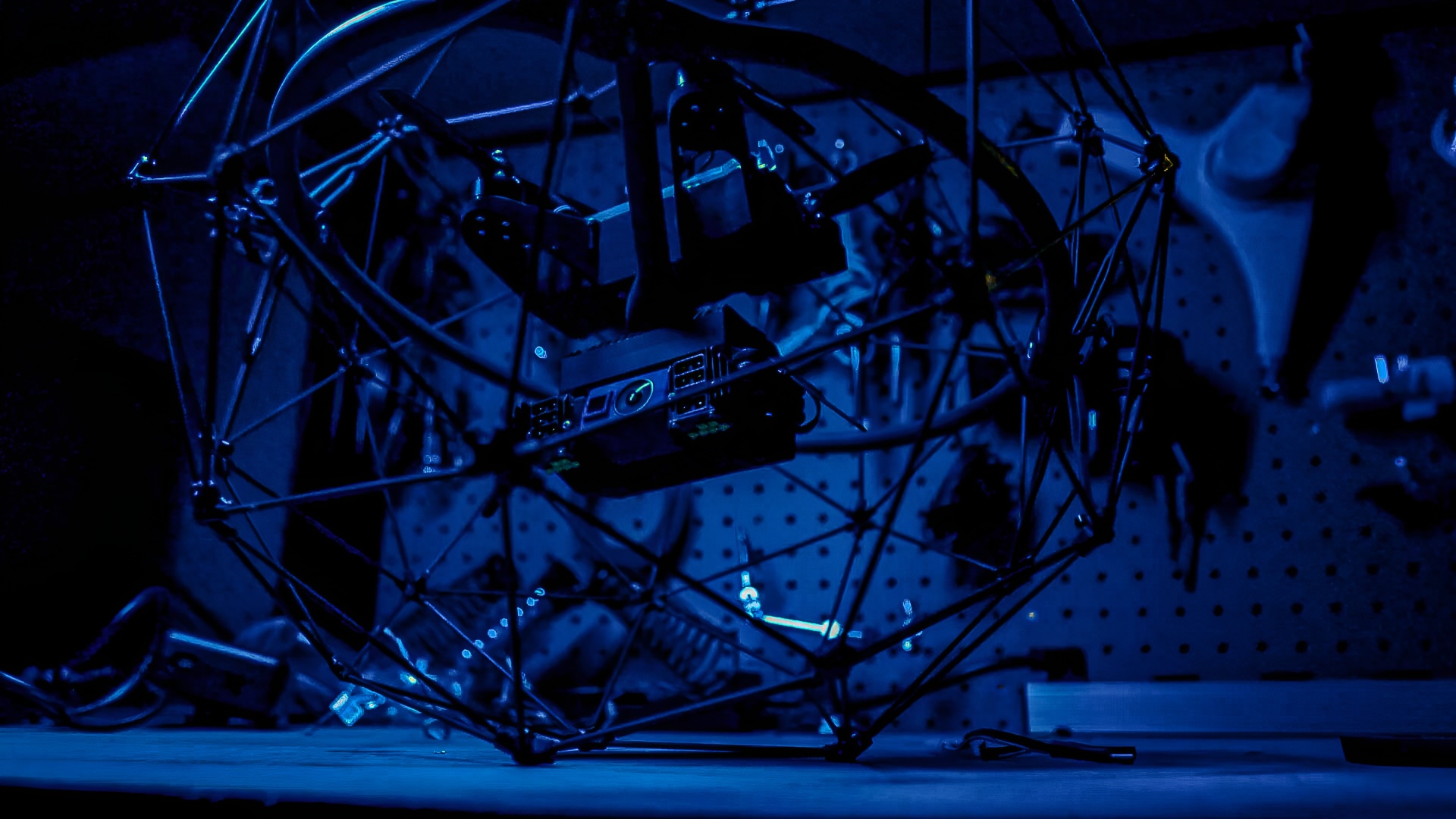
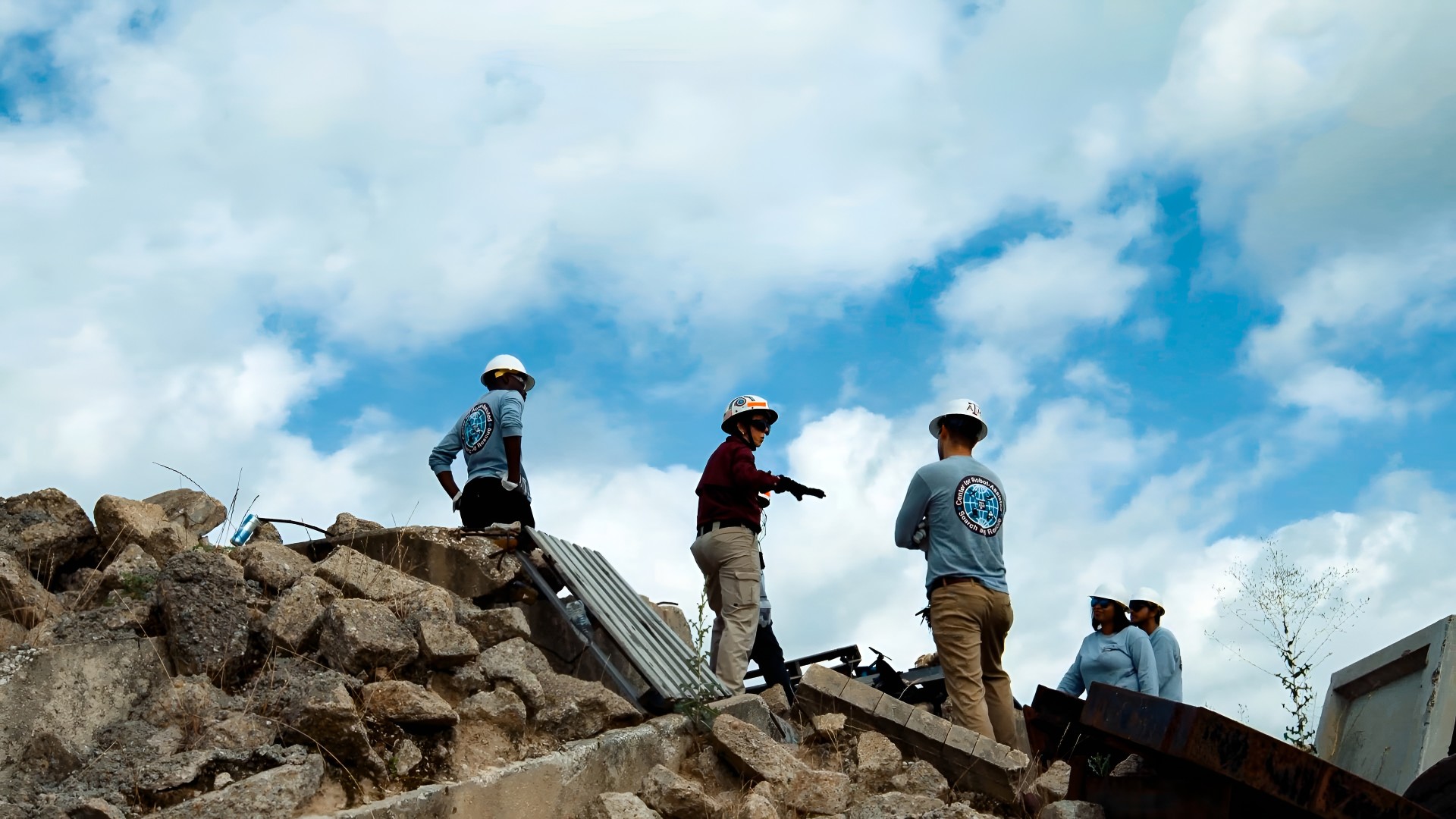
At Disaster City, teams train for the worst
Simulating chaos before it happens
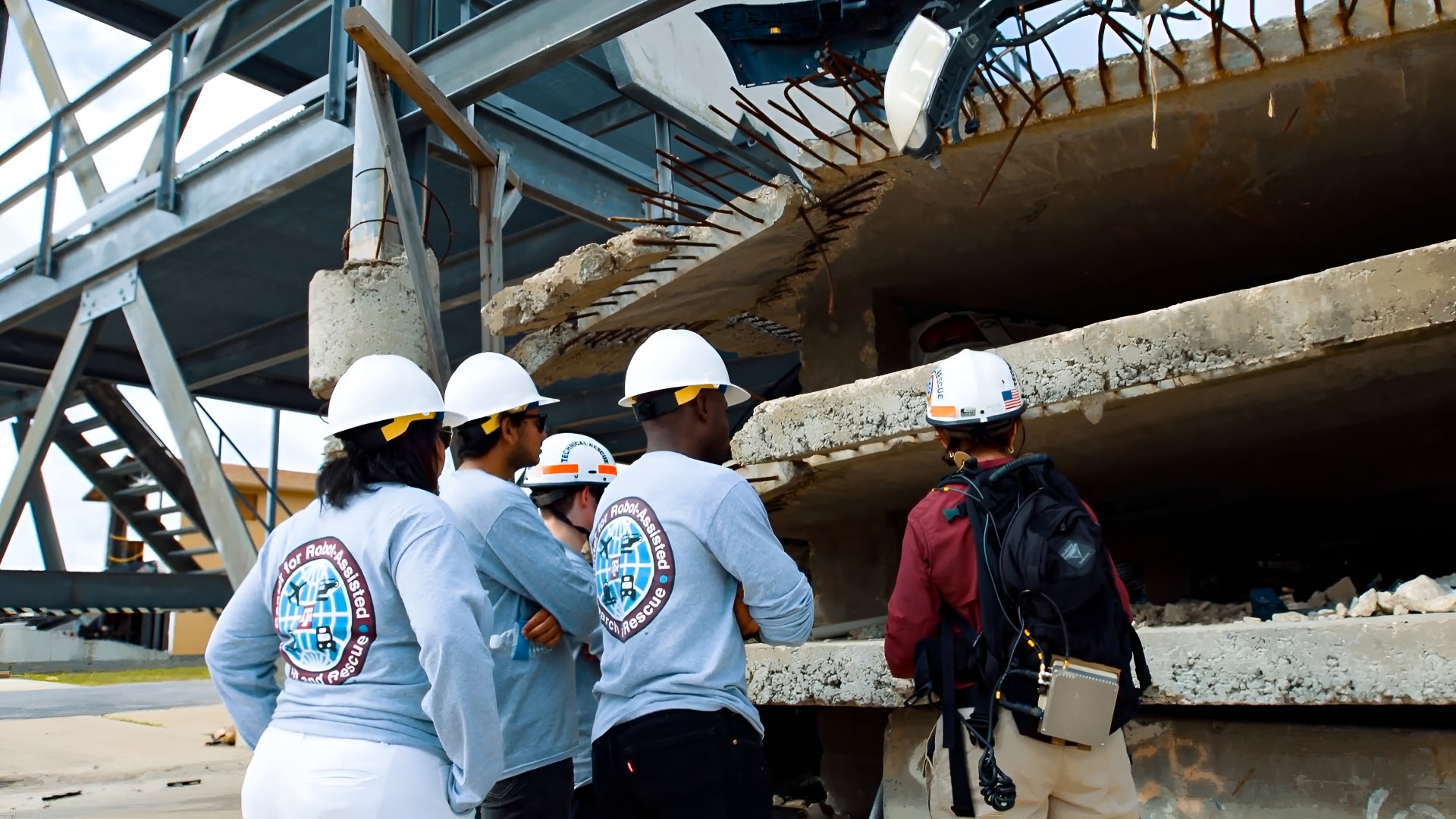
These robots have faced real-world crises
From Hurricane Harvey to Fukushima
But technology is only part of the story
Responders still face intense physical and mental strain
In the end, it’s about saving lives through innovation
Using science to make disasters more survivable