Exploring Vermilion Cliffs National Monument in Arizona and Utah
July 18, 2026
Vermilion Cliffs National Monument spans the Arizona-Utah border, offering vast desert landscapes, towering cliffs, and unique sandstone formations like The Wave and White Pocket. The monument combines breathtaking geology with opportunities for exploration, solitude, and conservation.
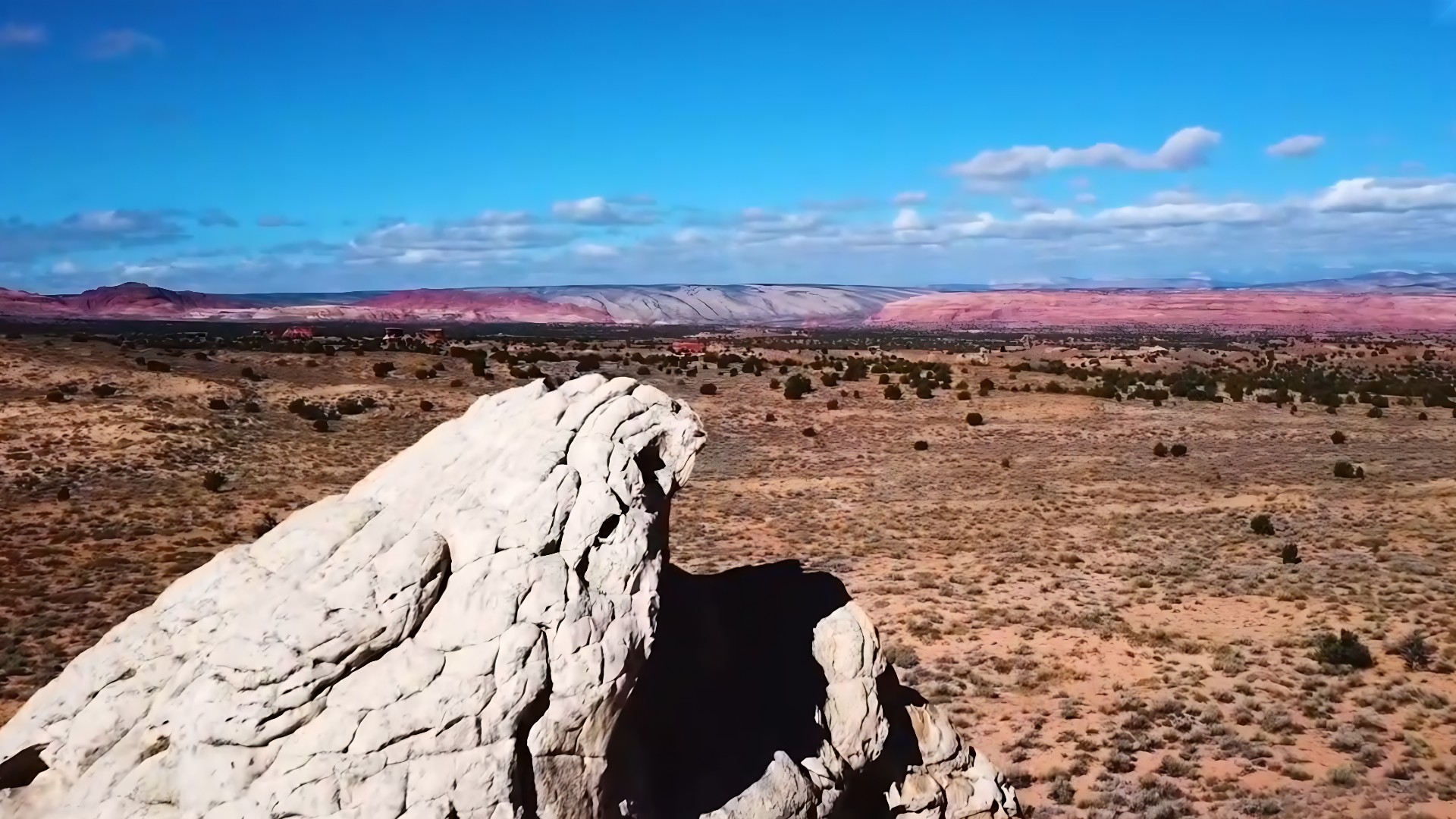
Vermilion Cliffs hides one of America's great landscapes. Its beauty stretches across Arizona and Utah.
Vermilion Cliffs National Monument spans the Arizona-Utah border, protecting an expansive desert landscape of towering cliffs and sandstone formations. The remote setting has become a destination for travelers seeking dramatic natural scenery.
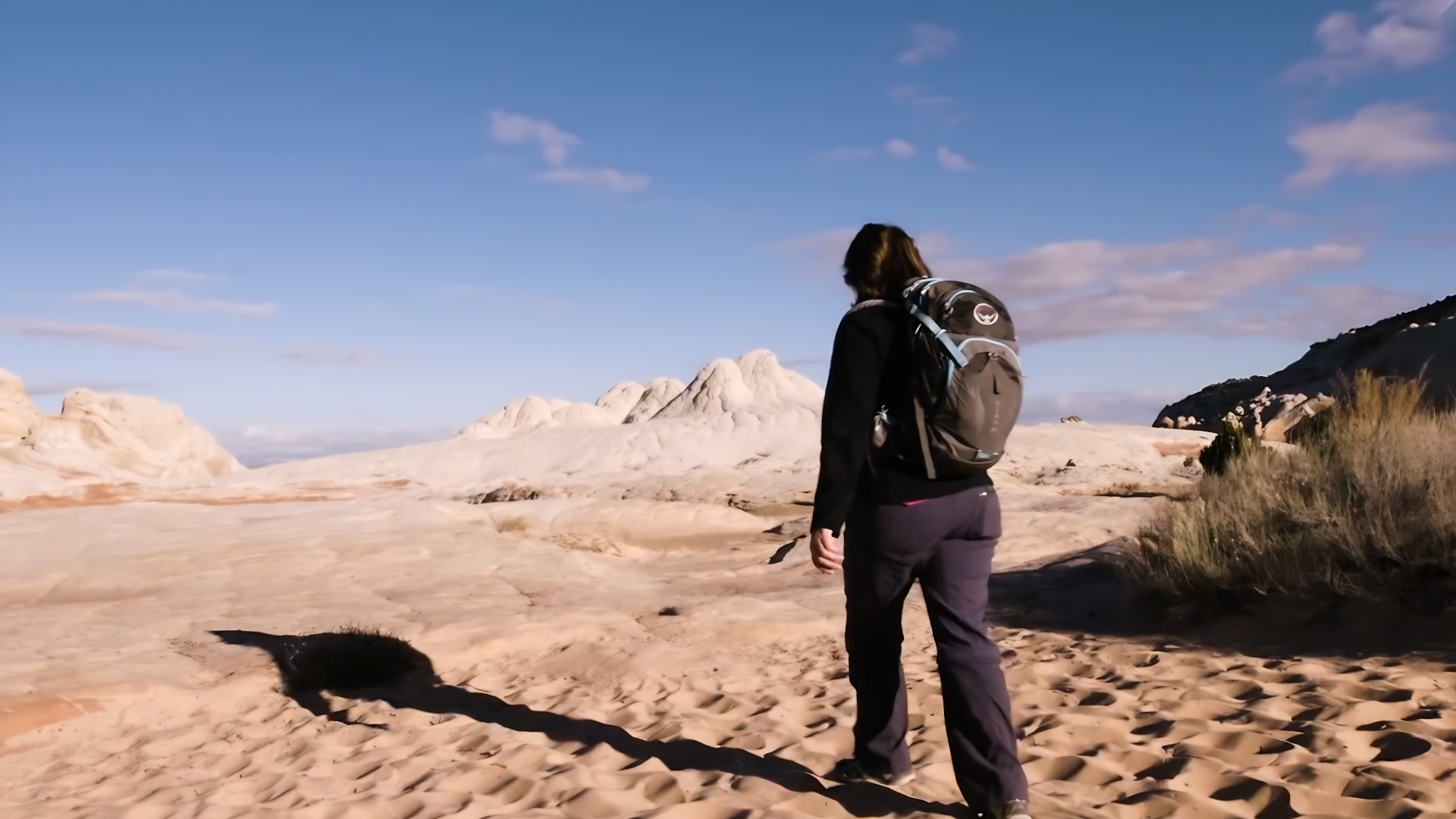
Many visitors arrive searching for The Wave. The monument offers far more to explore.
While The Wave is the area's most famous attraction, the monument covers more than 300,000 acres of protected public land. Countless canyons, rock formations, and backcountry routes extend well beyond the well-known landmark.
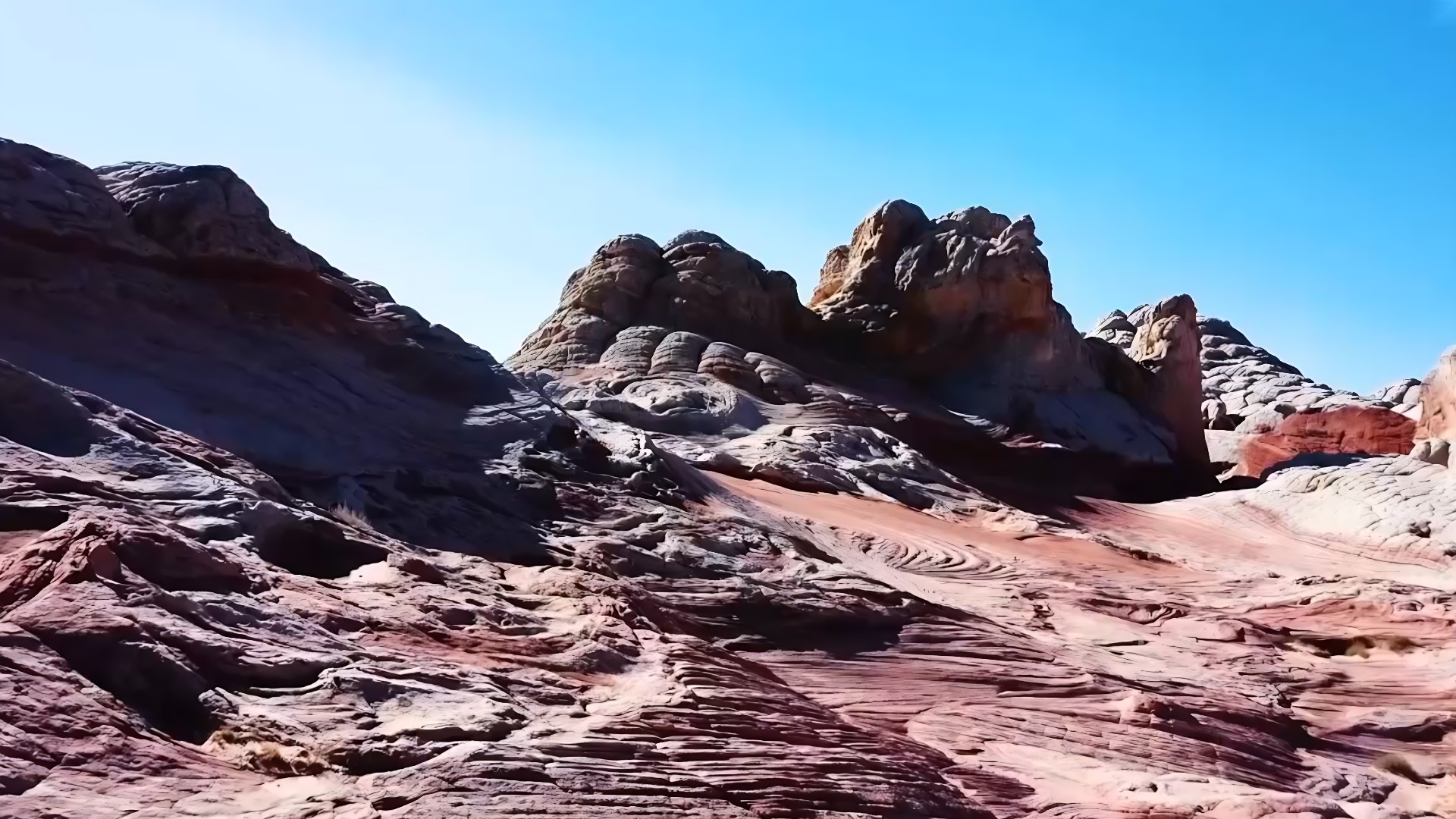
Ancient sandstone tells a remarkable story. Nature shaped it over millions of years.
The monument's distinctive rock formations were sculpted by wind, water, and erosion over roughly 190 million years. Each layer reflects a long geological history that continues to fascinate scientists and visitors alike.
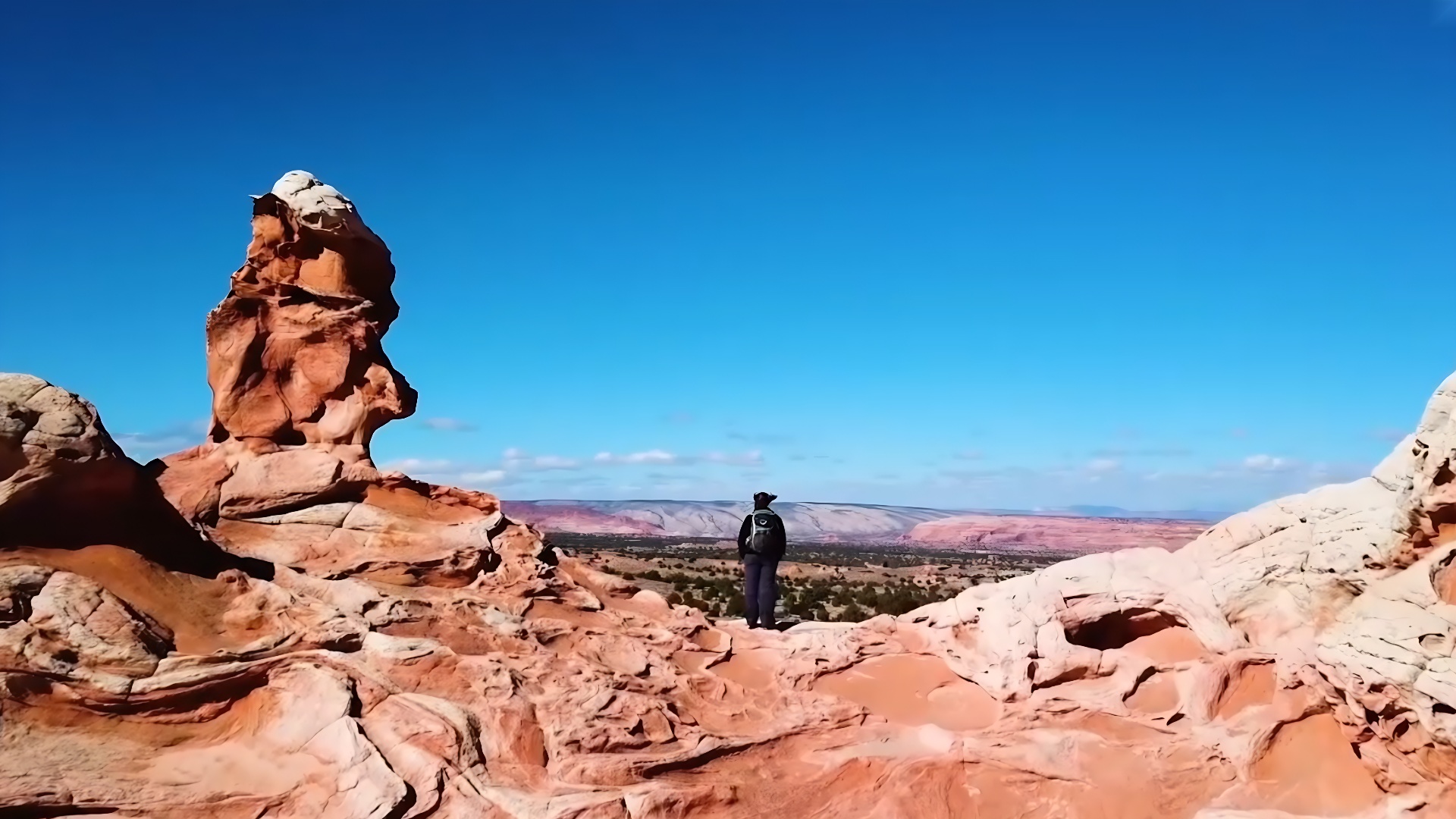
Towering cliffs dominate the horizon. Every turn reveals a different landscape.
From sweeping escarpments to sculpted sandstone domes, the monument offers a wide variety of natural features. The changing colors and textures make every section of the landscape unique.
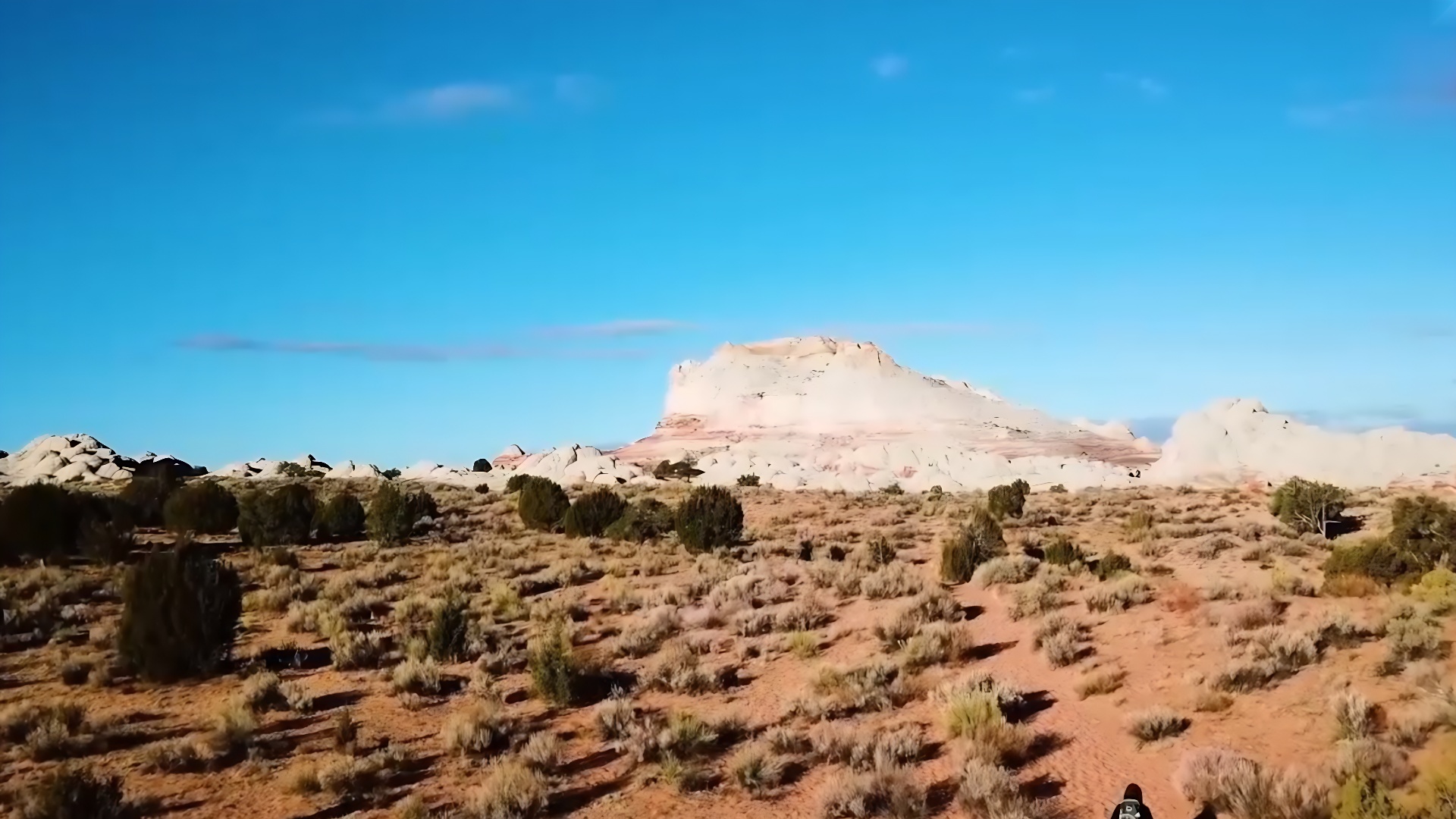
Remote wilderness rewards prepared travelers. The journey is part of the experience.
Many areas within Vermilion Cliffs require careful planning and off-road travel. Reaching these secluded locations often demands suitable vehicles, navigation skills, and respect for changing conditions.
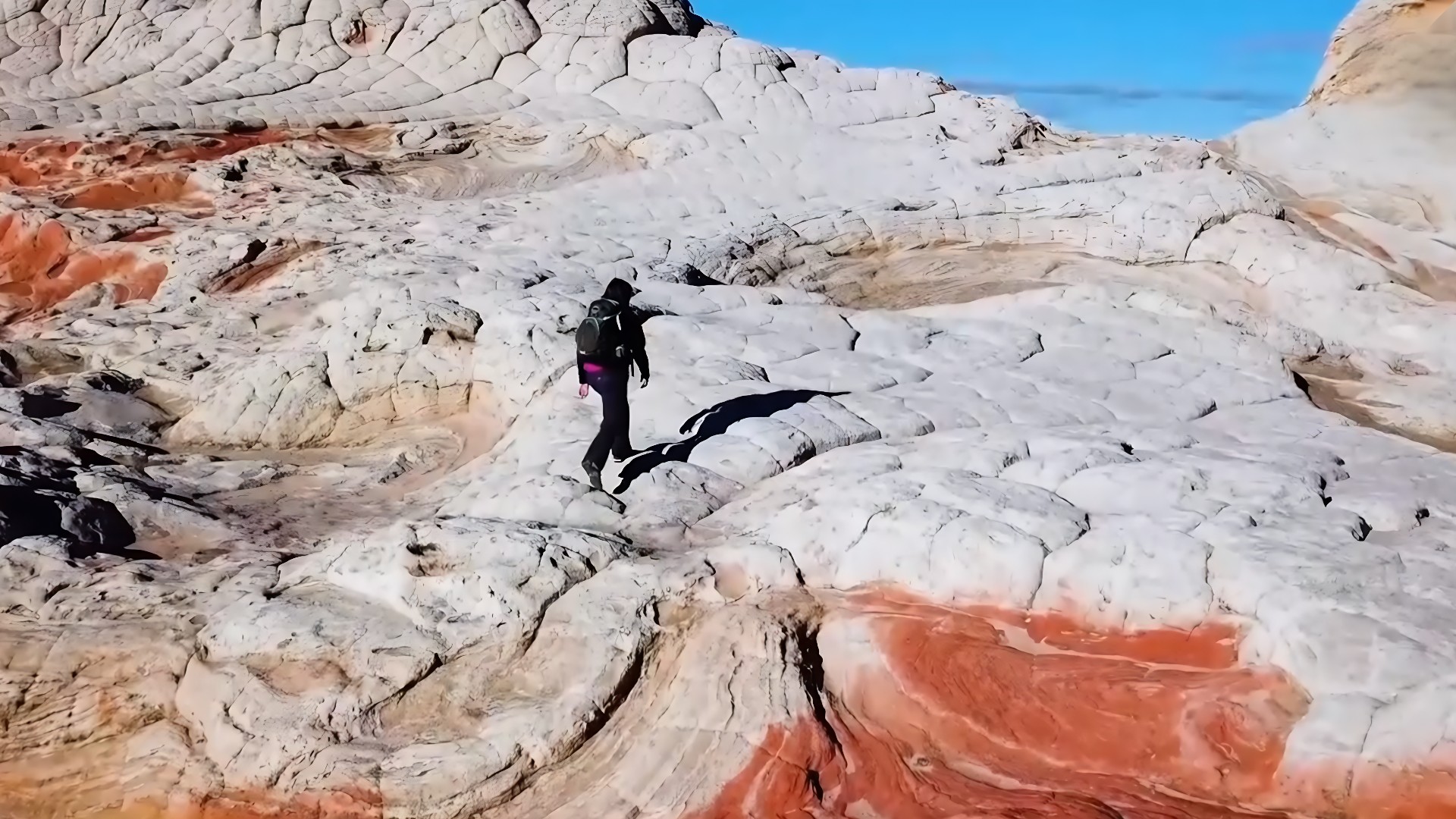
White Pocket showcases extraordinary rock formations. Its patterns seem almost unreal.
White Pocket is one of the monument's most striking destinations, known for its swirling sandstone and layered rock formations. Its remote location helps preserve its natural character.
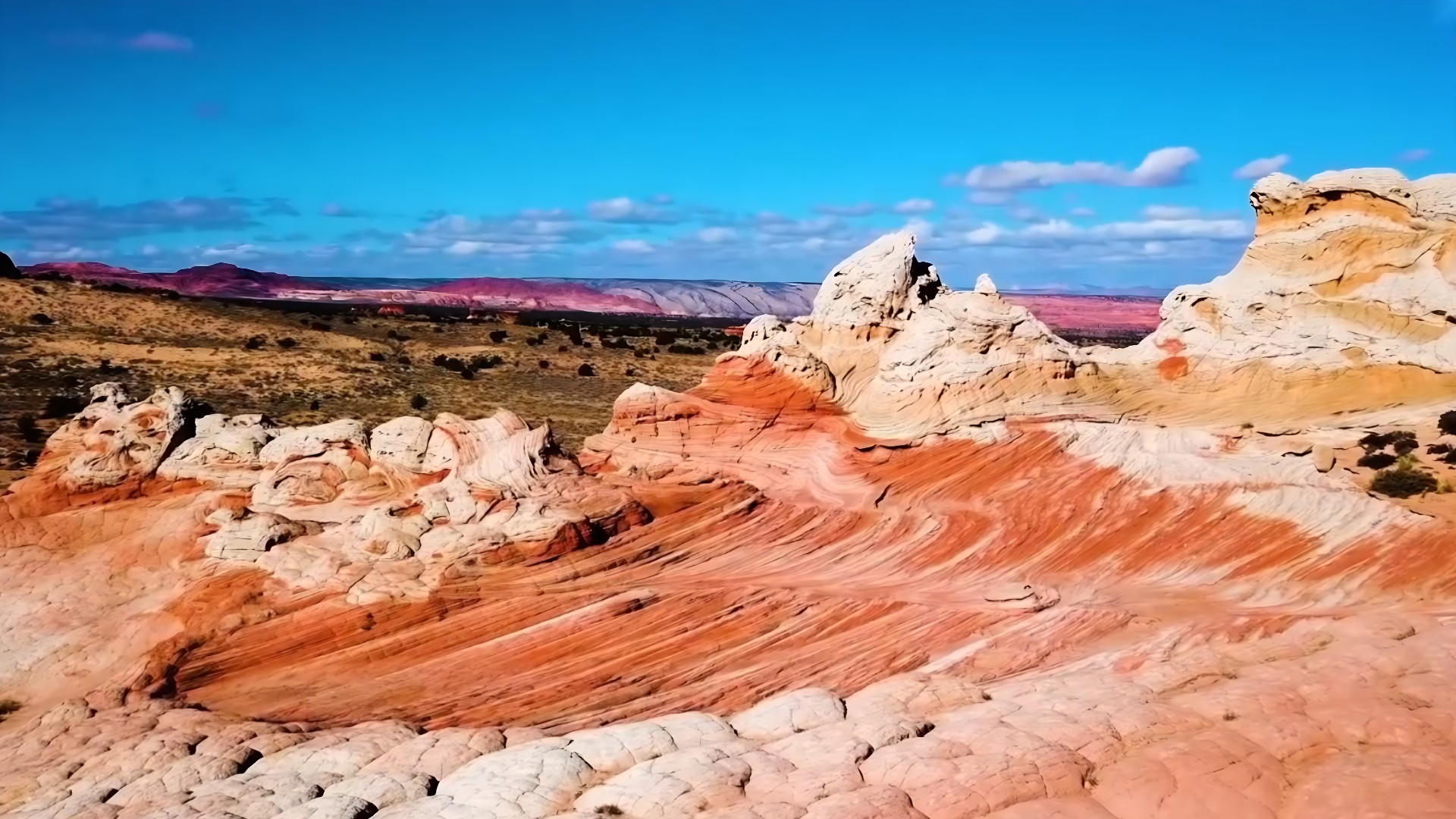
Protecting the landscape remains a priority. Conservation supports future generations.
Public land managers work to educate visitors about responsible recreation and preservation. Careful stewardship helps ensure these fragile environments remain protected for years to come.
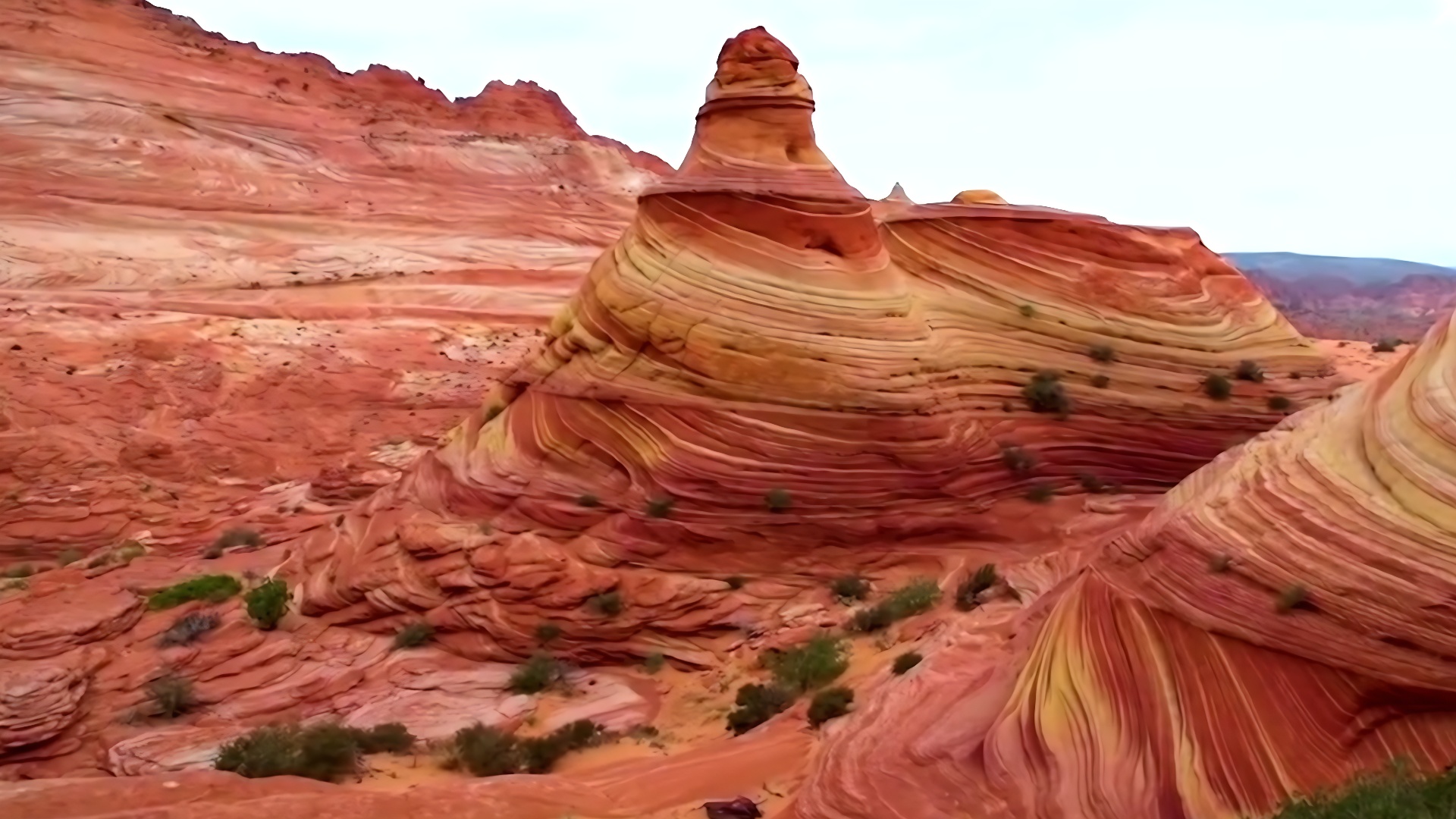
Silence defines much of the monument. Nature takes center stage.
Away from busy tourist destinations, the monument offers a rare sense of solitude. The vast open spaces provide opportunities to experience the desert with few signs of modern development.
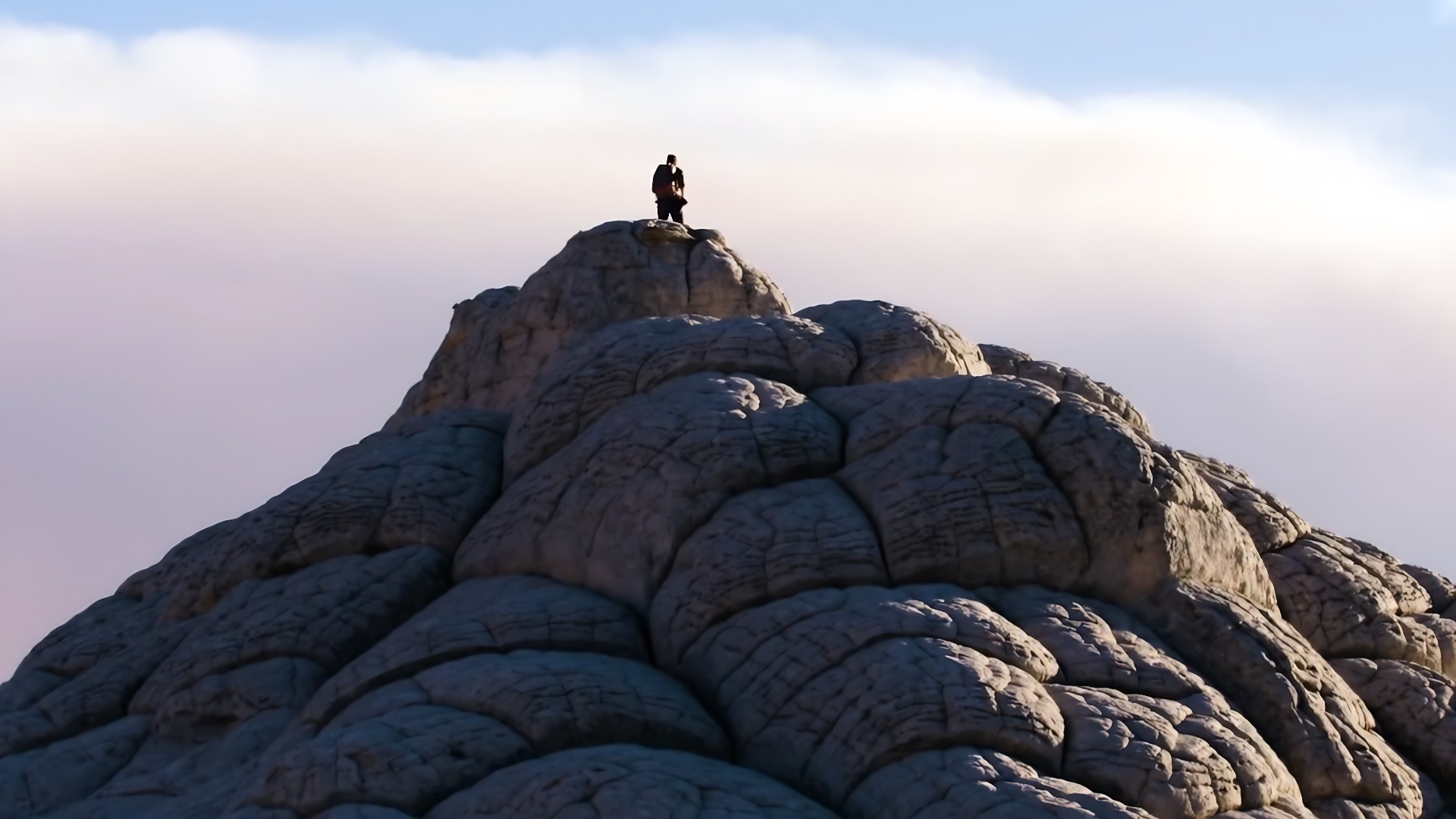
The landscape encourages visitors to slow down. Every view rewards patience.
Exploring Vermilion Cliffs is less about reaching a single destination than appreciating the surrounding wilderness. The monument invites visitors to experience its scale and geological diversity.
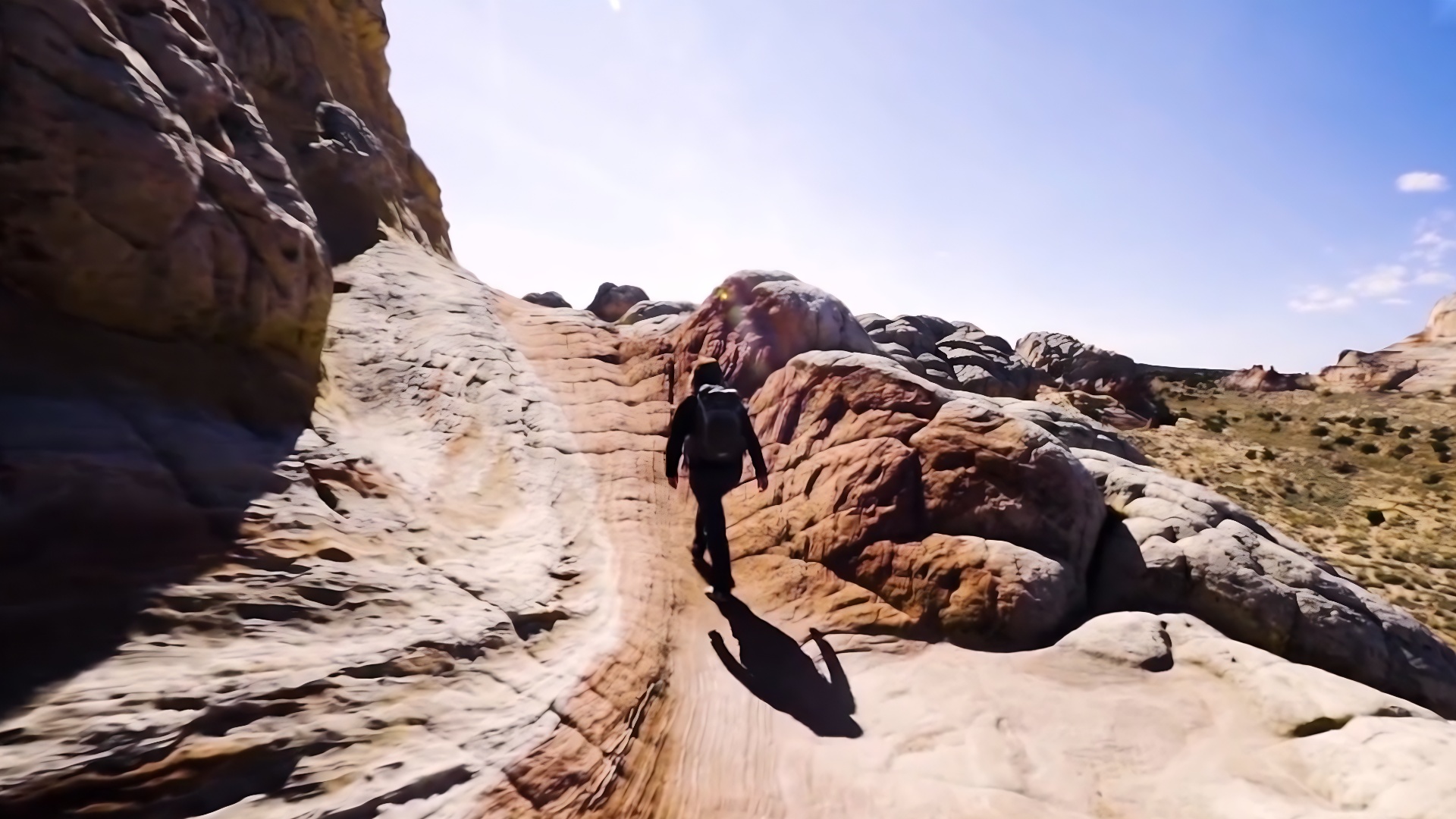
Beyond famous landmarks lies lasting wilderness. Vermilion Cliffs celebrates the power of nature.
Vermilion Cliffs National Monument is defined not by one iconic location, but by its immense protected landscape. Its ancient geology and remote beauty continue to inspire exploration and conservation.