Farming Hope, using food and training to empower the homeless
June 27, 2026
Farming Hope in San Francisco helps people experiencing homelessness through urban farming, culinary training, and community meals, providing skills, confidence, and connection for long-term opportunity.
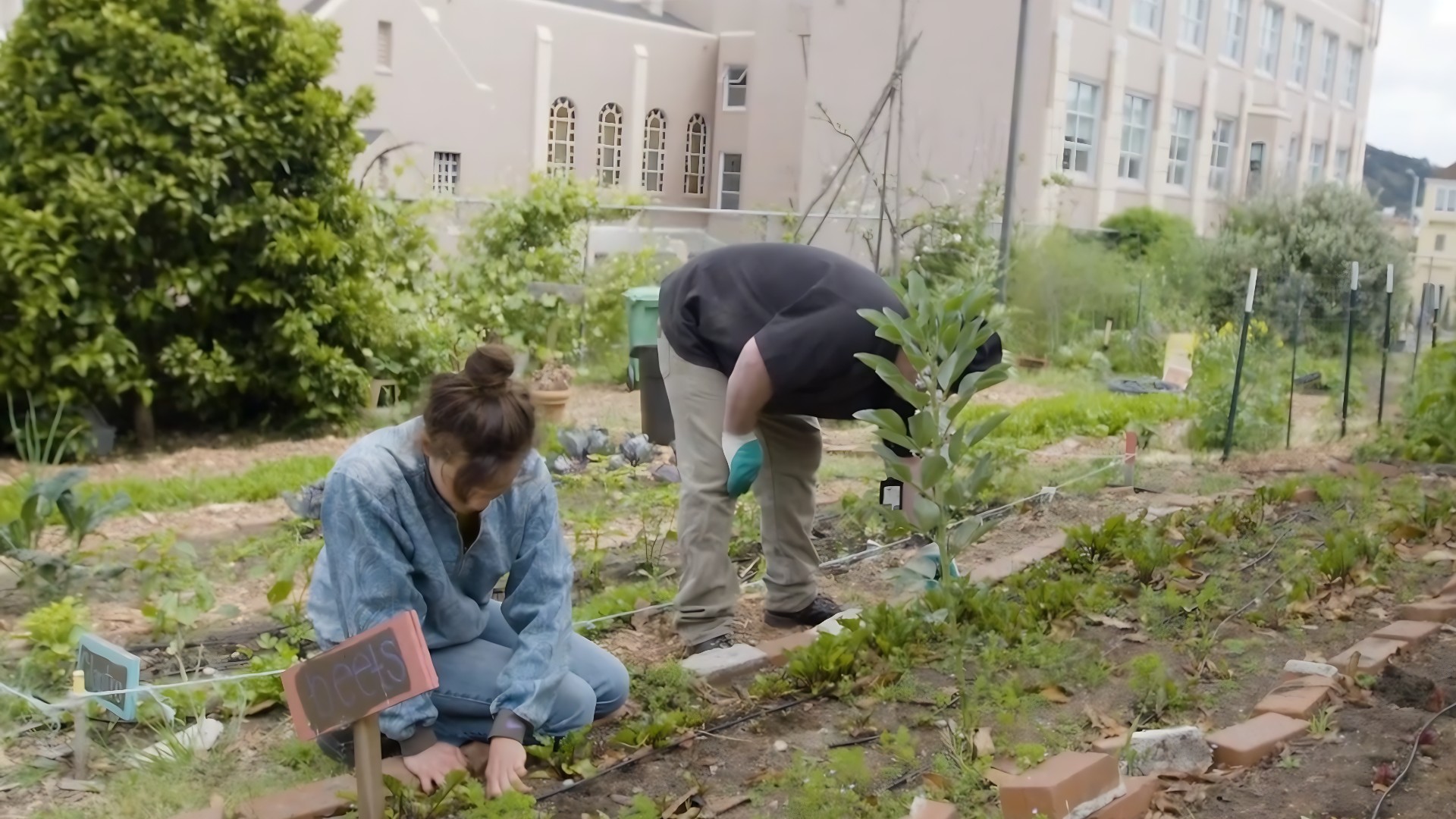
Farming Hope tackles homelessness through food. The program focuses on skills and opportunity.
Based in San Francisco, Farming Hope combines urban agriculture, culinary training, and community engagement to help people experiencing homelessness build pathways toward employment.
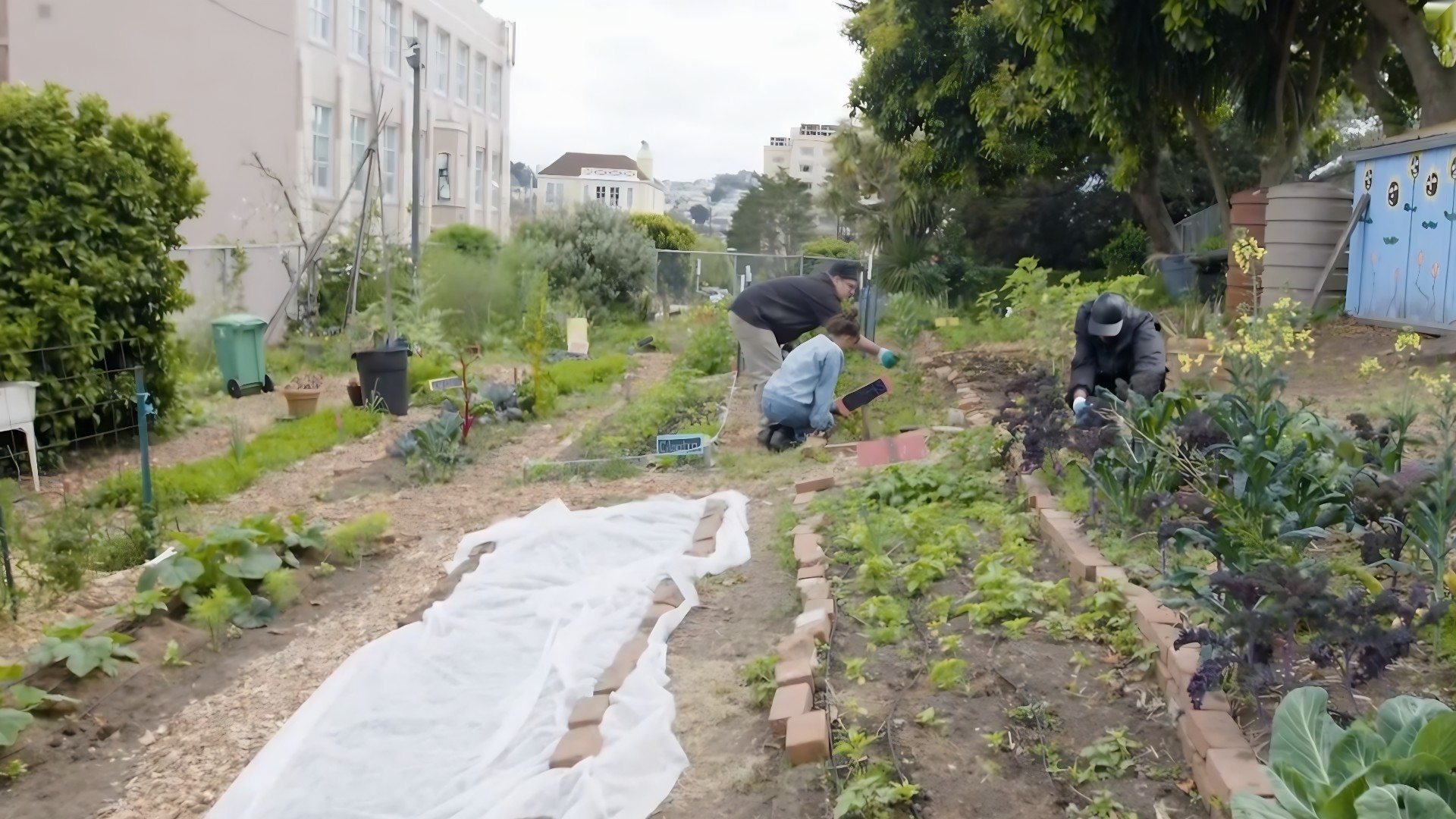
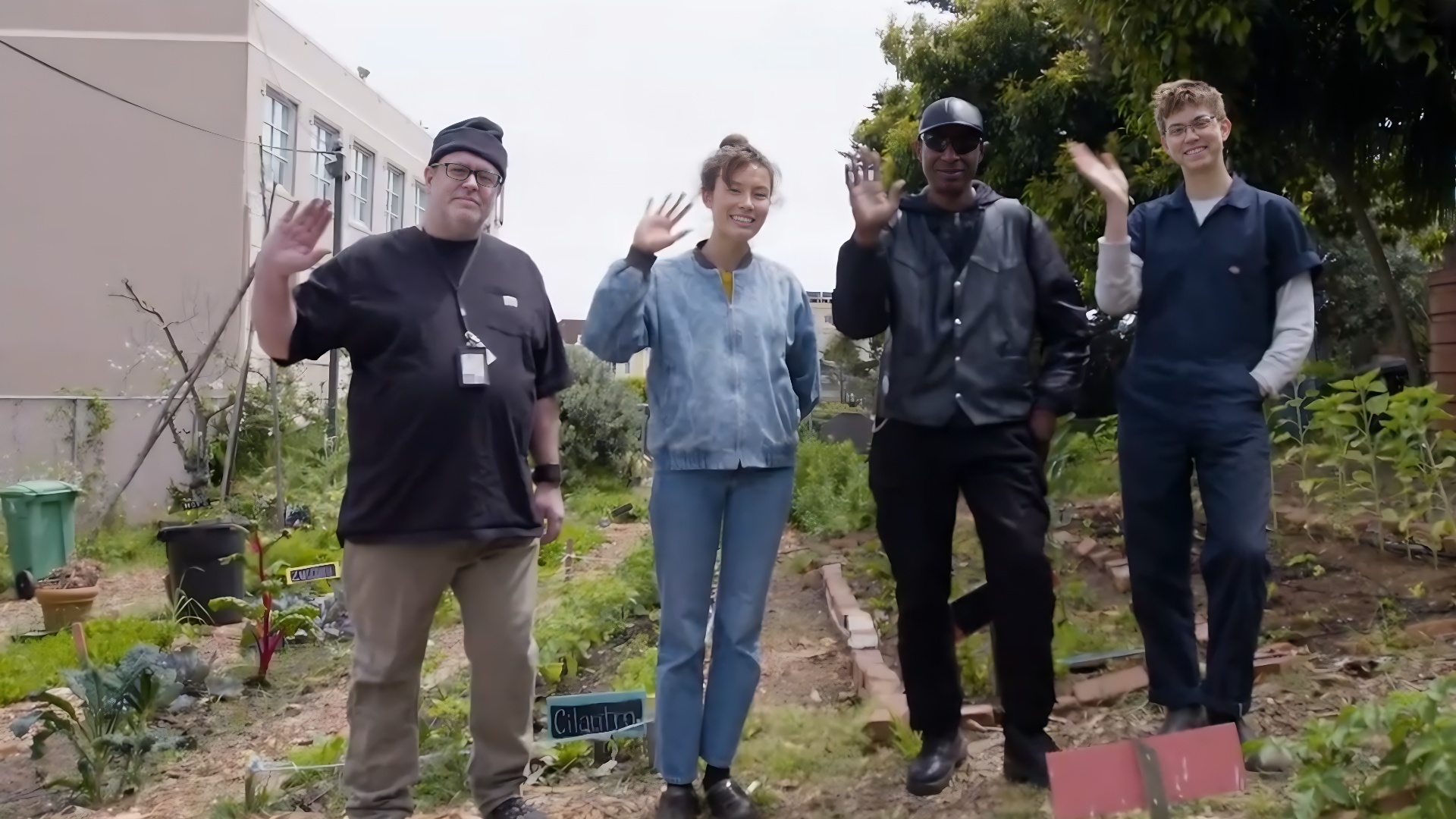
The mission starts in the garden. Growing food becomes the first lesson.
Participants learn how to cultivate fresh produce through hands-on farming experiences, gaining practical knowledge while working as part of a supportive community.
The goal extends beyond harvesting crops. Training prepares participants for the future.
Farming Hope was designed to connect food production with workforce development, creating opportunities for individuals seeking stability and new career paths.
Fresh ingredients move from farm to kitchen. A new stage of learning begins.
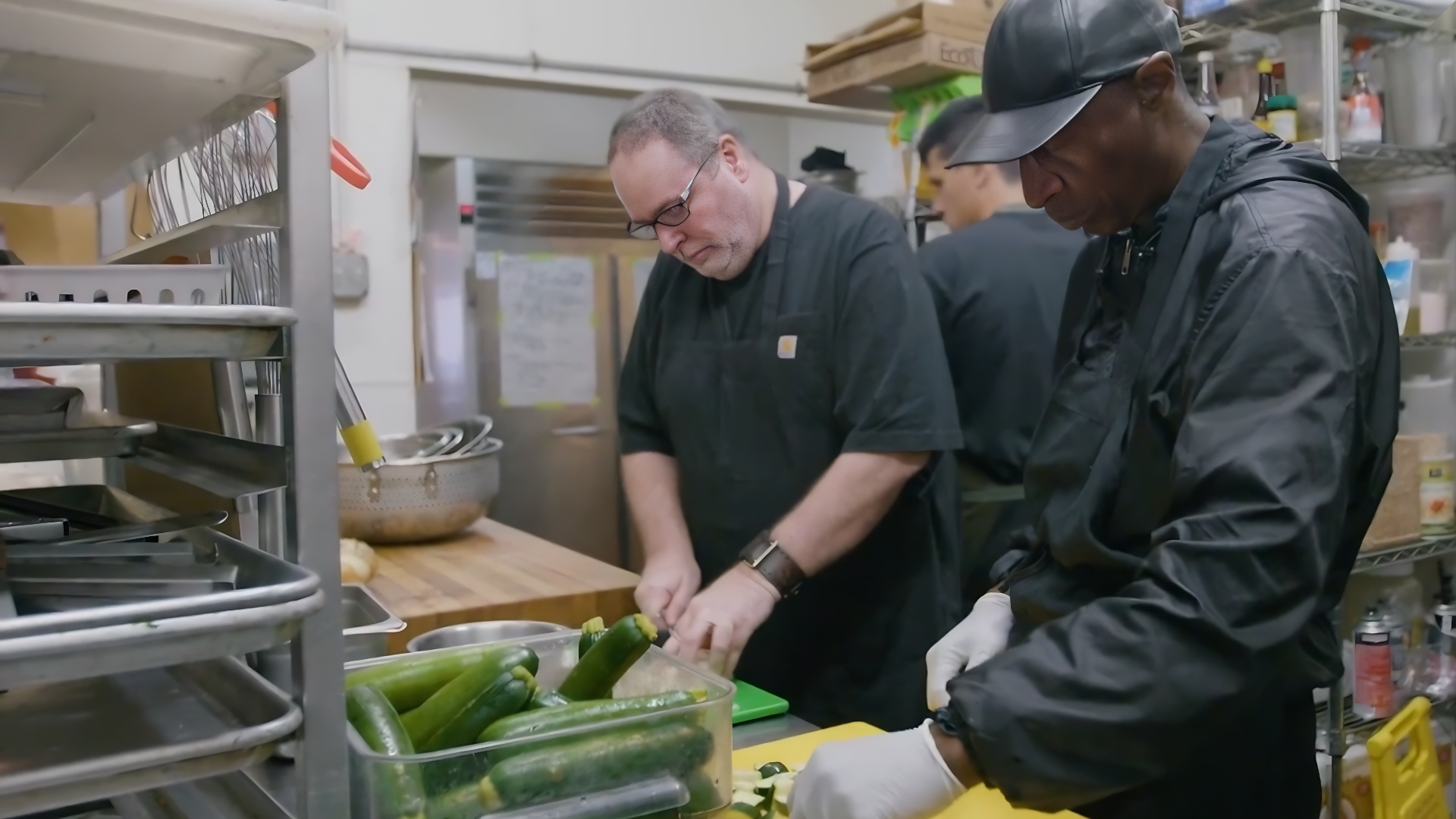
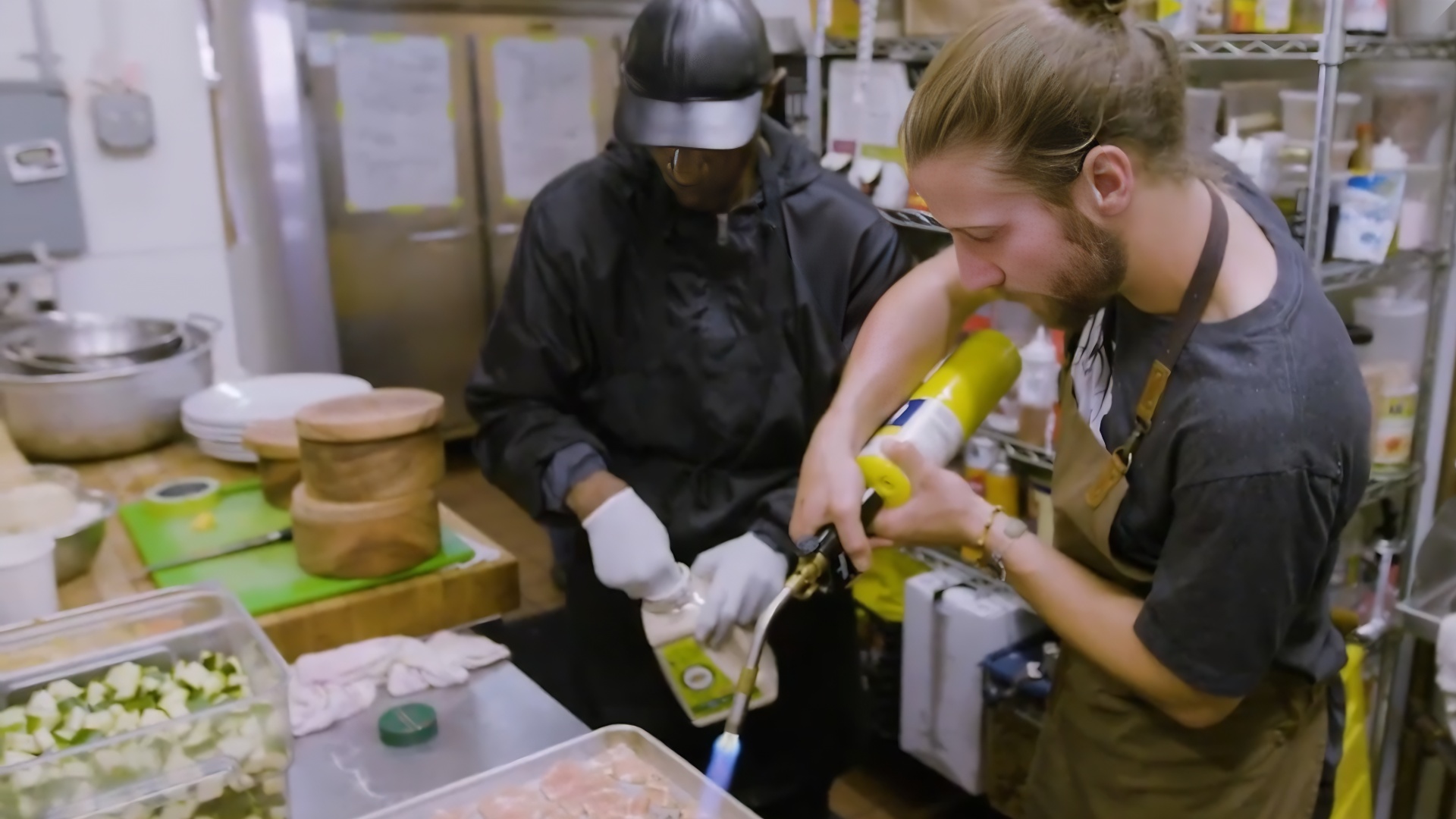
After harvesting produce, participants continue their training in culinary environments where they develop skills that can be applied in many workplaces.
Kitchen fundamentals are part of the curriculum. Confidence grows with experience.
Training includes knife skills, cleanliness, organization, and time management, providing practical abilities that support future employment opportunities.
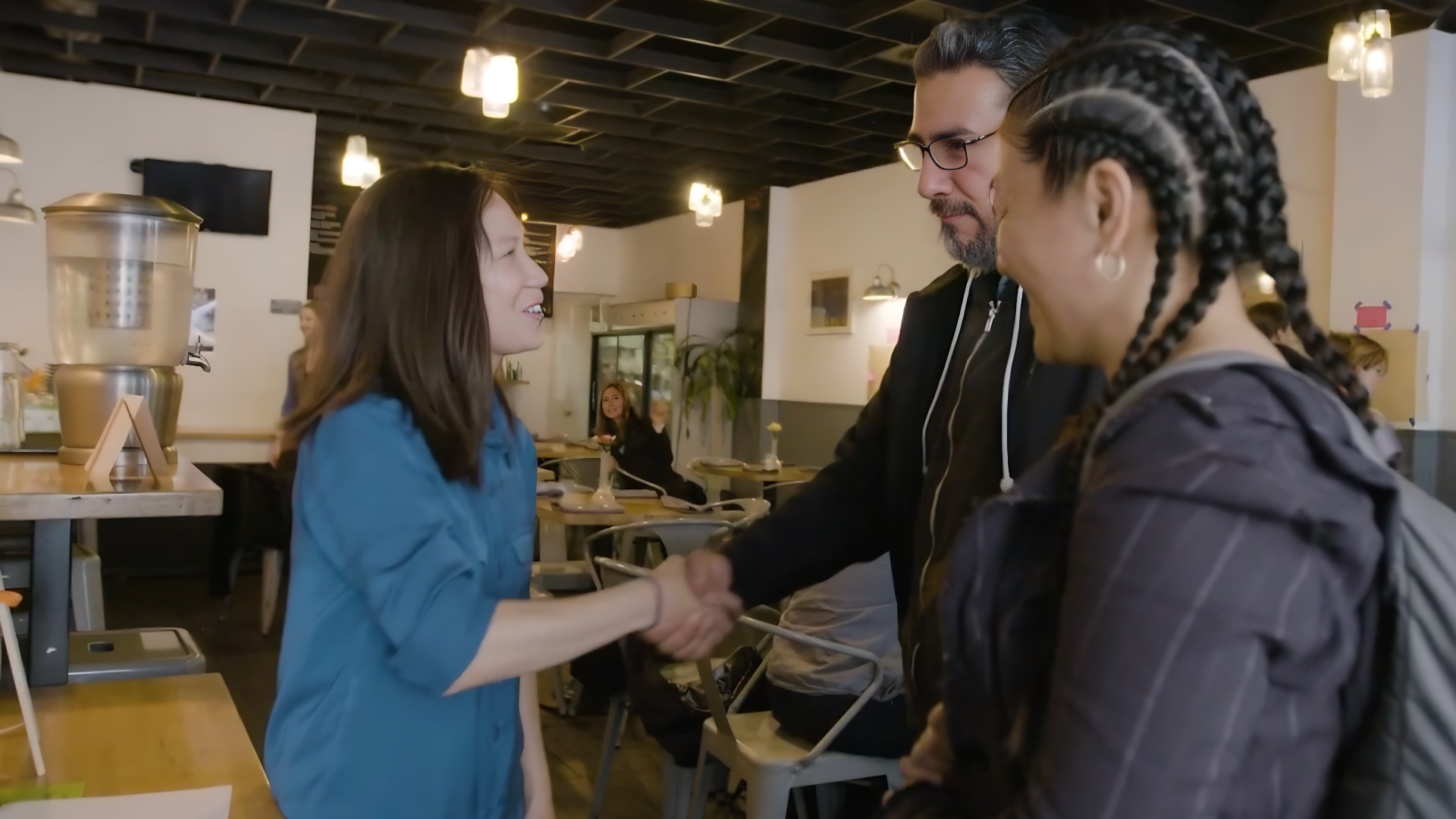
Every lesson serves a larger purpose. Skills become stepping stones.
The program emphasizes transferable workplace habits that can help participants pursue careers both inside and outside the food industry.

The week's work leads to a shared meal. The community gathers around the table.
Ingredients grown and prepared through the program are used in community dinners that welcome both homeless and non-homeless guests.
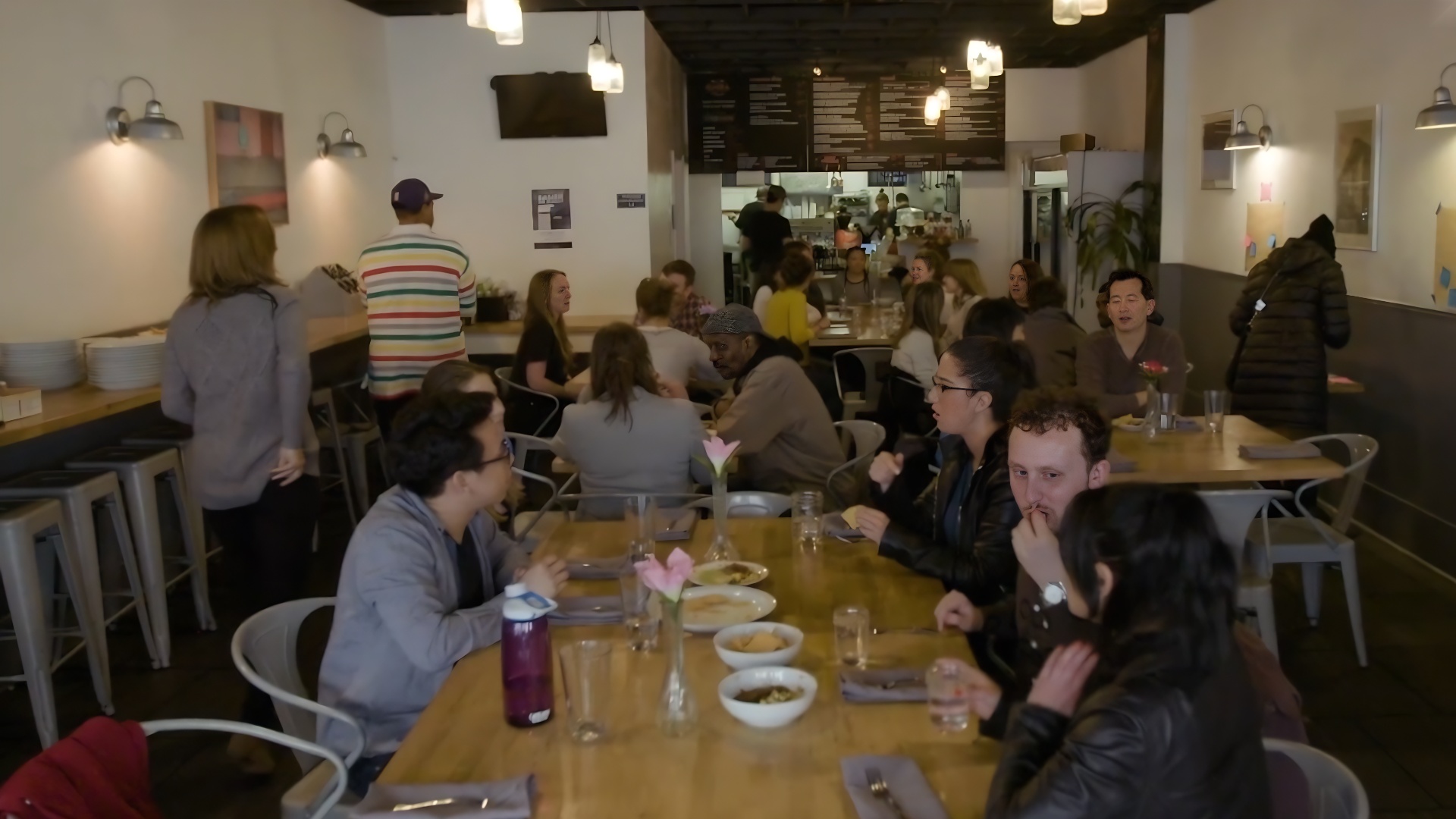
Food creates opportunities for connection. Different backgrounds meet as equals.
The meals encourage conversation and understanding, bringing together people who might not otherwise share the same space or experiences.
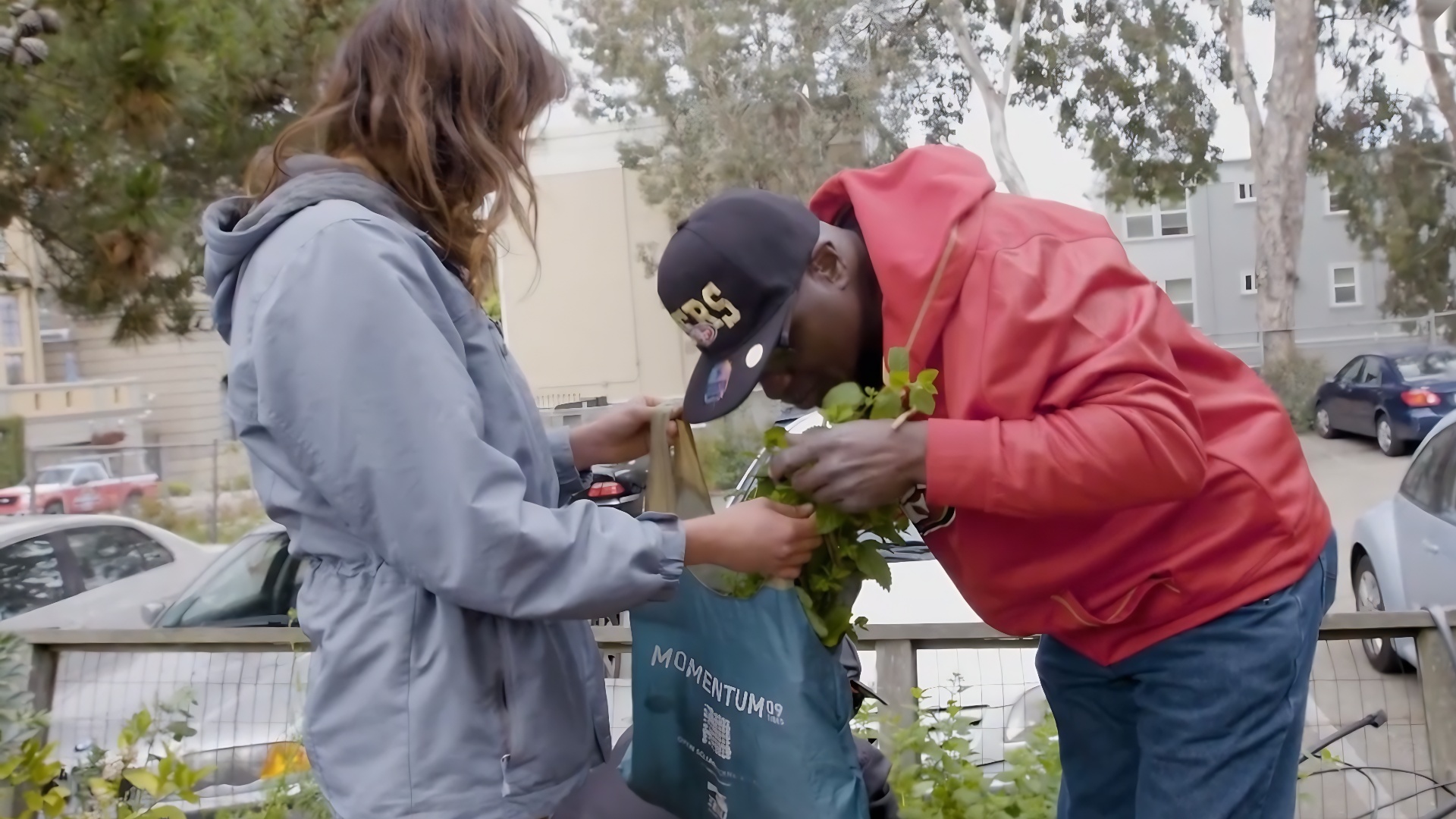
For participants, the impact can be personal. Support extends beyond job training.
Individuals like Philip found not only new skills but also a sense of purpose, belonging, and reflection during a difficult period of their lives.
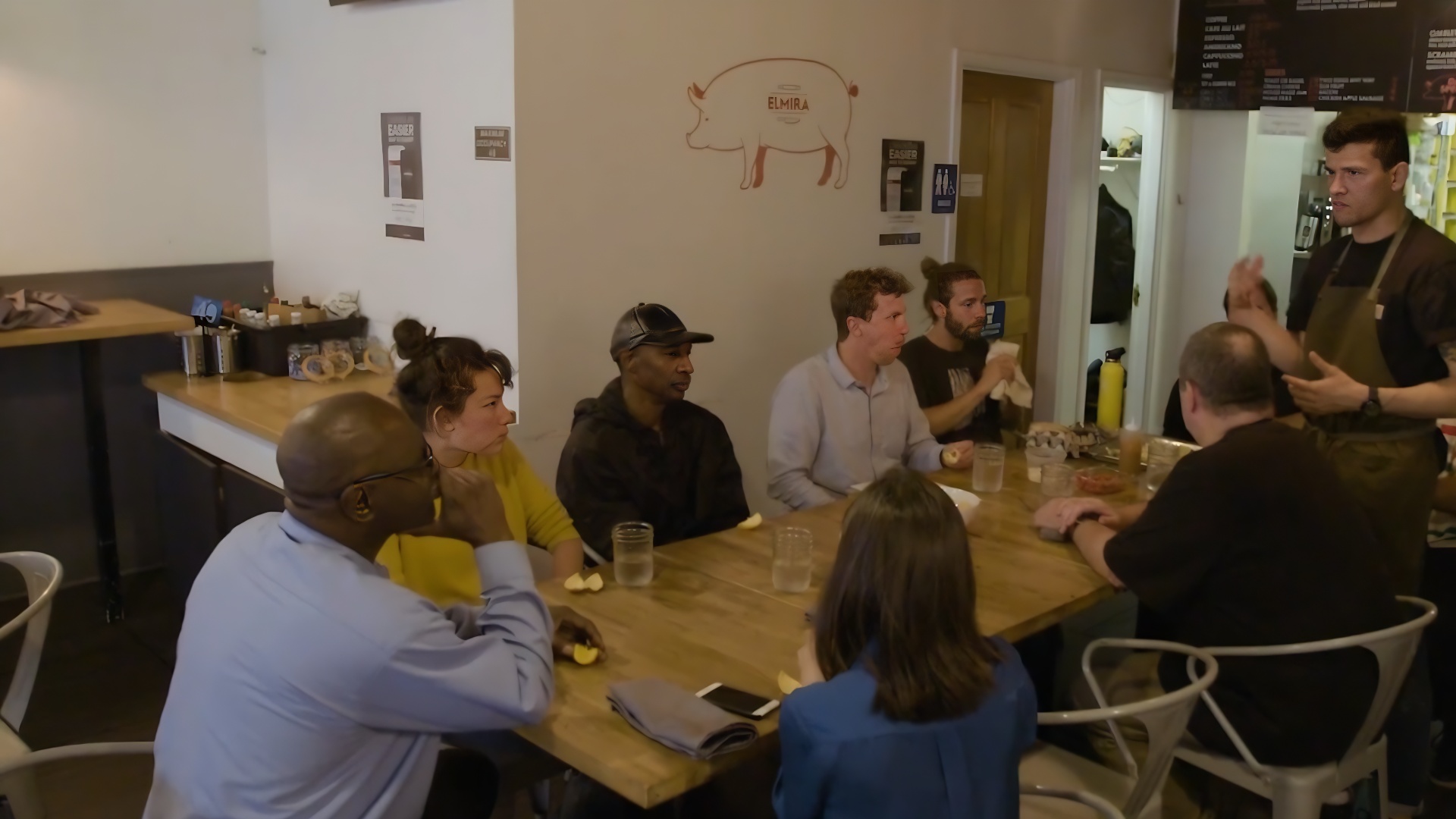
The program is about more than employment. Community remains at the center.
Farming Hope demonstrates that addressing homelessness involves more than housing and jobs. Building relationships and creating meaningful connections are also essential parts of the solution.