Freezing coral to save the future of earth’s reefs
August 14, 2026
Discover how scientists like Mary Hagedorn preserve coral genetics through cryopreservation to protect reef biodiversity and support future restoration efforts.
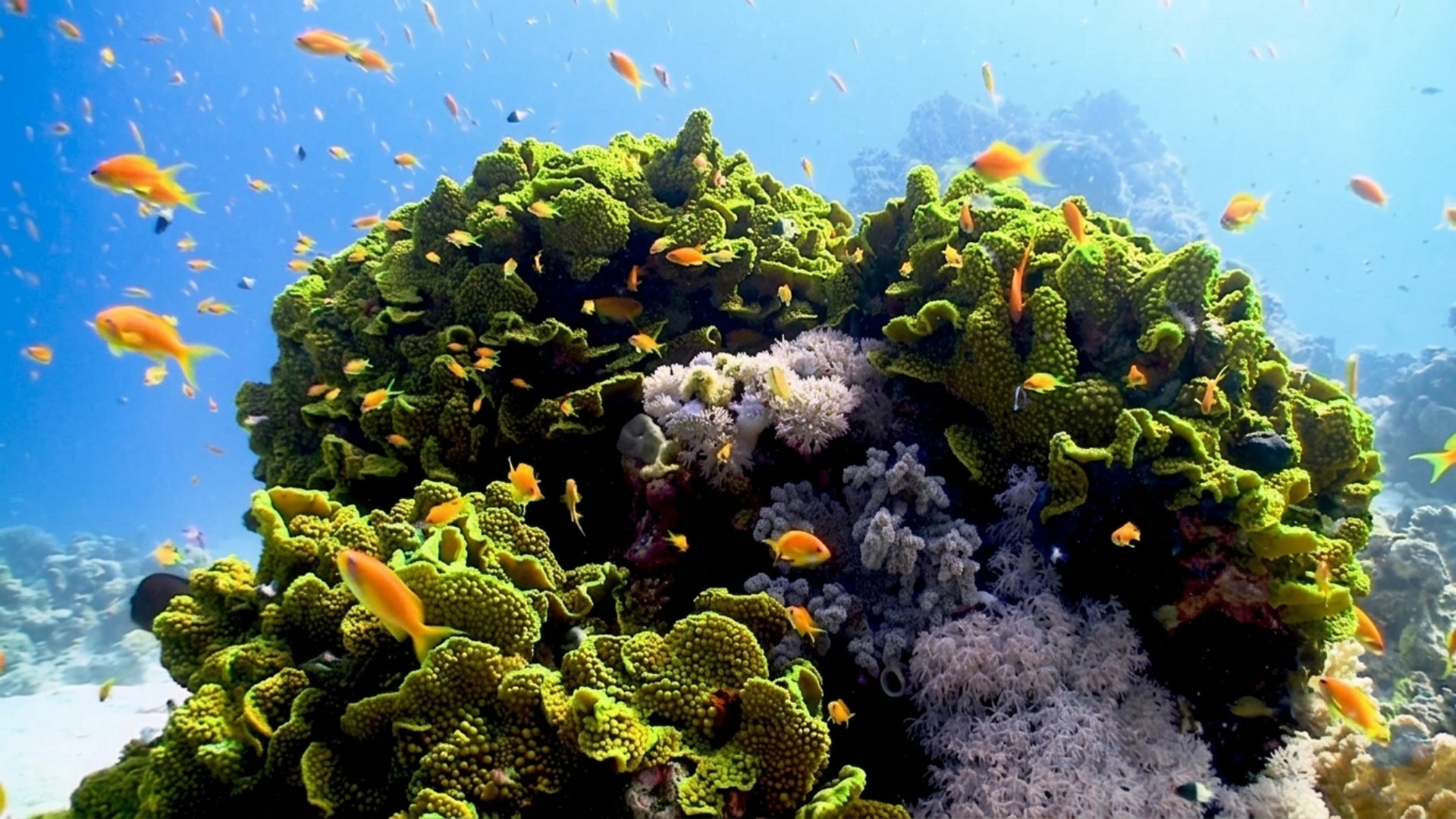
Coral reefs support vast marine ecosystems around the world.
Scientists warn many reefs are now under severe threat.

Researcher Mary Hagedorn is working to preserve coral for the future.
Her laboratory focuses on cryopreserving coral genetic material.
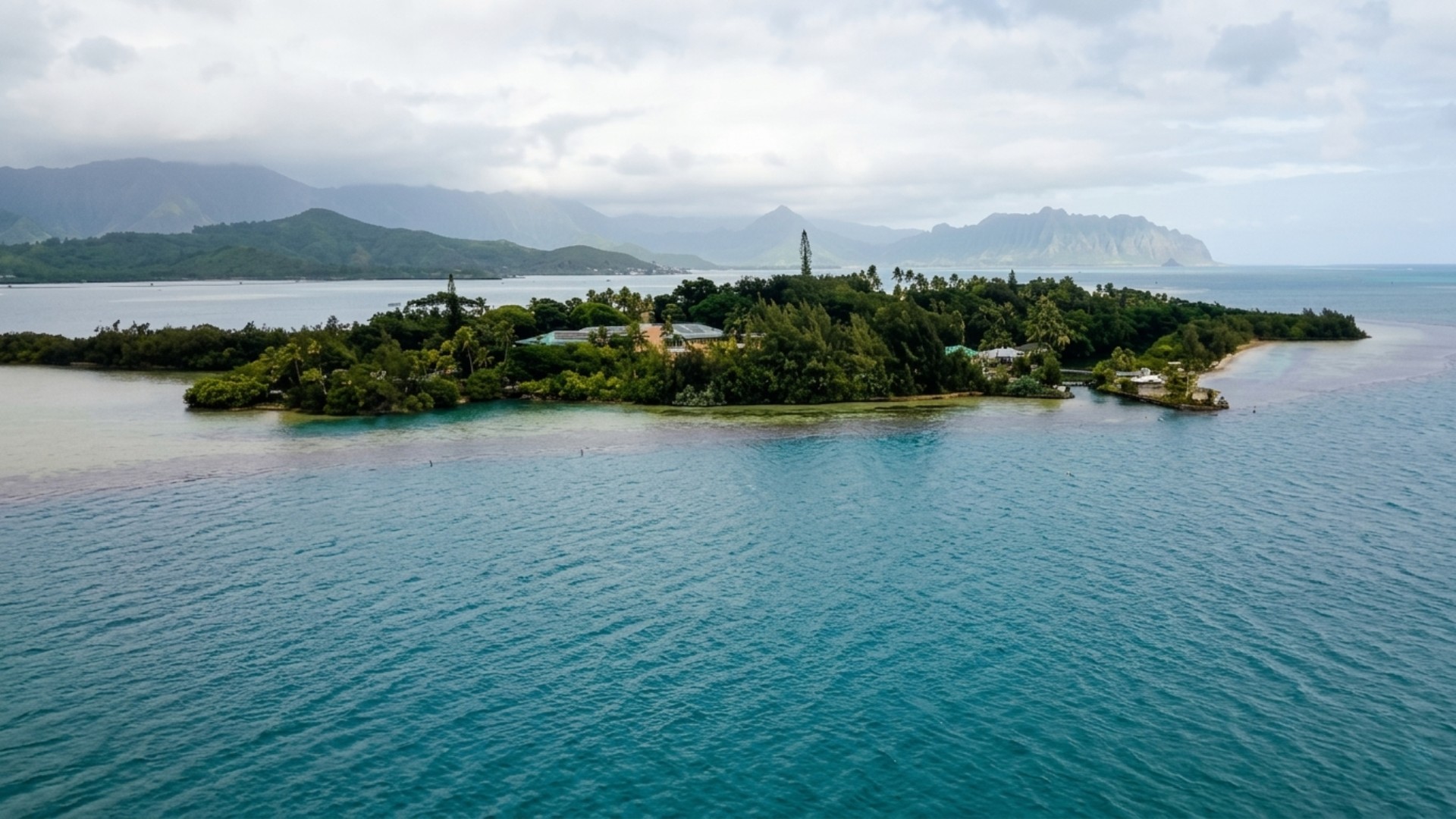
Inside facilities in Hawaii, scientists freeze coral sperm and embryos.
The goal is long-term reef restoration and conservation.
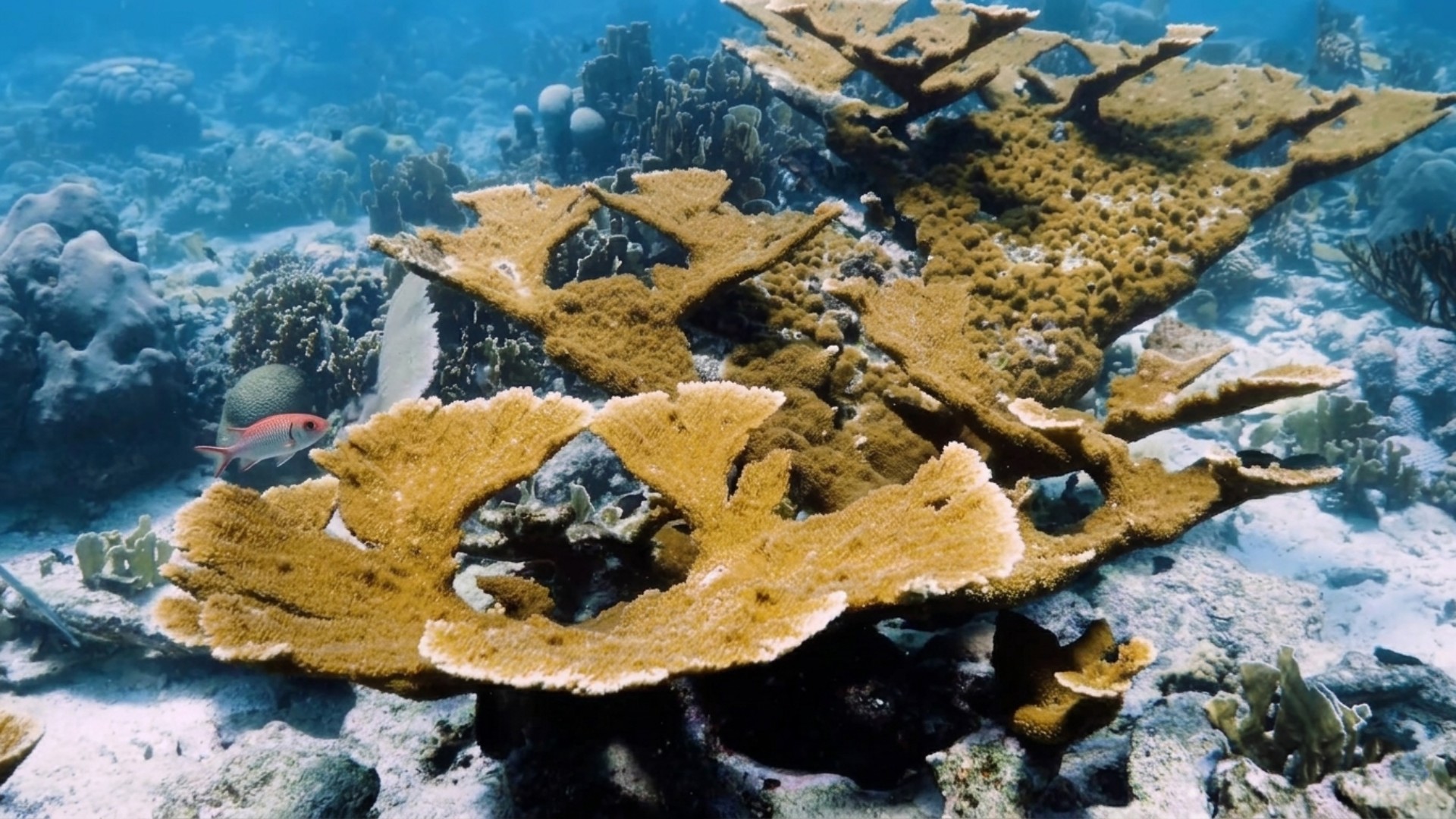
Rising ocean temperatures are driving widespread coral bleaching events.
Even small temperature changes can place reefs under extreme stress.
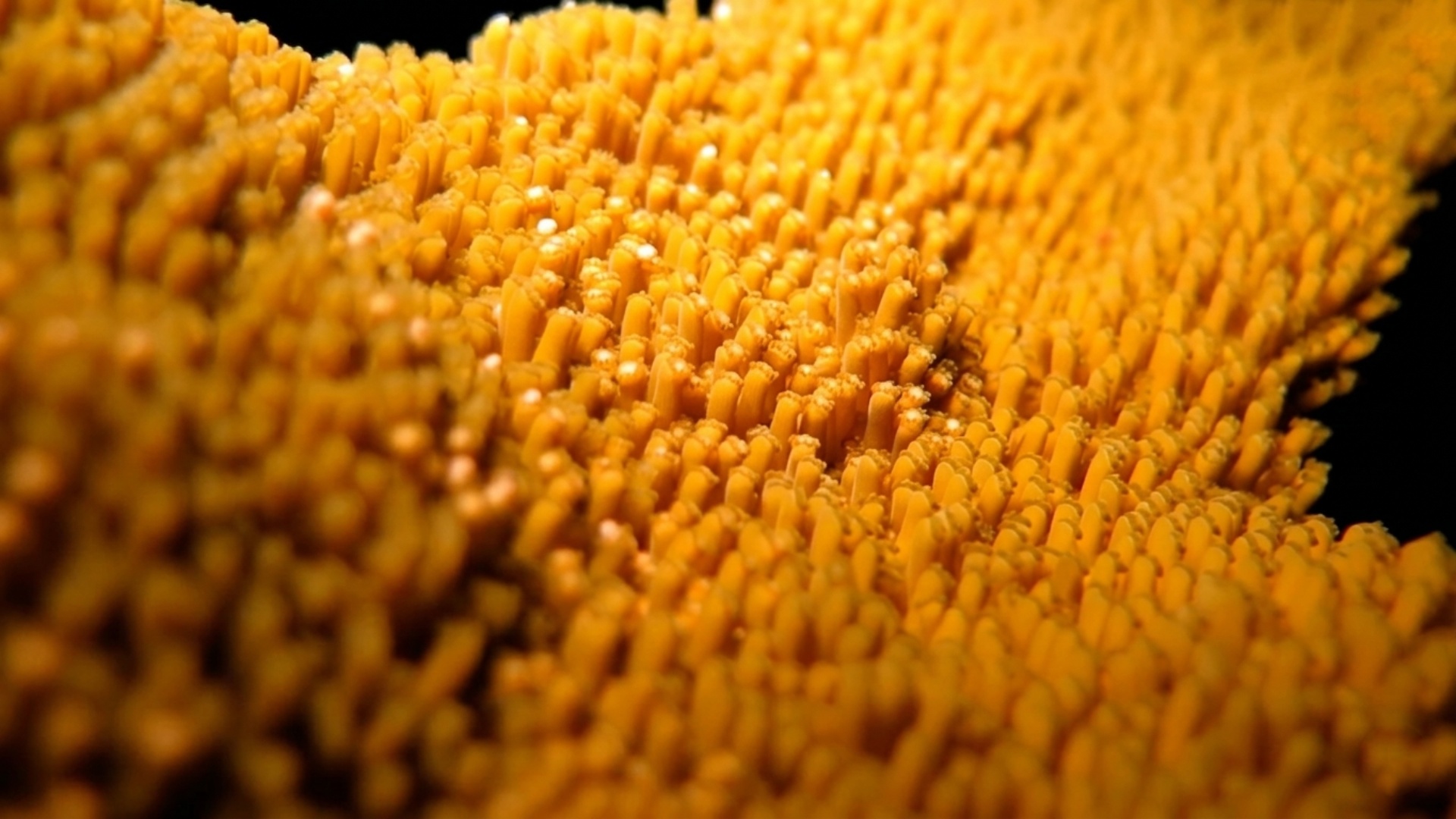
Bleaching weakens coral and can disrupt reproduction cycles.
Repeated stress events may prevent reefs from recovering naturally.
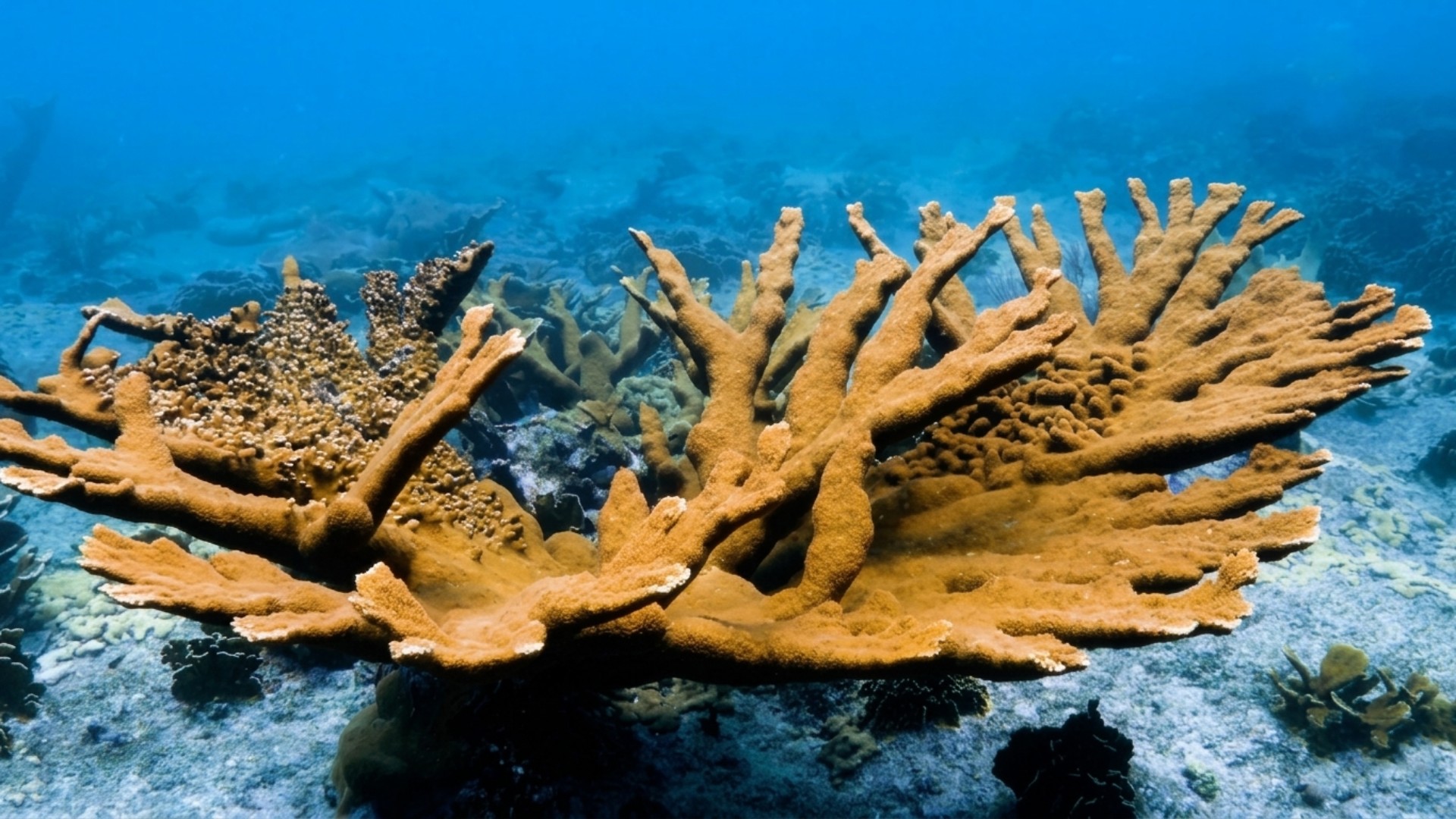
Collecting coral reproductive material is incredibly difficult.
Some species spawn for less than an hour each year.
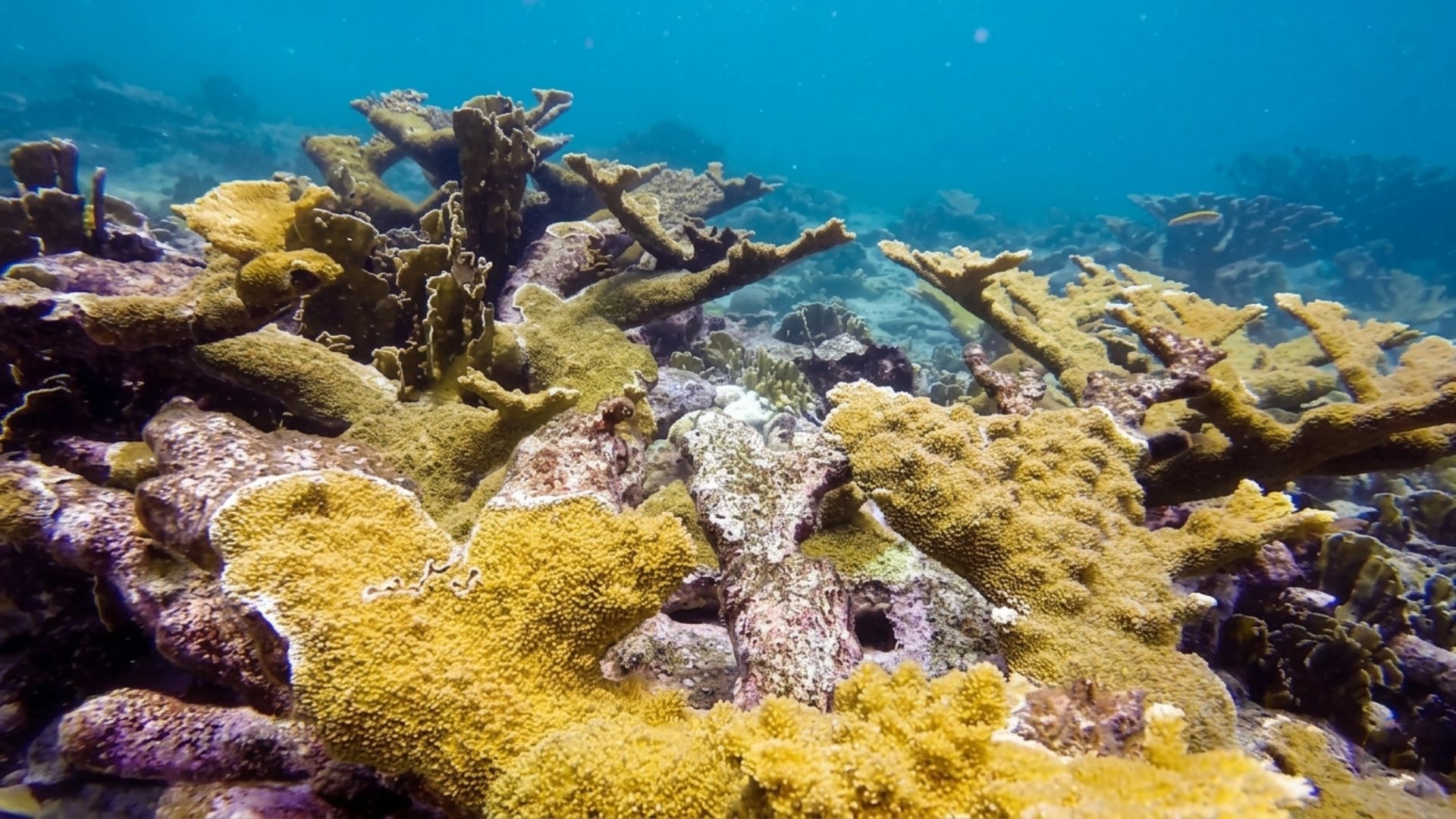
When spawning begins, scientists move quickly underwater.
The brief event becomes a race against time.
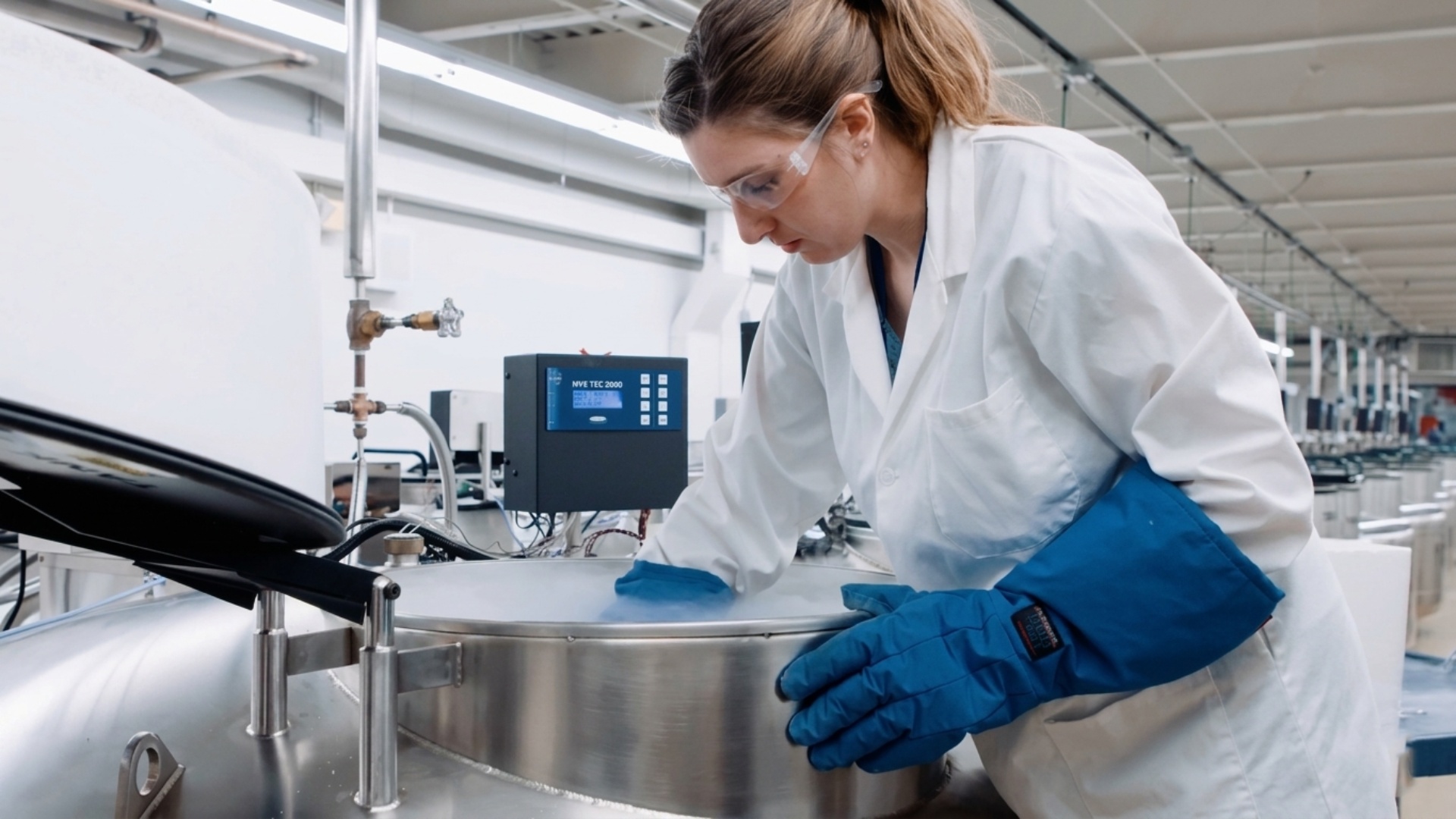
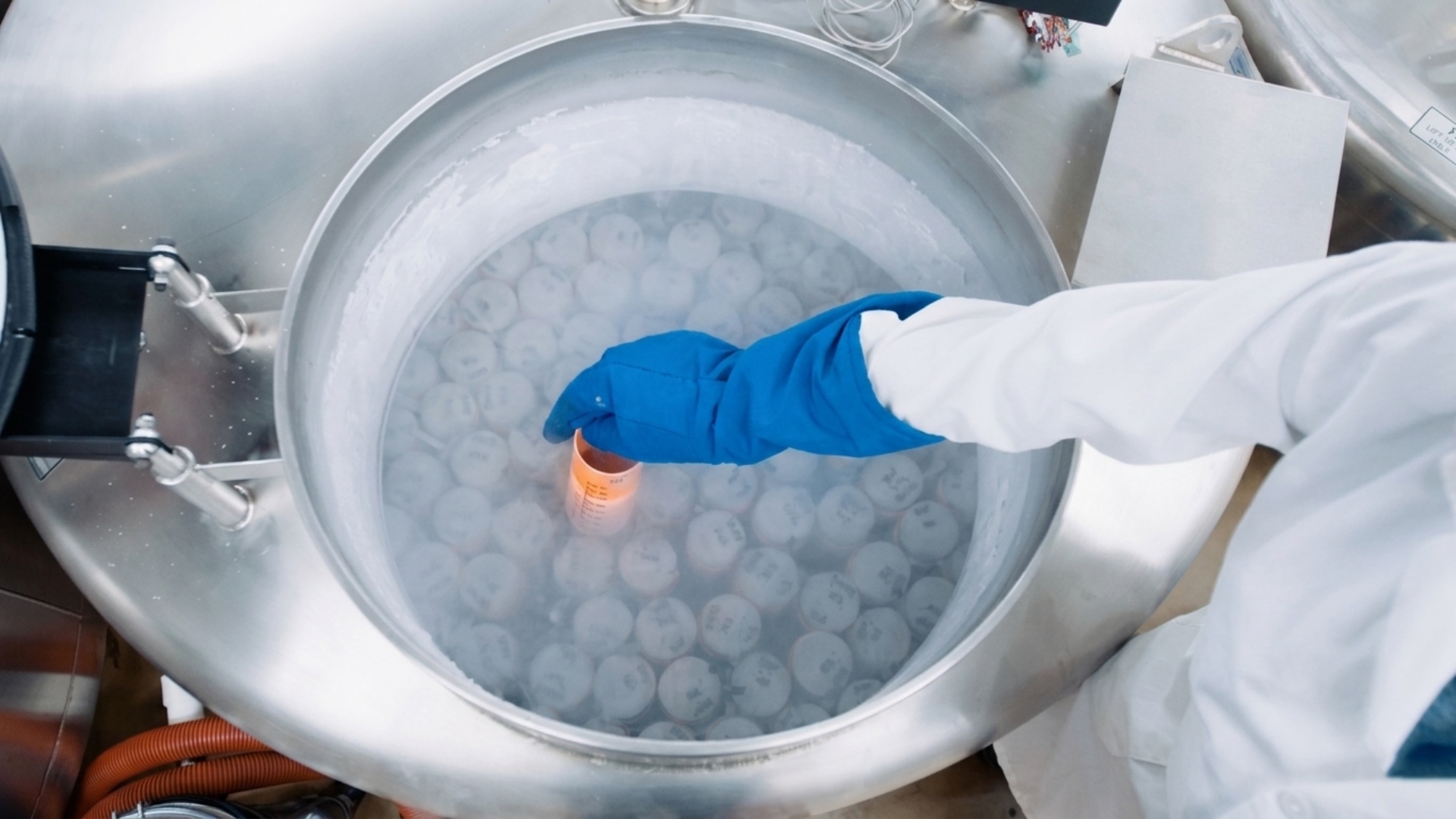
Frozen samples are stored in highly protected biological vaults.
The archives are designed to preserve coral diversity for decades.
Researchers have already used frozen coral material successfully in restoration work.
New coral generations are now growing in Florida.
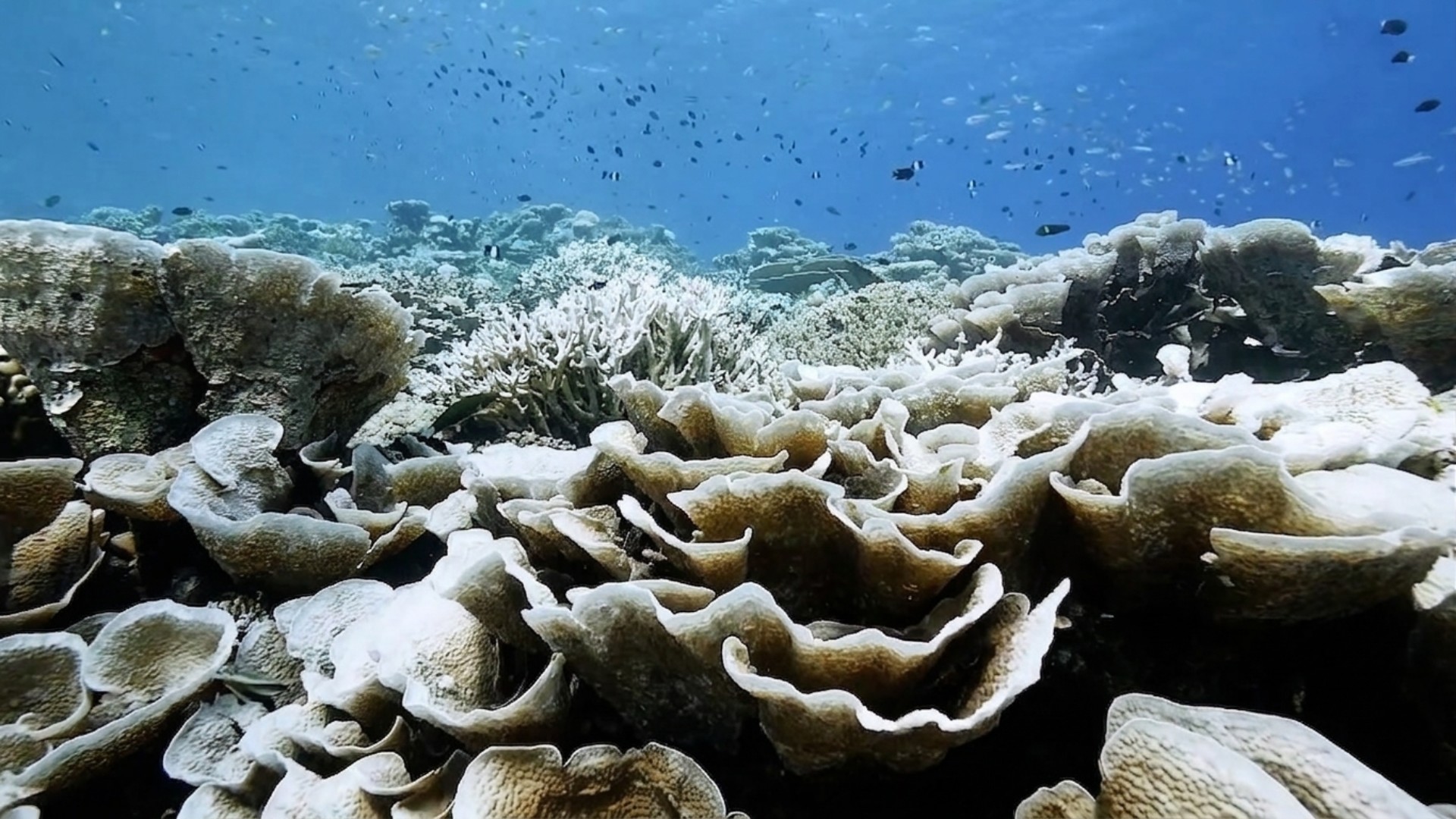
Mary believes preserving coral genetics may help protect future reefs.
The work aims to save one of Earth’s most important ecosystems.