GPS-tracked fake eggs help protect endangered sea turtles
July 21, 2026
Researchers use realistic decoy sea turtle eggs equipped with GPS trackers to uncover illegal poaching networks in Central America. Led by Kim Williams-Guillen and aided by prosthetic experts, the project combines technology and conservation to protect endangered turtles.
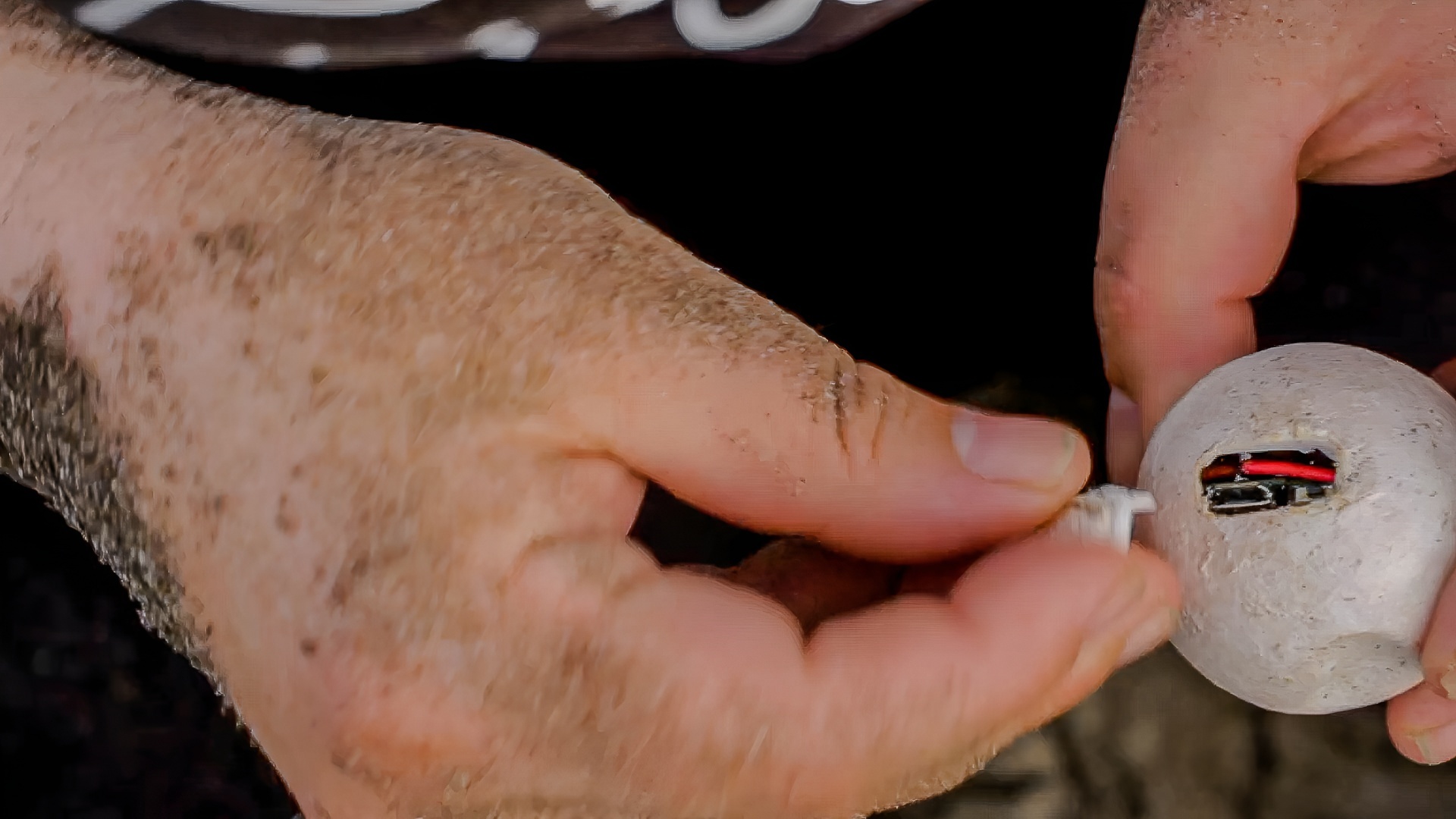
Fake Turtle Eggs With a Real Mission
Researchers are using realistic decoy sea turtle eggs fitted with GPS trackers to help uncover illegal poaching networks in Central America.
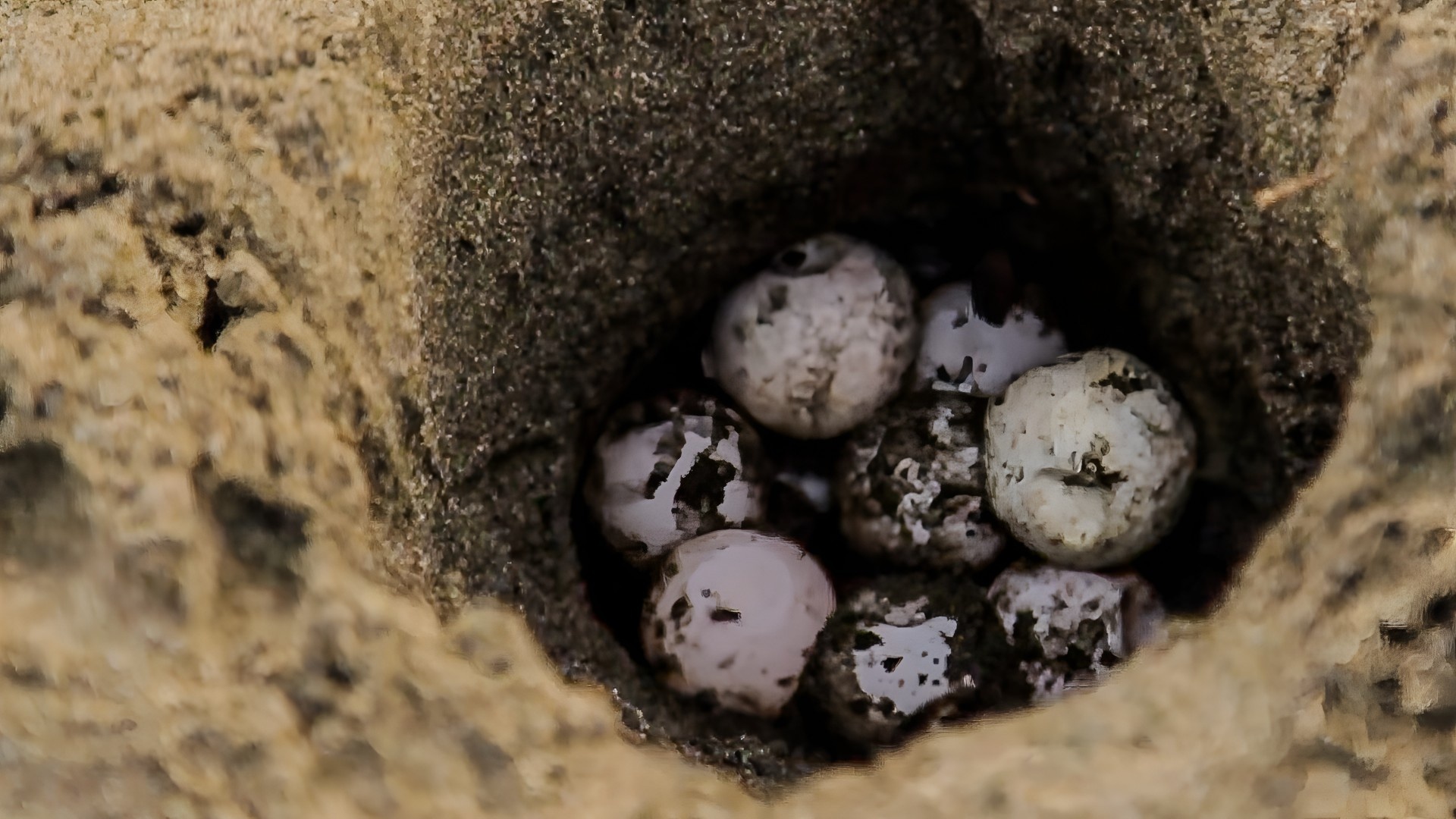
Protecting Endangered Sea Turtles
Sea turtle egg poaching remains a major threat in parts of Central America, where nests are often targeted for illegal collection and sale.

A Conservation Idea From Michigan
Conservation ecologist Kim Williams-Guillen and her team developed the tracking project to better understand where stolen eggs go after being taken from beaches.
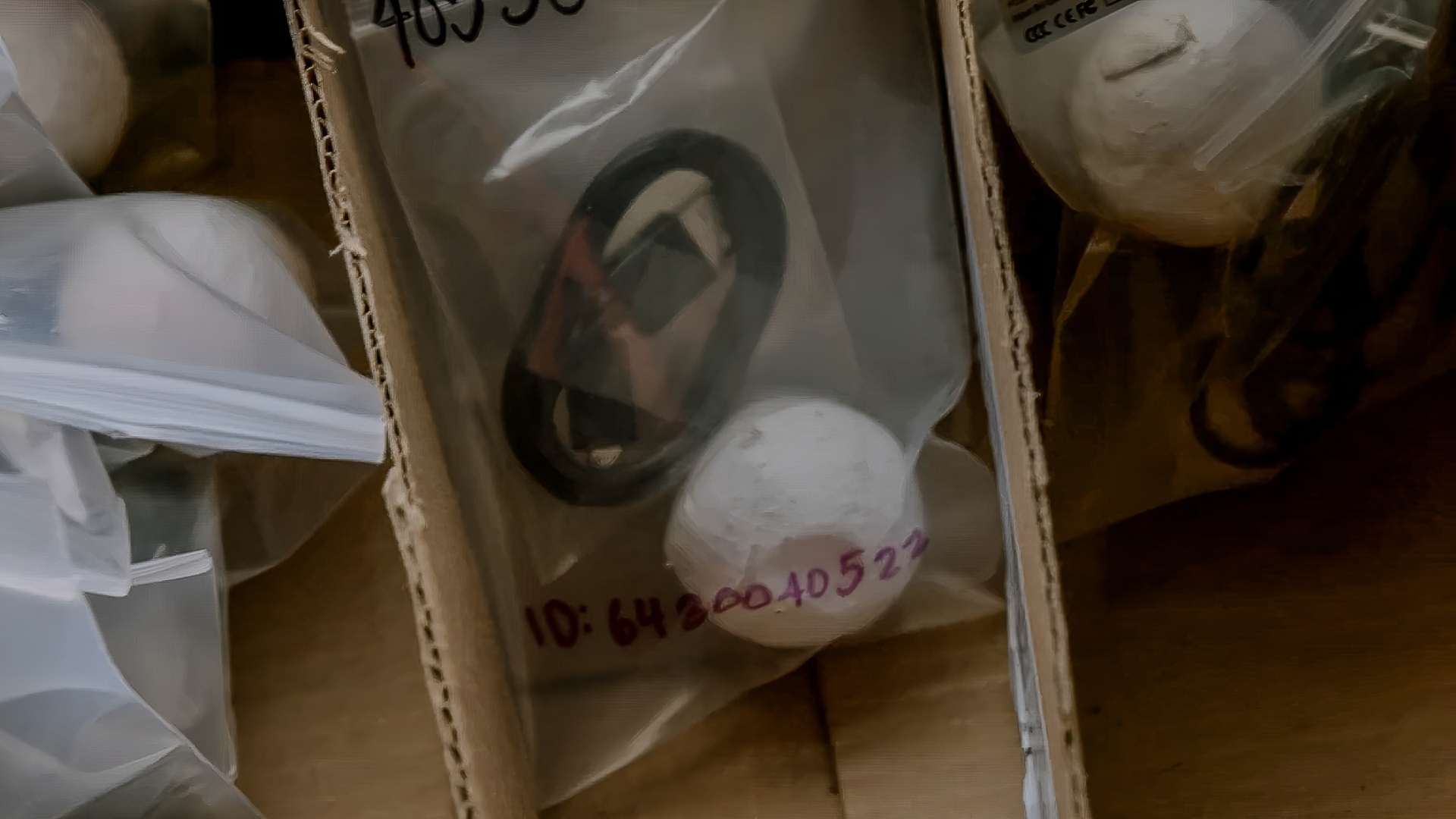
Technology Hidden Inside the Nest
The fake eggs are designed to blend into real sea turtle nests. Once removed by poachers, the GPS devices can transmit location data to researchers.
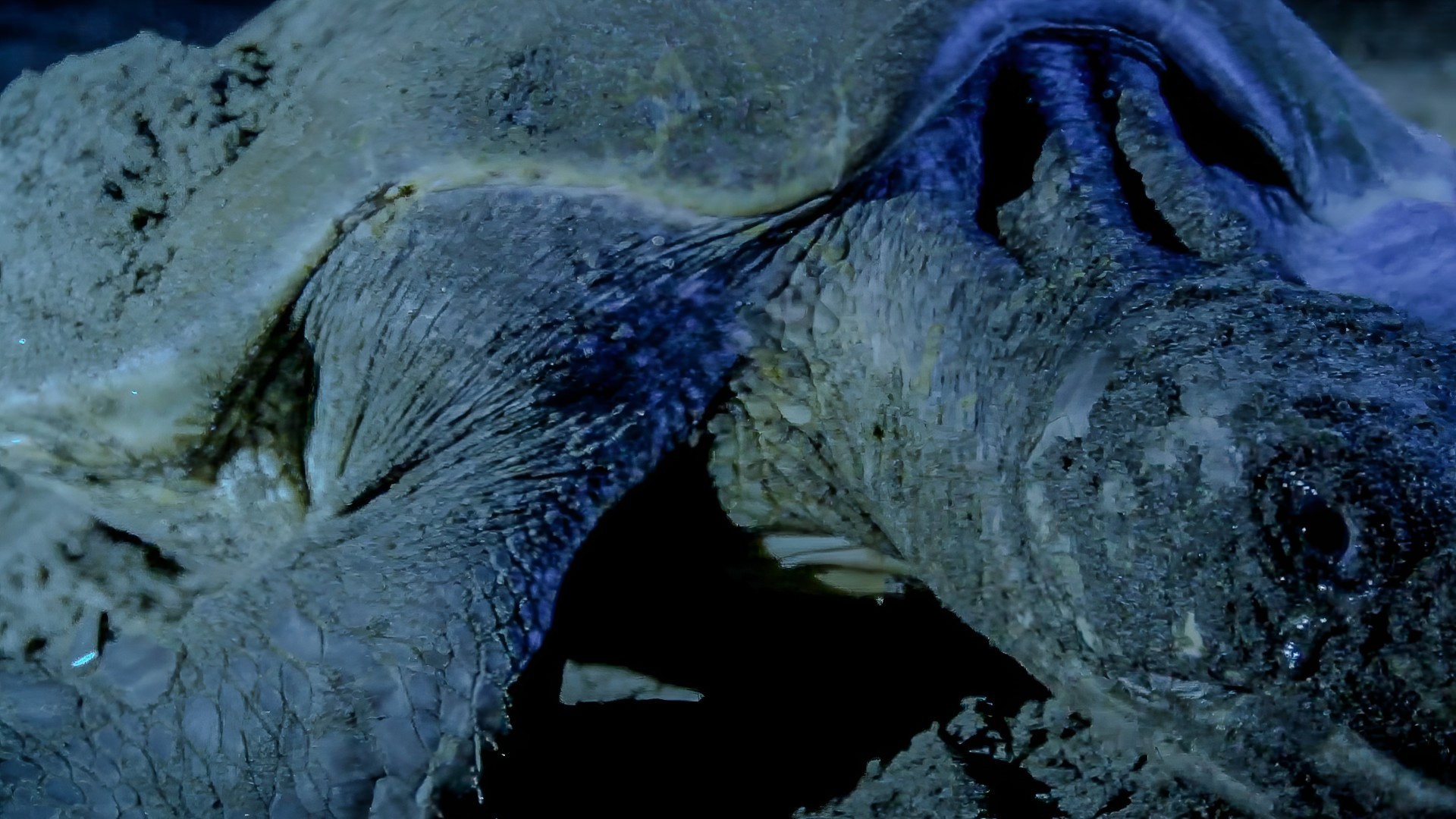
Why Realism Matters
Sea turtle eggs have a soft, flexible texture that is difficult to copy. The decoys needed to look and feel convincing enough to avoid detection.
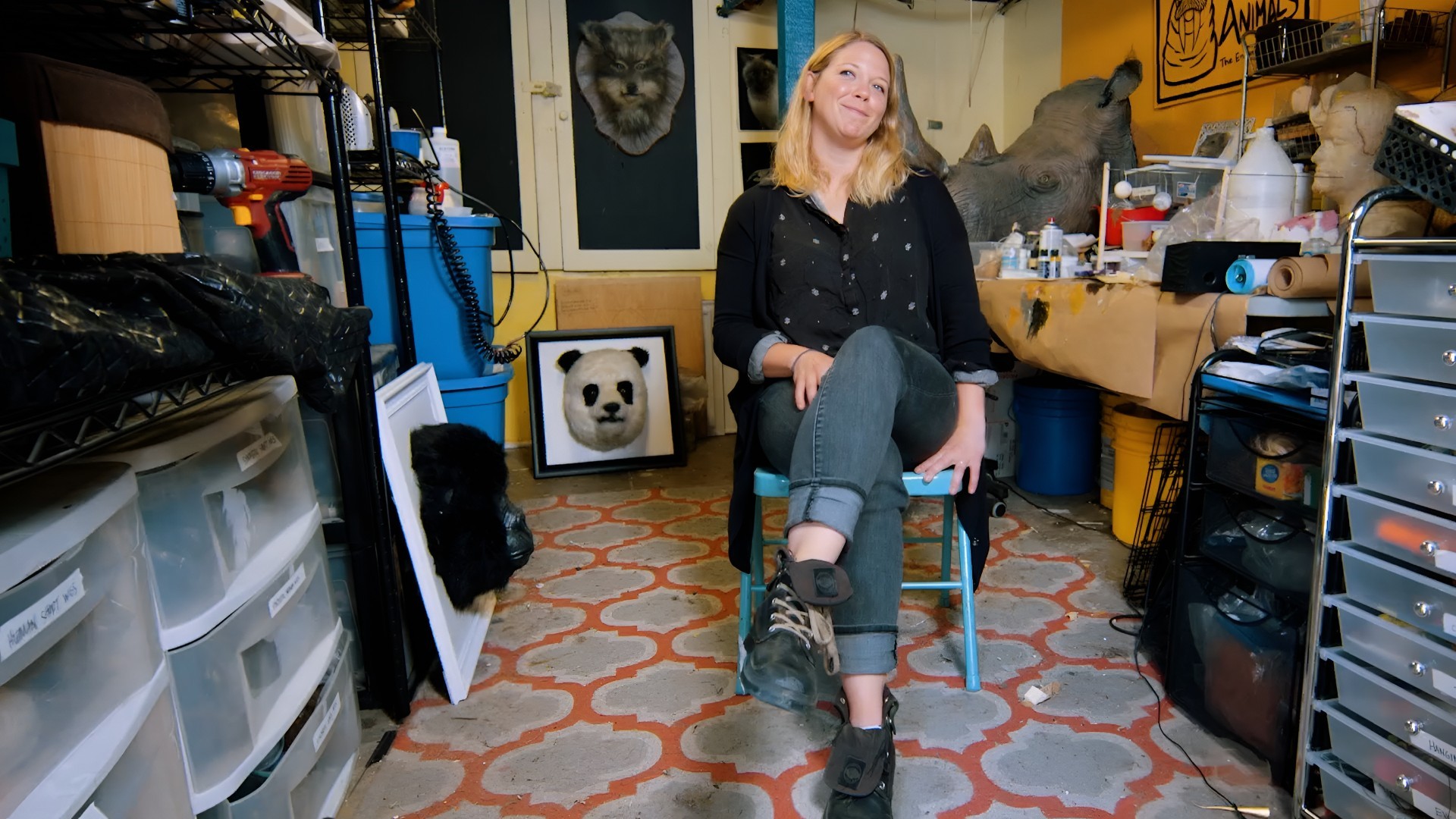
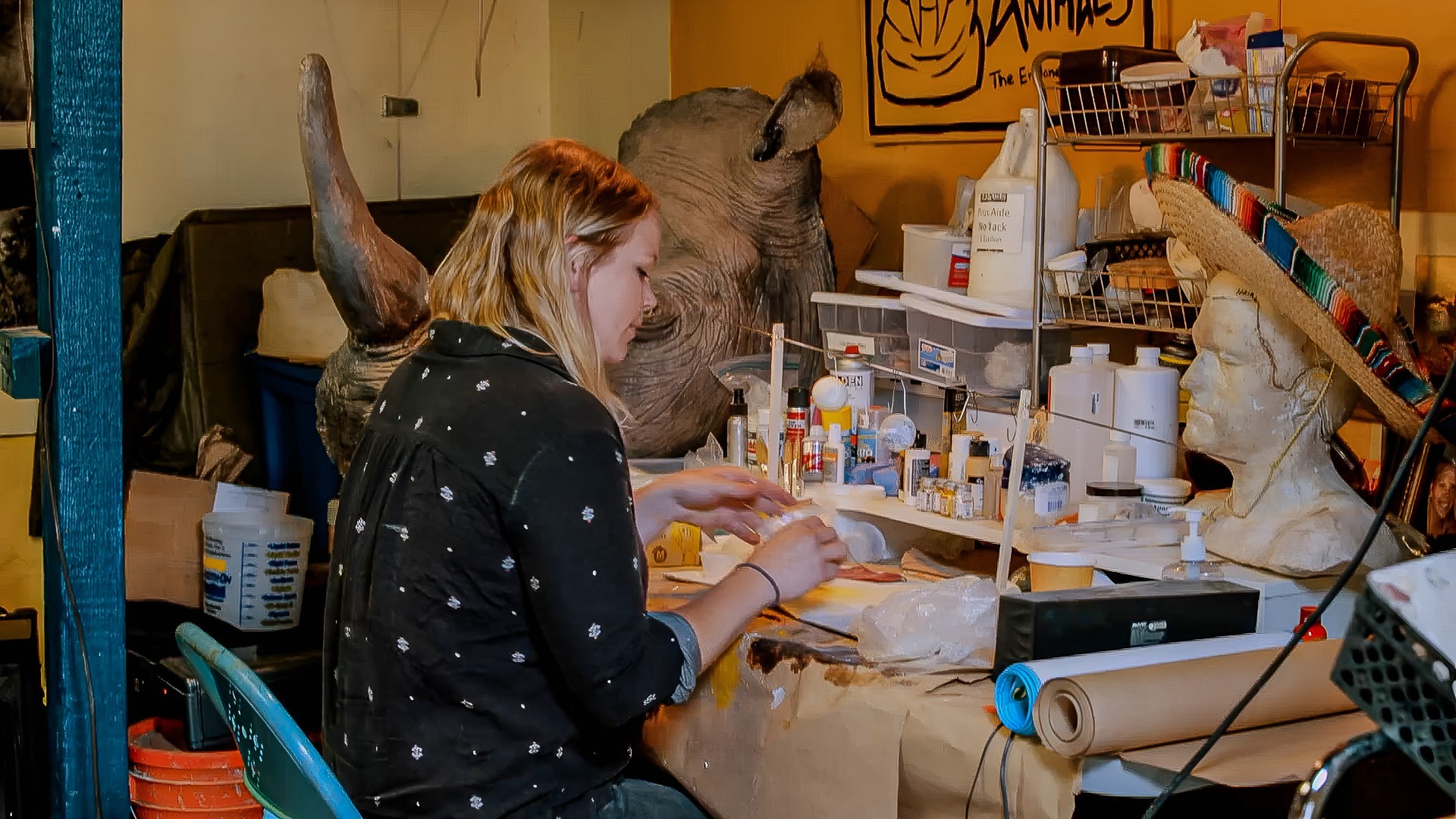
Hollywood Skills Meet Wildlife Science
Special effects makeup artist Lauren used her experience creating prosthetics and film materials to help make the artificial eggs more realistic.
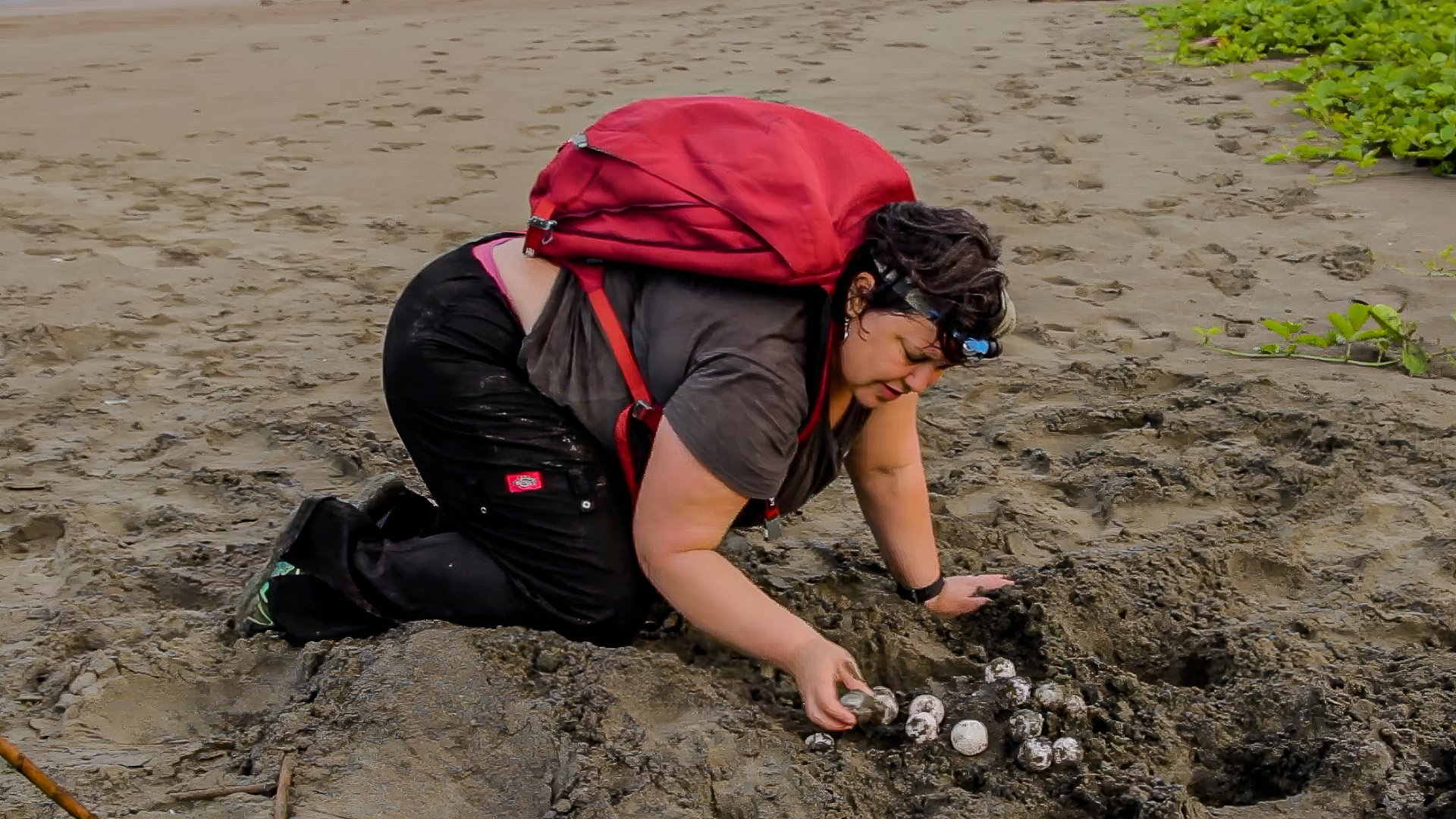
Testing the Eggs in Costa Rica
After months of development, the team traveled to a protected nesting area in Costa Rica to place the decoy eggs into active sea turtle nests.
Tracking the Poaching Trade
Researchers hope the devices will reveal how poached eggs move through illegal networks, providing information that could support conservation efforts.

Turning Attention Toward Conservation
The unusual project has helped spark public interest in wildlife protection by combining science, technology, and creative problem-solving.
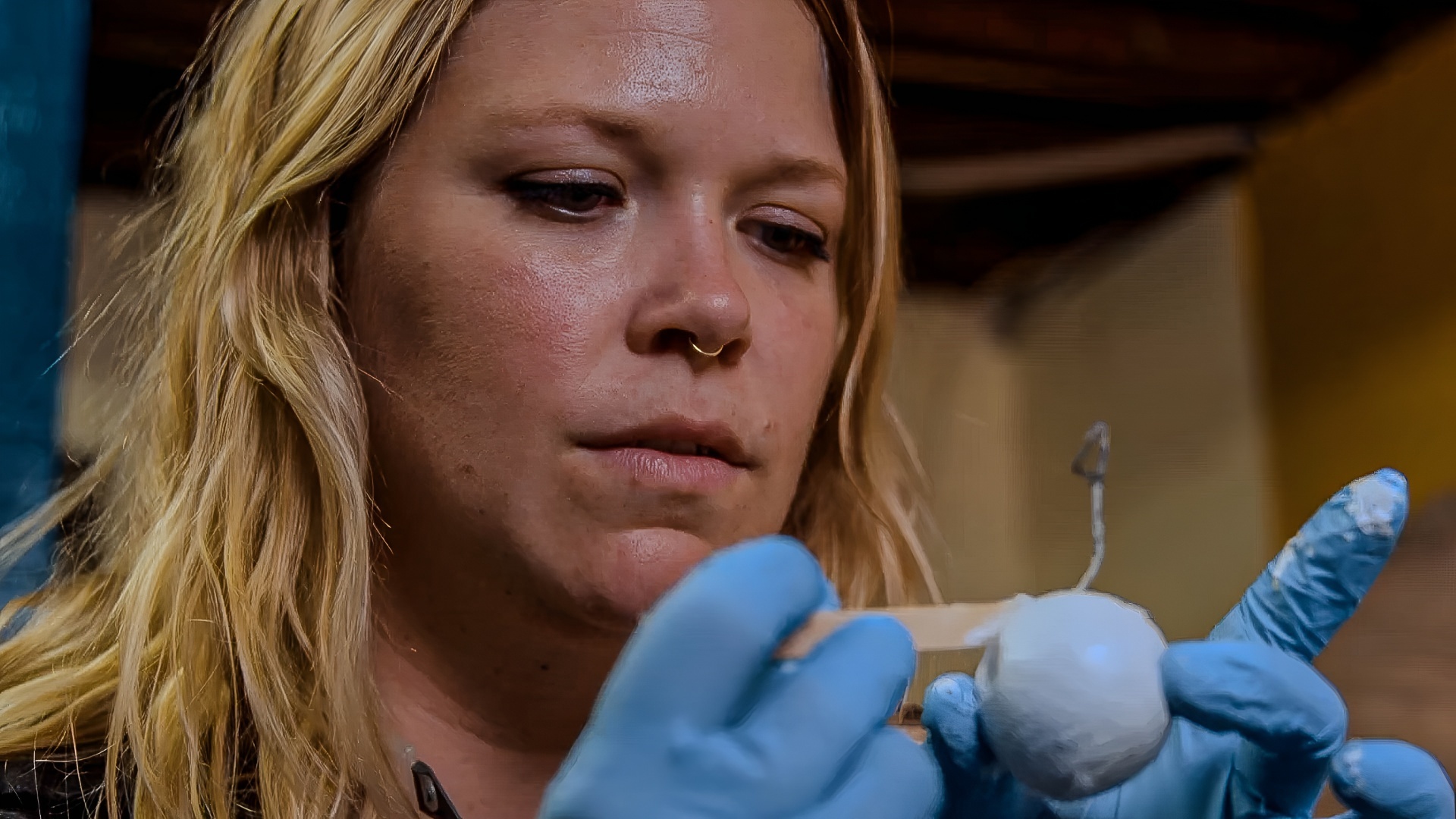
Small Ideas Can Make a Difference
The team says conservation work can take many forms. Whether through science, design, or public awareness, individual skills can contribute to protecting endangered species.