How a controversial food experiment helped shape modern food safety
October 08, 2026
Harvey W. Wiley’s Poison Squad experiments tested common food preservatives and exposed concerns about chemical additives. The controversial trials helped build support for stronger regulations and influenced the development of modern food safety oversight.
When fresh-looking food could hide dangerous chemicals
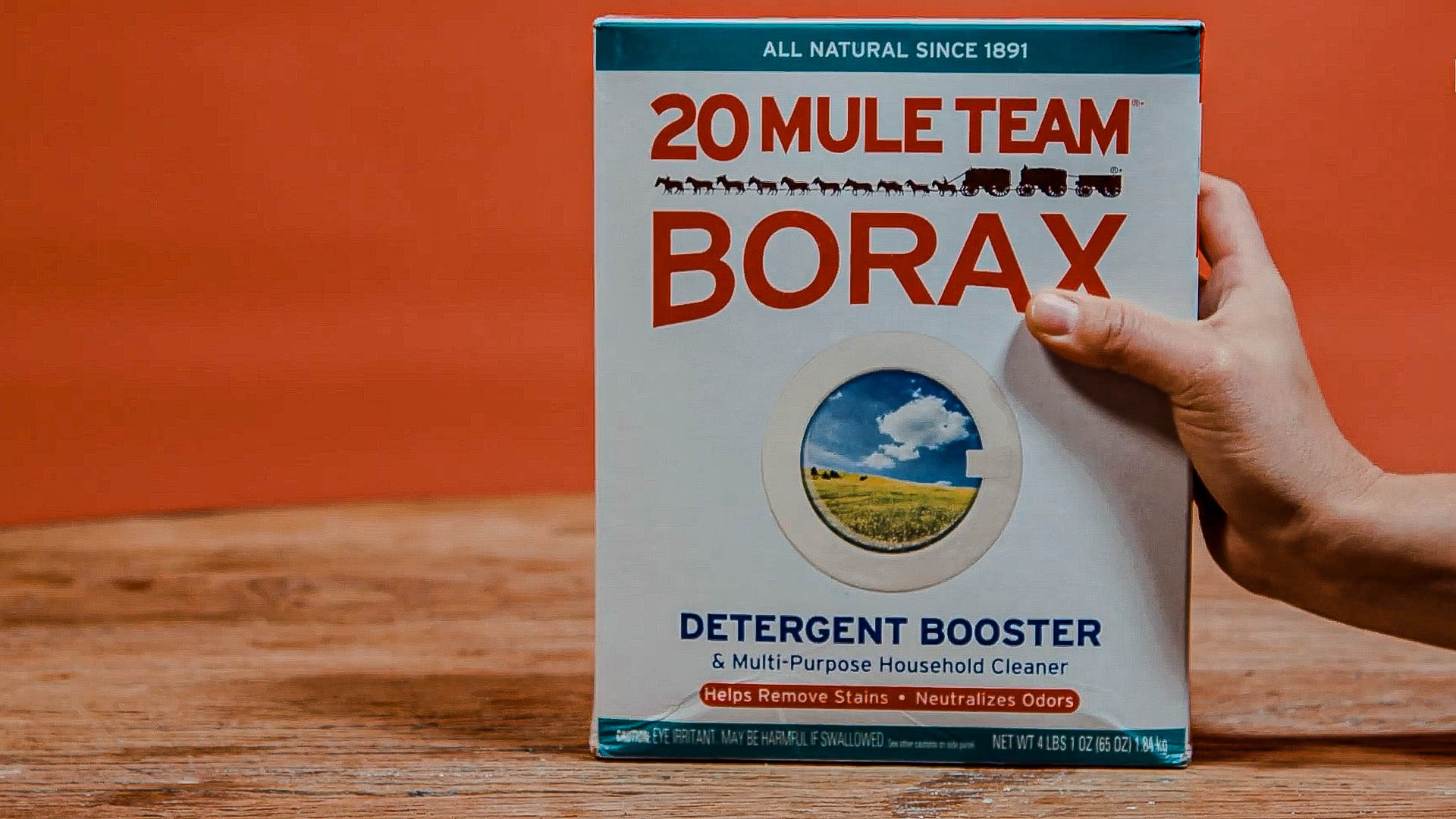
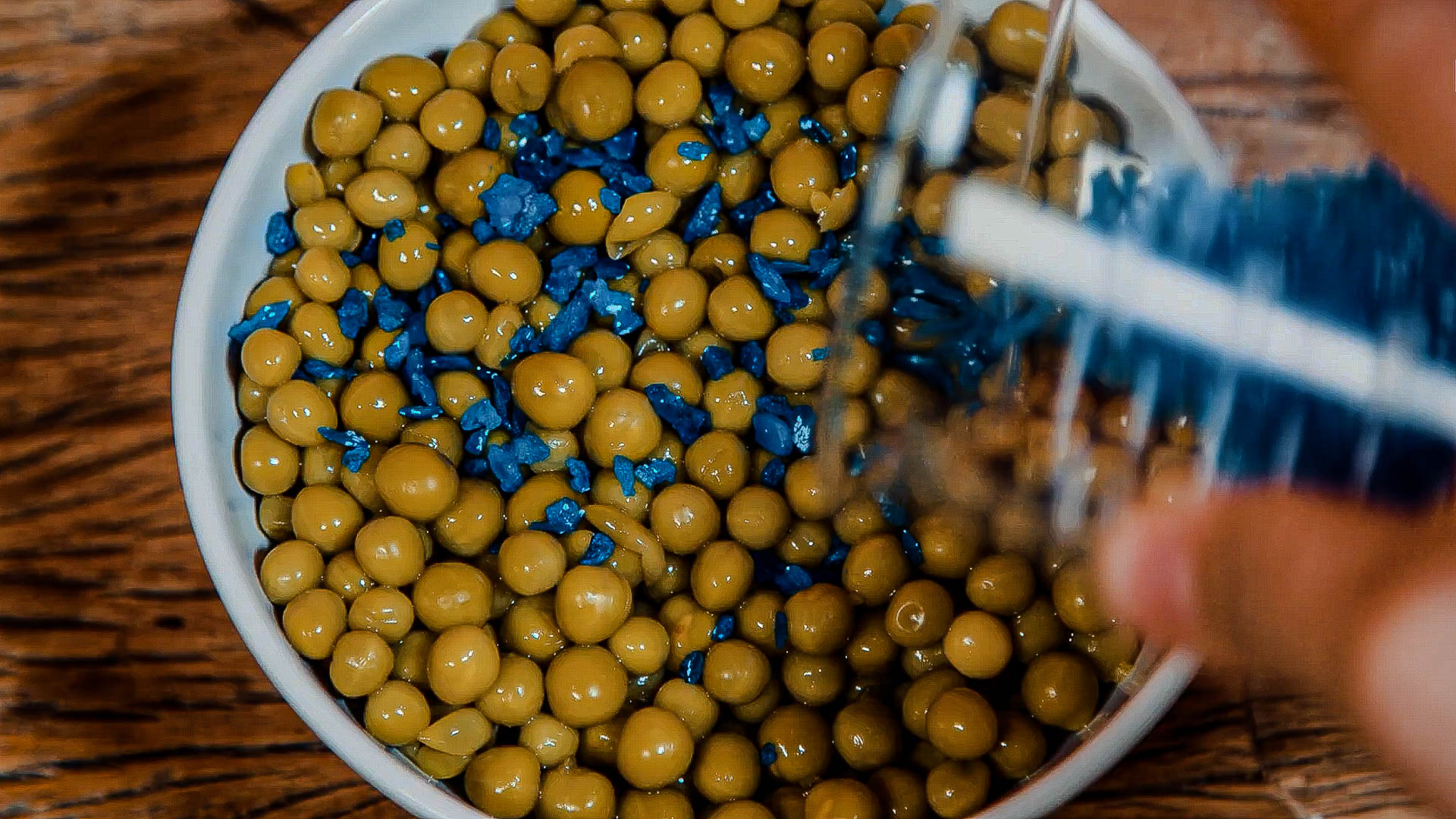
American food manufacturers in the early 1900s sometimes used industrial chemicals to disguise deterioration and make products more appealing. Copper sulfate could give canned vegetables an attractive green color, while borax helped aging meat retain a firmer, fresher appearance.
The government chemist who demanded proof of food safety
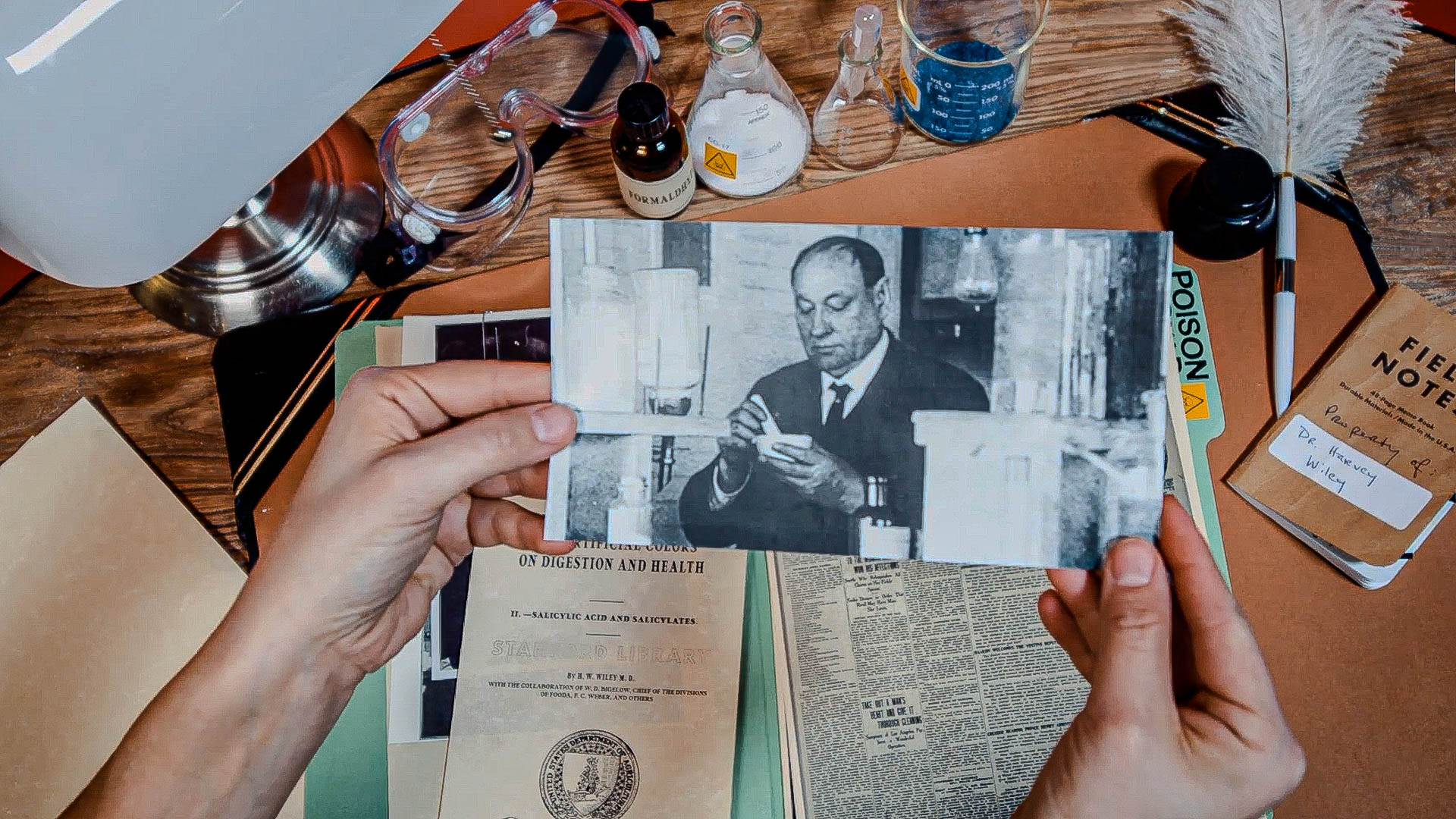
Dr. Harvey Washington Wiley believed the American food supply needed stronger scientific scrutiny. Appointed chief chemist of the U.S. Department of Agriculture in 1883, he spent years investigating food adulteration and advocating federal protections
Twelve volunteers signed up to eat questionable preservatives
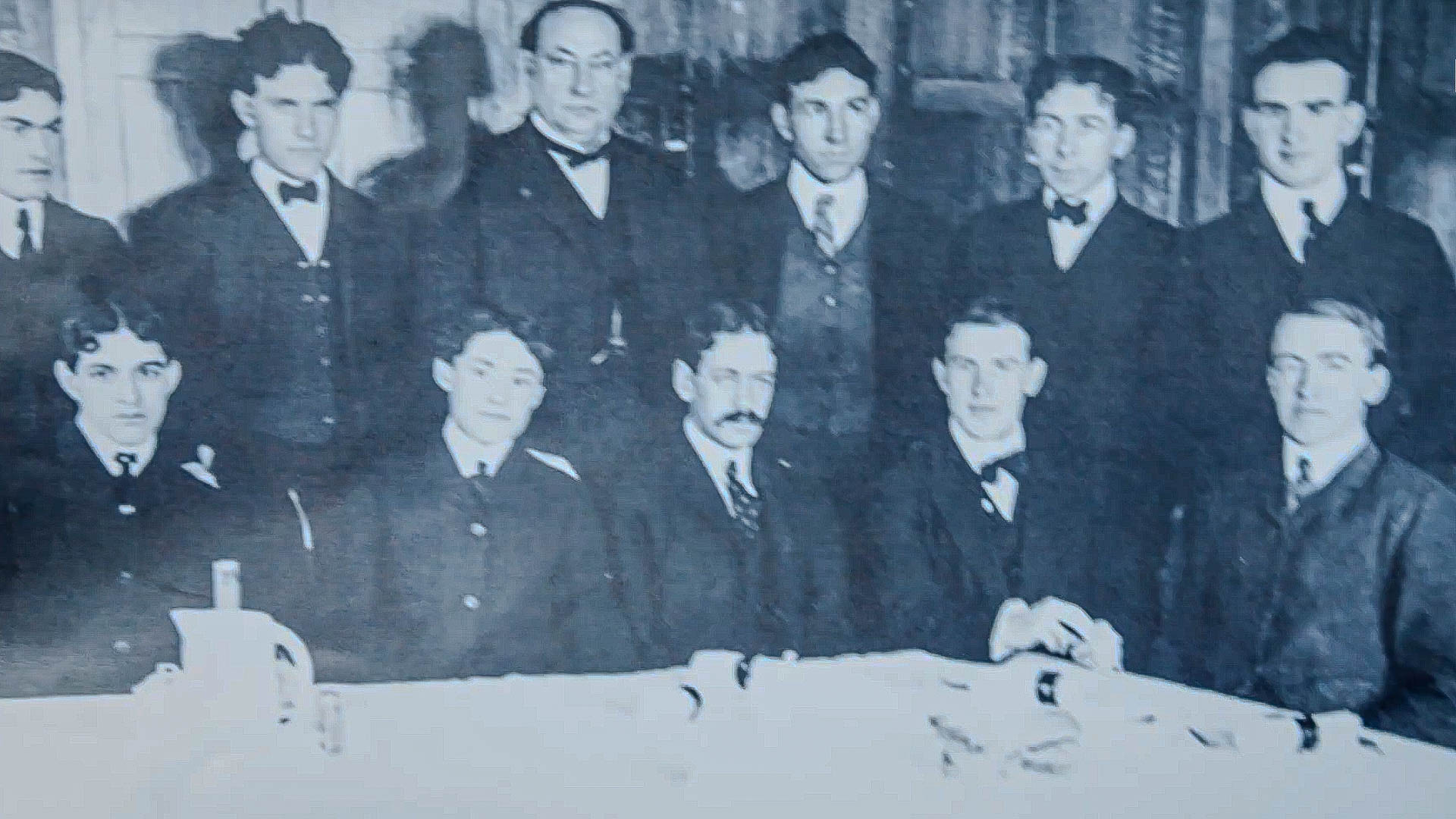
The Poison Squad began in 1902 with 12 healthy male volunteers, largely young government employees willing to participate in an unusual food experiment. Officially called the Hygienic Table trials, the study required them to eat controlled meals and submit to regular medical examinations.
The secret ingredients hidden inside ordinary American meals
Harvey Wiley's volunteers ate ordinary-looking meals that could contain carefully measured amounts of chemical preservatives. Borax was among the first substances tested, sometimes mixed into foods such as butter and milk
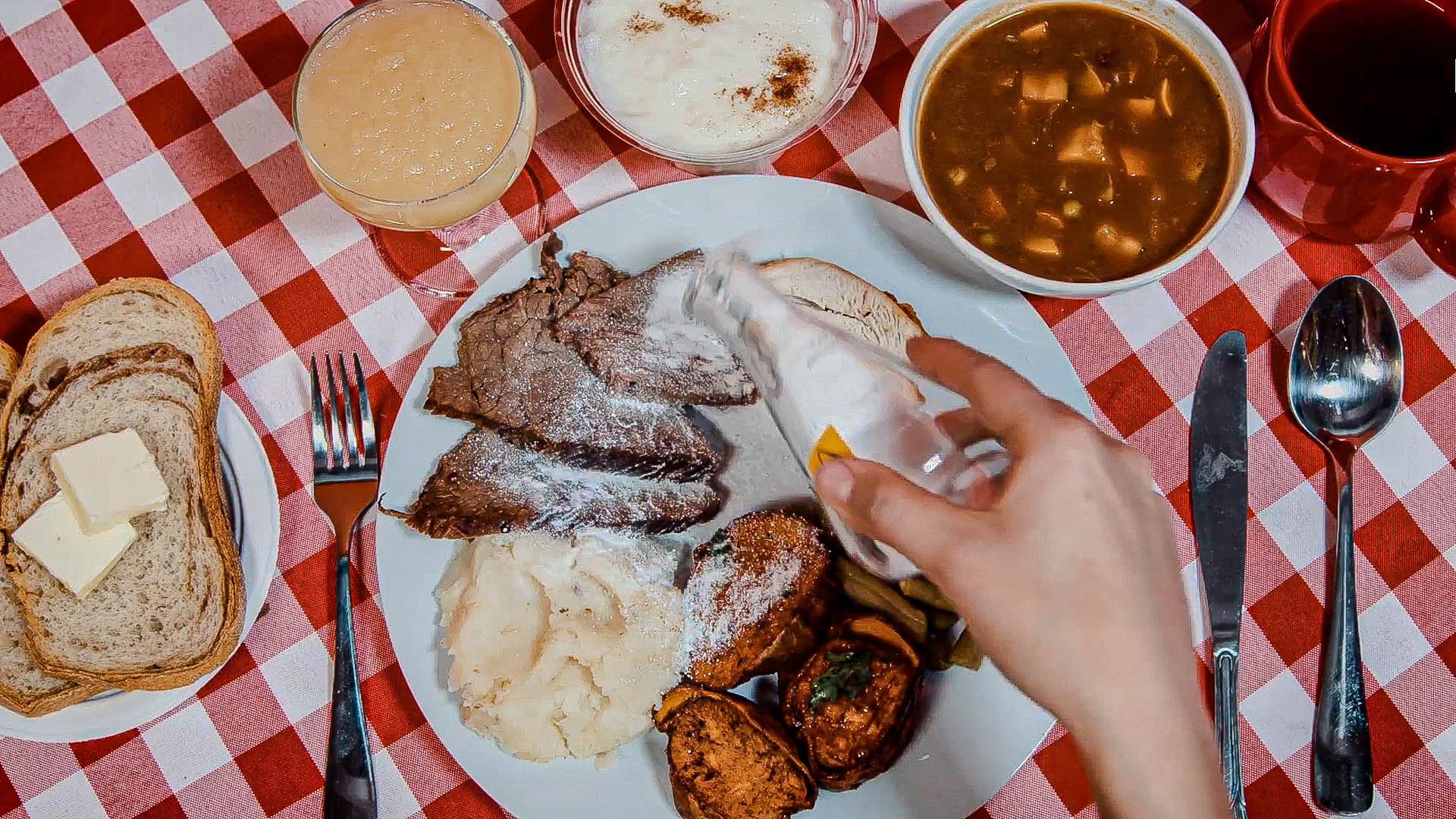
The stomach problems that exposed a food safety danger
The Poison Squad's experiments produced disturbing evidence about the effects of certain food preservatives. Volunteers reported nausea, stomach pain, vomiting, and other digestive problems while testing additives that were used in commercial foods.
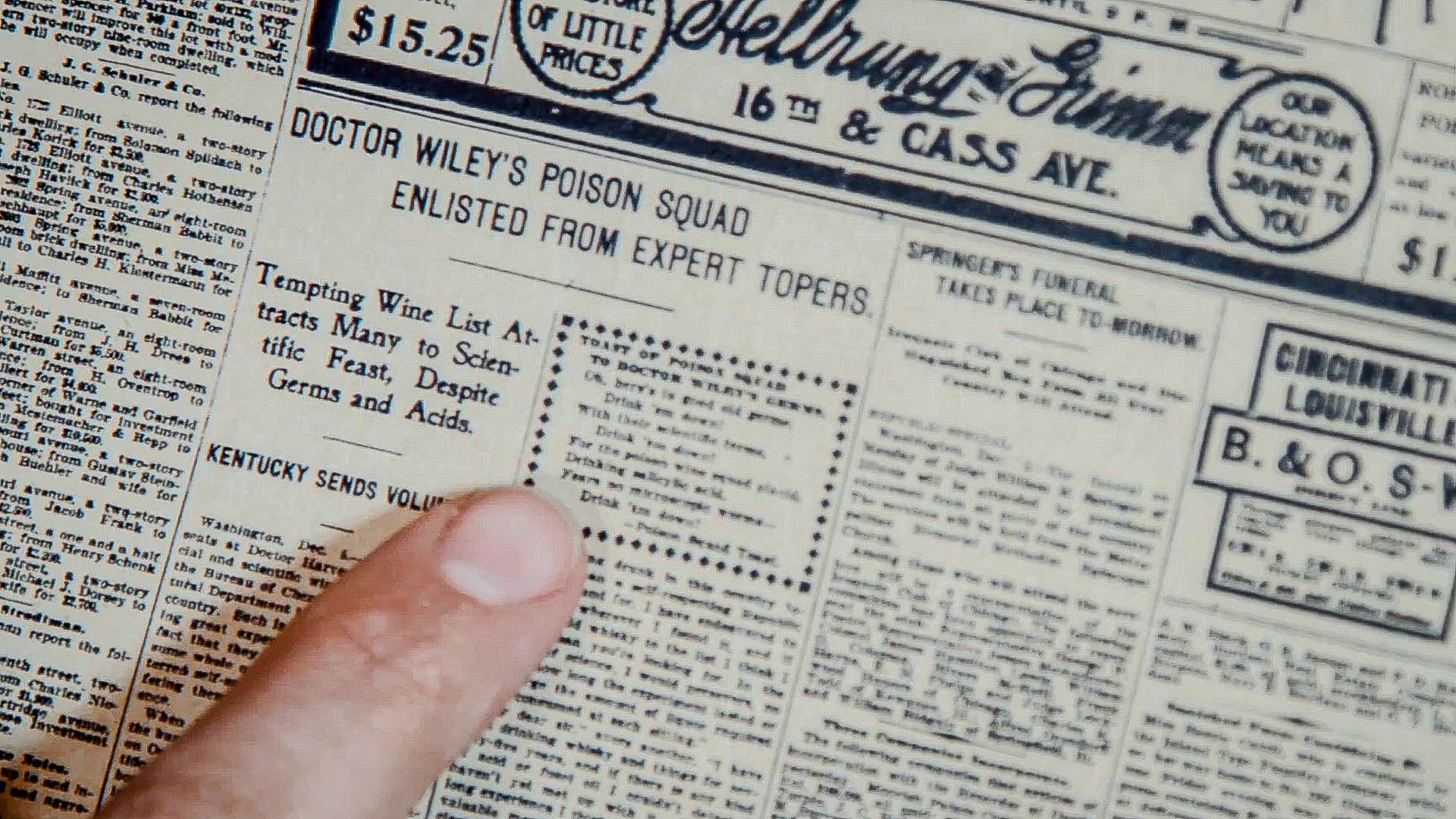
The 1906 laws that changed American food regulation
The United States passed two landmark consumer protection laws on June 30, 1906: the Pure Food and Drugs Act and the Meat Inspection Act. The first prohibited interstate commerce in adulterated or misbranded foods and drugs, while the second strengthened federal oversight of meat production.
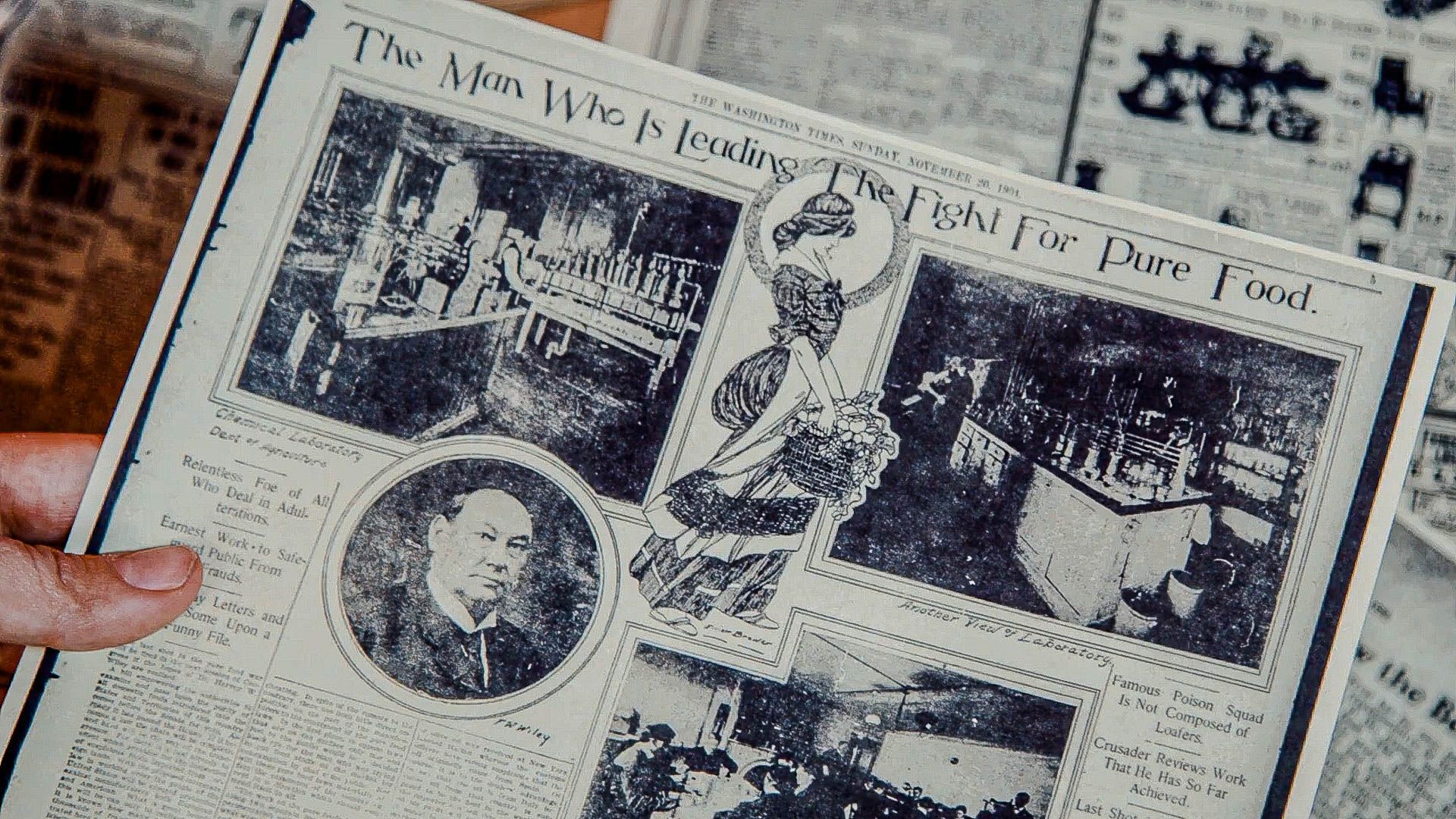
How the Poison Squad helped shape today's FDA
Harvey Wiley's work helped establish the regulatory foundations of the modern Food and Drug Administration. The Department of Agriculture's Bureau of Chemistry was assigned responsibility for enforcing the 1906 Pure Food and Drugs Act.