How a racing innovation created the modern rear-view mirror
June 26, 2026
The rear-view mirror, now essential in every car, originated from Ray Harroun’s 1911 Indianapolis 500 race innovation. Designed to replace a riding mechanic, it evolved into a standard automotive safety feature still used today.
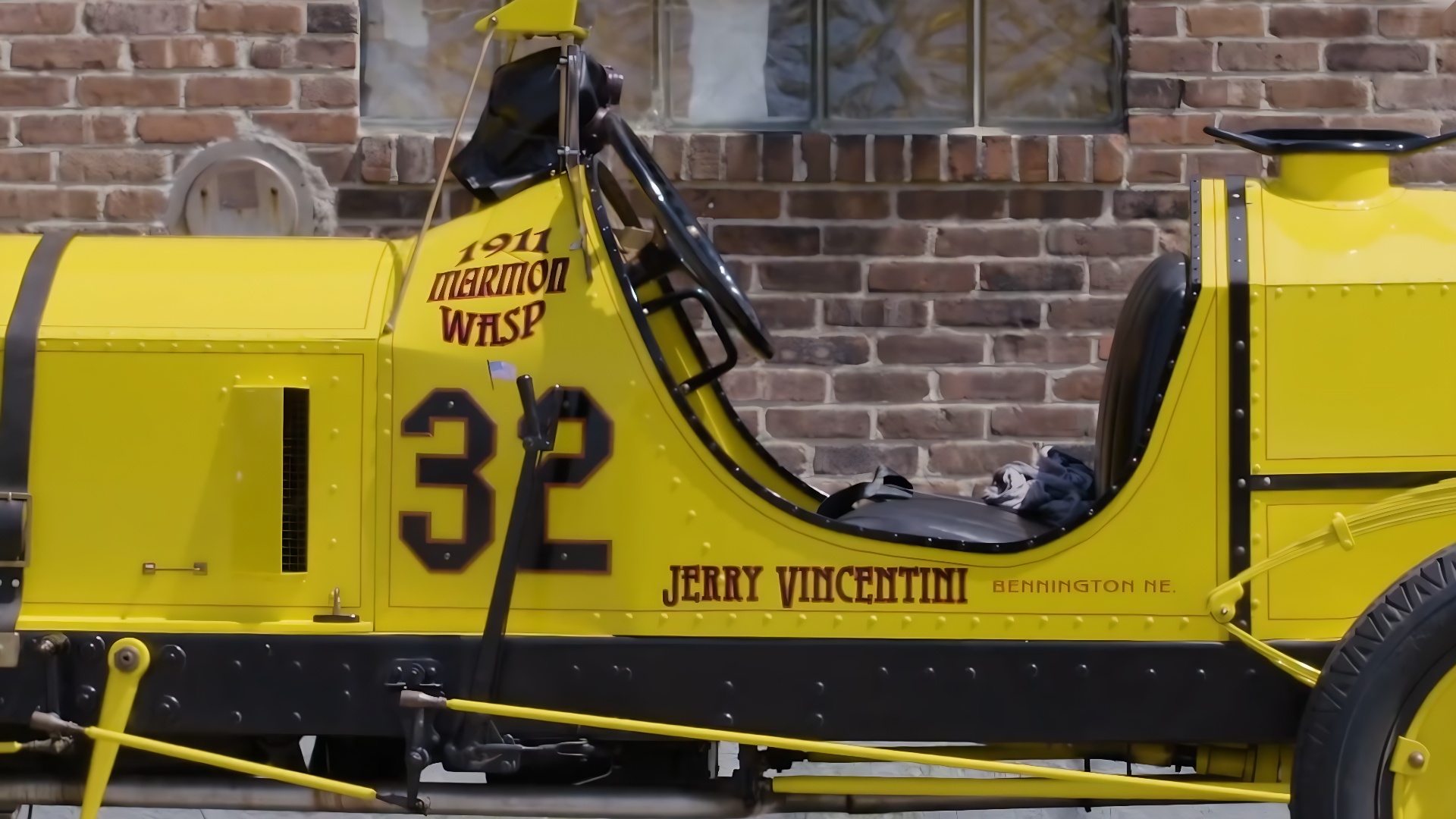
The rear-view mirror feels indispensable today. But cars existed without it for decades.
Modern drivers rarely think about rear-view mirrors, yet automobiles operated for more than 30 years before the feature became common.
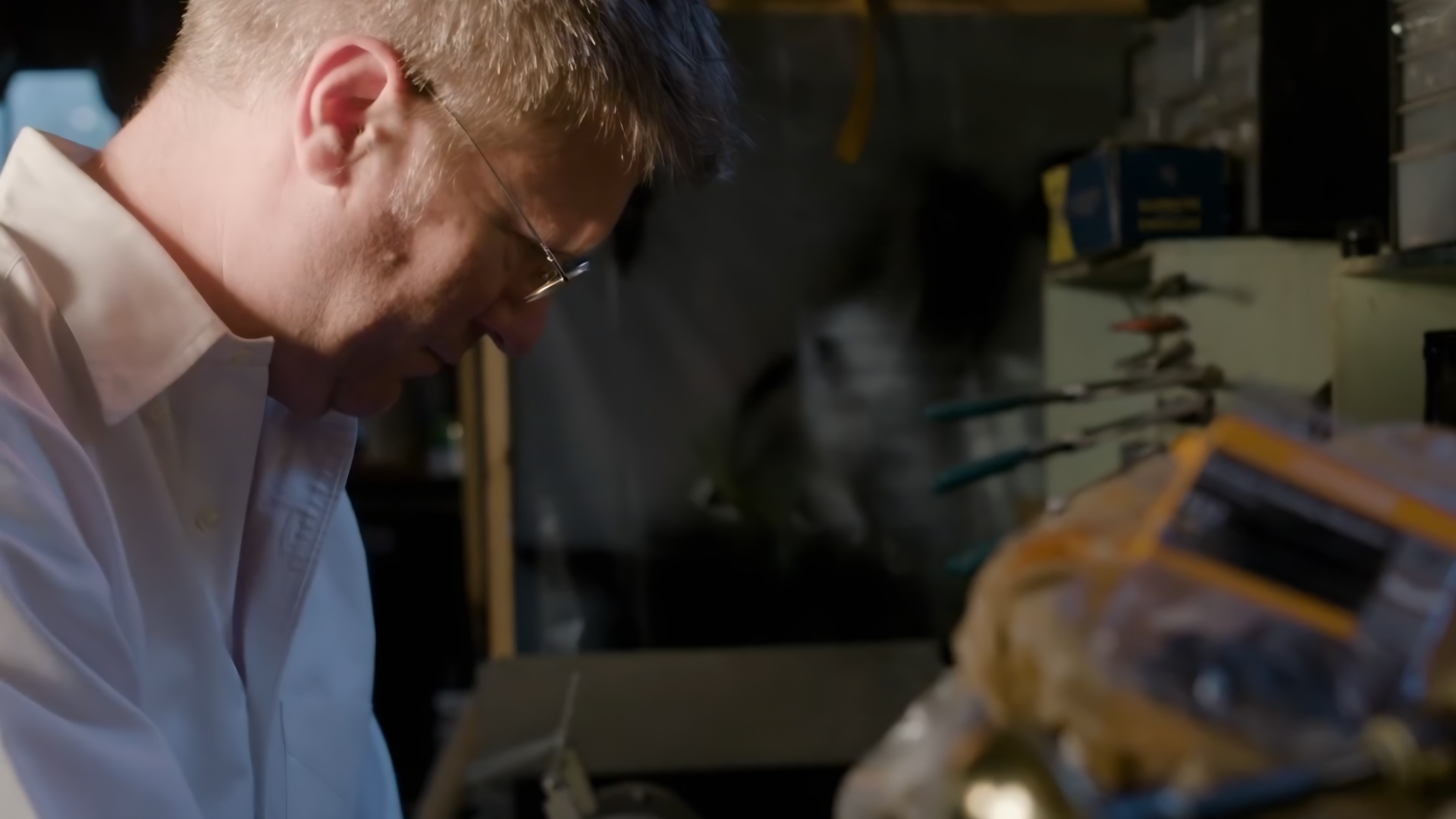
Early motorists had a different way of looking back. Racing teams relied on an extra person.
In the early days of auto racing, drivers were often accompanied by mechanics who monitored traffic behind the vehicle and provided guidance.
The turning point came in 1911. A famous race inspired a new idea.
The Indianapolis 500 became the setting for an innovation that would eventually transform the way drivers monitored what was happening behind them.
Racer Ray Harroun wanted a lighter car. Removing the mechanic offered an advantage.
Harroun believed that eliminating the extra passenger would reduce weight and improve performance during the race.

A problem quickly emerged. Who would watch the cars behind him?
Without a mechanic acting as an observer, Harroun needed a new way to keep track of competitors approaching from the rear.
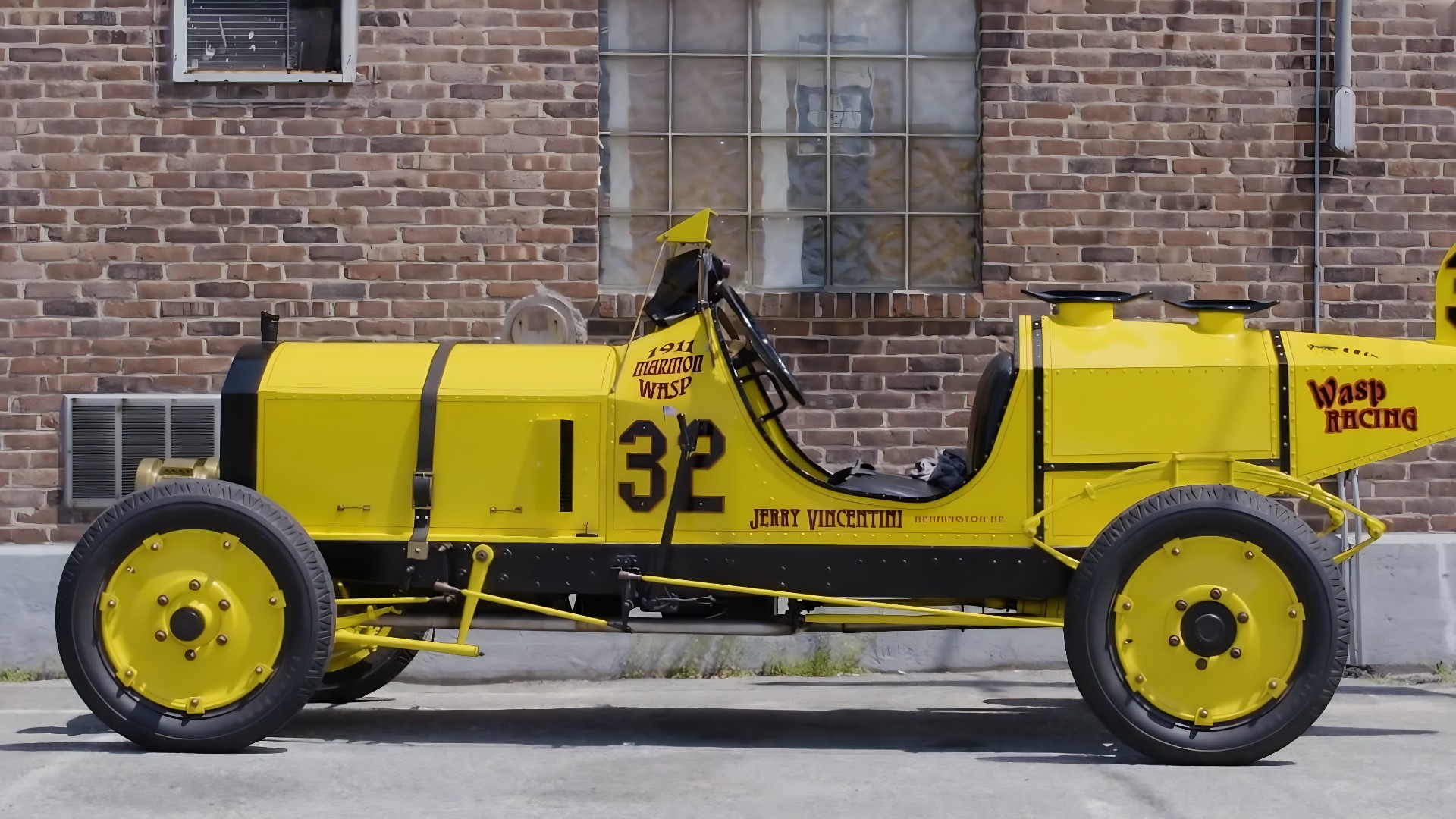
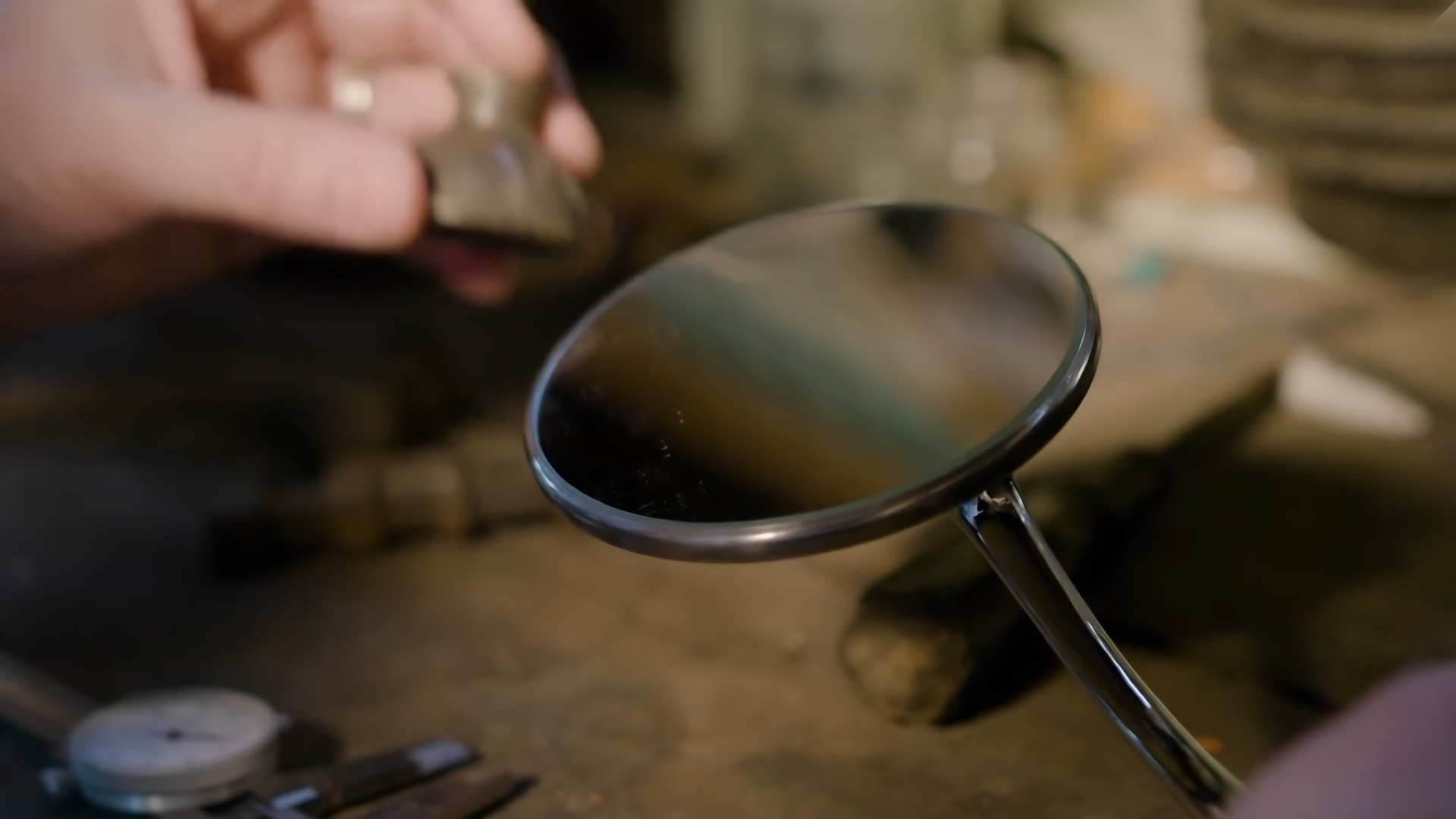
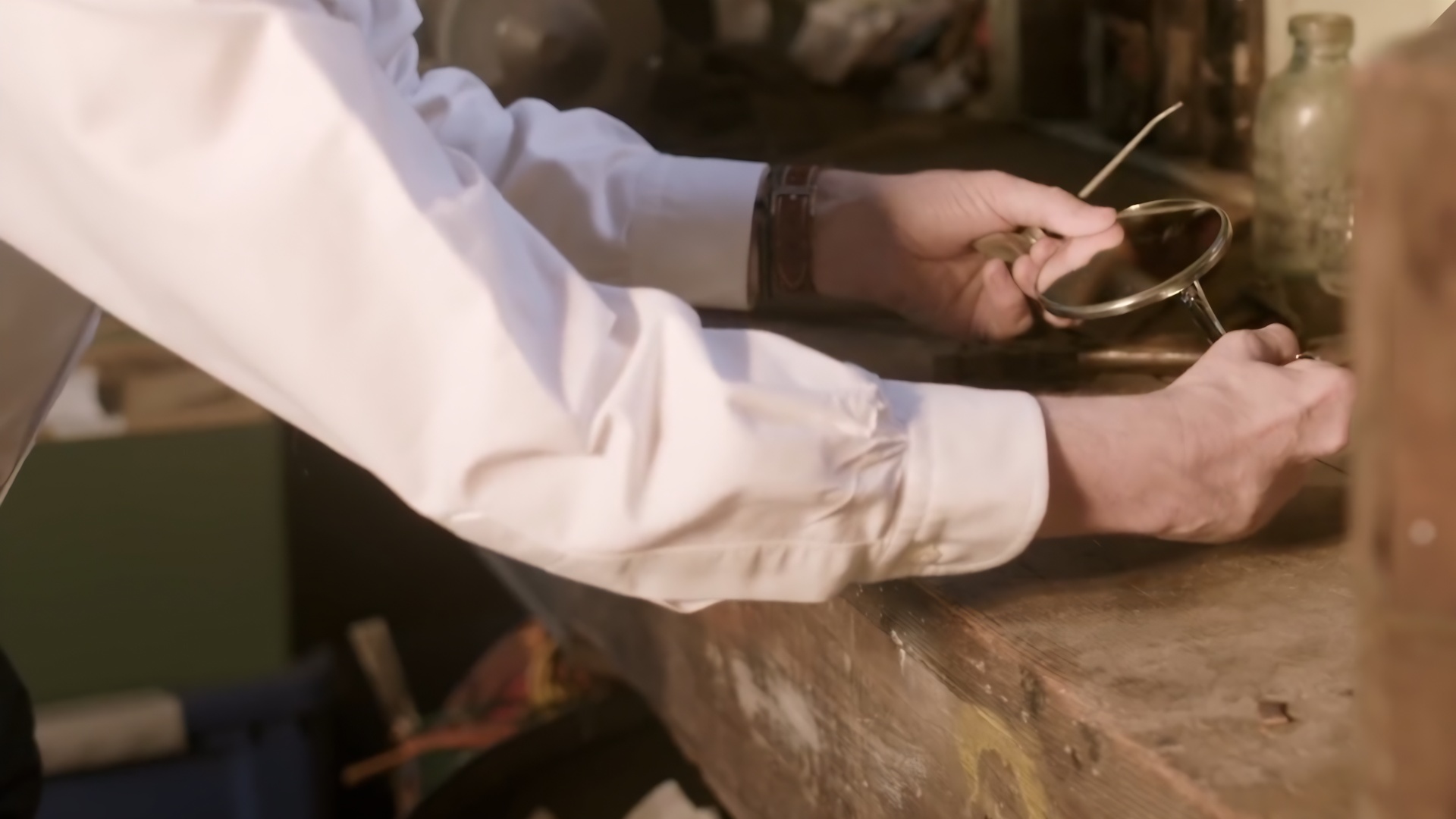
The solution came from an unexpected source. A buggy mirror inspired the design.
Harroun adapted the idea of a mirror he had seen on a horse-drawn buggy, installing it on his race car to improve visibility.
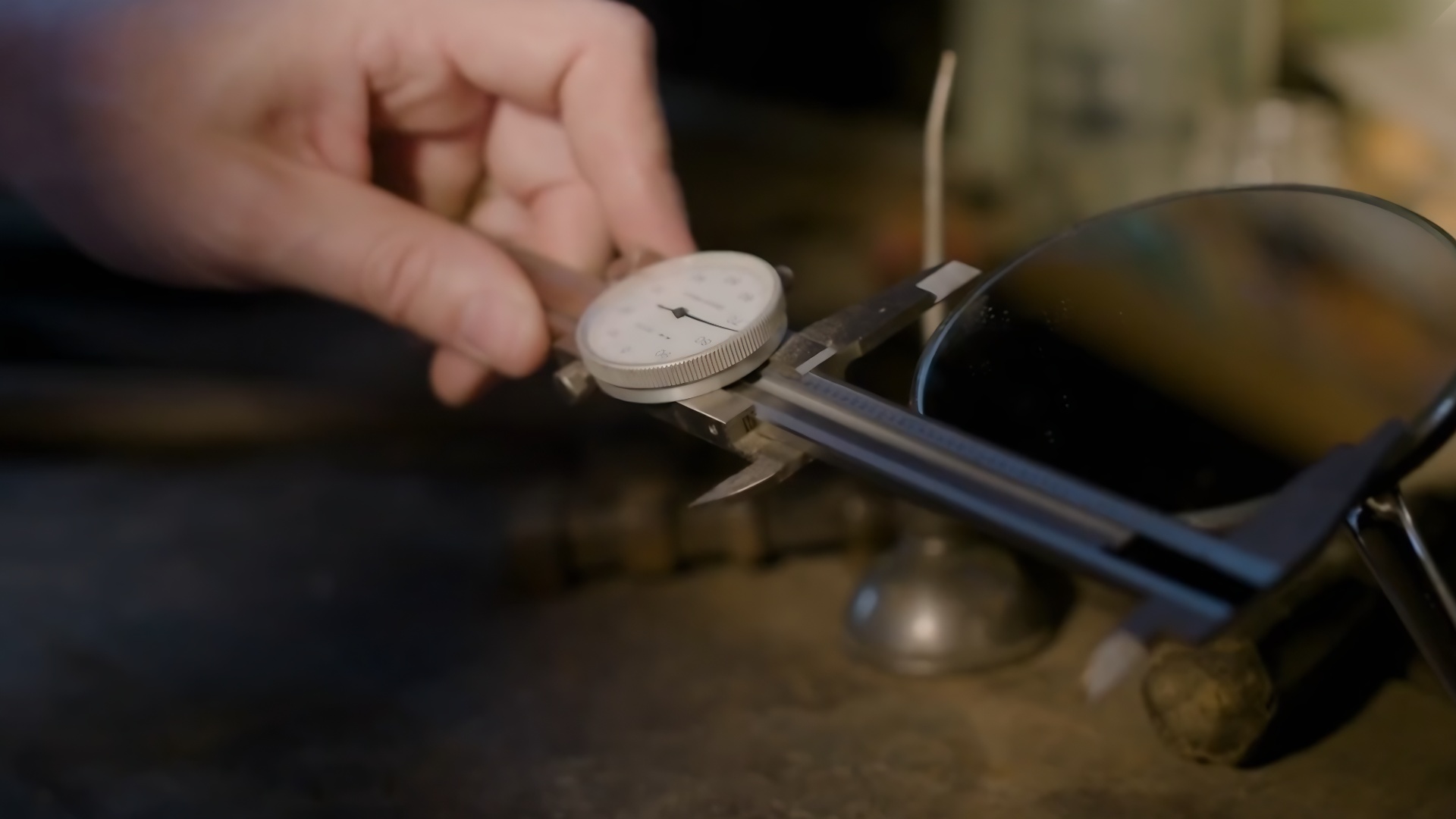
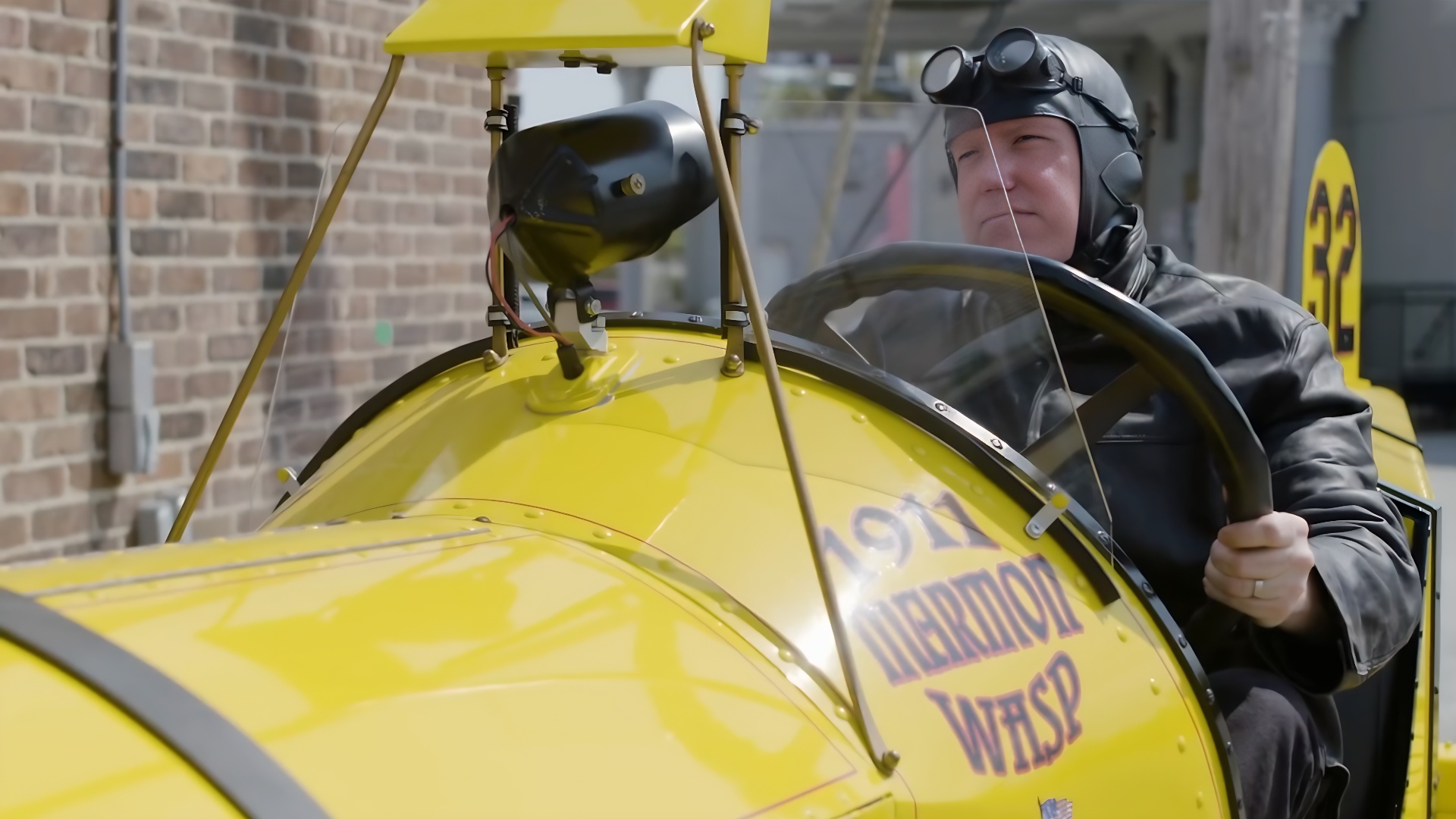
The experiment helped him succeed. Harroun went on to win the race.
His innovative setup contributed to a historic Indianapolis 500 victory, proving that a driver could compete without a riding mechanic.

The invention was far from perfect. Early mirrors were difficult to use.
Constant vibration made the original mirror challenging to rely on, limiting its immediate adoption by other drivers.
Years later, the concept returned. Engineers saw broader potential.
Inventor Elmer Berger refined the idea, helping transform the rear-view mirror from a racing novelty into a practical automotive feature.
A simple racing experiment changed driving forever. Today, every glance backward reflects that legacy.
What began as a solution for speed and efficiency eventually became one of the most familiar and important features in modern vehicles.