How beekeeper Bioni turns hive sounds into electronic music
August 12, 2026
Discover how beekeeper and musician Bioni transforms real bee sounds into experimental electronic music, connecting nature, ecology and creative sound exploration.
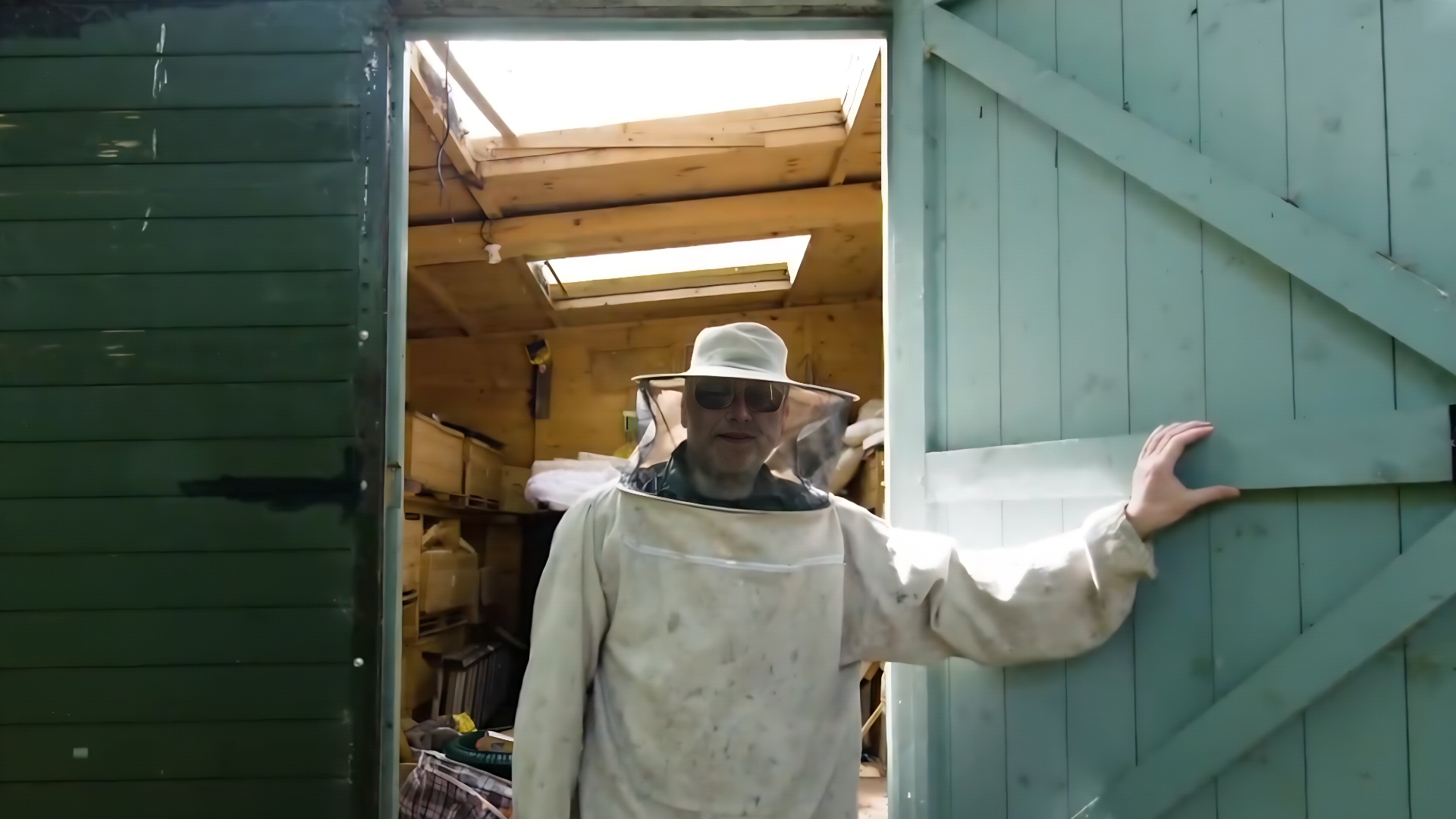
Bioni turns the sounds of bees into electronic music. His work connects beekeeping with experimental sound.
Using the alias Bioni, the beekeeper and musician records sounds from inside his hives and transforms them into electronic compositions. The project combines music, ecology and a long-standing interest in bees.
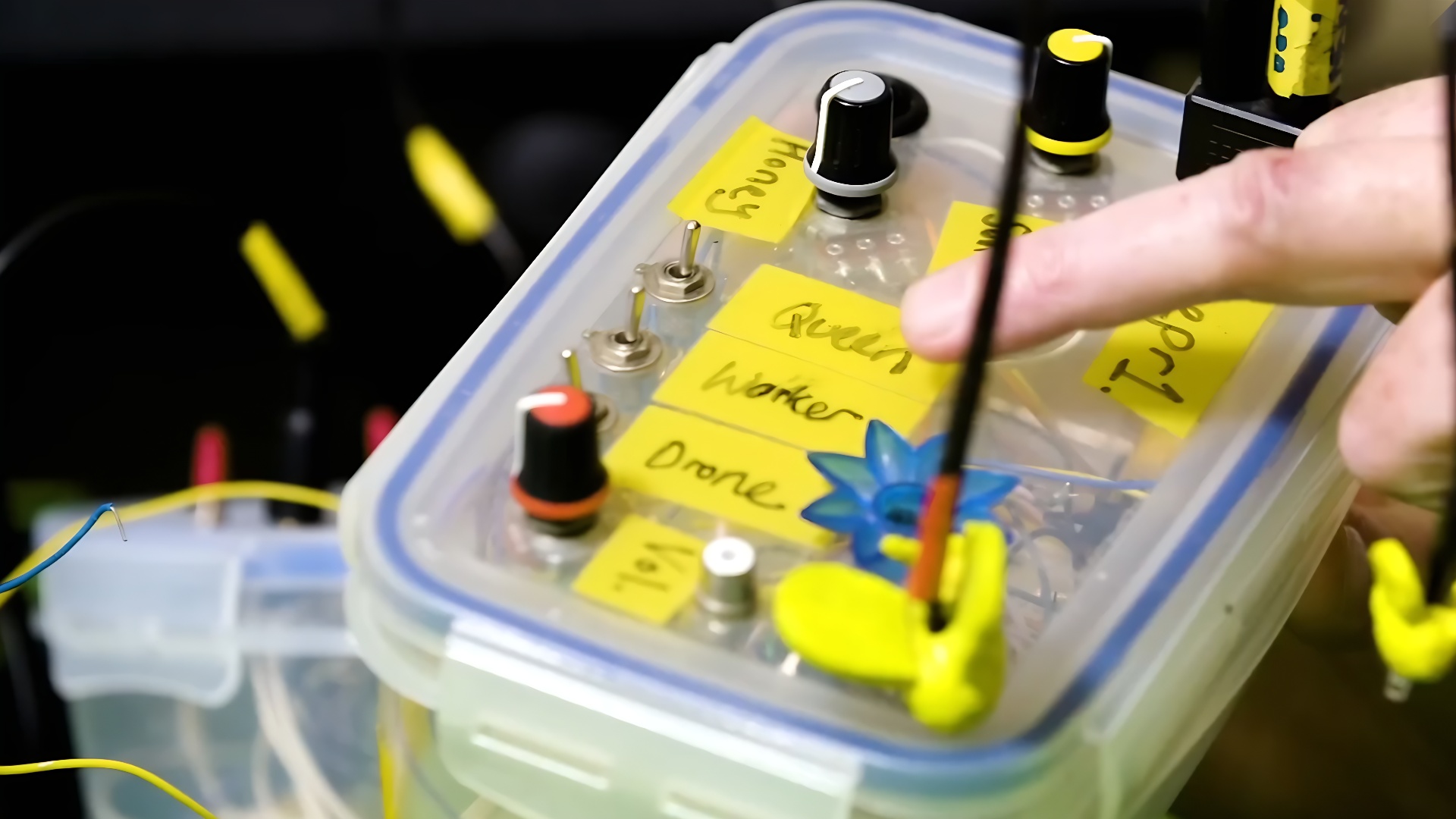
Queens, workers and drones sound different. Their pitches create distinct musical textures.
Bioni describes queen bees as producing higher-pitched sounds, workers occupying a middle range and drones producing lower tones. Those differences give him varied material to use in his compositions.
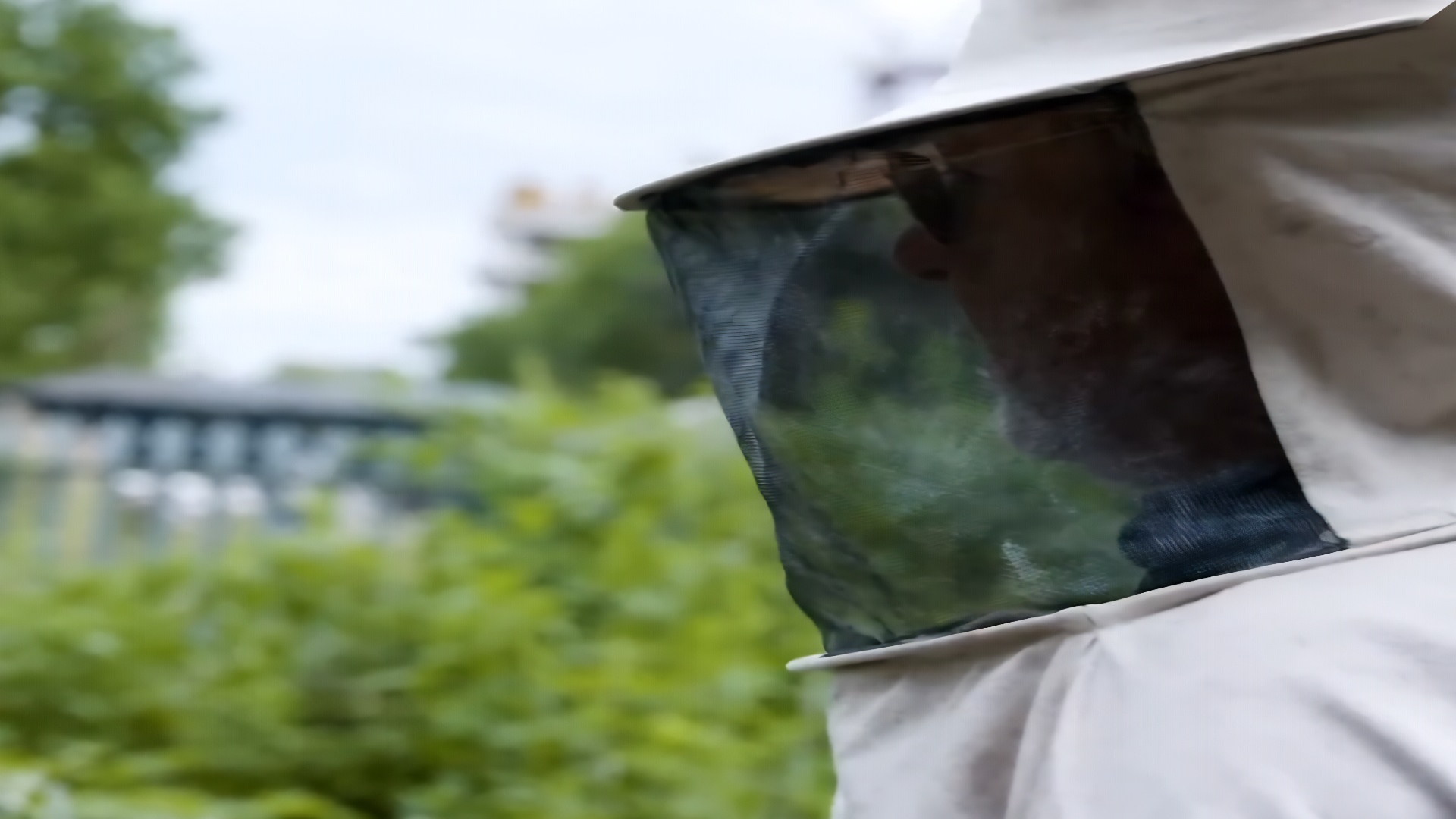
His identity stays hidden behind a vintage bee suit. The focus remains on the music.
Bioni performs while wearing an old-fashioned beekeeping outfit. He says the choice helps keep attention on the sound rather than on his personal identity.
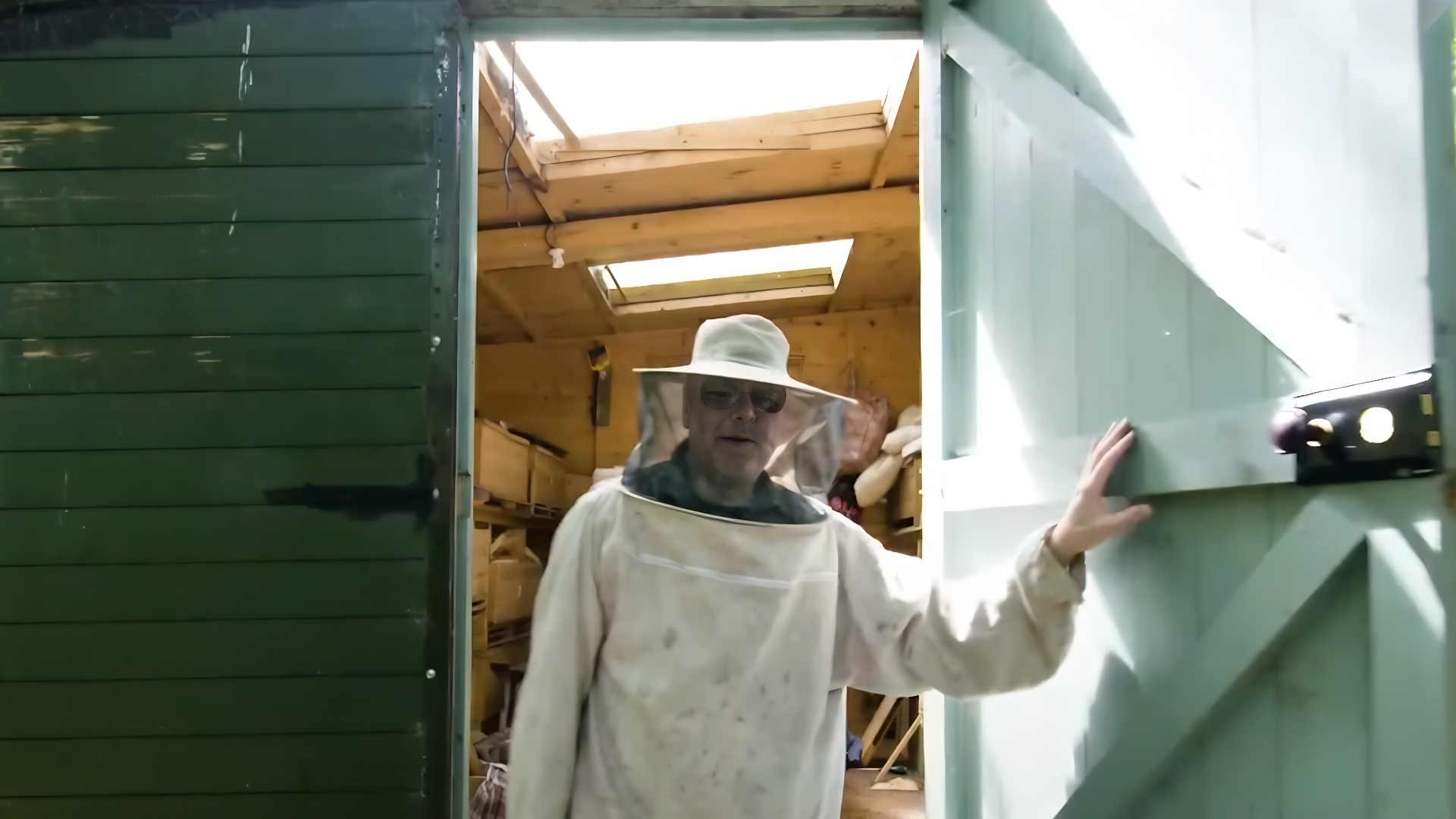
The idea began with recordings inside his hives. He started capturing bee sounds around 20 years ago.
Years of recording gave Bioni a library of natural sounds to work with. Those recordings became the foundation for music built around the rhythms and frequencies produced by different bees.
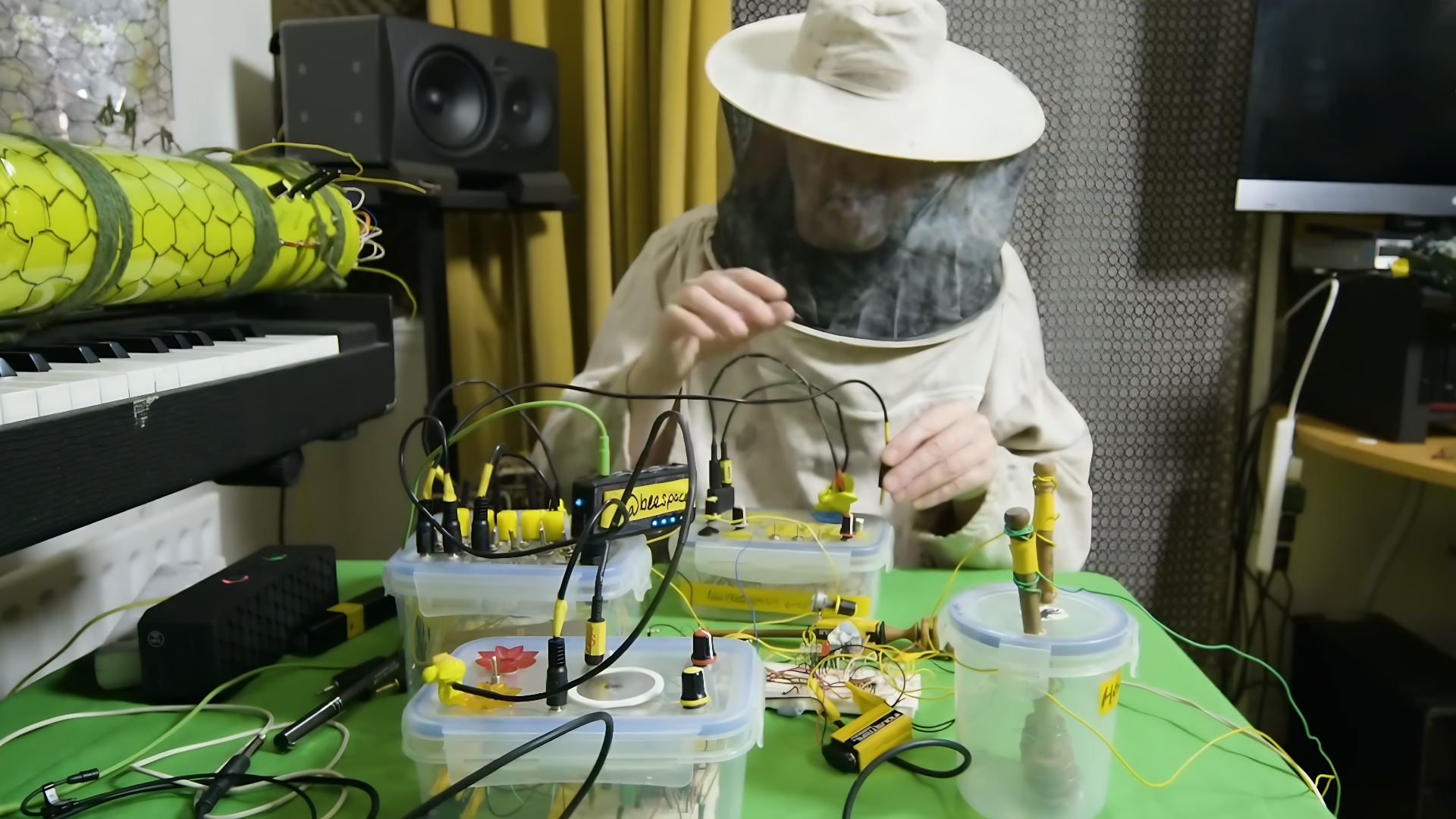
The hive becomes more than a source of honey. It also becomes an instrument.
Bioni uses sounds taken from bees, hive activity and even honey as raw material. These recordings are processed and reshaped into experimental electronic music.
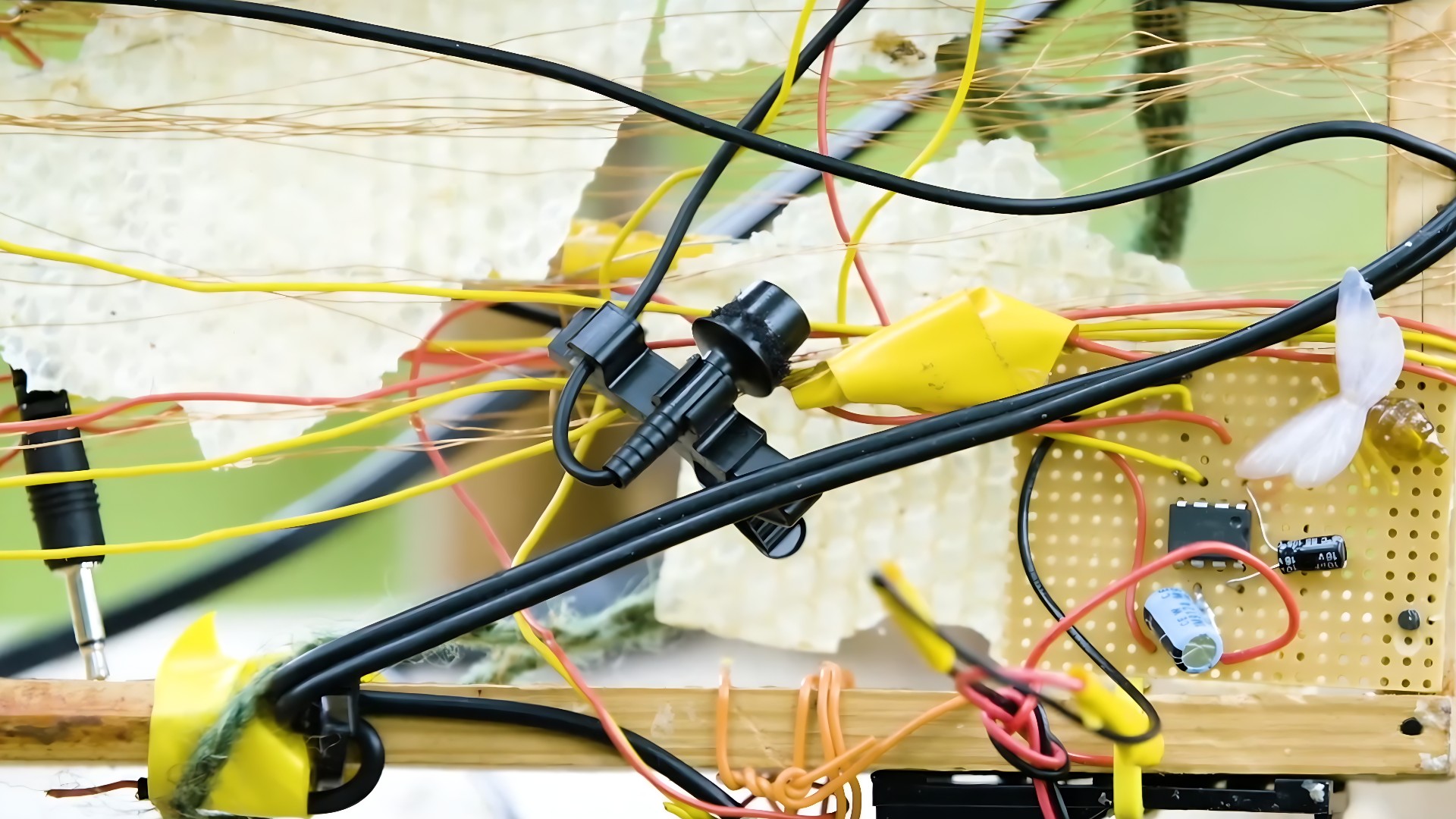
Homemade equipment helps capture hidden frequencies. Different parts of the hive produce different sounds.
His setup is designed to record subtle variations in pitch and vibration. By working closely with the hive, he can isolate sounds that might otherwise go unnoticed.
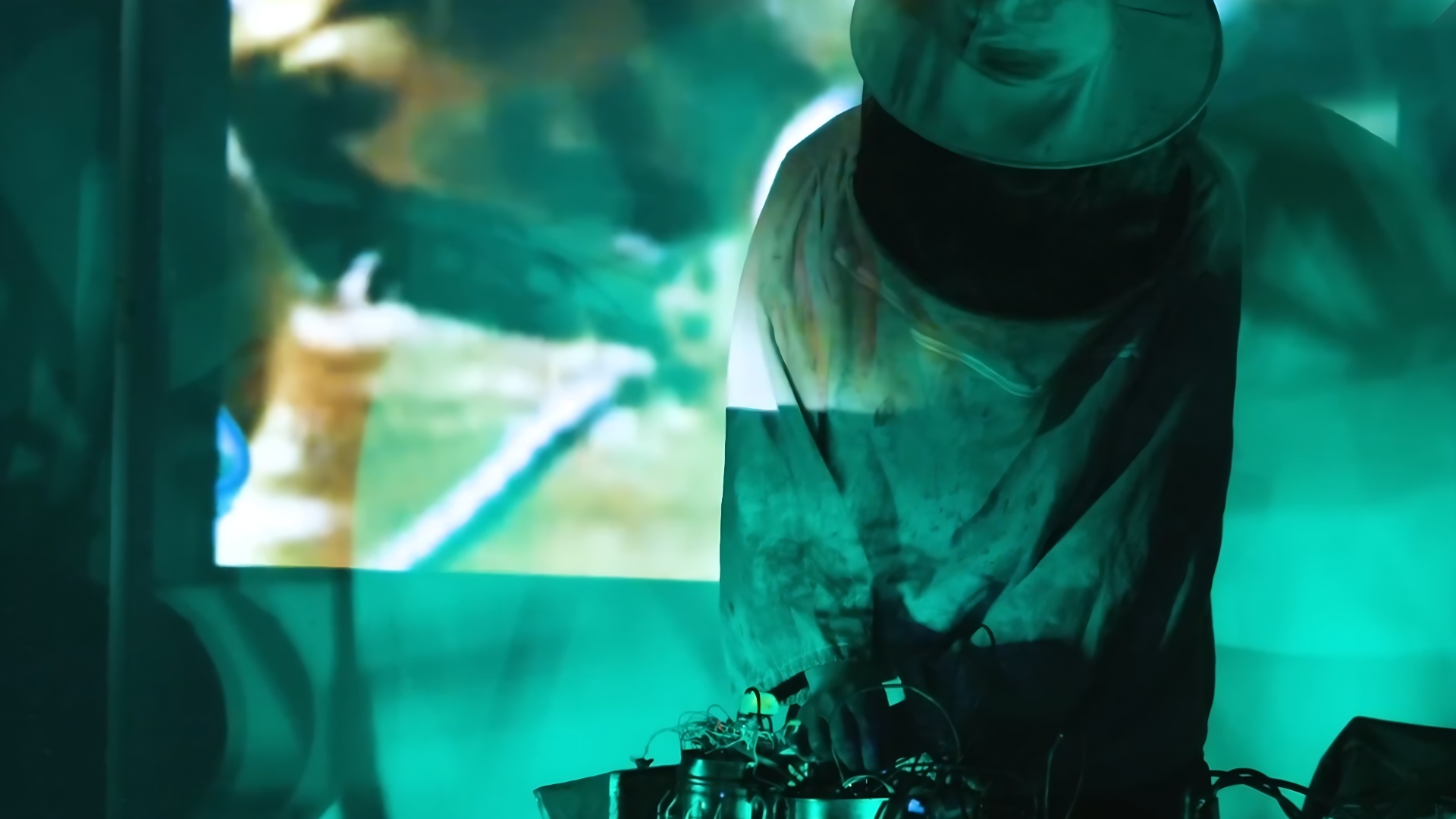
His music has travelled far beyond the bee house. Festivals around the world have featured the project.
Bioni has taken the work to international music festivals, particularly events with an interest in environmental themes. The performances place ecological ideas inside an electronic music setting.
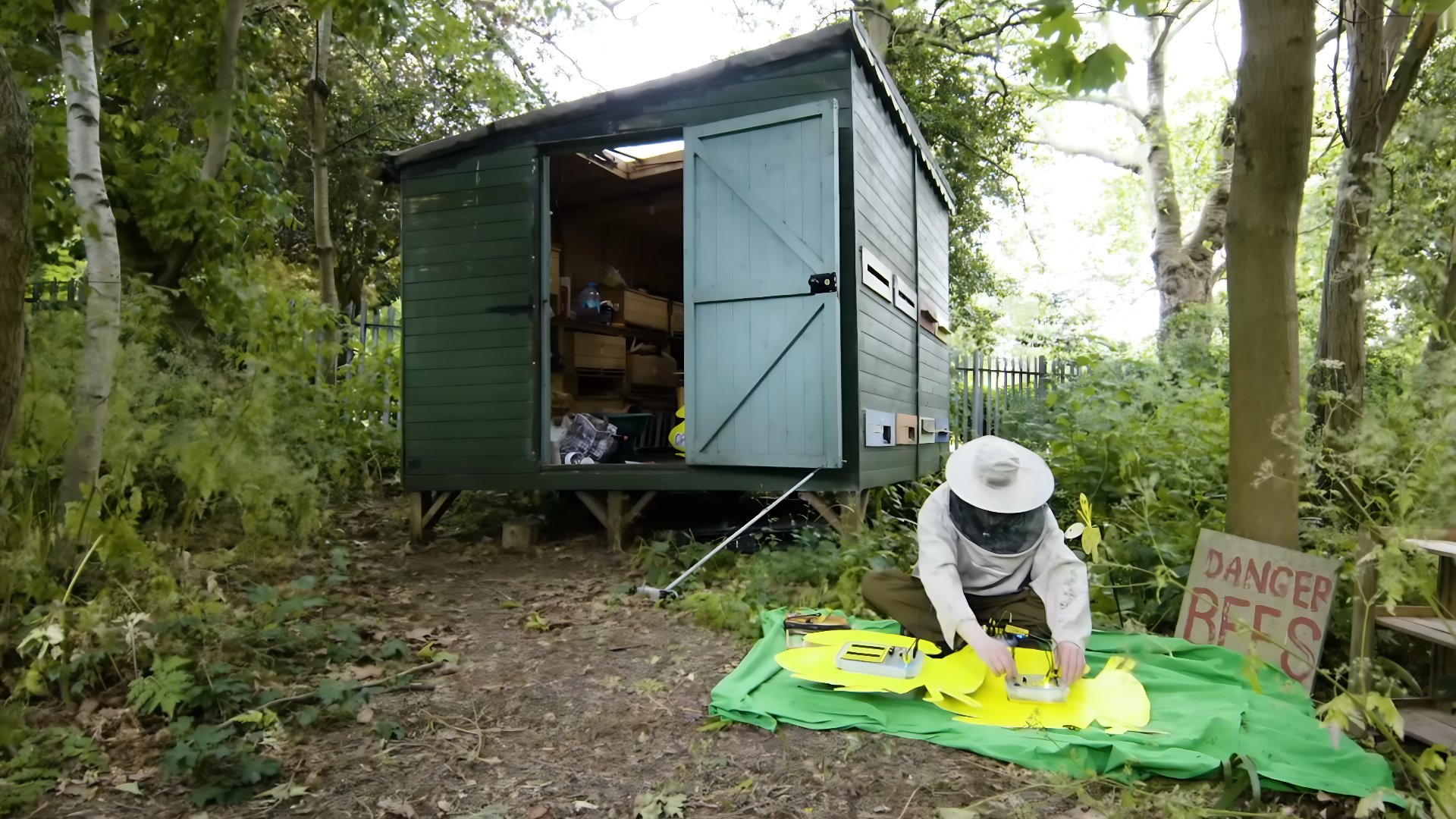
Recorded samples move from the hive to a synthesizer. Natural sounds become part of live performance.
After collecting recordings, Bioni extracts samples and loads them into electronic instruments. He can then trigger and manipulate those sounds while performing on stage.
The music turns listening into a form of awareness. Nature itself becomes part of the performance.
Bioni’s work shows how environmental communication can take unexpected forms. By transforming hive recordings into music, he gives audiences another way to experience and think about the importance of bees.
The project is designed to build an emotional connection. The sounds of bees become part of the message.
Beyond experimentation, Bioni hopes the music encourages people to pay closer attention to bees and their role in the natural world. Sound becomes a way to make environmental issues feel more immediate.