How data analytics is tackling food insecurity
September 16, 2026
Engineers Dr. Ivy and Dr. Davis are using data modeling to help North Carolina food banks predict donations and assess community need. By analyzing millions of records and socioeconomic data, they optimize distribution, reduce waste, and expand reach, demonstrating how technology can create measurable impact in the fight against hunger.
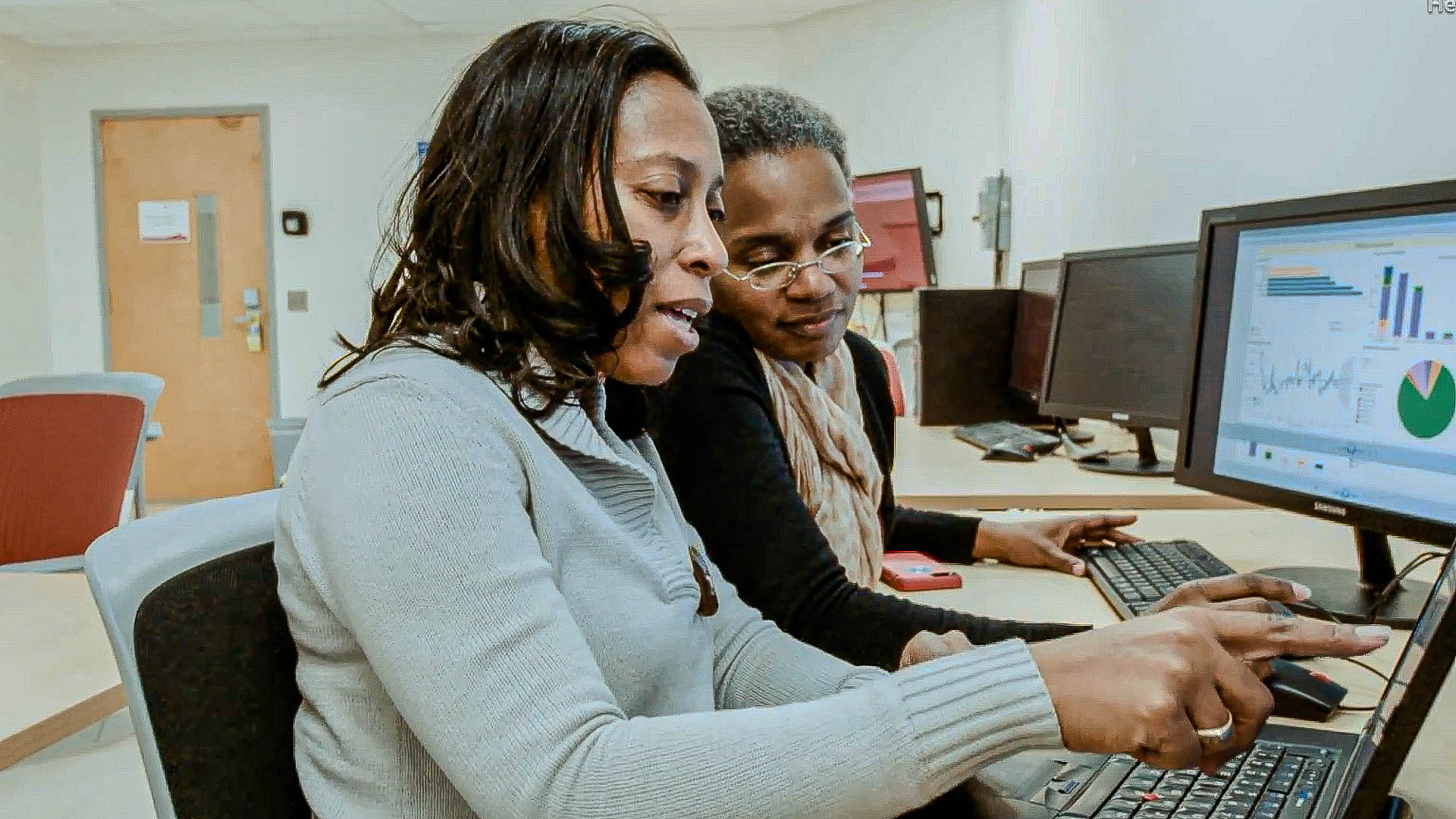
Using data for good
Dr. Ivy and Dr. Davis combine math, modeling, and computers to tackle food insecurity in North Carolina.
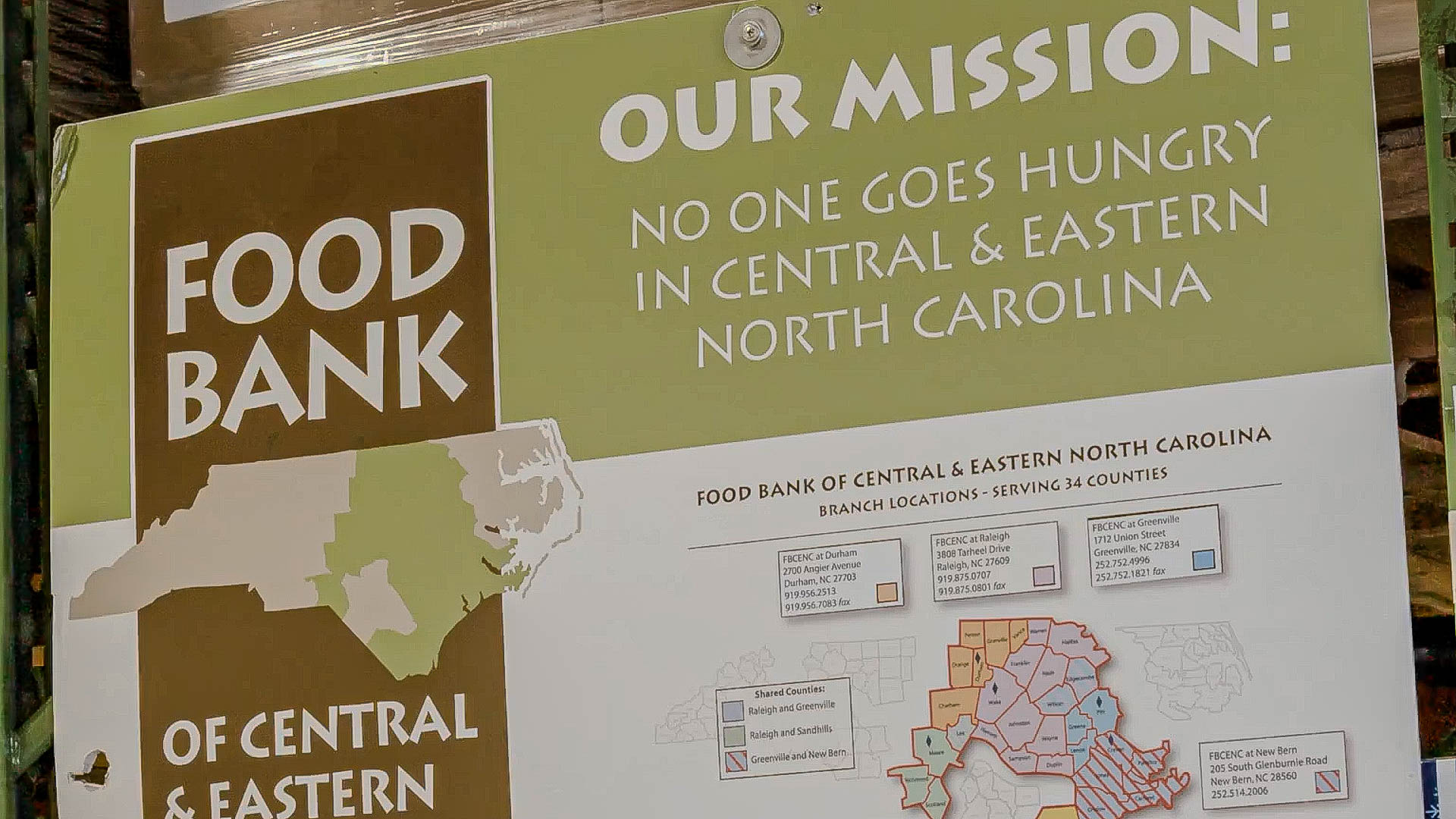
A growing challenge
Even the largest food bank in the state struggles to reach the estimated 680,000 people experiencing food insecurity each month.
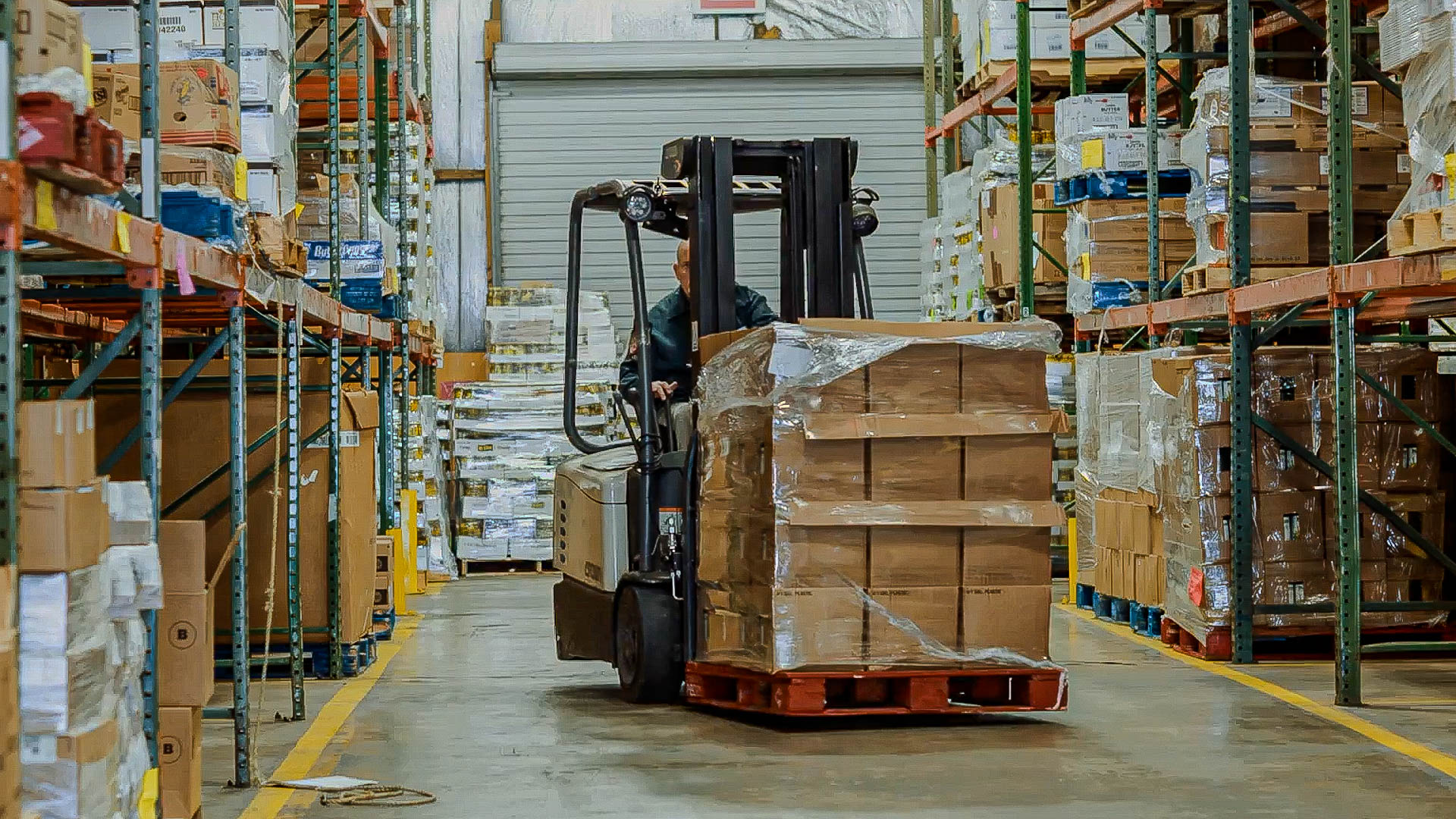
Engineers step in
The duo realized analytics could transform how food banks operate and volunteered to help solve the problem.
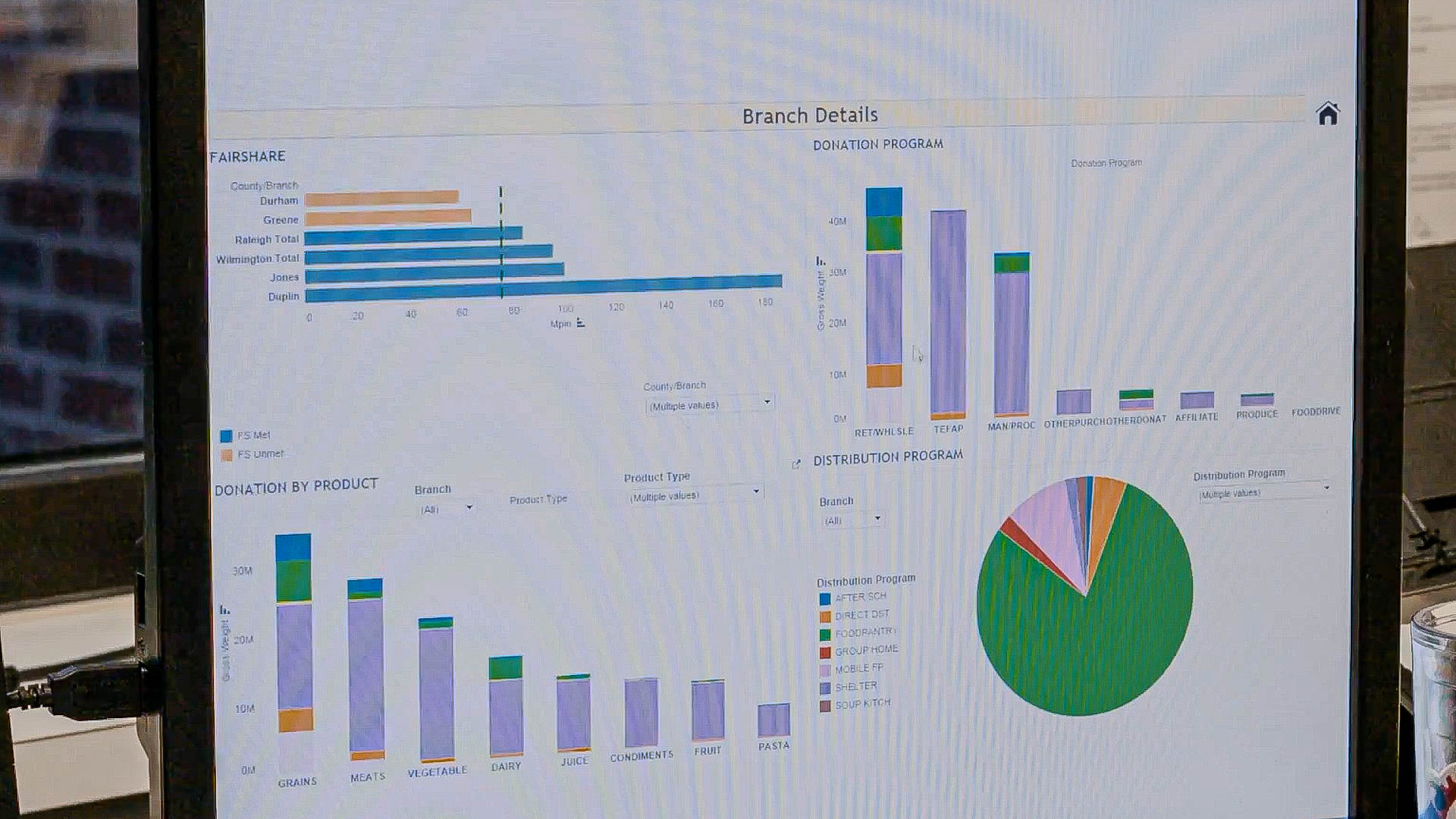
From data to insight
They sifted through millions of records, turning raw data into actionable information for better planning.
Predicting donations
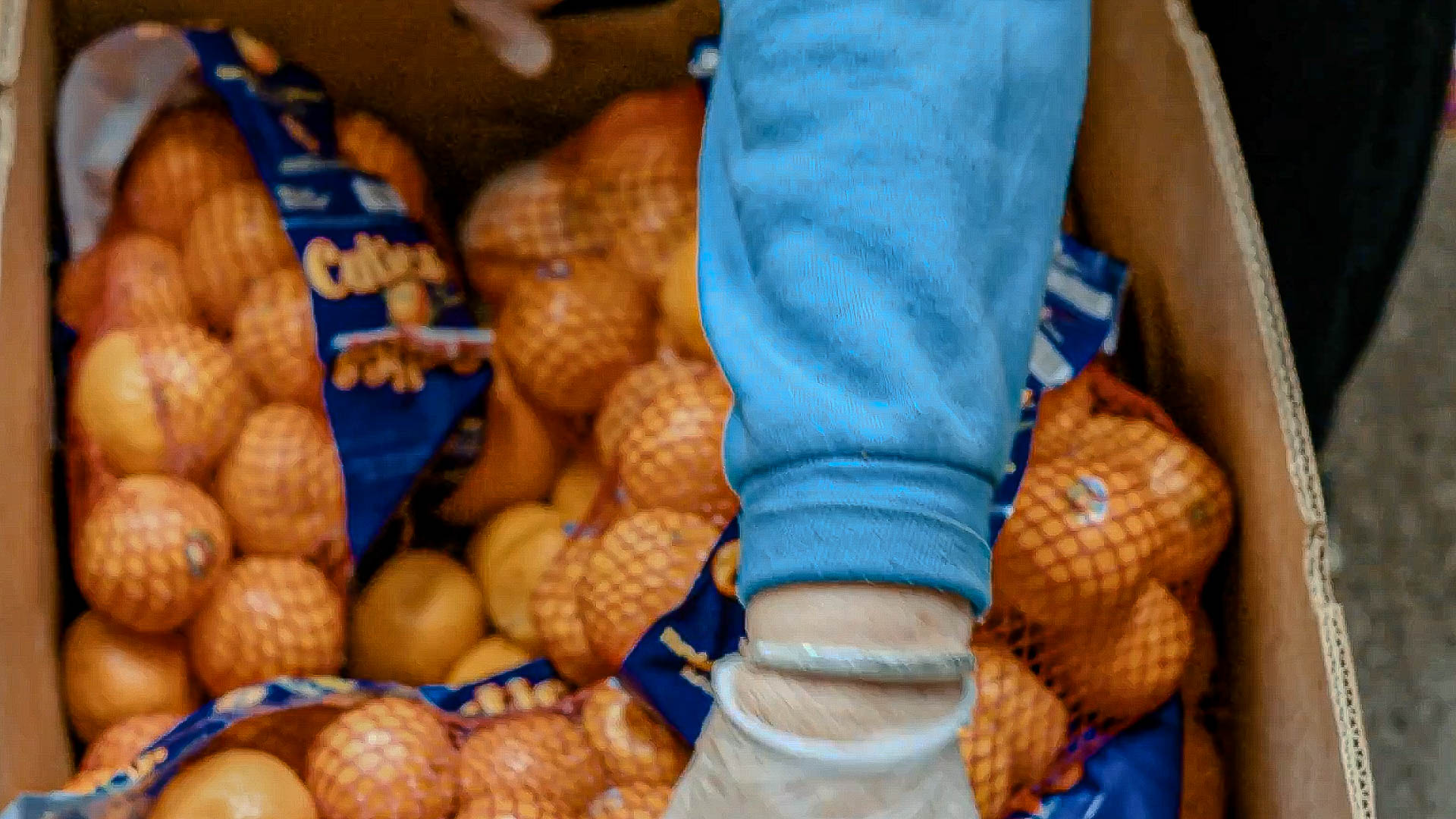
Models forecast potential food donations, helping the food bank plan efficiently and reduce waste.
Estimating need
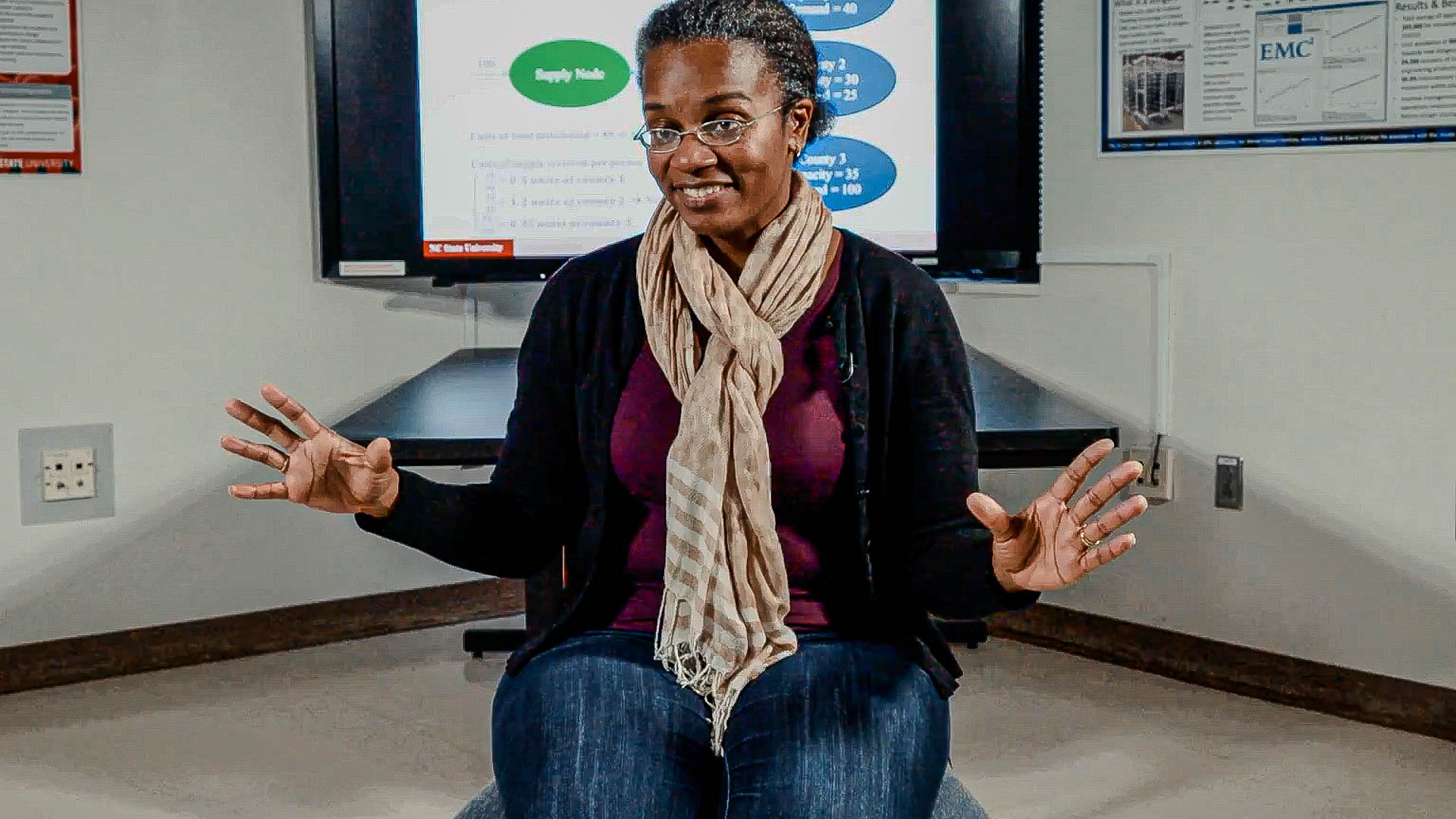
Other models estimate how many people will require assistance, using factors like unemployment and poverty rates.
Smarter logistics
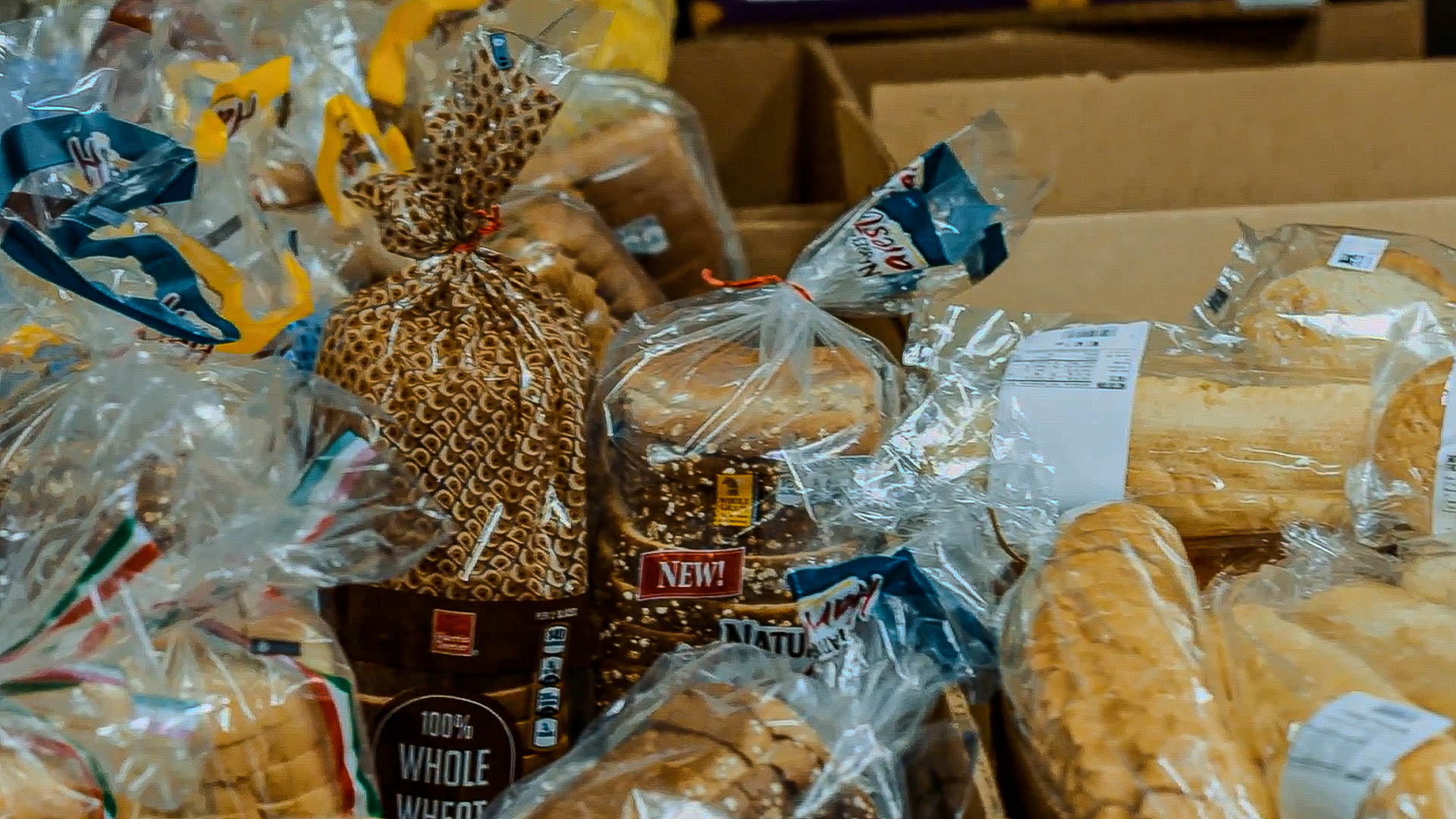
By predicting supply and demand, the food bank can maximize the number of people served while minimizing waste.

Data-driven decisions
Instead of relying on intuition, the team uses evidence to guide operations and resource distribution.
Making a measurable impact
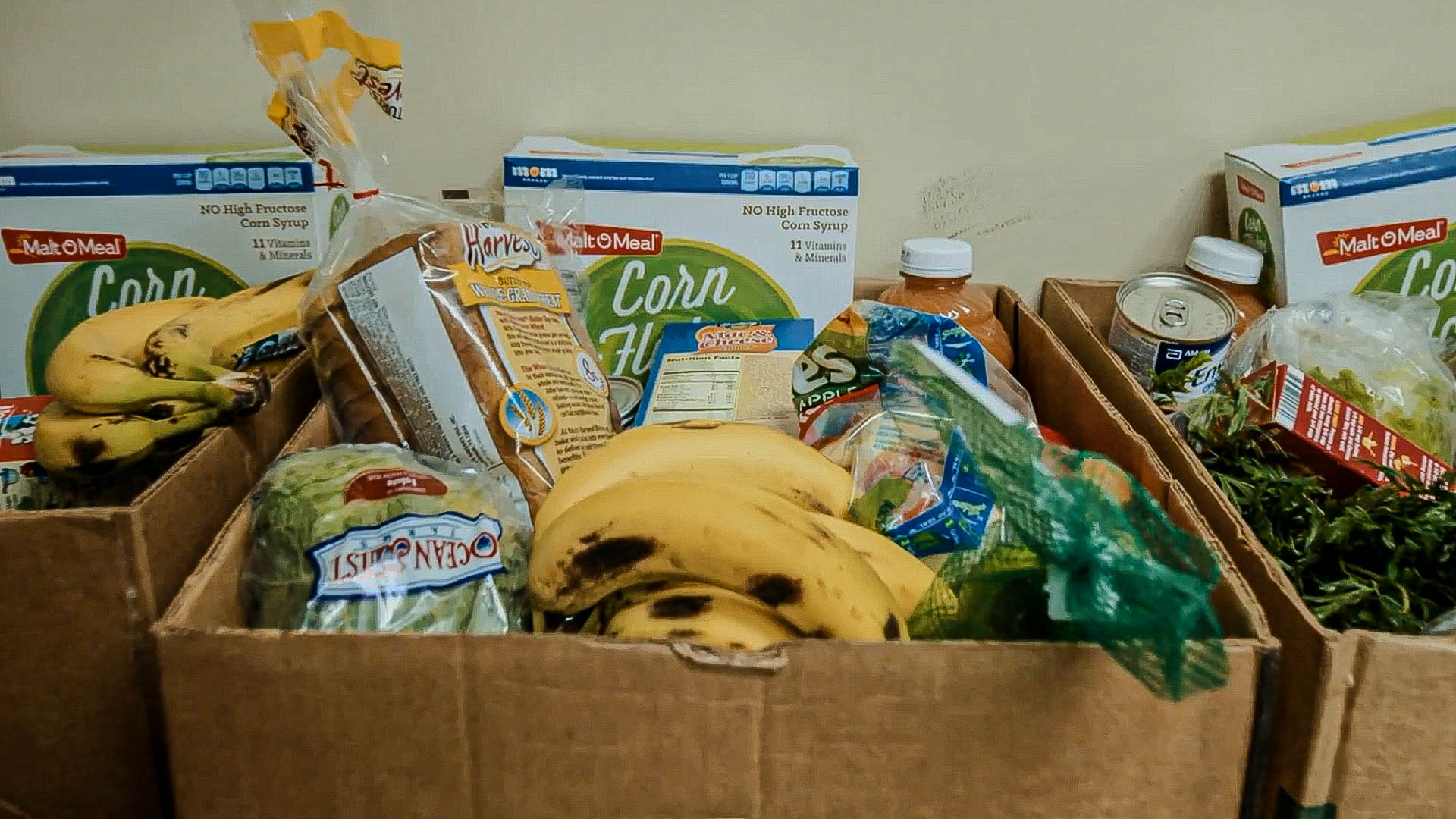
The analytics work is helping the food bank reach more people, improving efficiency and outcomes.
Scaling solutions
The approach can be applied to other food banks, offering a path to reduce hunger across broader communities.