How Henry Willis & Sons keeps the historic craft of pipe organ building alive
July 02, 2026
Explore how Henry Willis & Sons has preserved the art of pipe organ building for nearly two centuries, combining traditional craftsmanship, intricate engineering, and musical heritage.
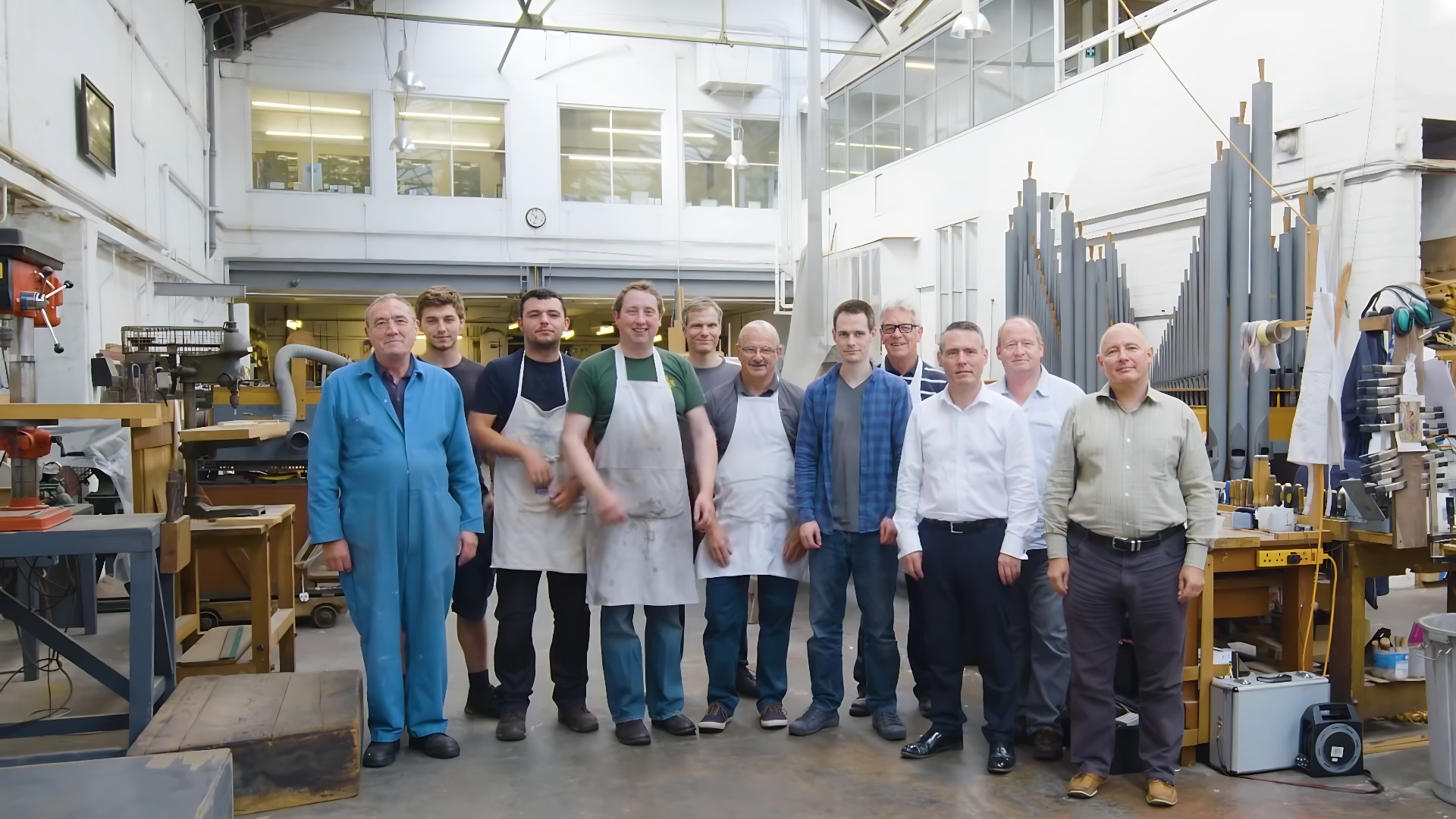
Henry Willis & Sons has shaped organ building for generations. Its legacy continues today.
Henry Willis & Sons is one of Britain's best-known pipe organ builders. Founded in the 19th century, the company continues to build, restore, repair, and maintain pipe organs across the British Isles and beyond.
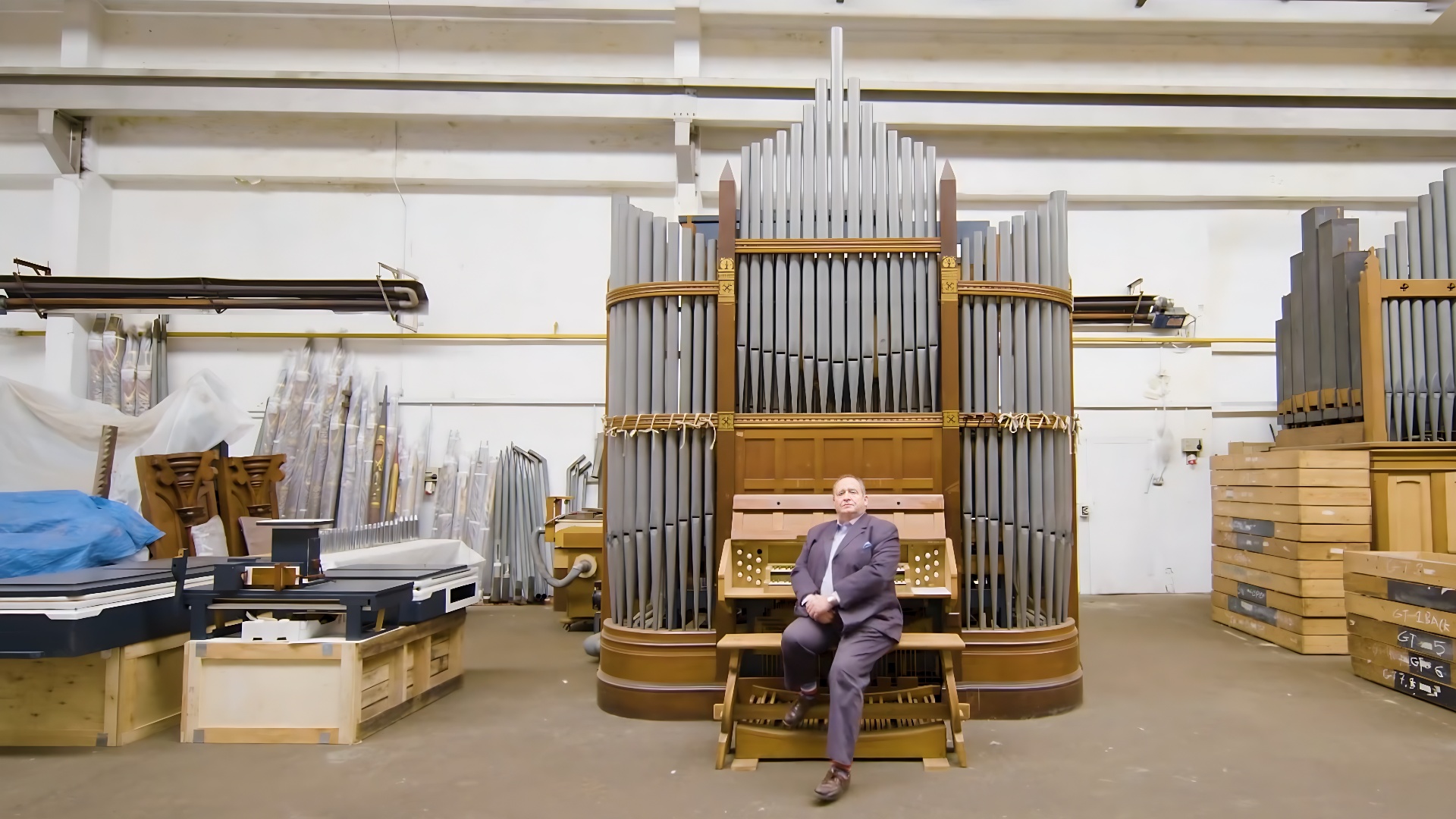
Church music creates a powerful atmosphere. The pipe organ stands at its heart.
For many visitors, organ music enhances moments of reflection and prayer. The instrument's deep, resonant tones can fill an entire building, creating an immersive listening experience.
The company traces its roots to Victorian London. A remarkable tradition began.
Founder Henry Willis established his business in 1845 after being born in London in 1821. His instruments became some of the largest and most respected pipe organs of the Victorian era.
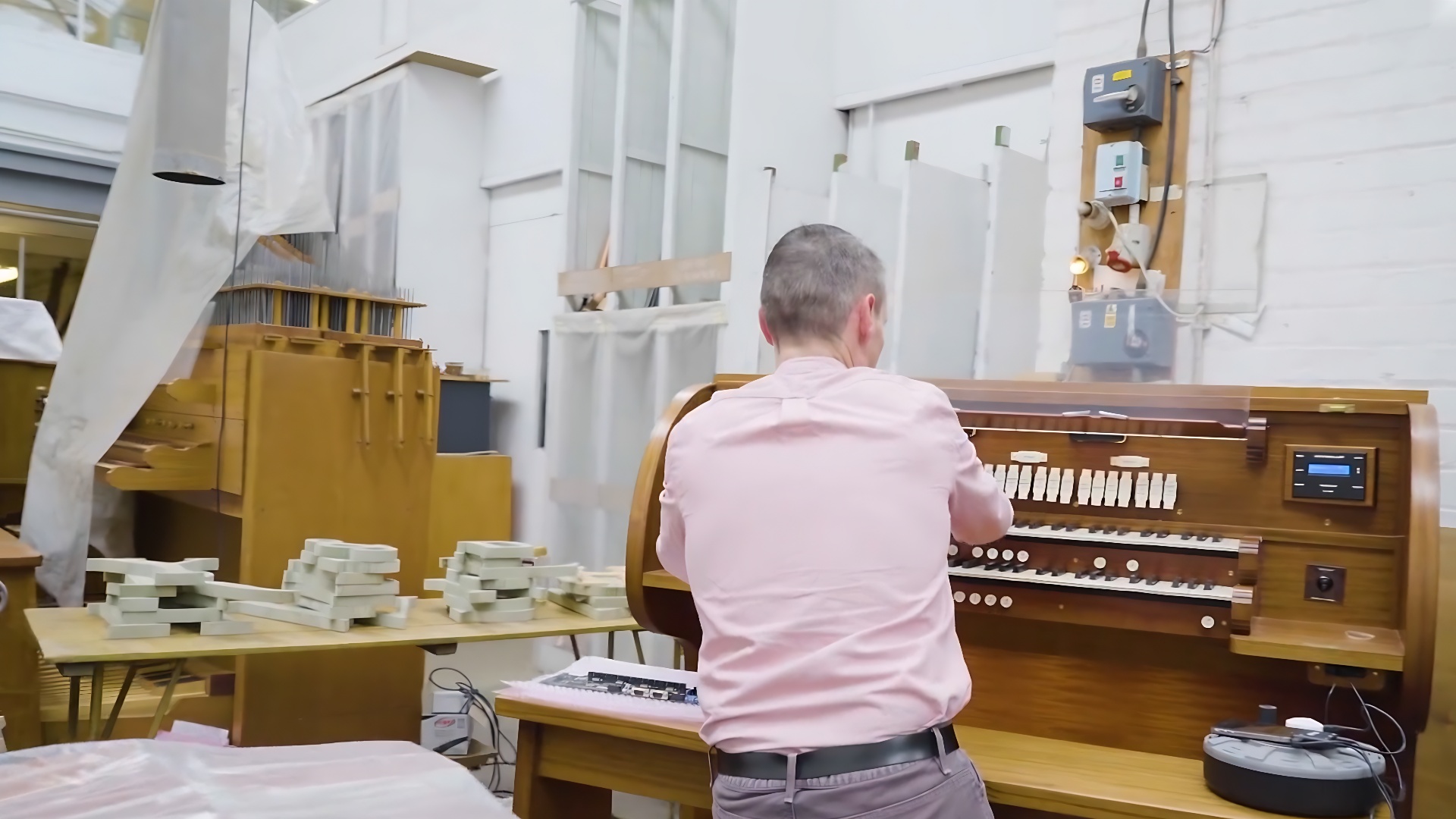
Every organ is a feat of engineering. Thousands of parts work together.
A typical pipe organ contains up to 10,000 moving parts. Before modern industrial machinery, it was considered one of the most complex mechanical creations ever built.
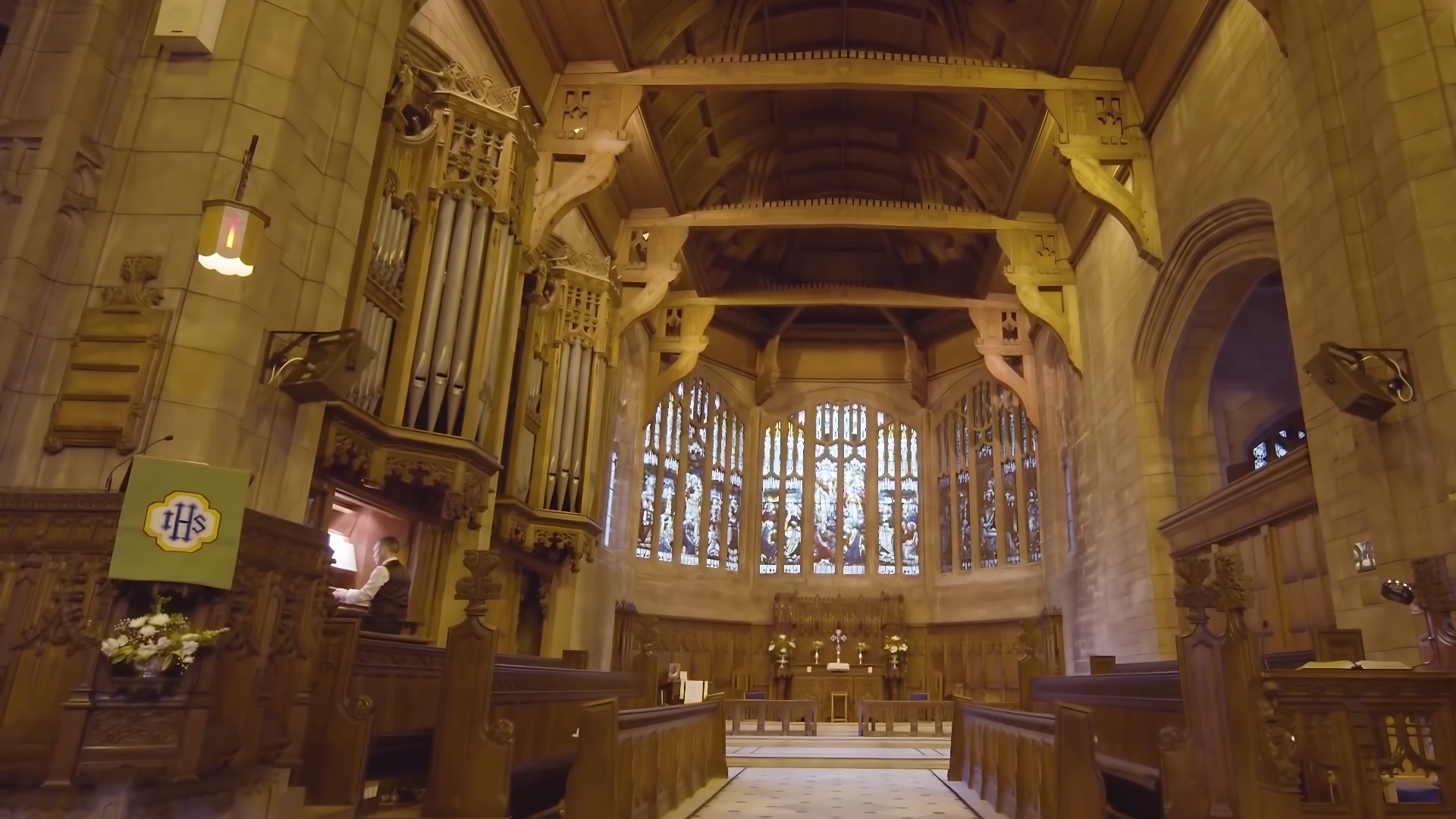
Sound begins with moving air. Pipe length shapes every note.
Pipe organs produce sound by directing air through carefully crafted pipes. Longer pipes create lower pitches, while shorter pipes produce higher notes.
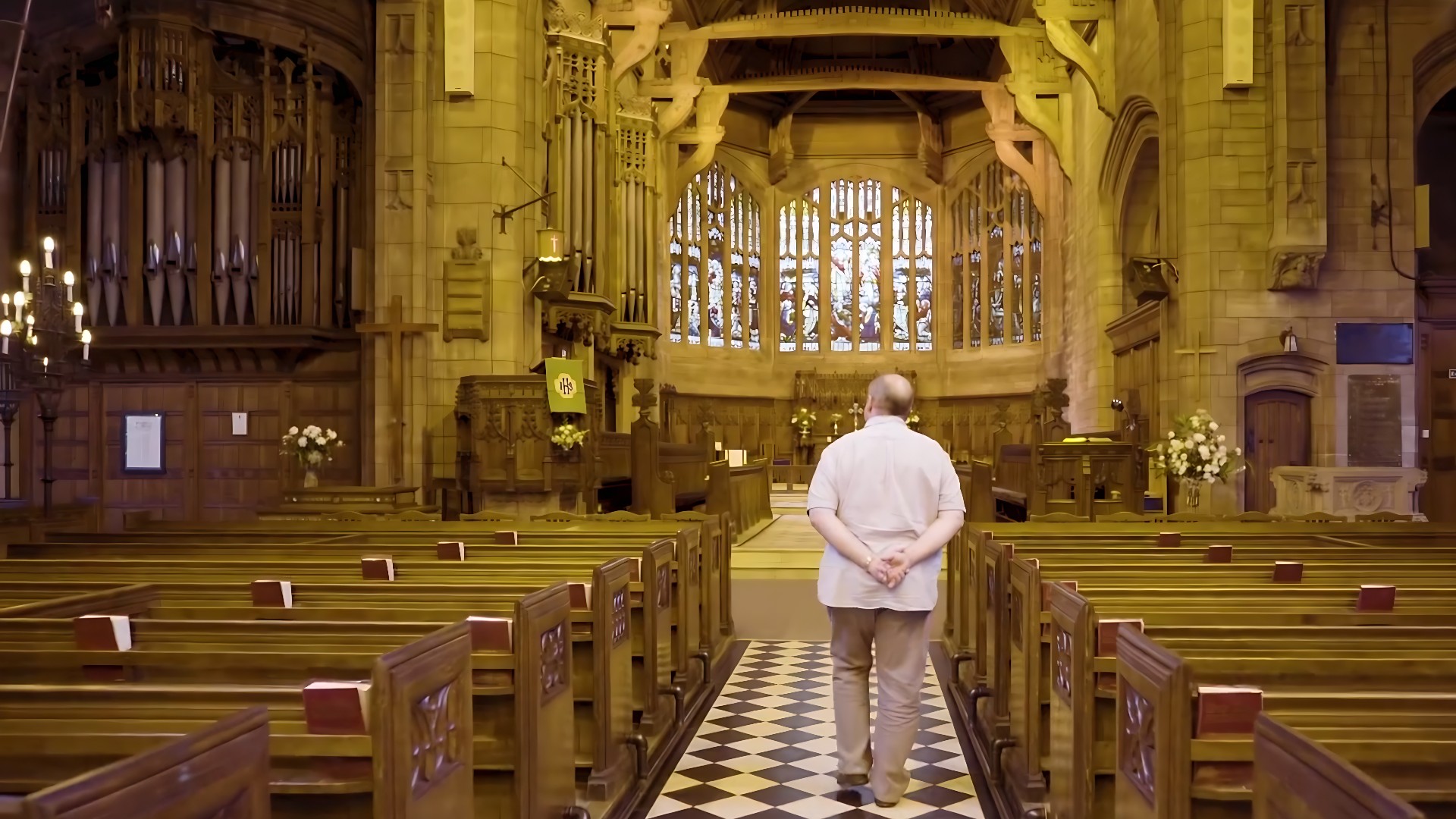
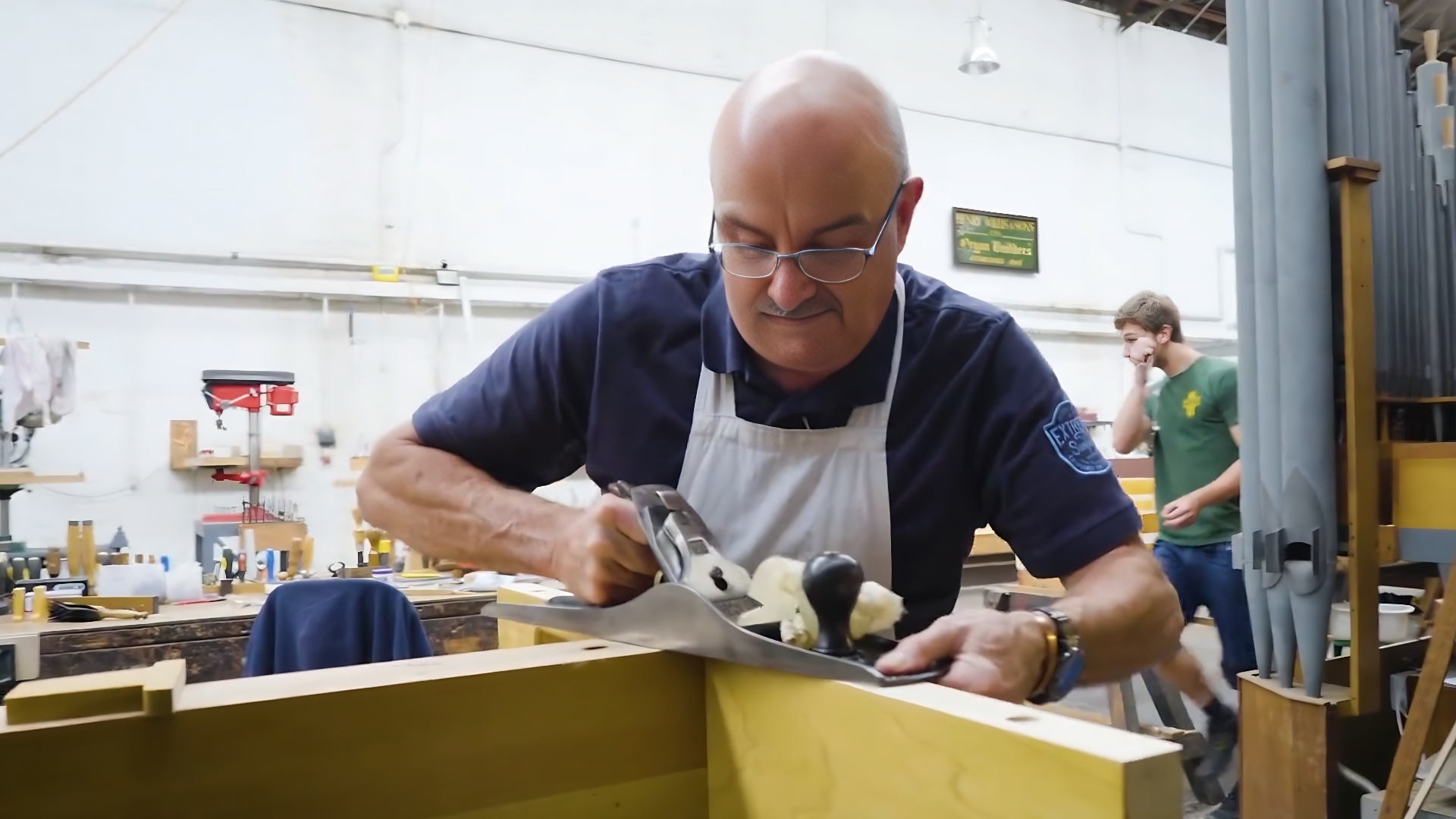
Centuries of craftsmanship still matter. Traditional methods remain essential.
Although modern equipment is used where helpful, much of the work is still completed by hand. Craftspeople continue to rely on techniques and tools passed down through generations.
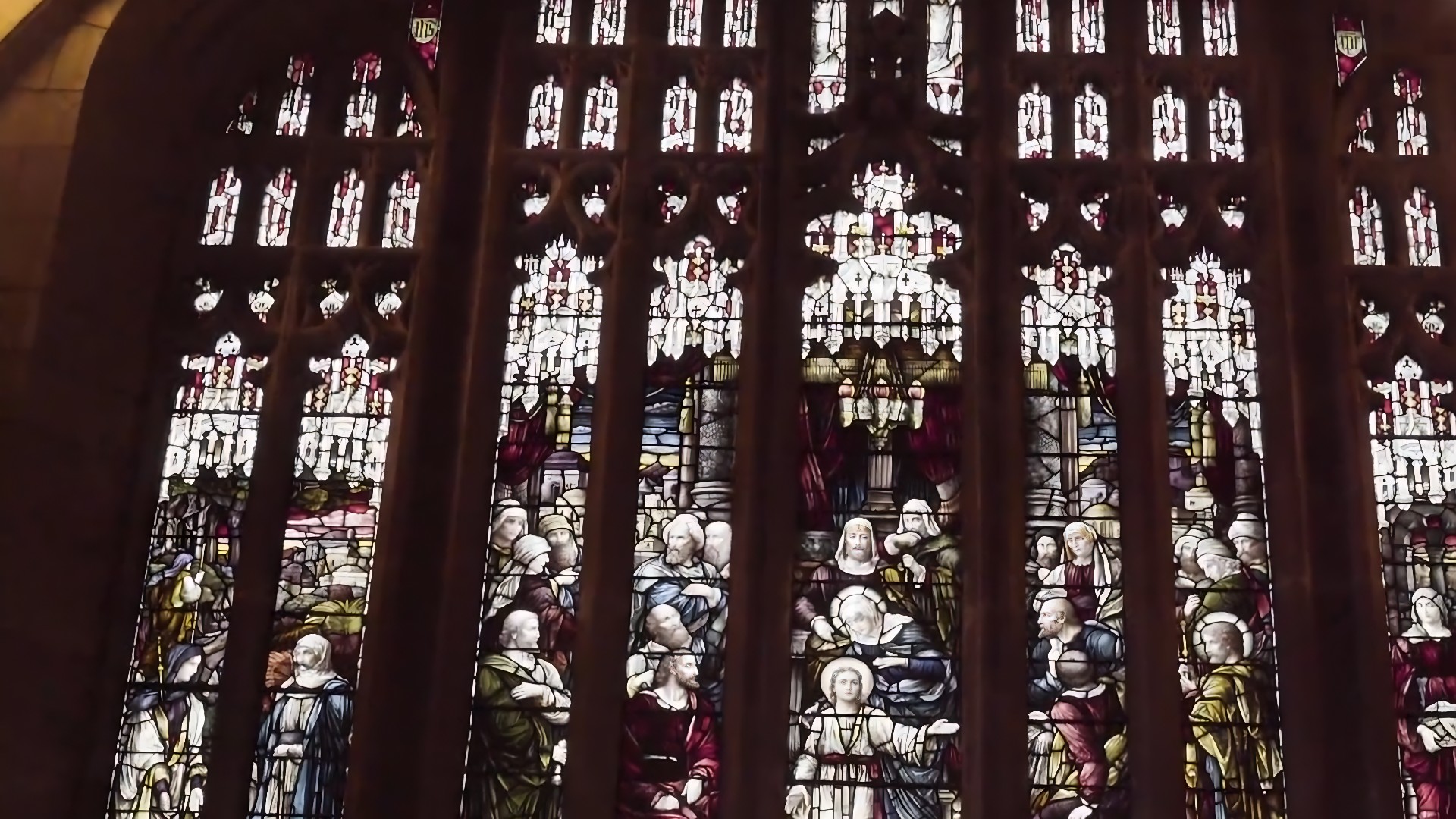
Every organ requires many specialist skills. Precision defines the process.
Building a pipe organ involves metal casting, soldering, metal forming, and expert joinery. Each component must be carefully crafted to ensure lasting performance.
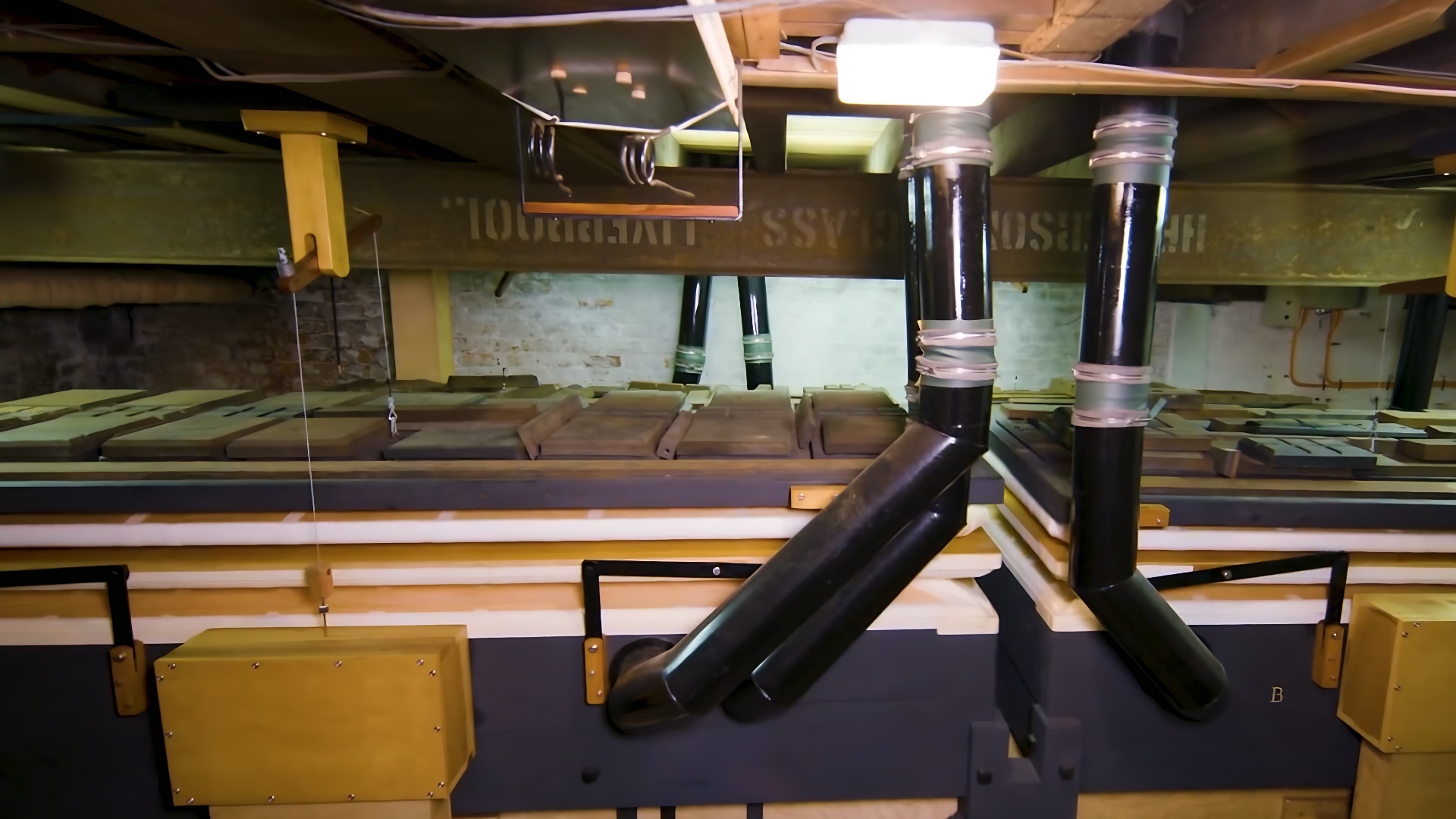
The instruments come in remarkable sizes. Their musical range is vast.
Some organs contain pipes as small as a quarter of an inch and as long as 32 feet. Together, they produce an extraordinary range of tones and dynamics.
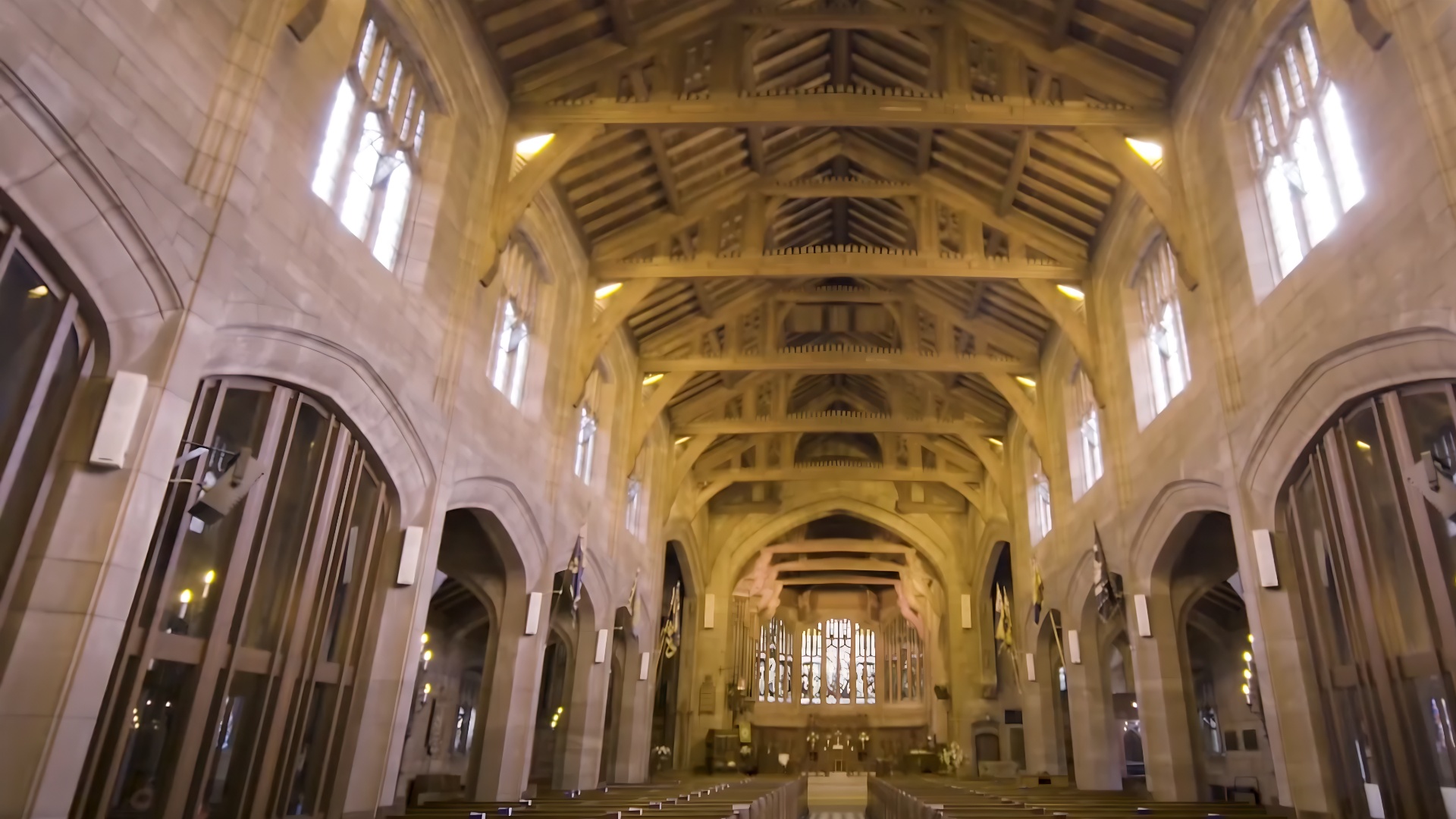
A finished organ transforms a space. Its sound fills every corner.
When played inside a large church or concert hall, a pipe organ creates powerful vibrations throughout the building. Its sound is valued for both its richness and emotional impact.
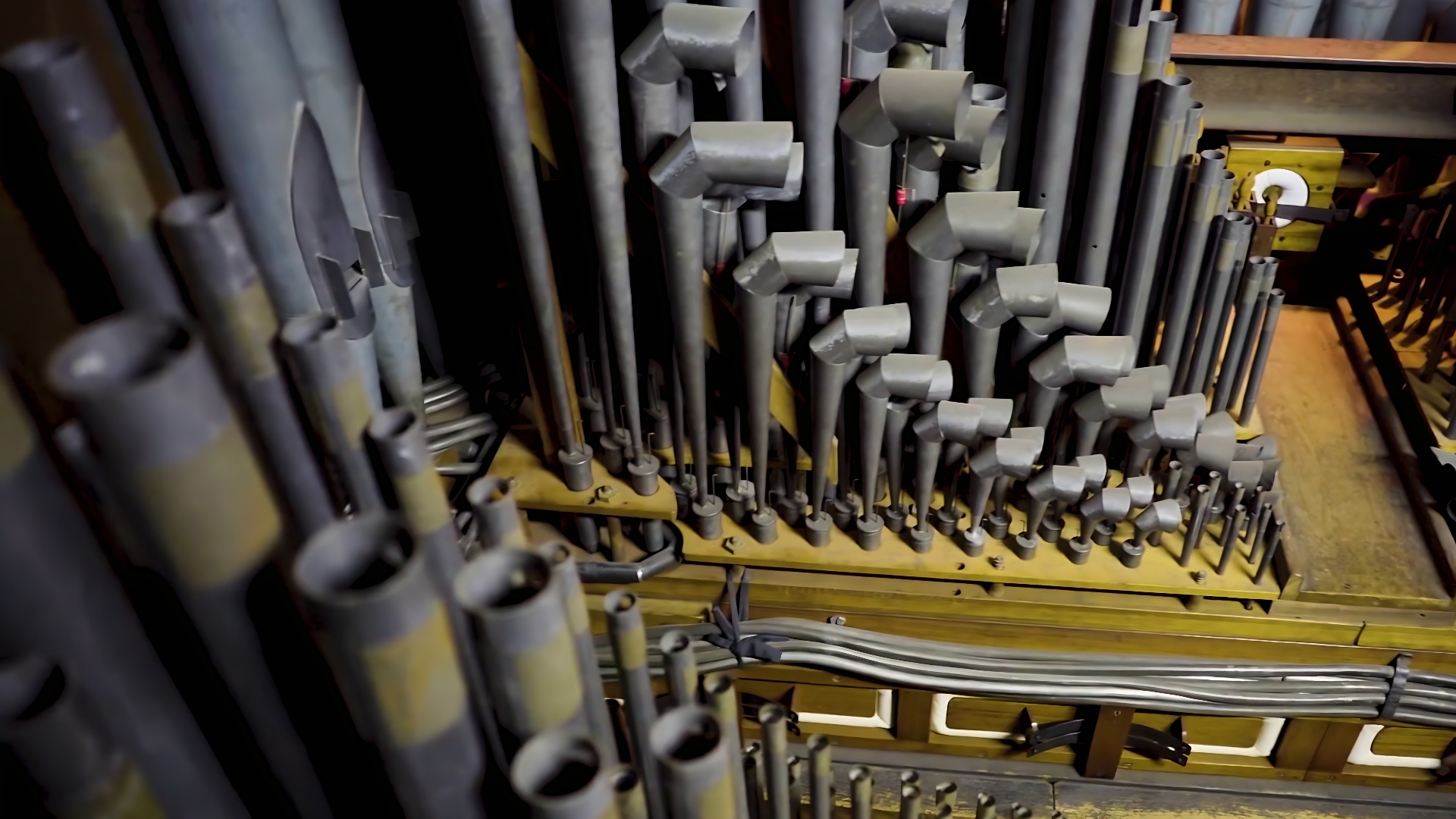
Tradition continues through skilled hands. Every completed organ becomes a lasting legacy.
Nearly two centuries after its founding, Henry Willis & Sons continues to preserve the art of pipe organ building. Each completed instrument reflects generations of craftsmanship and dedication.