How Left at London turned voice training into musical expression
August 20, 2026
Singer-songwriter Nat Puff, known as Left at London, transformed her personal voice-training journey into a unique artistic style. By embracing both higher and lower vocal ranges, she developed a distinctive sound that reflects creativity, identity and self-expression.
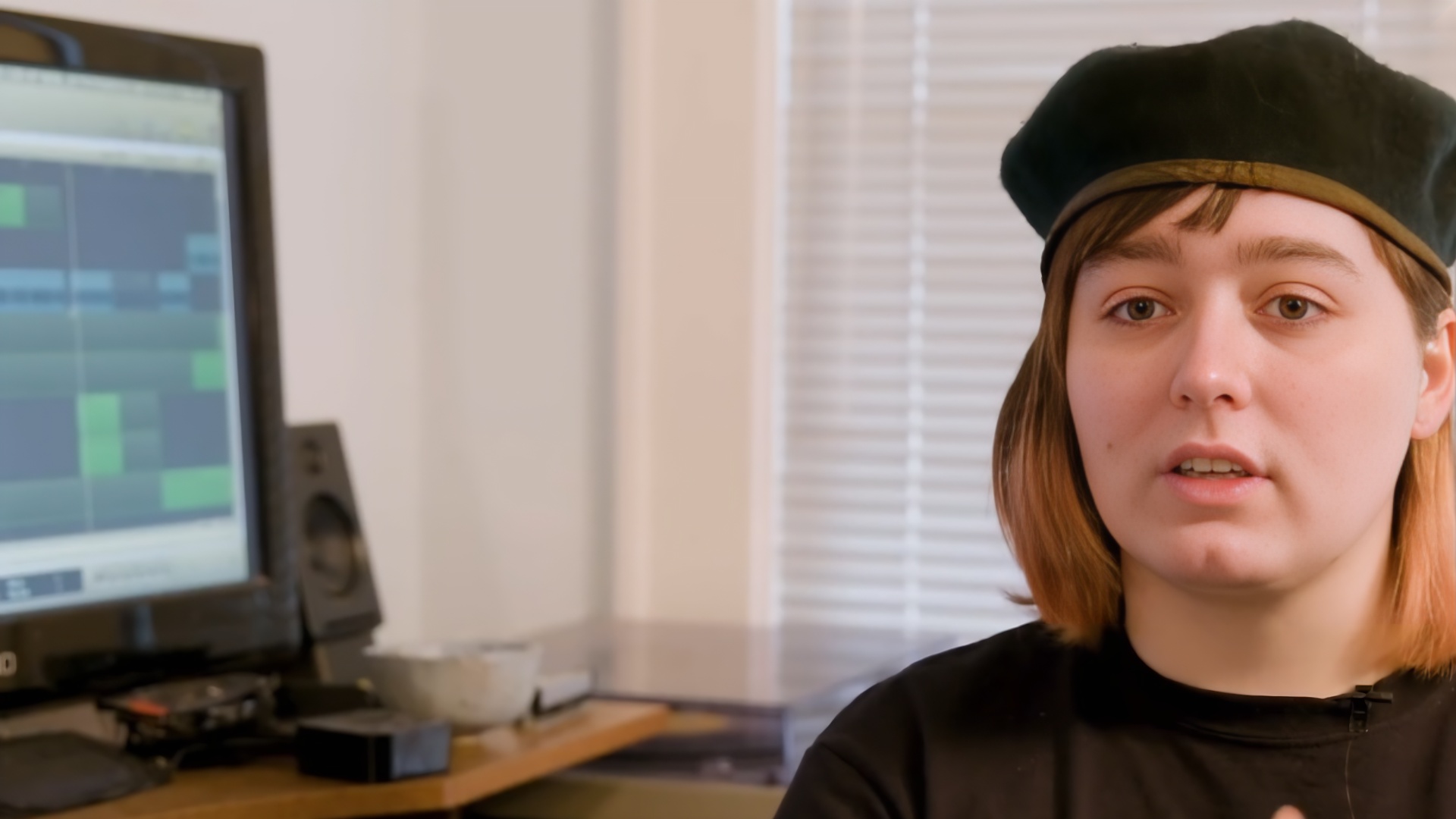
Nat Puff performs music as Left at London. Her vocal range became part of her sound.
Singer-songwriter Nat Puff, known professionally as Left at London, has developed an approach that allows her to use both higher and lower parts of her vocal range in her music.
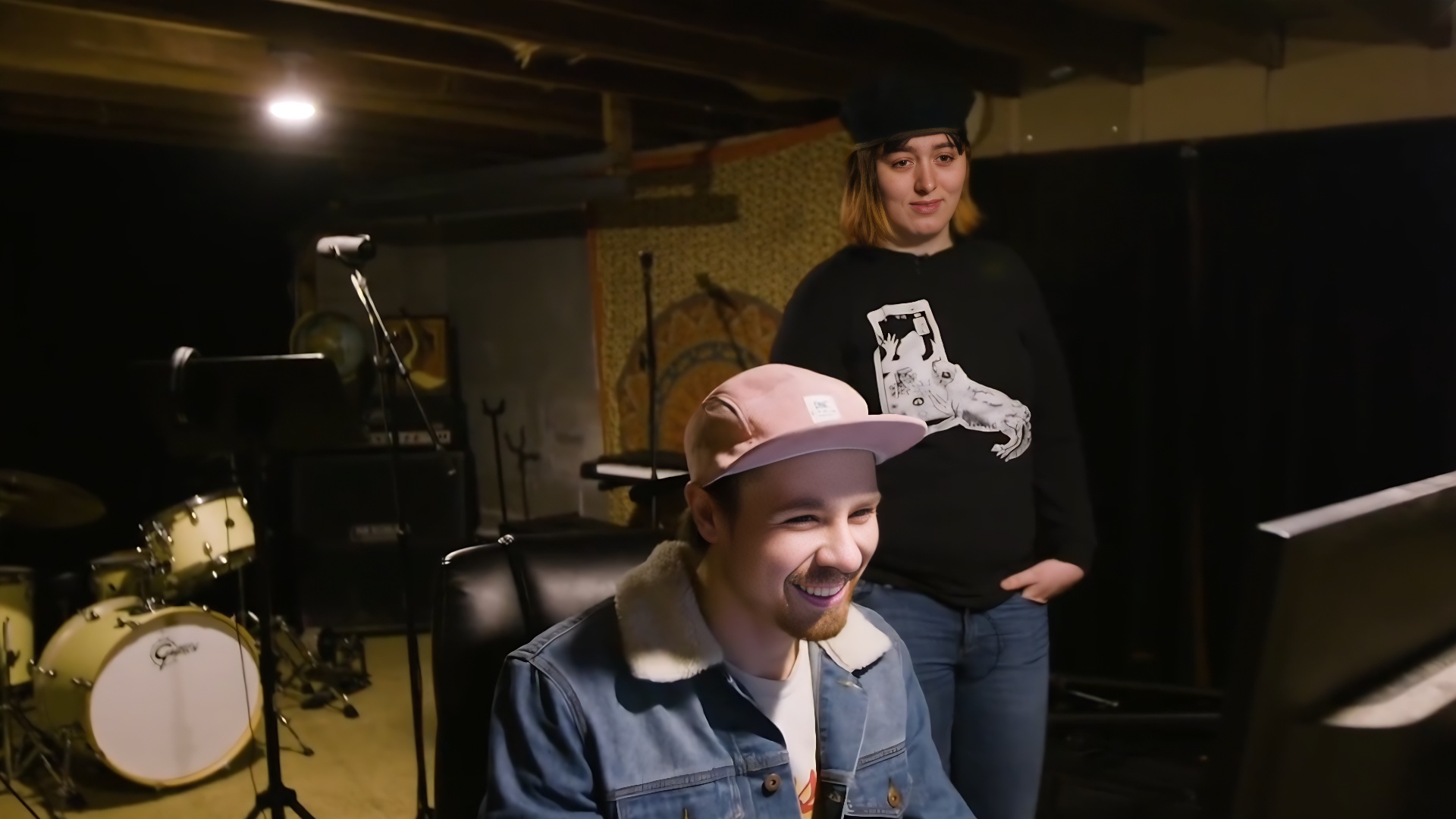
Her voice became part of her transition. She wanted speech that felt more comfortable.
As a transgender woman, Puff decided to train her speaking voice. The process was motivated by a desire to develop a voice that felt more comfortable and aligned with how she wanted to express herself.
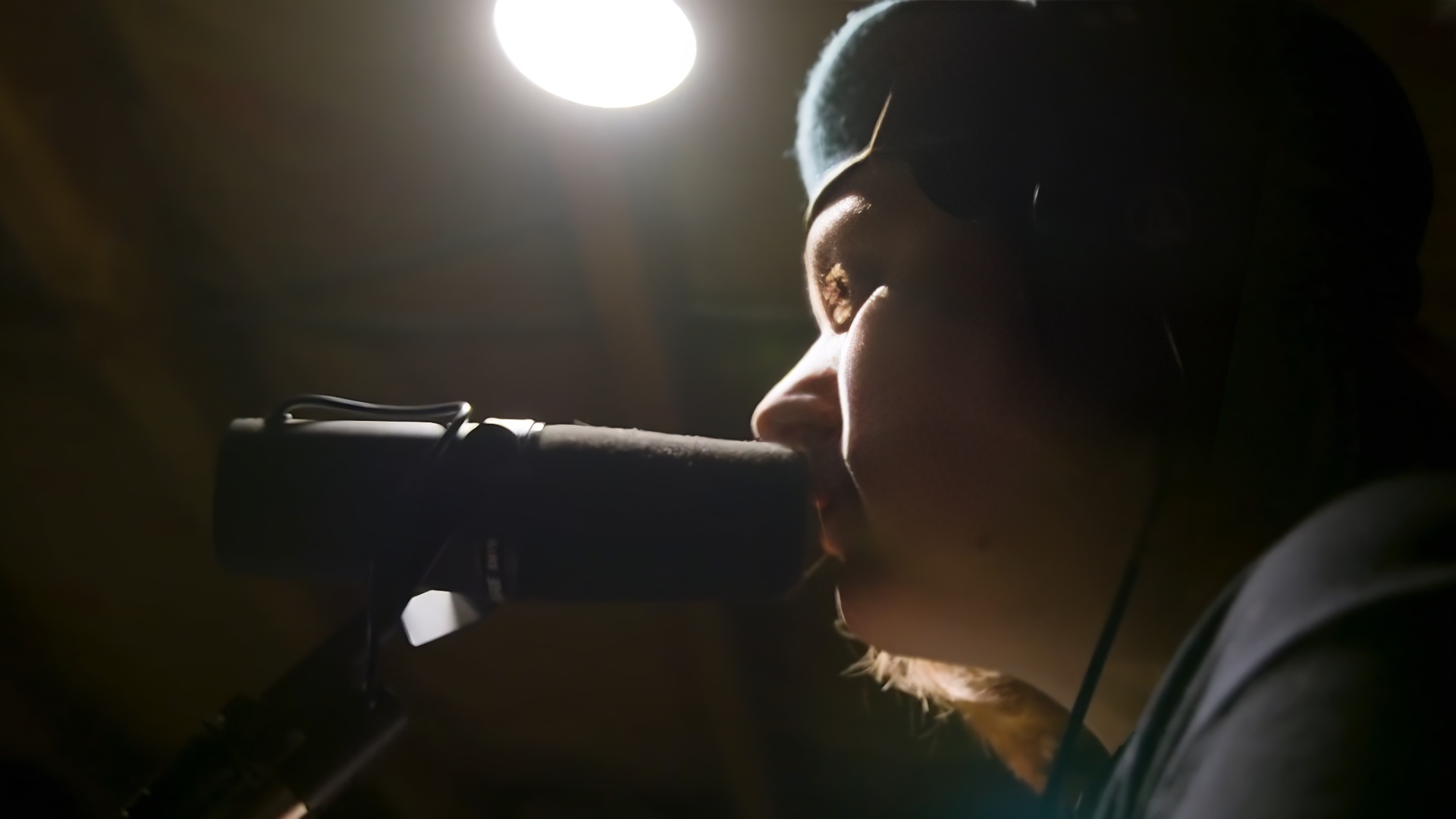
Voice training required patience. The process took nearly two years.
Puff spent about two years developing greater control across different parts of her range. The training involved more than simply moving between a lower voice and falsetto.

Her lower register did not disappear. It found a place in her music.
Rather than abandoning the lower range she had used before voice training, Puff incorporated it into her work. This gave her another vocal tool for shaping songs and expressing different ideas.
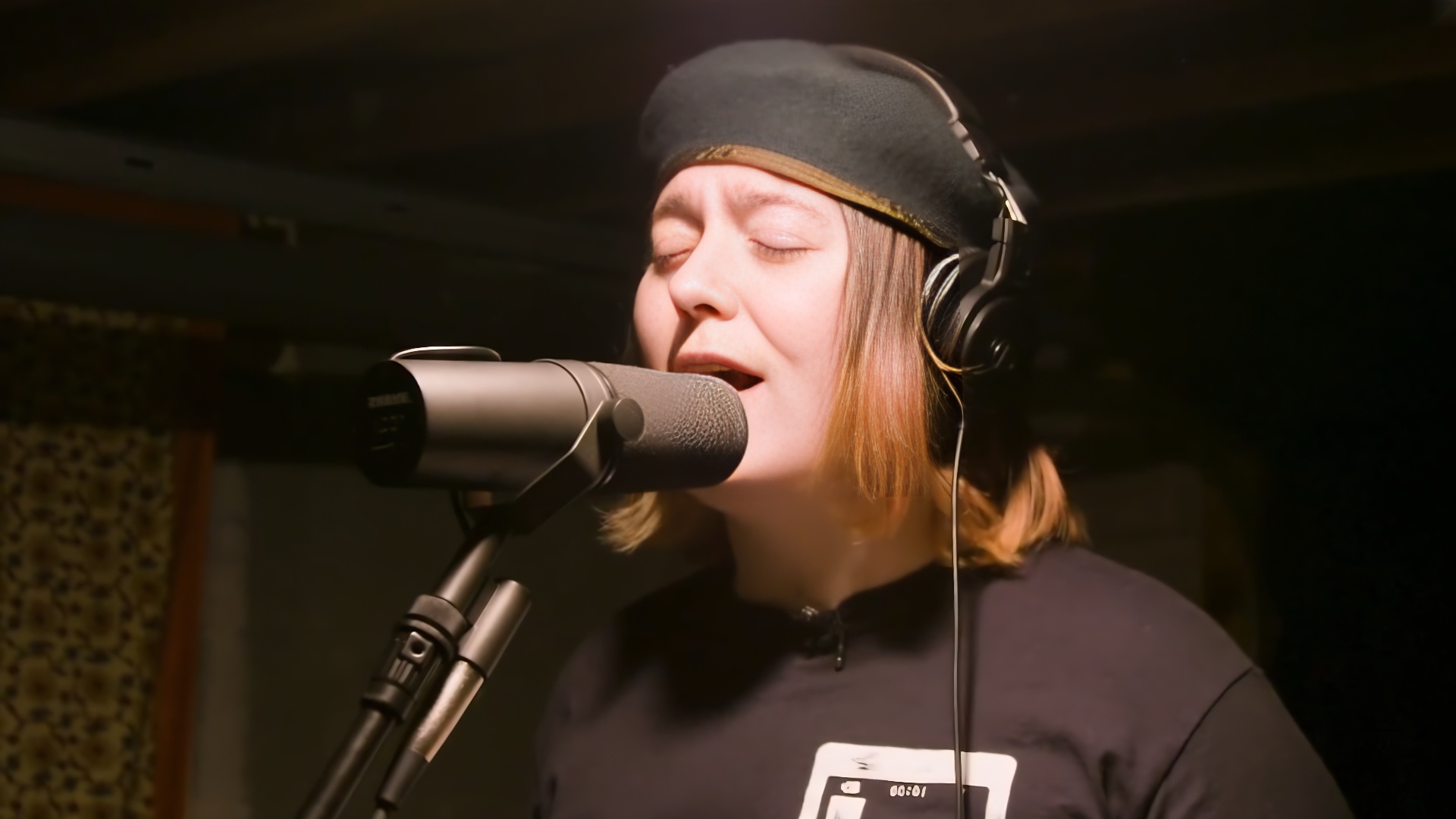
Switching registers became a musical technique. Different sections could carry different sounds.
Puff learned to move between vocal ranges within individual songs. Verses and choruses can feature noticeably different vocal qualities while remaining part of the same performance.
Making those changes sound natural took work. Control mattered more than a simple switch.
Puff explains that using different registers effectively required dedicated practice. She worked on avoiding an overly airy sound while developing smoother transitions between different areas of her voice.
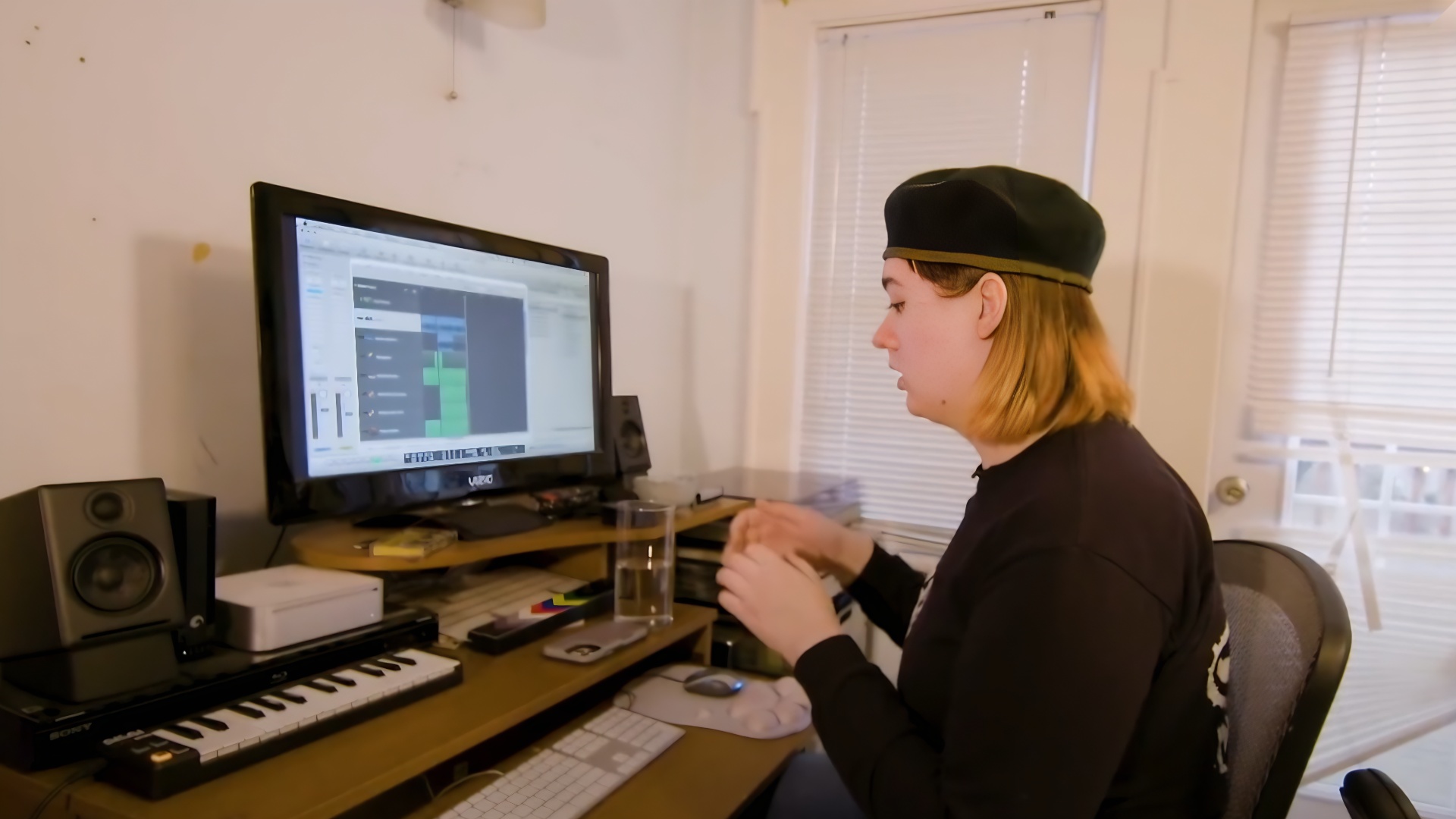
Her voice can still bring complicated emotions. Dysphoria has not completely disappeared.
Puff has acknowledged that aspects of her voice can still cause feelings of gender dysphoria. Her training did not erase every difficult feeling associated with the way she sounds.
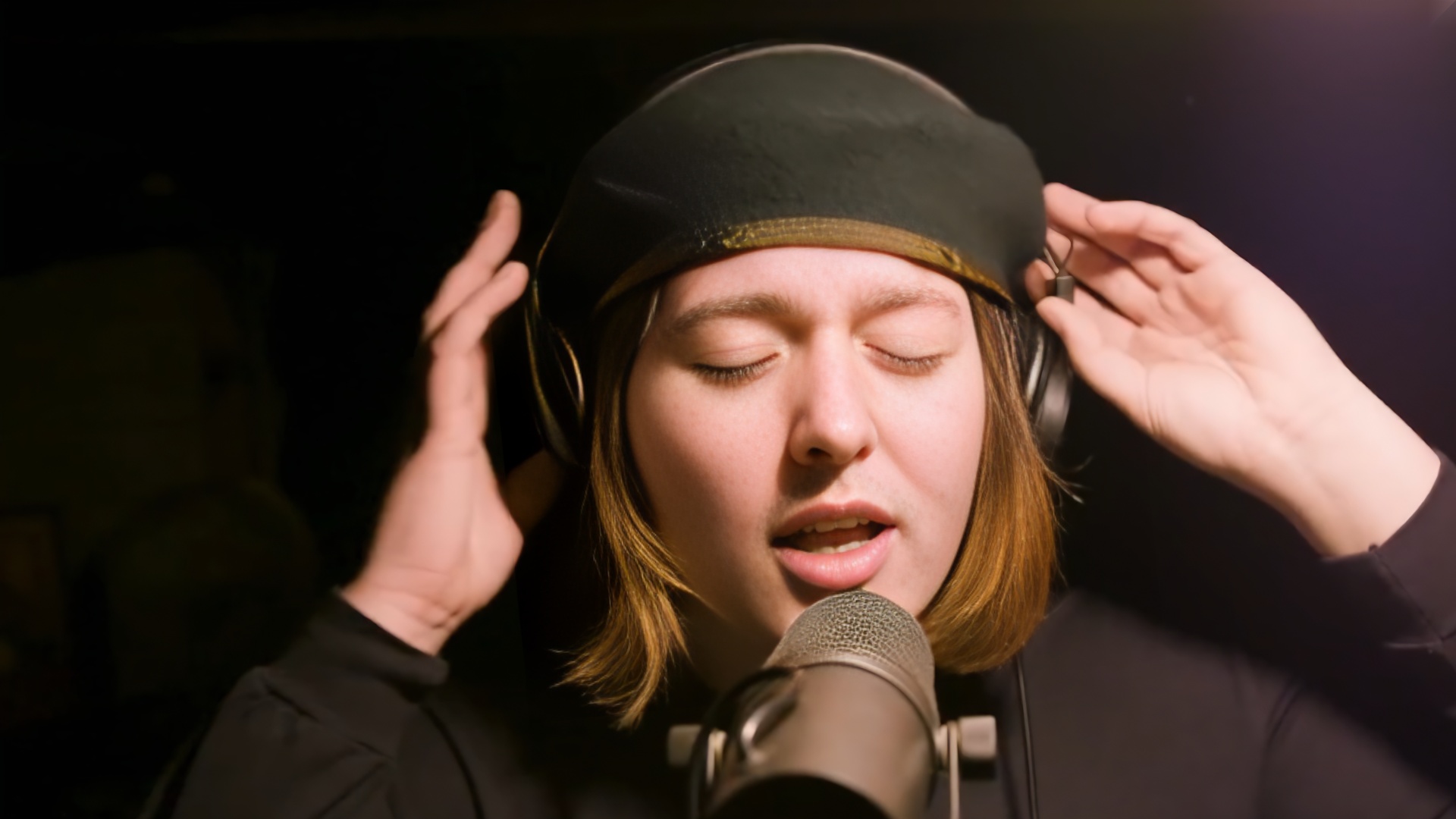
Acceptance changed her creative approach. Every part of her range became useful.
Instead of hiding the parts of her voice that sometimes caused discomfort, Puff learned to incorporate them into her music. She believes that acceptance has ultimately strengthened her work.

Listeners connected with that openness. Some recognized their own experiences.
Puff’s willingness to use her lower register has resonated with listeners who have experienced discomfort about their own voices. Her music demonstrates how a personal challenge can become part of creative expression.
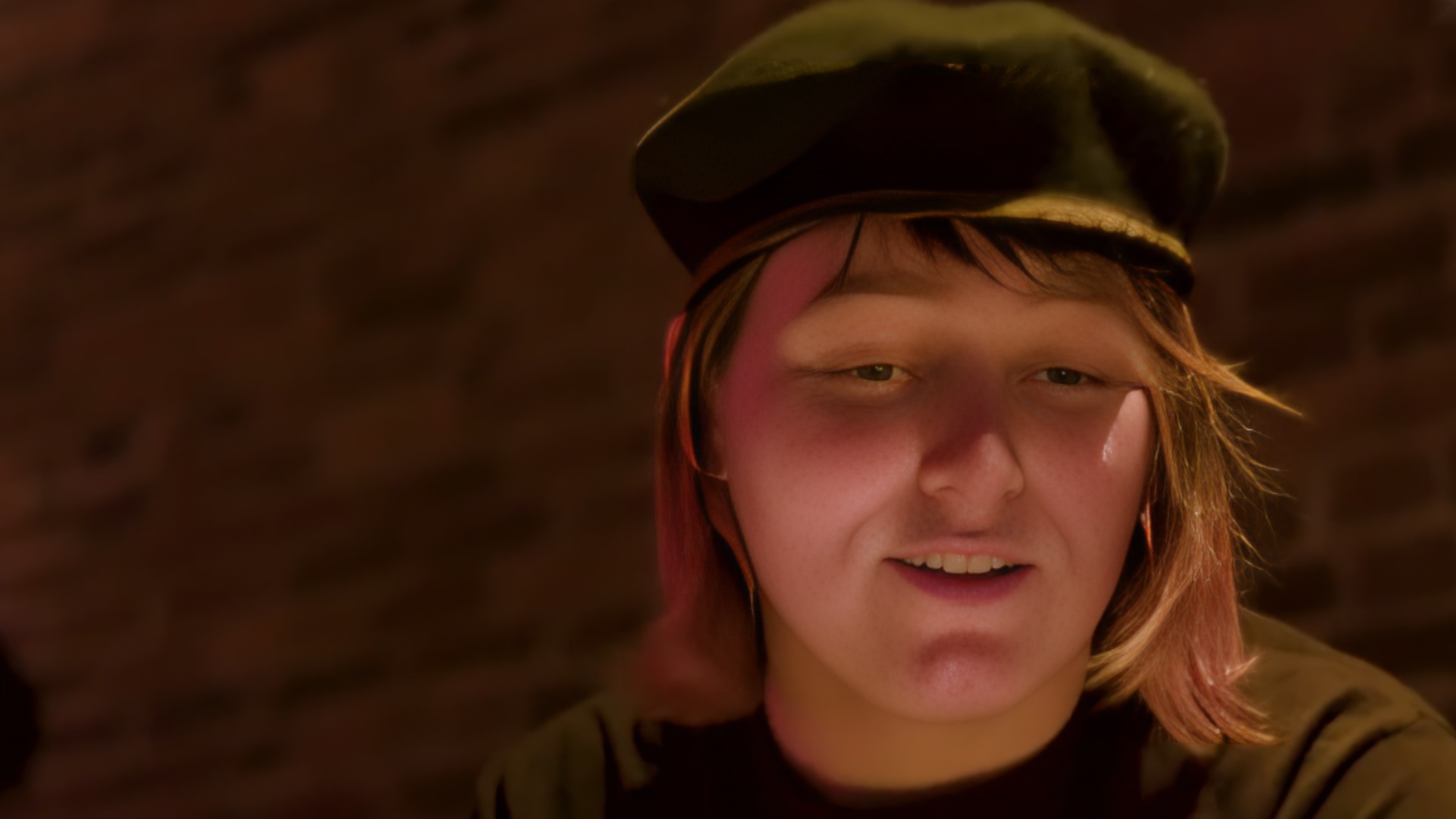
Finding her voice meant embracing its full range. Self-acceptance became part of the music.
Puff’s vocal journey is about more than learning a technique. By using both the higher and lower parts of her voice, she has turned years of training and self-discovery into a distinctive element of her musical identity.