How Malcolm used technology to innovate fish farming
July 18, 2026
Malcolm transitioned from a 20-year IT career to fish farming in Singapore, applying technology to improve hatchery operations and production efficiency. His approach combines traditional aquaculture with modern tools, supplying high-quality seafood to restaurants and markets.
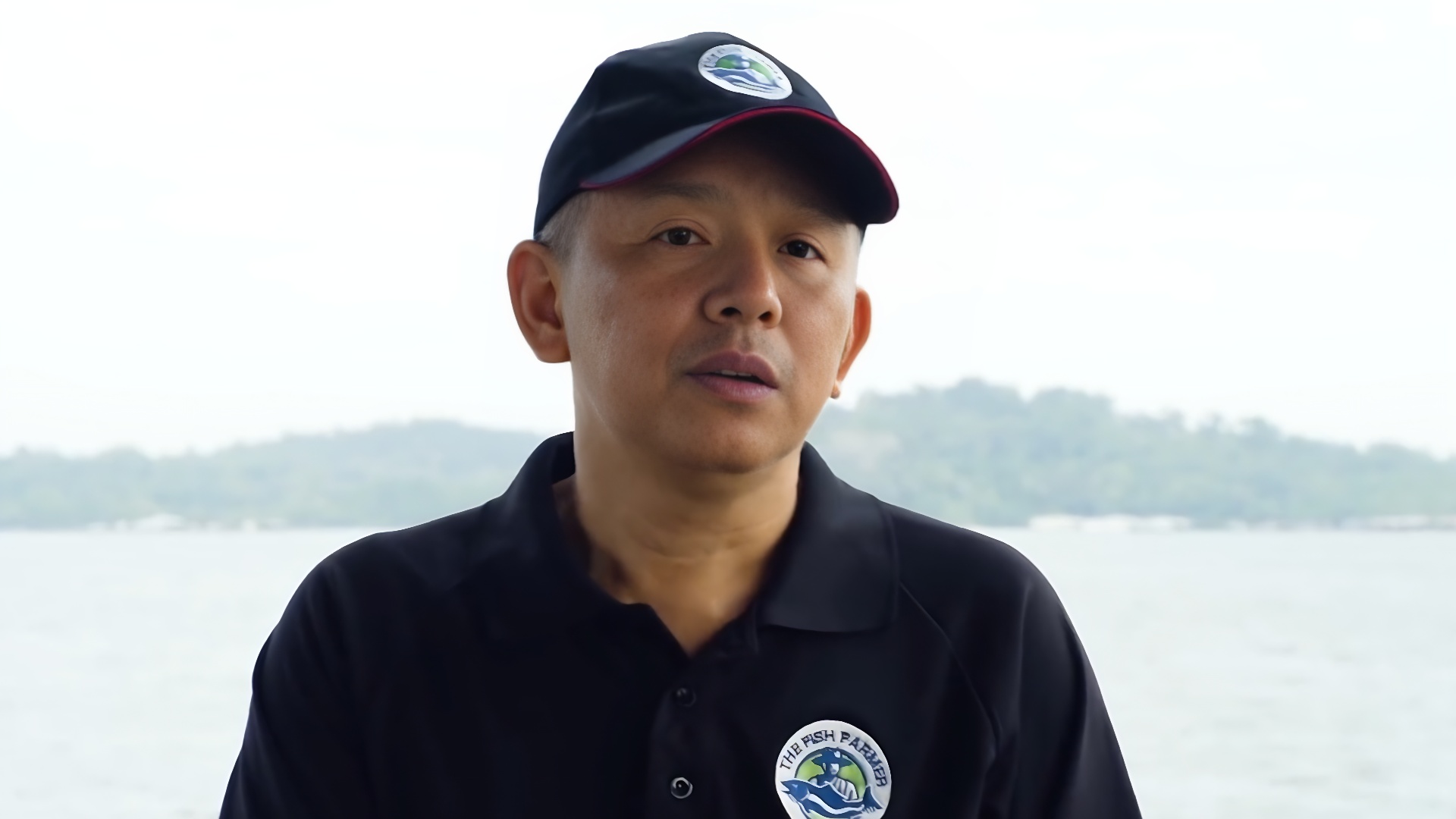
Malcolm swapped an IT career for fish farming. His passion led him to the sea.
After more than two decades working in information technology, Malcolm chose a very different career path. He combined his technical knowledge with a lifelong interest in aquaculture.
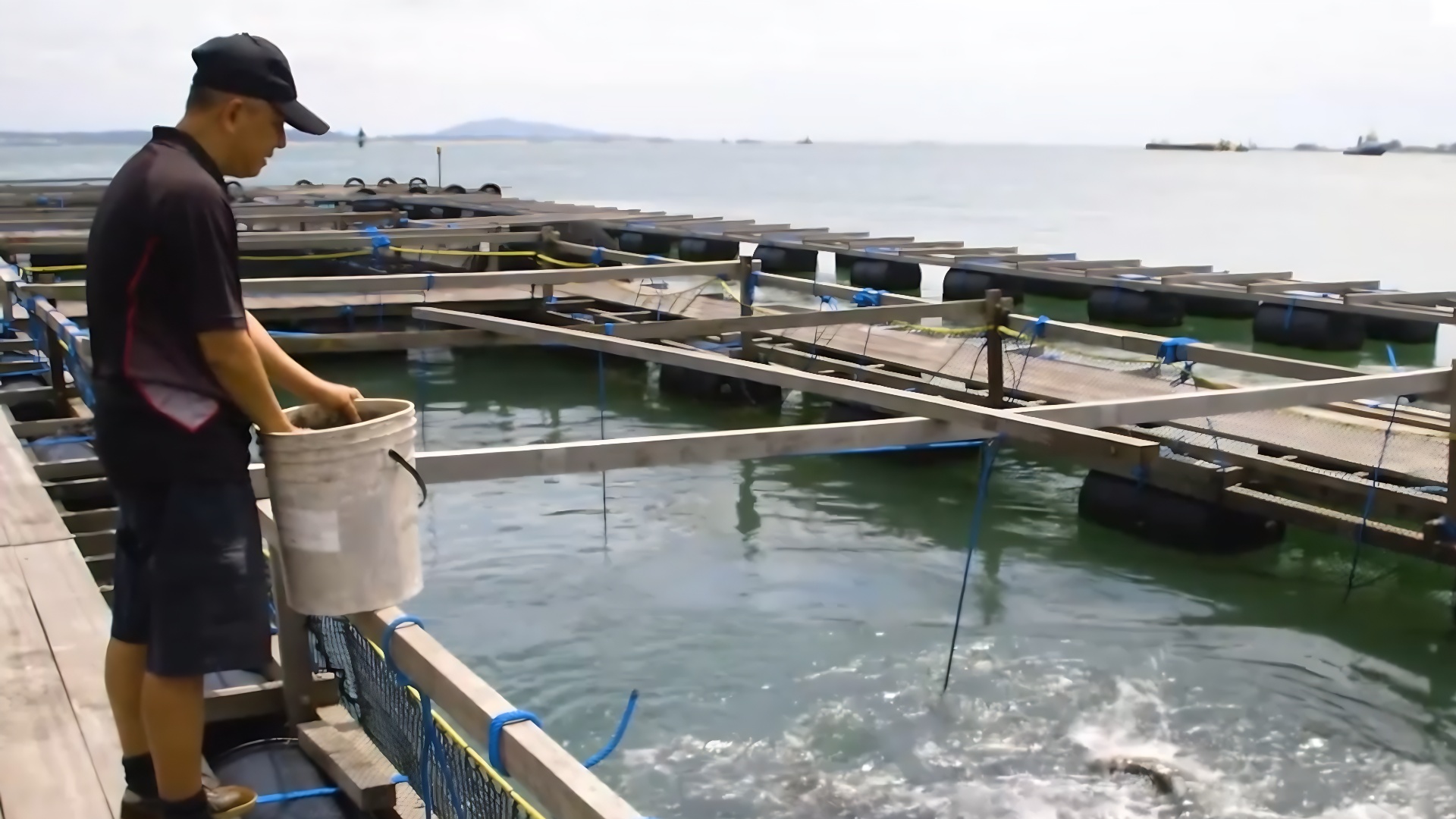
Life on the water replaced the office. A new challenge began.
Leaving behind computers, air-conditioned offices, and corporate meetings, Malcolm embraced the daily demands of fish farming. The transition reflected a desire to pursue more meaningful work.
Conversations with farmers changed his perspective. Their passion inspired his next step.
Over the years, Malcolm met experienced fish farmers who shared their knowledge and commitment to the industry. Their enthusiasm encouraged him to build a future in aquaculture.
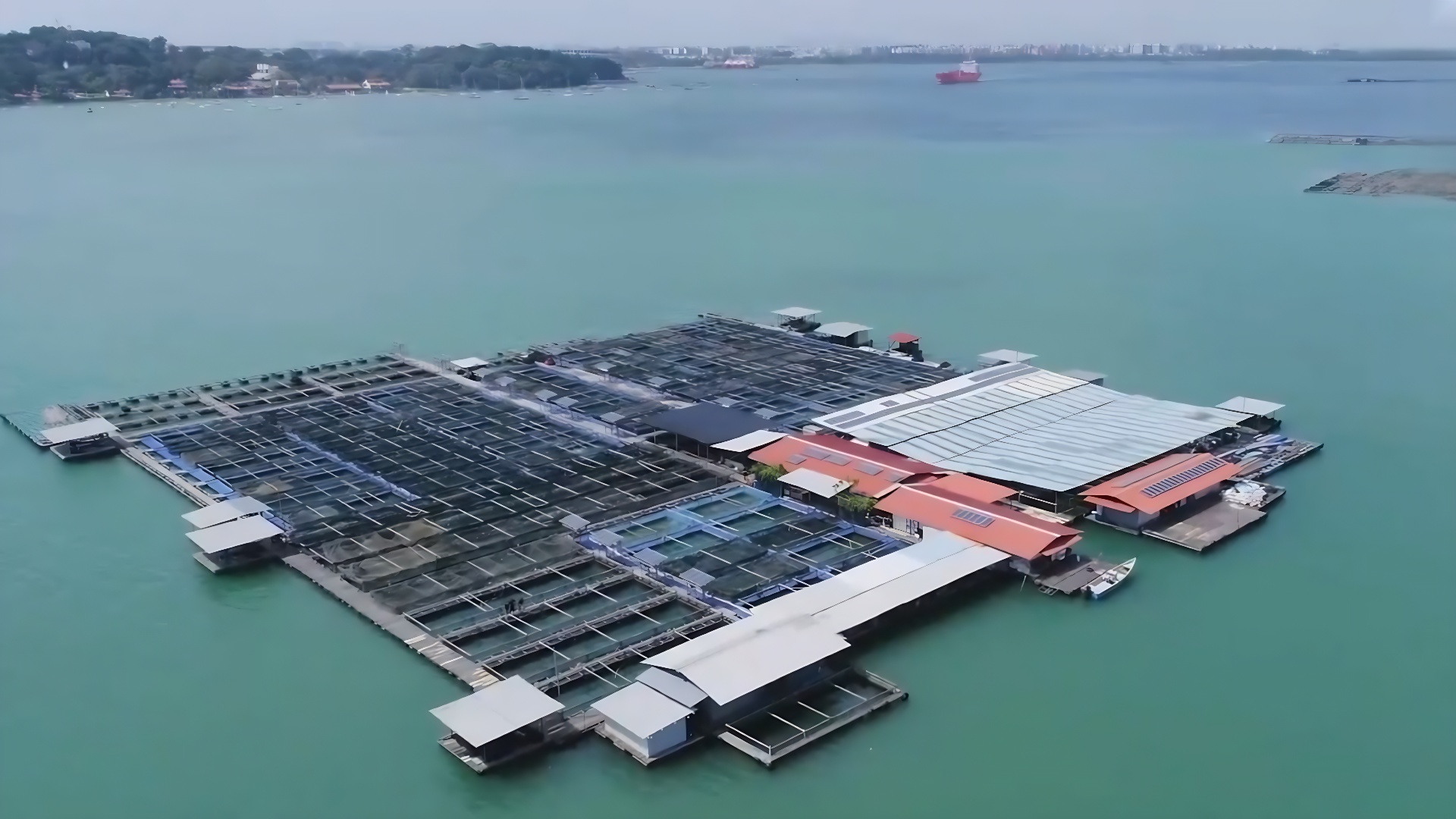
Technology remained part of the journey. Old skills found a new purpose.
Rather than leaving his IT experience behind, Malcolm applied it to improve everyday farming operations. His technical background became a valuable asset on the fish farm.
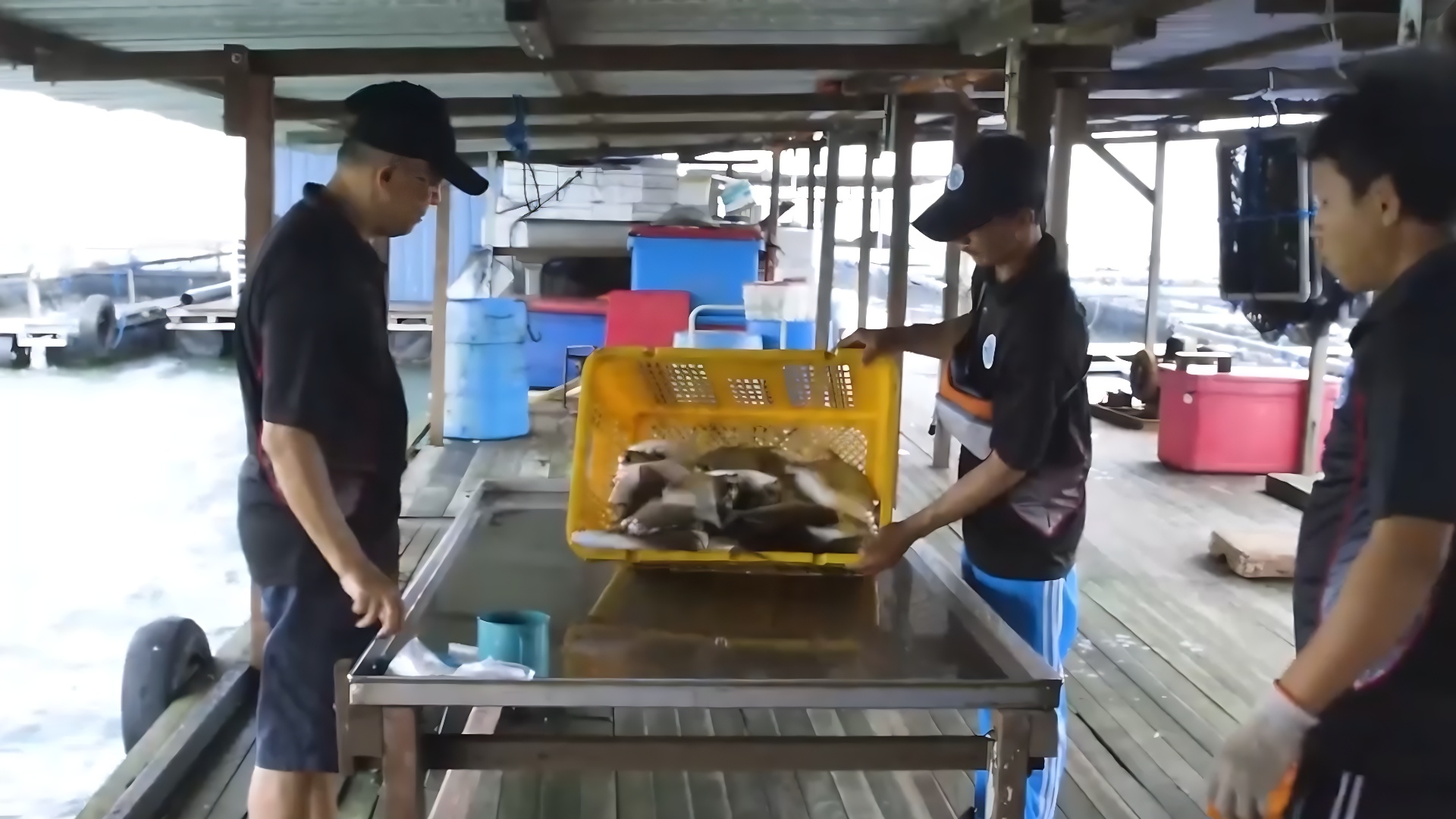
Counting fish became faster and more accurate. Innovation transformed a routine task.
Malcolm introduced a camera-based system that automatically counts young fish as they pass through the hatchery. The technology also allows workers to review footage and inspect fish more carefully.
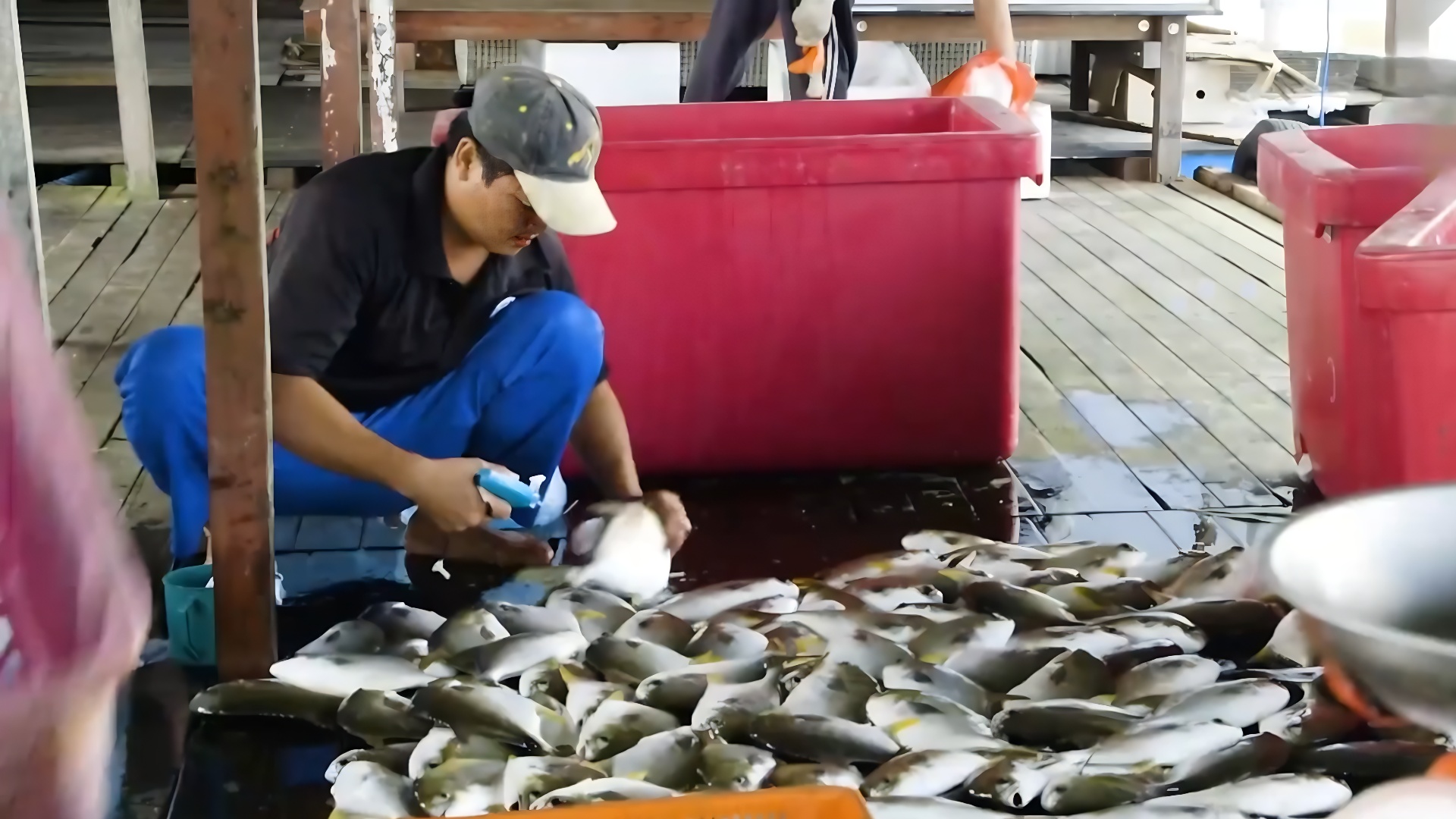
Traditional methods gained modern support. Efficiency improved without replacing experience.
The camera system reduced reliance on manual counting and estimation while complementing established farming practices. It demonstrated how technology can strengthen rather than replace traditional skills.
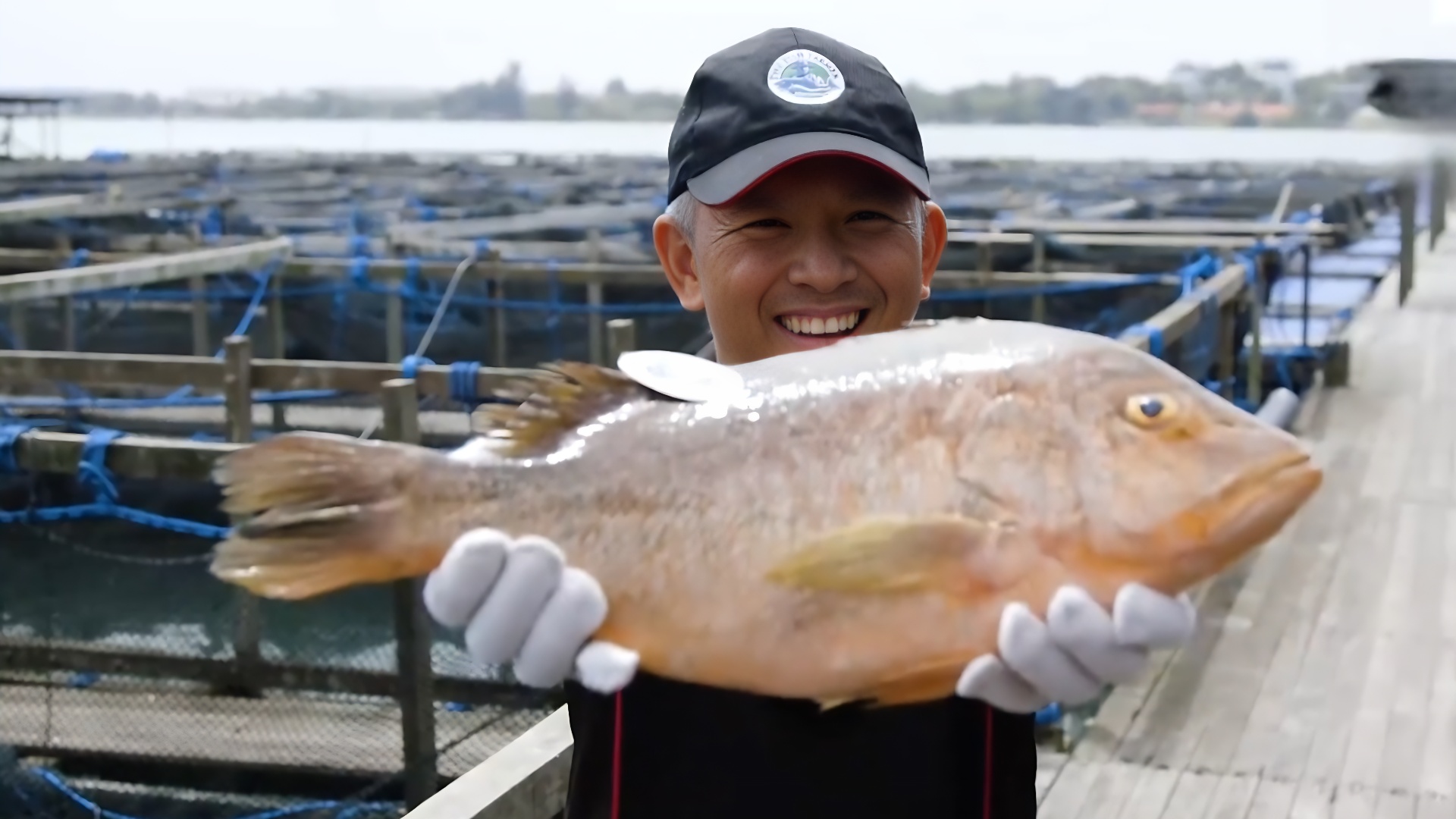
Quality opened new opportunities. The farm supplies customers across Singapore.
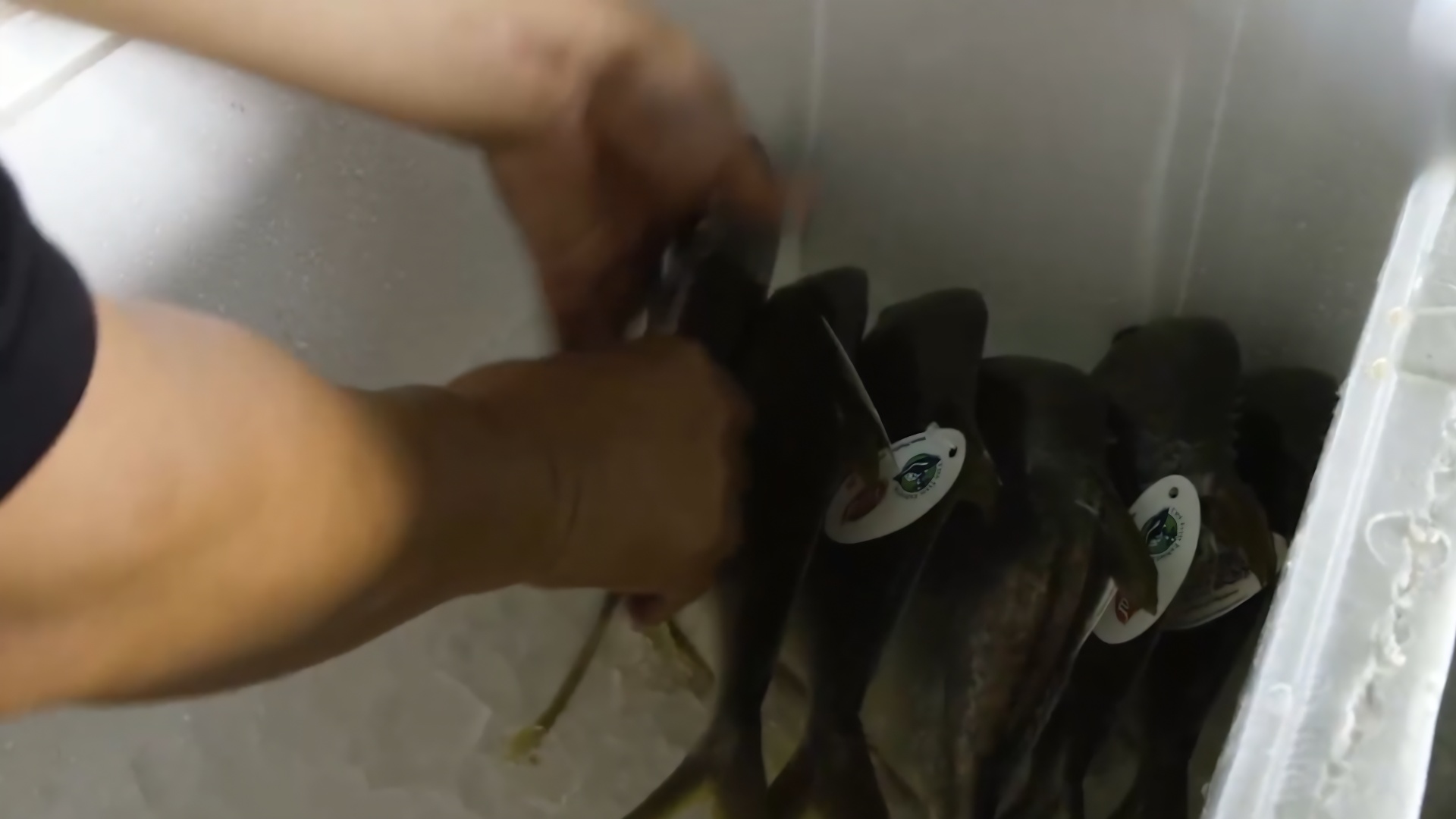
Today, Malcolm's fish are supplied to supermarkets, wholesalers, and restaurants throughout Singapore. His products are also served at a Michelin-starred restaurant that values consistent quality.
Not everyone believed the career change would work. Results spoke louder than doubts.
When Malcolm entered the aquaculture industry, some questioned whether someone from an IT background could succeed. His achievements have shown how transferable skills can drive innovation.
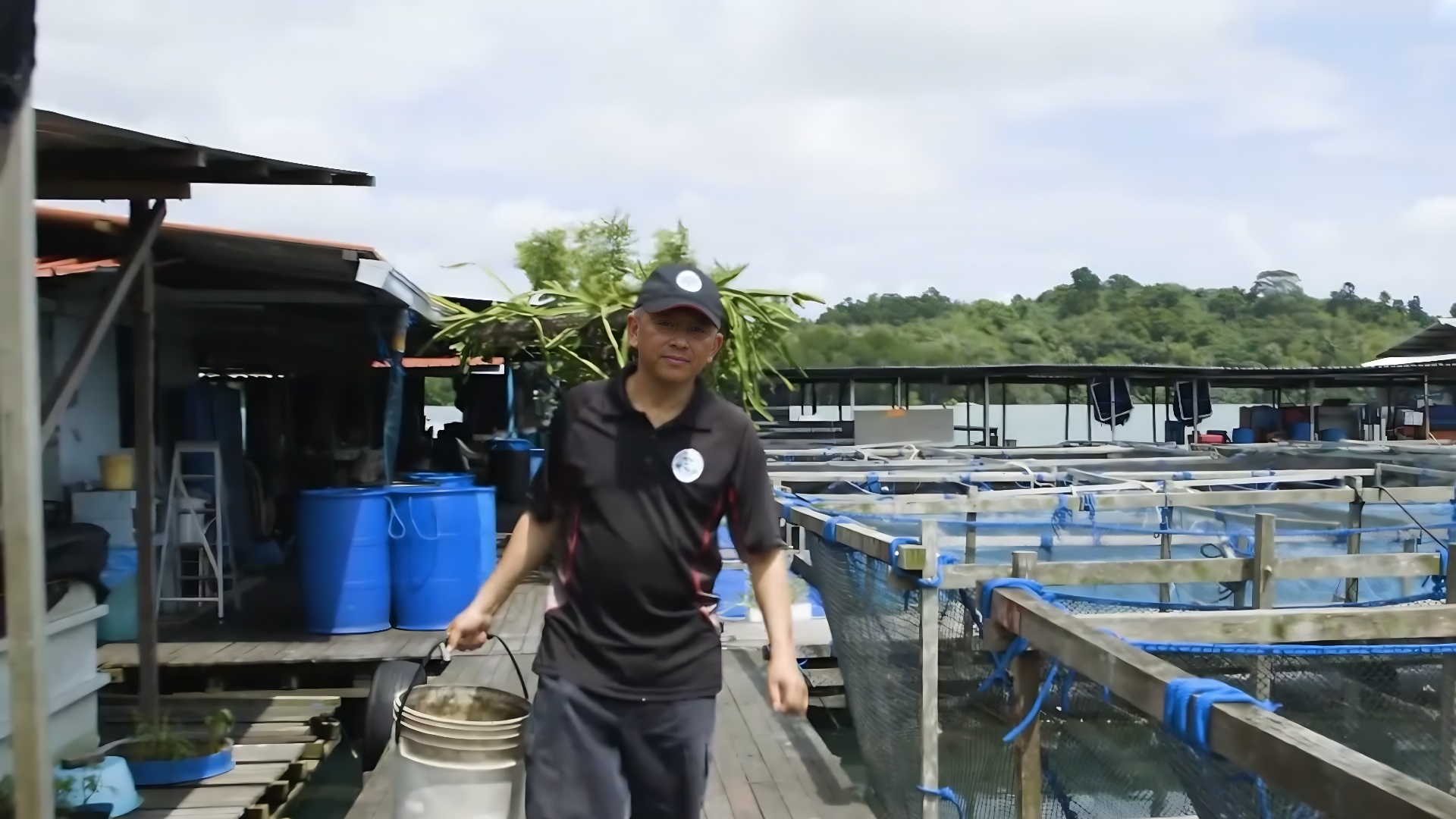
Sustainability and technology work together. Small improvements can have lasting impact.
By combining practical farming knowledge with modern tools, Malcolm has demonstrated a thoughtful approach to aquaculture. His work highlights the benefits of continuous improvement rather than dramatic change.
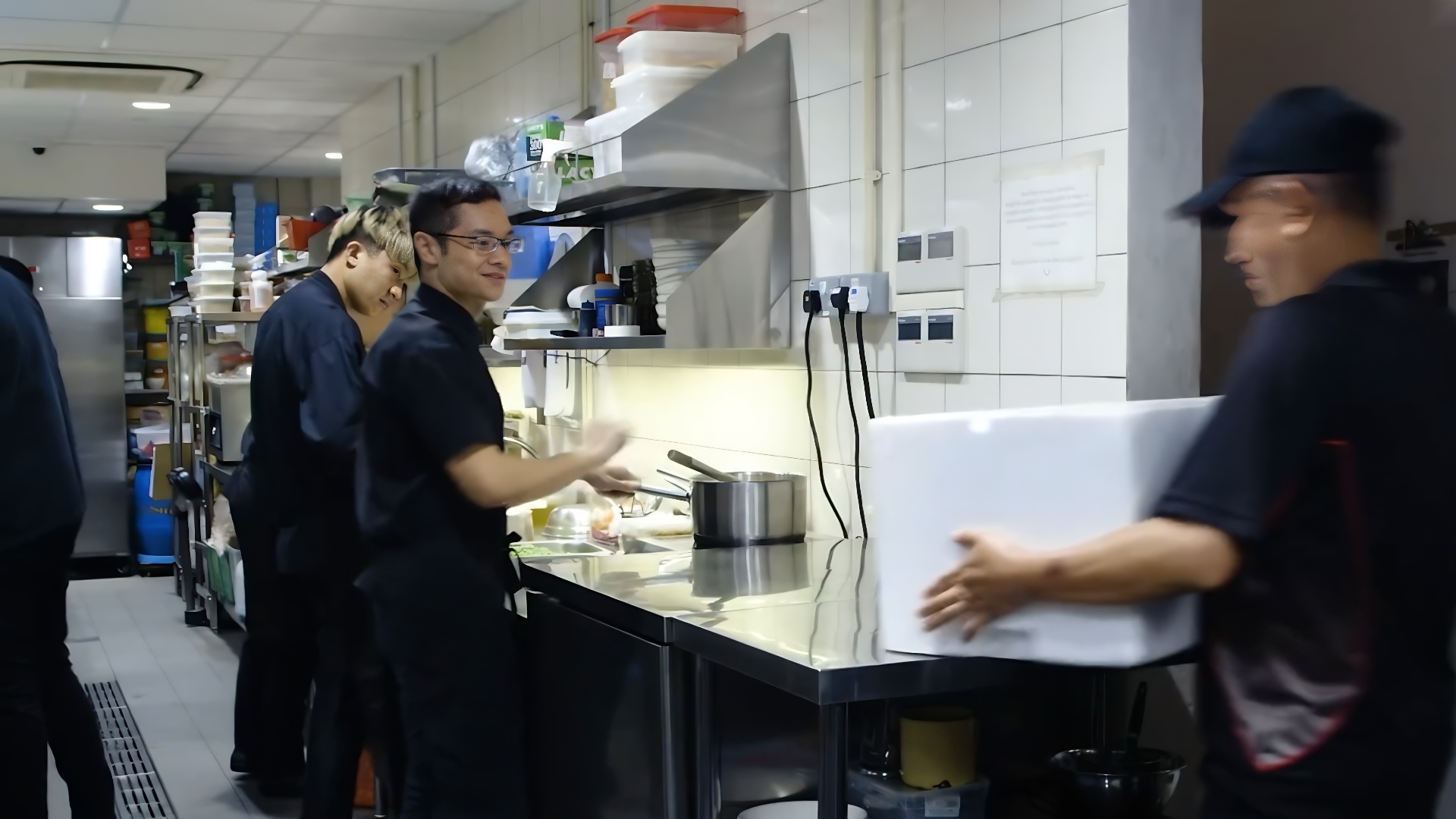
One career prepared him for another. Passion made the difference.
Malcolm's story shows that experience gained in one profession can create opportunities in another. His journey illustrates how following a passion while embracing innovation can lead to long-term success.