How Secret Service scientists solve crimes with ink
August 15, 2026
Discover how Secret Service forensic scientists analyze ink, documents, and counterfeit money using advanced laboratory techniques to uncover hidden evidence.

The Secret Service protects more than presidents and world leaders.
Inside its labs, scientists investigate crimes through forensic chemistry.
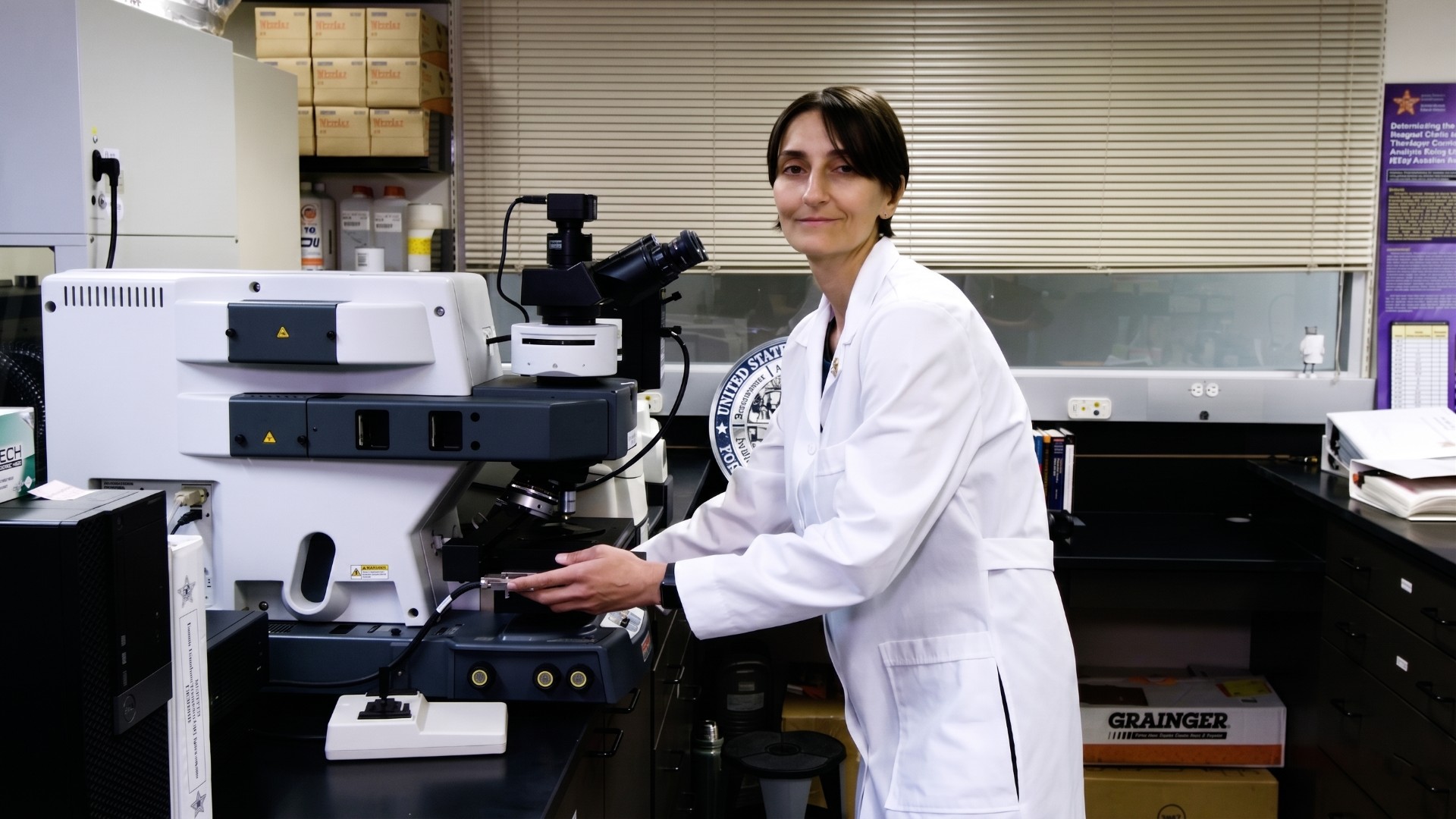
One of the agency’s most unusual tools is ink analysis.
Tiny markings on paper can become critical evidence.
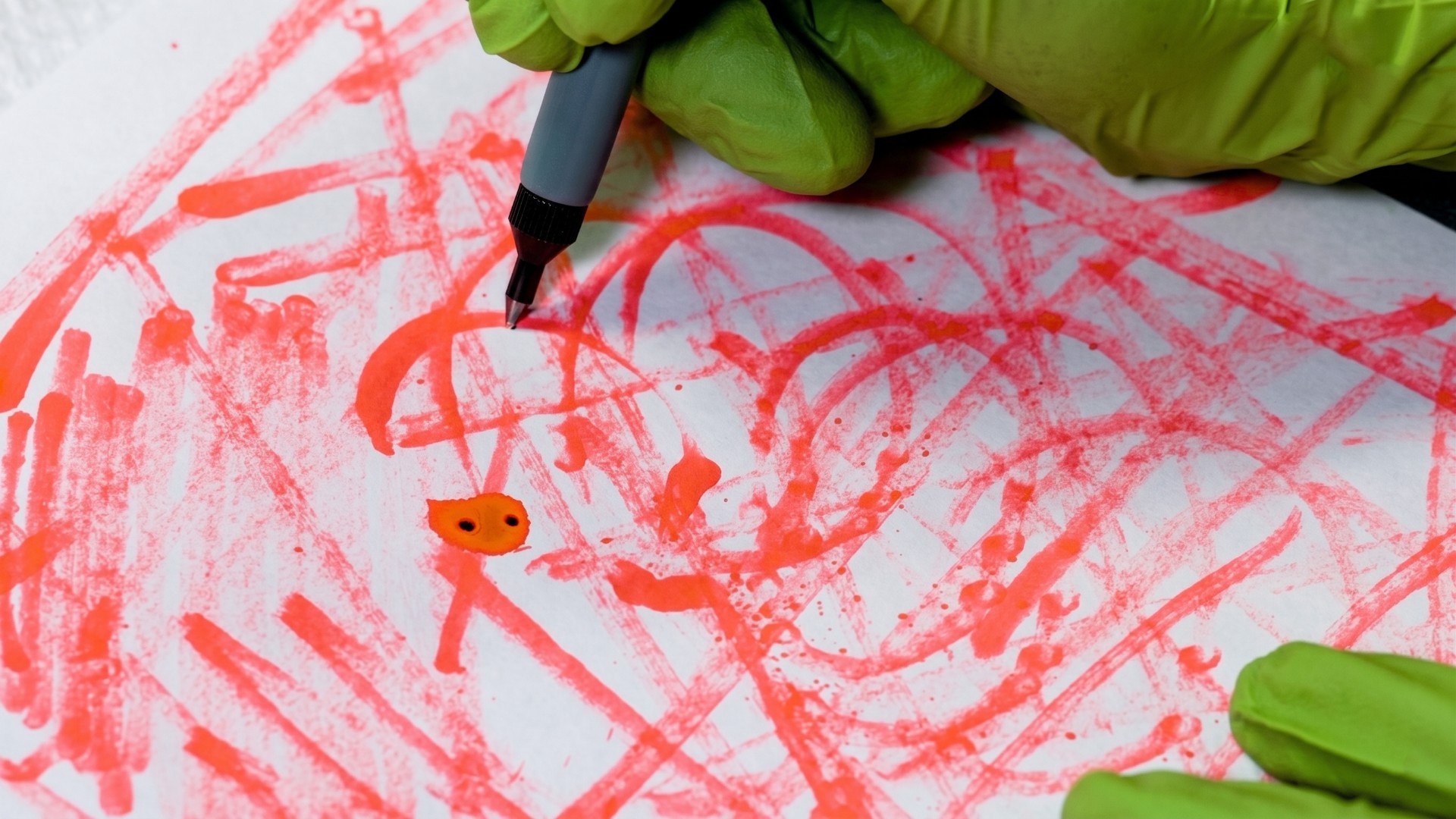
Document analyst Irina Geiman studies suspicious documents every day.
Her work focuses on identifying inks and printing materials.
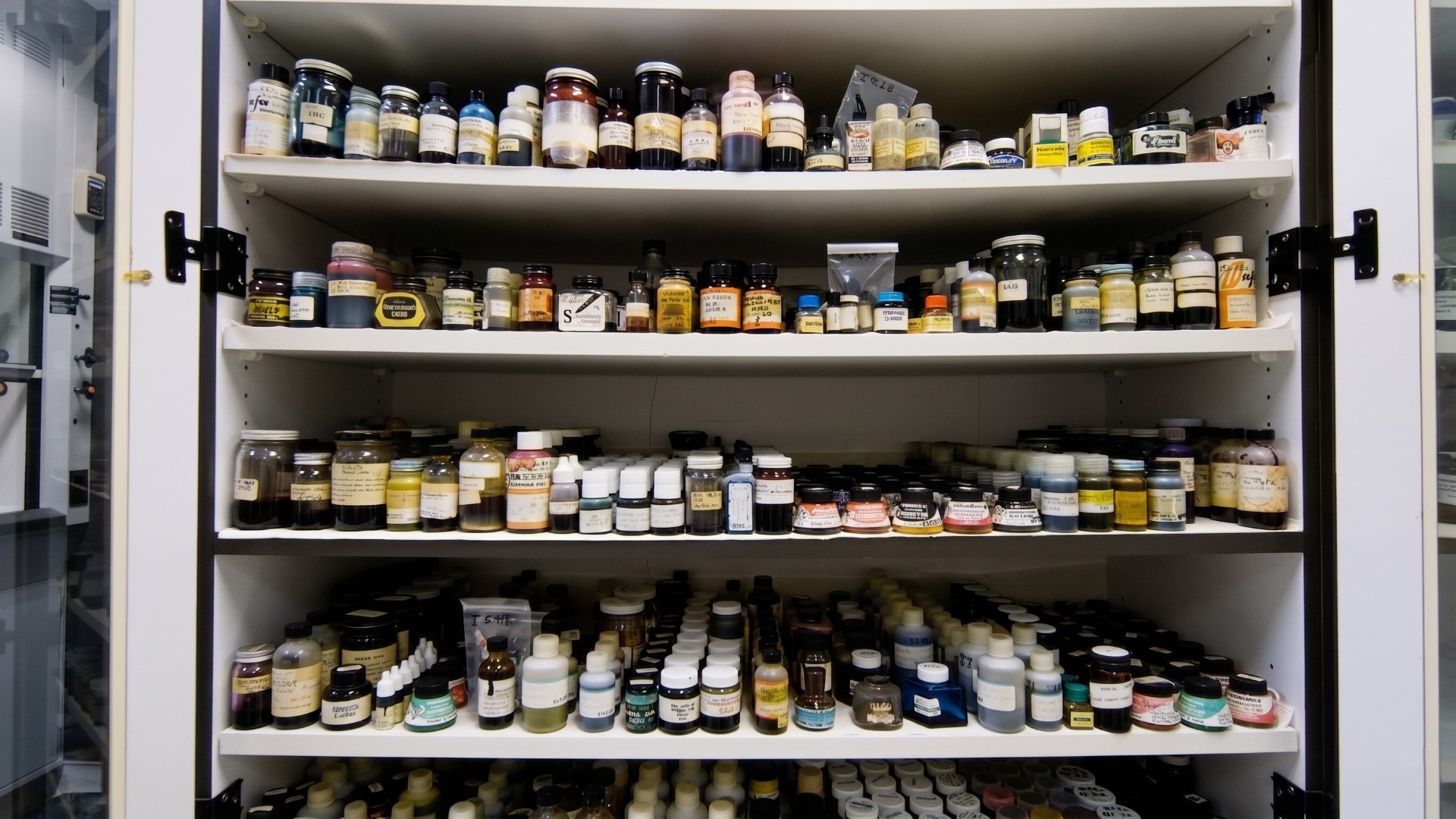
The Secret Service maintains one of the world’s largest ink libraries.
Thousands of samples are stored for forensic comparison.
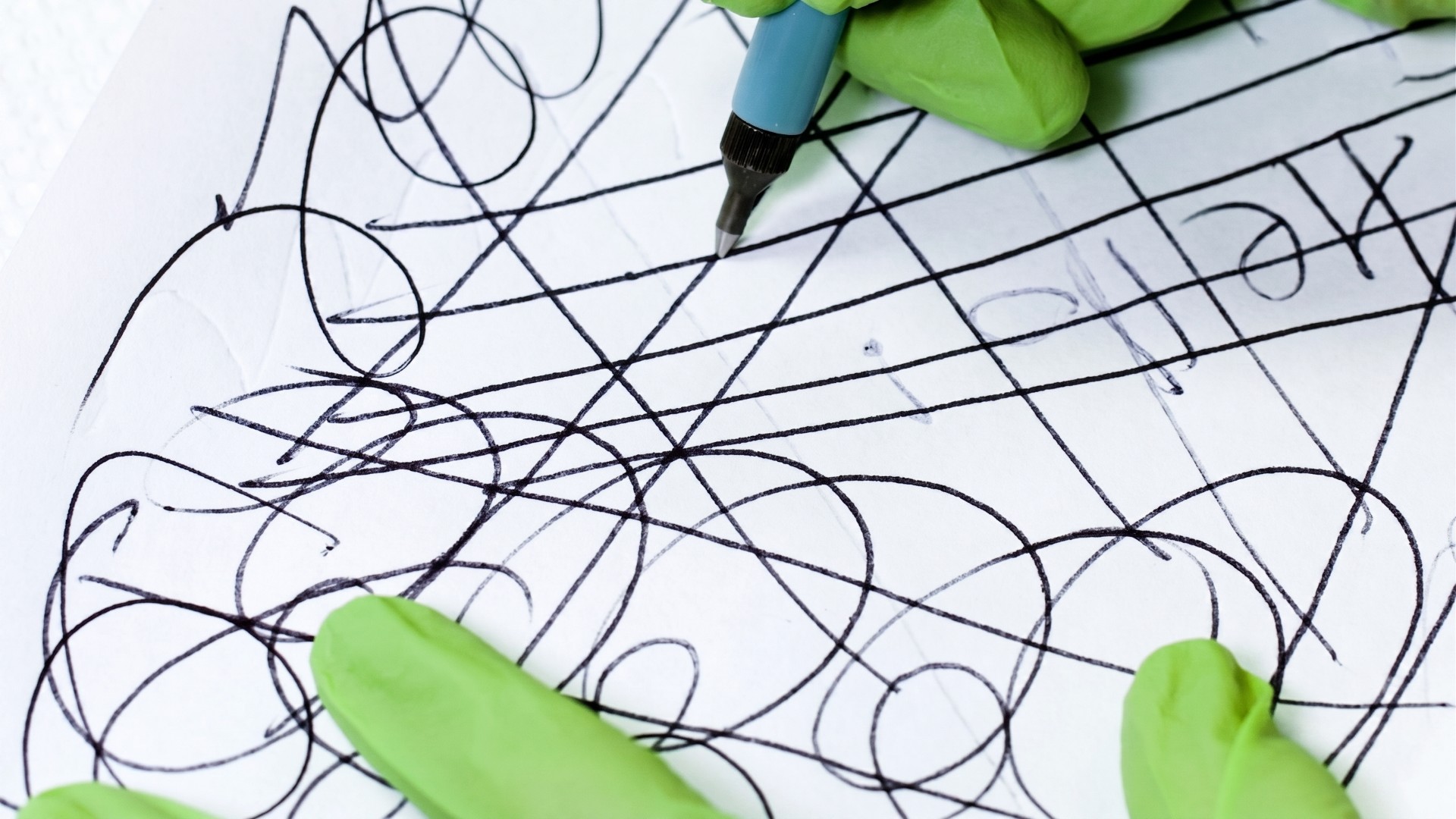
Threat letters and fake identification documents often leave clues behind.
Even a single pen stroke can reveal important information.
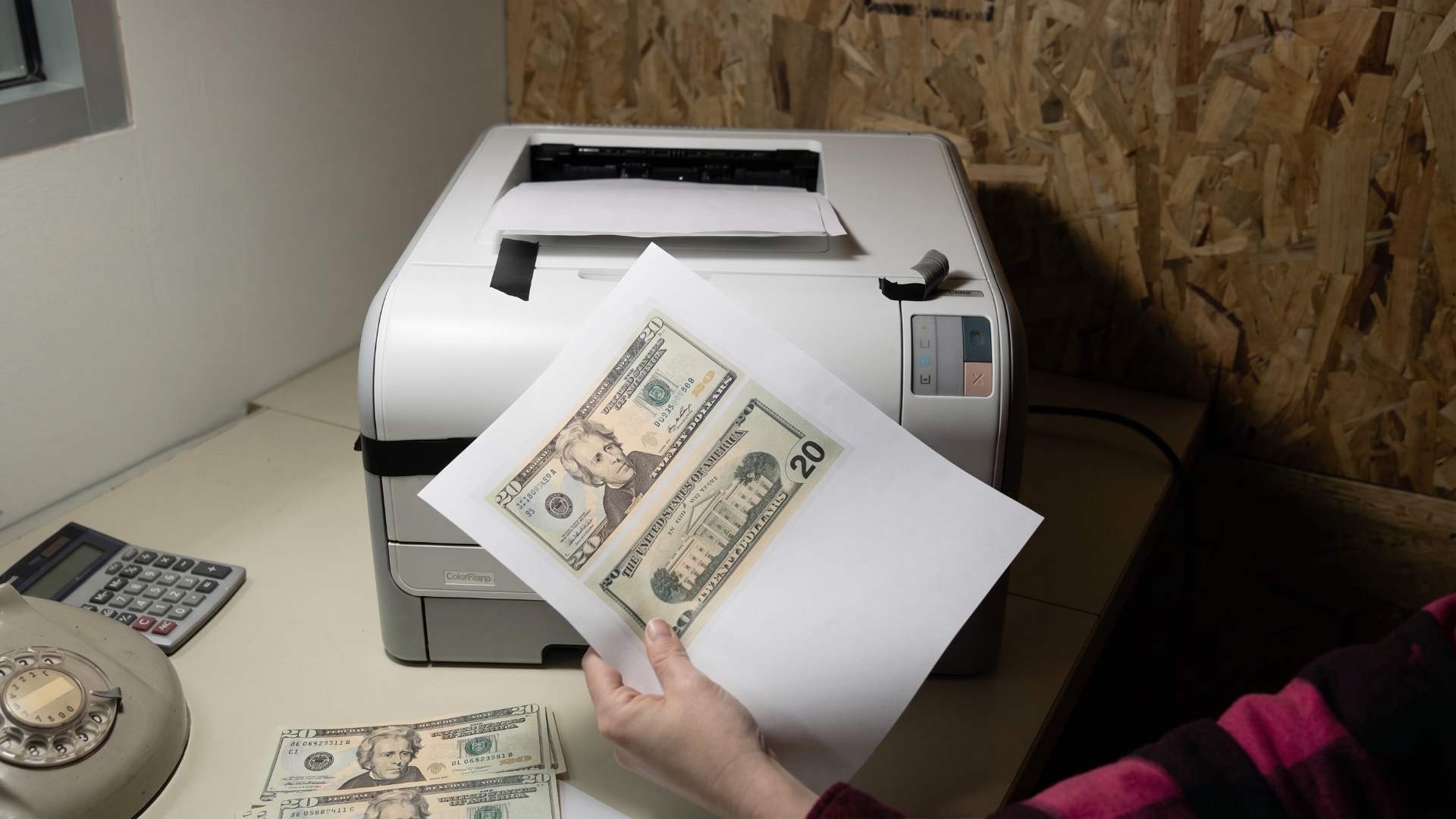
Counterfeit money investigations are also a major focus.
The $20 bill remains one of the most commonly counterfeited notes.
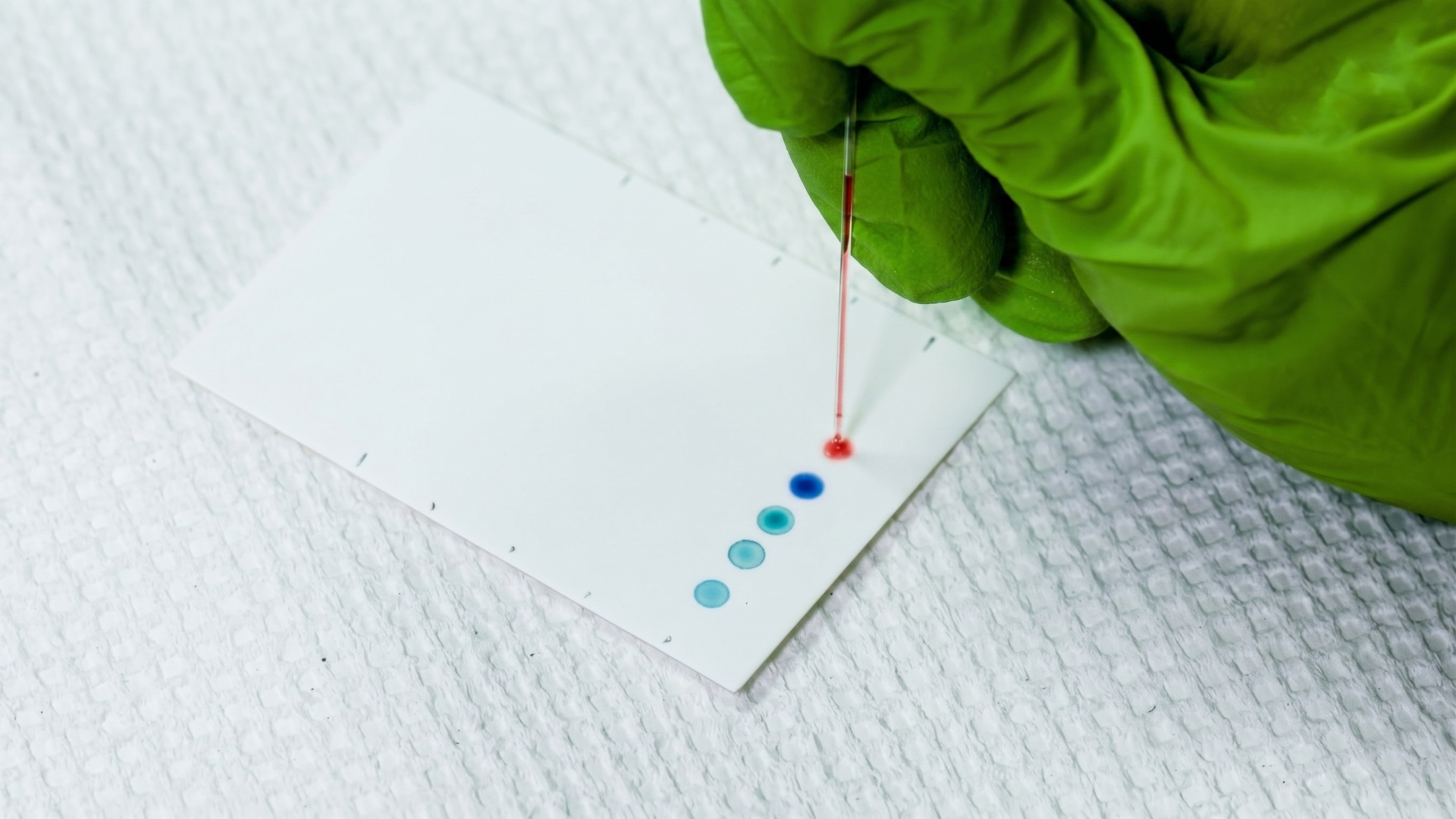
Inks that appear black are rarely made from one color alone.
Hidden pigment combinations create unique chemical signatures.
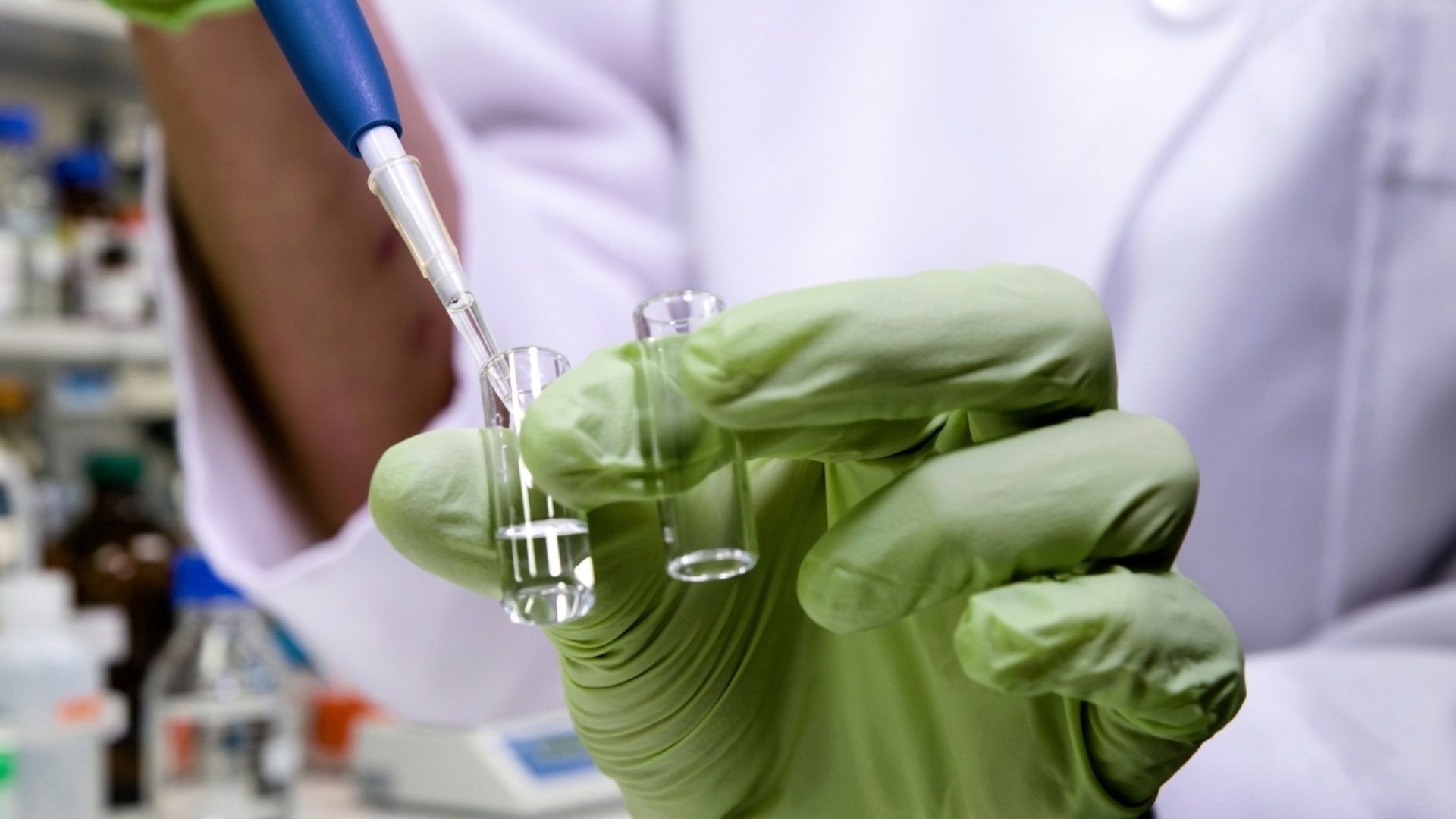
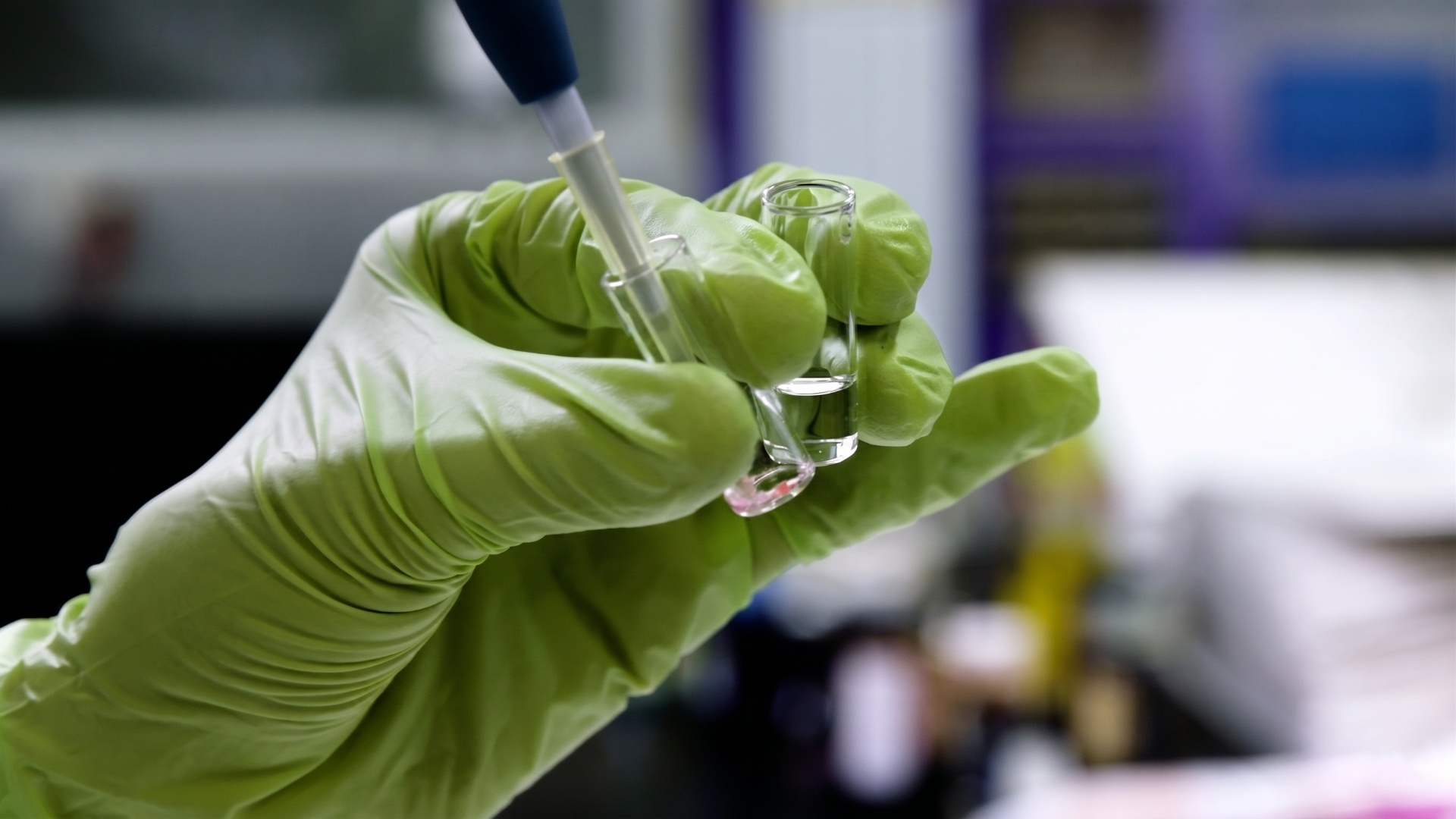
Scientists separate those ingredients using specialized laboratory techniques.
The results can help connect evidence to printers or writing tools.
The process relies on patience, precision and microscopic details.
Many investigations are solved far from public view.
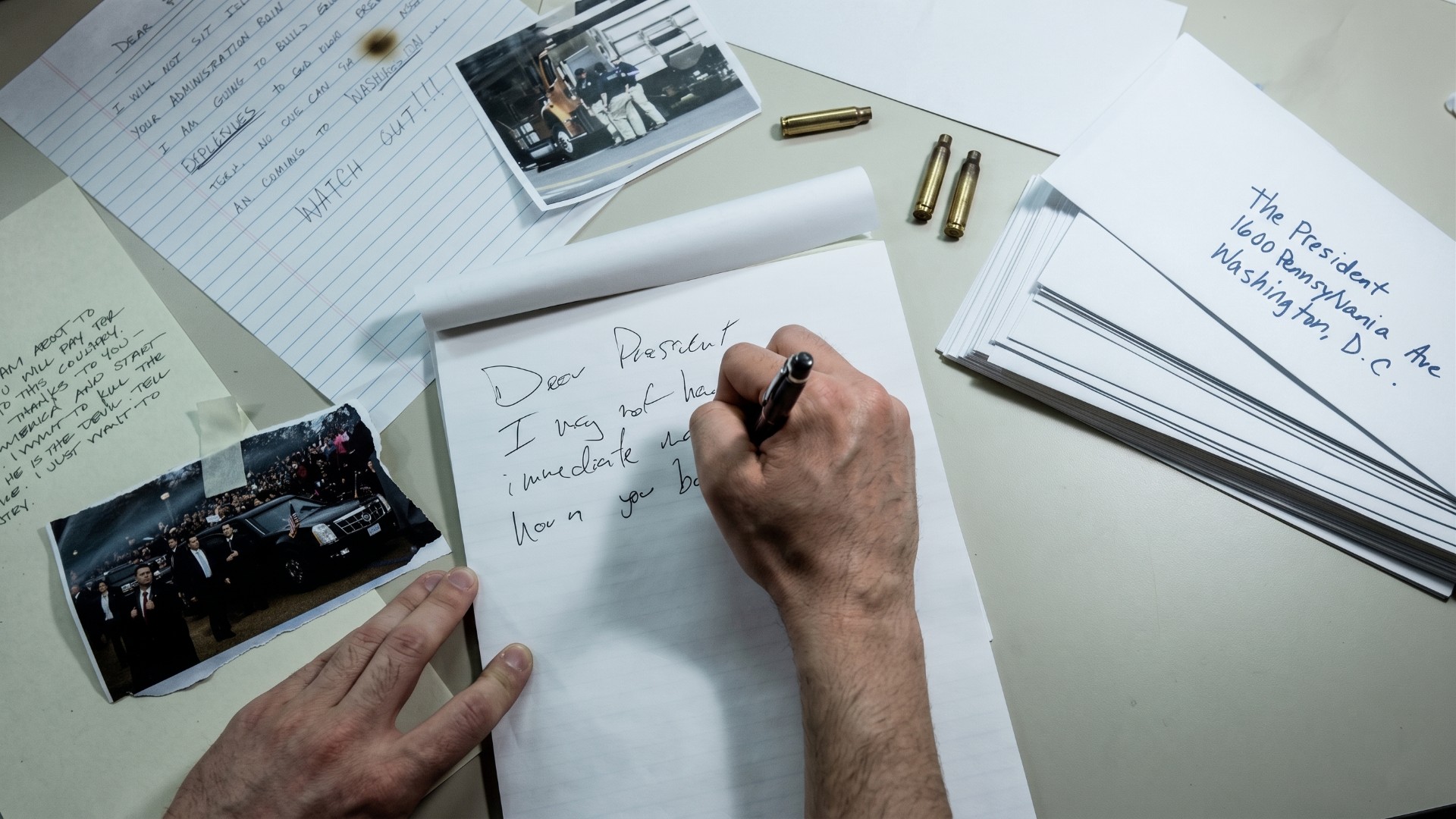
Forensic document analysis rarely looks dramatic from the outside.
But a single drop of ink can help uncover real crimes.