Inside Harvard’s Forbes Pigment Collection and the hidden history of colour
October 04, 2026
Harvard University’s Forbes Pigment Collection preserves around 2,500 pigments, including rare and unusual materials that help researchers study artworks, identify historical materials and explore the science behind colour.
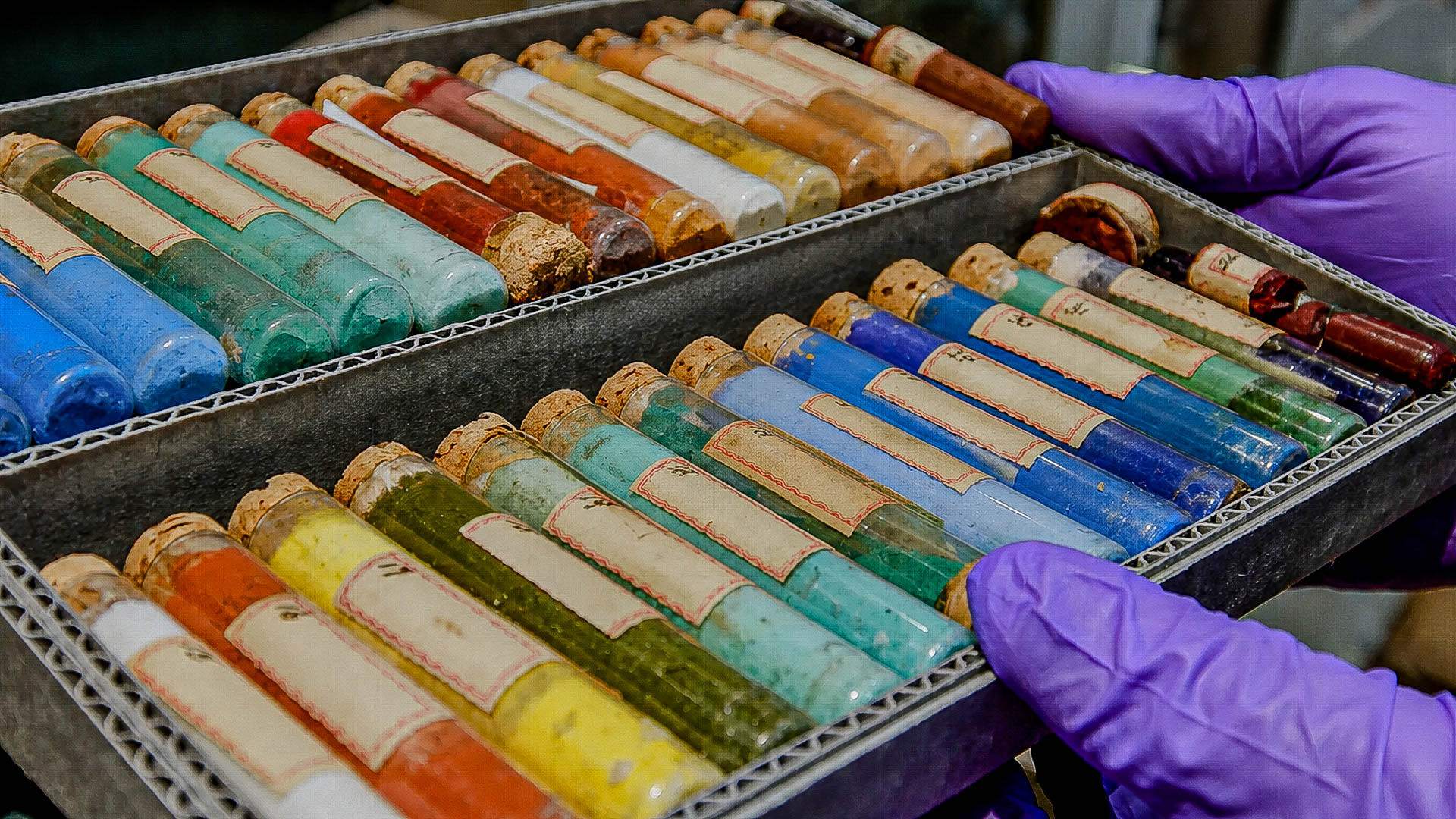
Inside the Forbes Pigment Collection
At Harvard University, researchers study a remarkable collection of pigments gathered over decades, preserving the materials and stories behind centuries of colour.
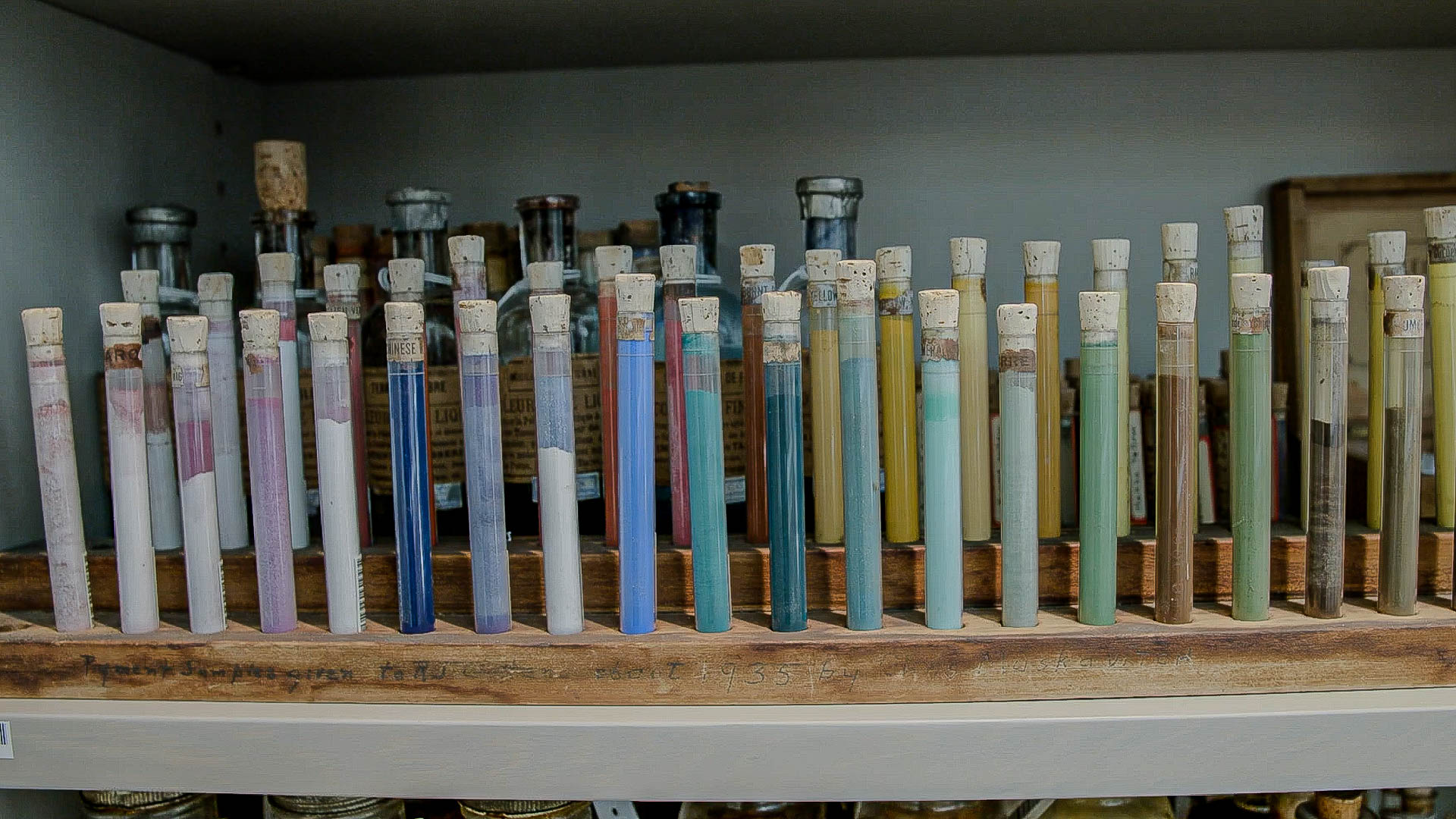
The Science Behind Colour
Pigments are tiny coloured particles that are mixed with a binding medium to create paint, forming the foundation of artworks across cultures and historical periods.
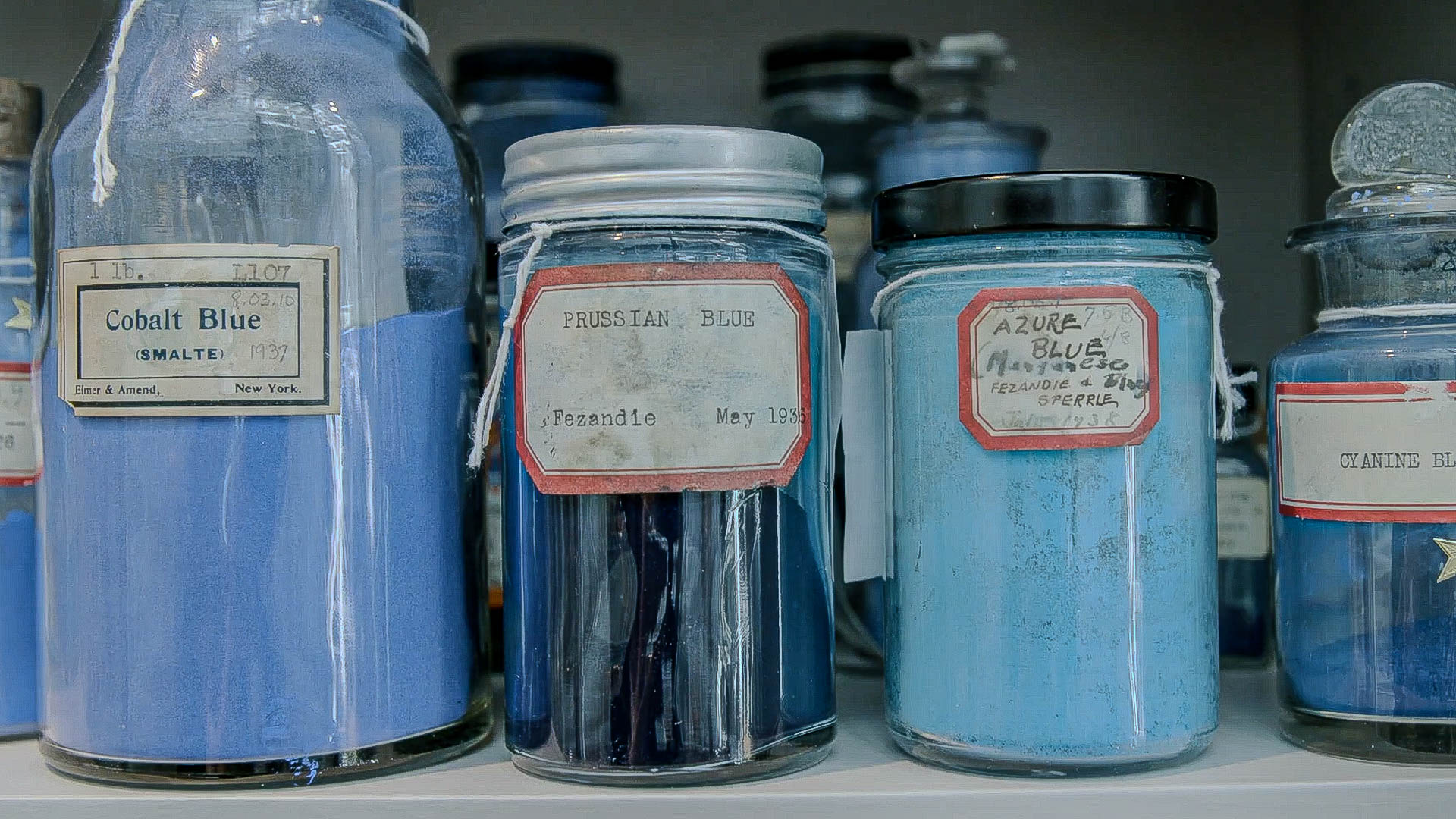
A Collection of Rare Colours
The Forbes Pigment Collection contains around 2,500 pigments, including rare materials with unusual origins and fascinating connections to art history.
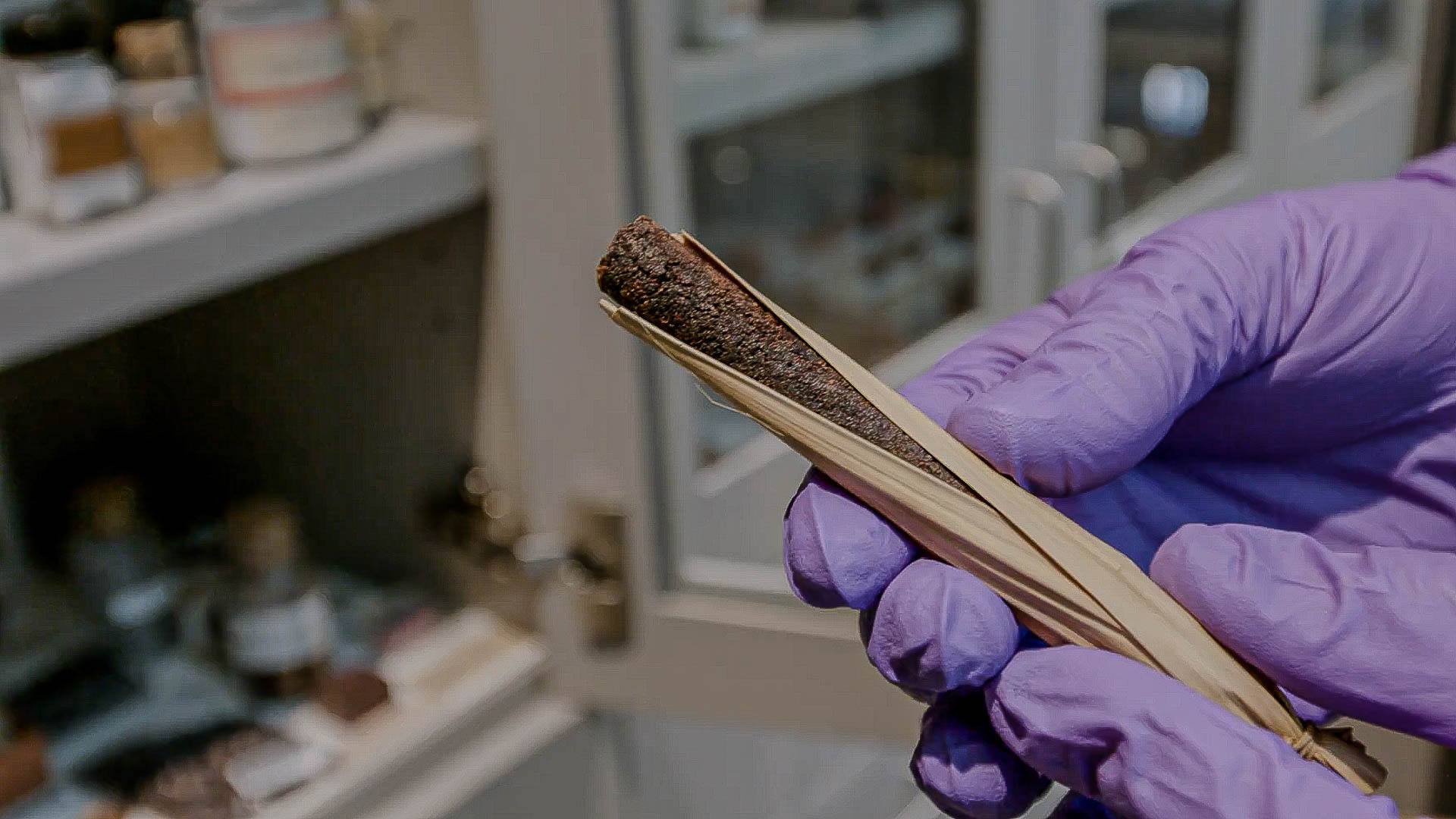
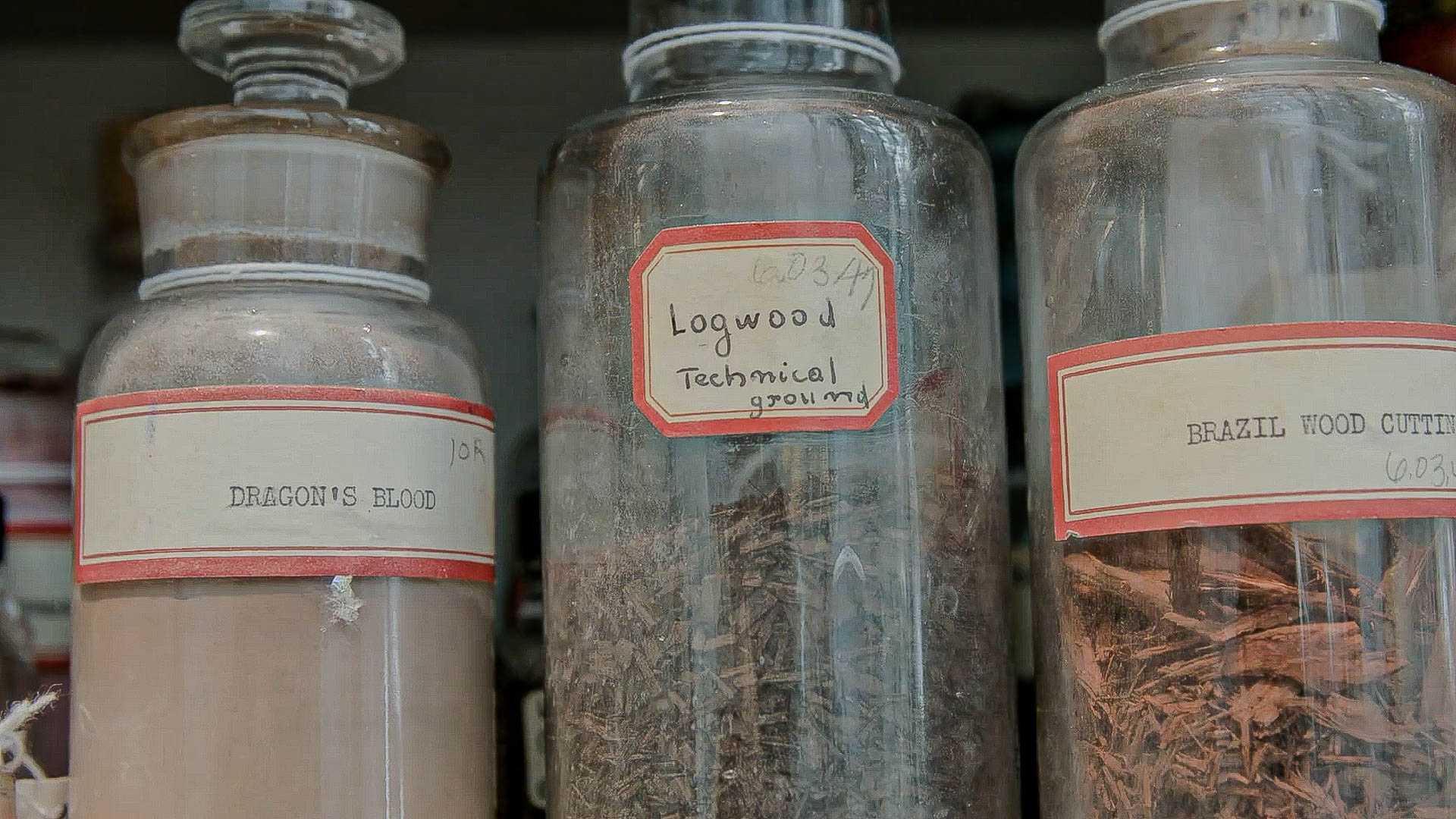
The Story Behind Dragon’s Blood
Despite its dramatic name, dragon’s blood pigment comes from plant-based resin associated with rattan palms rather than anything mythical.
Pigments With Unexpected Origins
Historical artists used pigments derived from a wide range of natural substances, showing how closely art has been connected to the materials available in different places and eras.

The Unusual History of Mummy Pigment
Mummy pigment became known for its extraordinary source, with historical versions made using materials associated with Egyptian mummification.
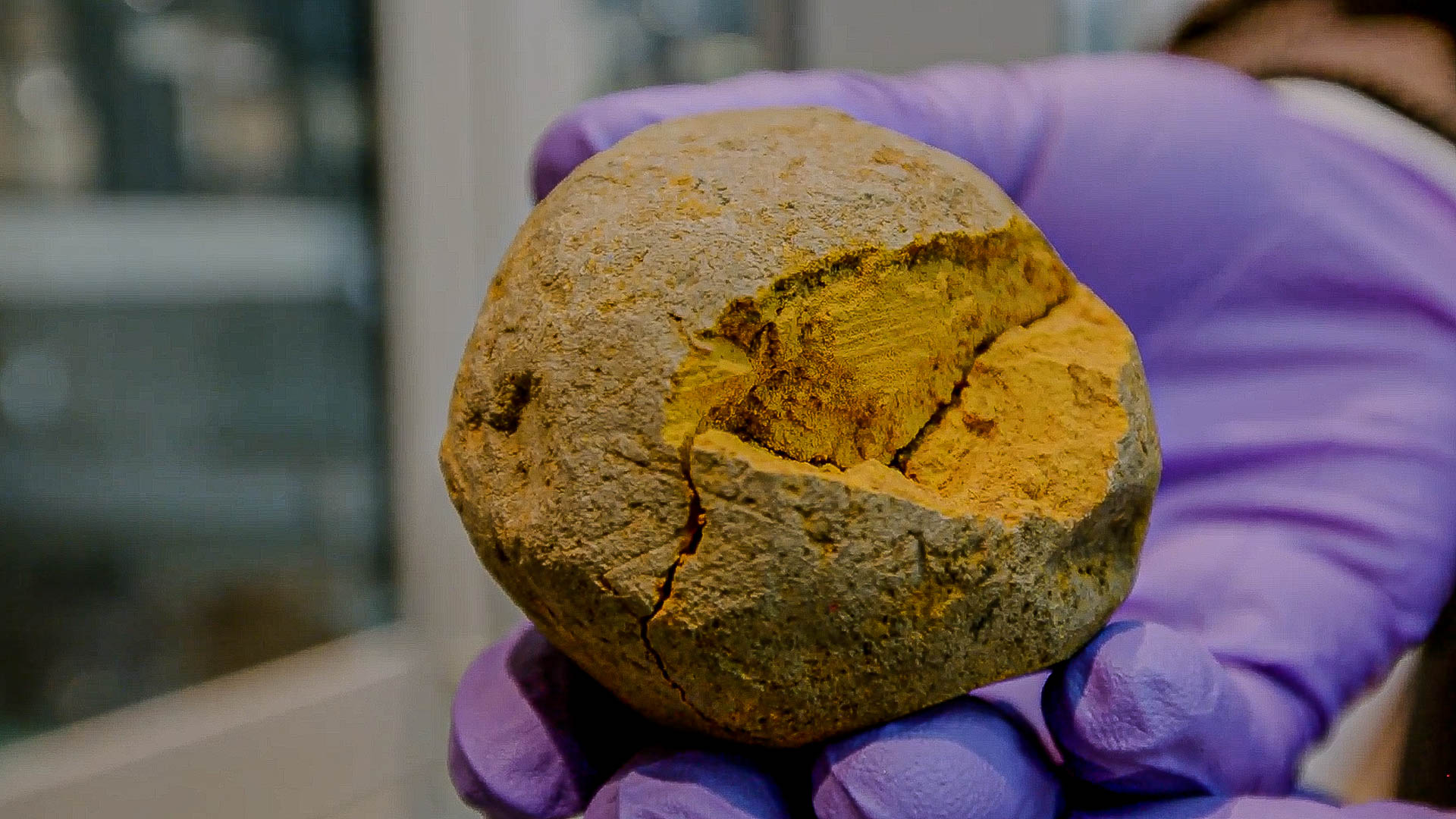
The Story of Indian Yellow
Indian yellow is remembered as one of history’s most unusual pigments, traditionally linked to a process involving cows fed on mango leaves.

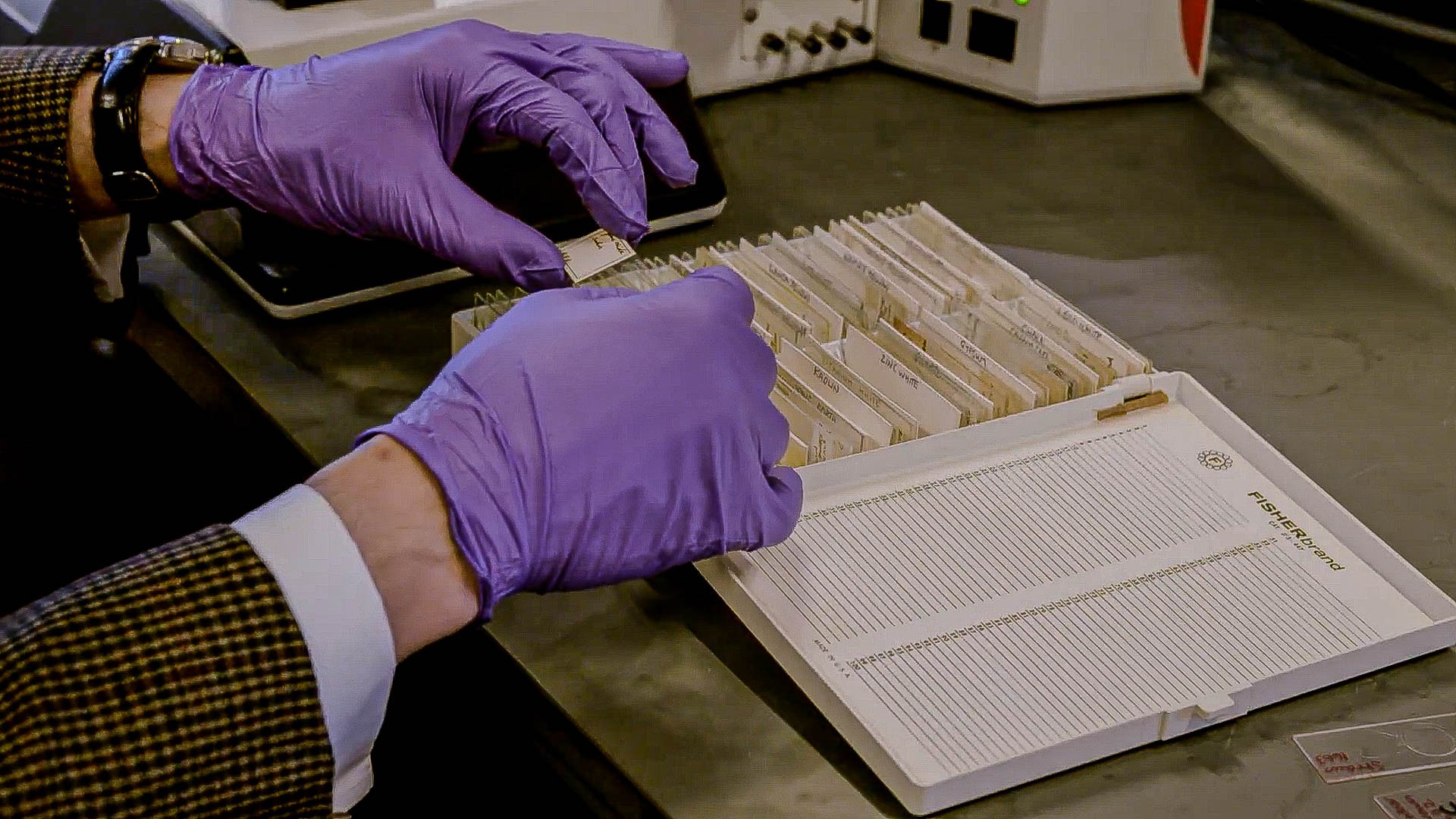
Using Pigments to Study Art
Researchers can examine tiny pigment samples to identify materials in paintings, distinguish original layers and better understand how an artwork was created.
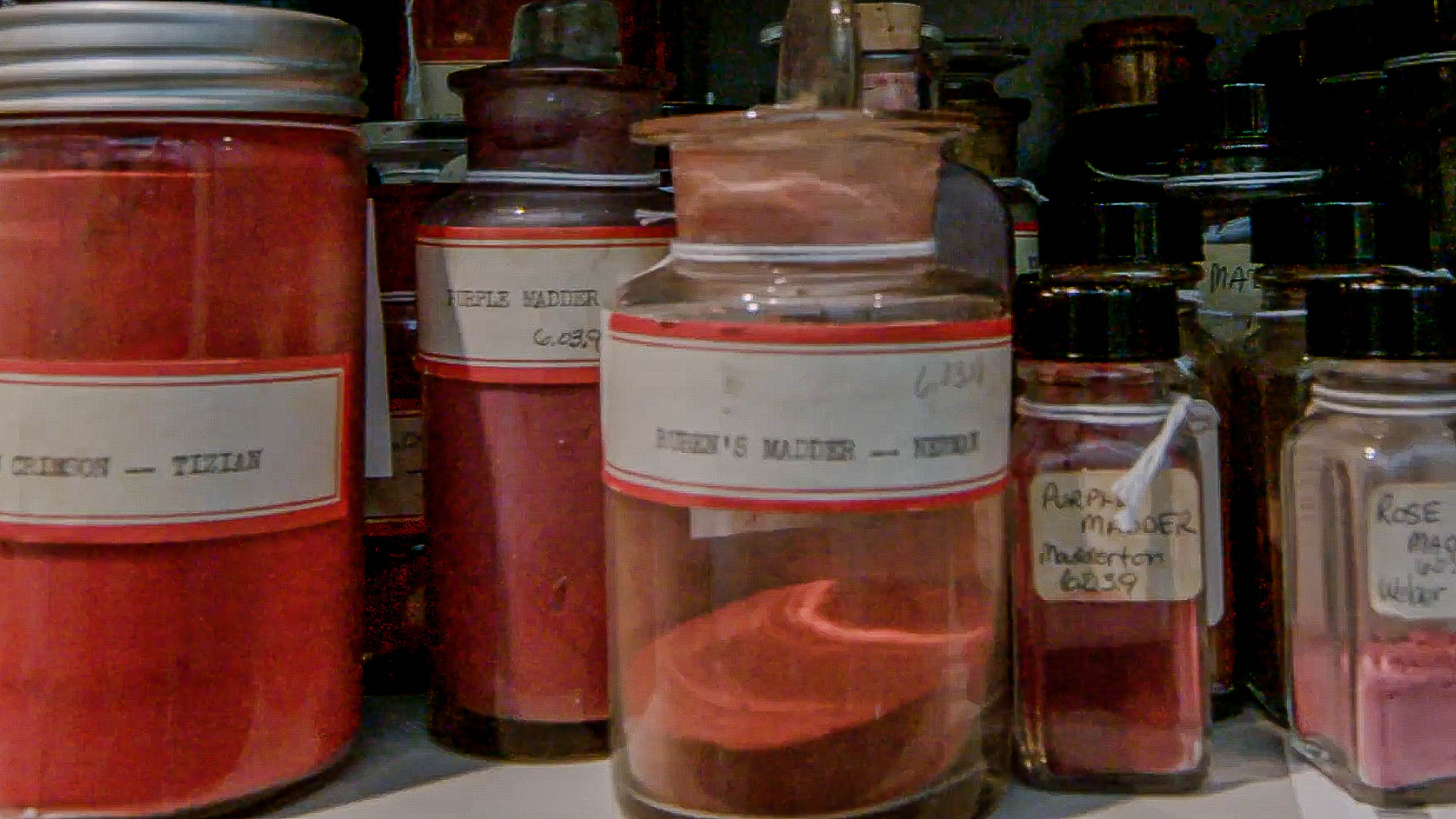
When Colour Reveals the Past
Certain pigments can provide clues about when and where a work was made, helping specialists investigate authenticity, restoration and an artwork’s history.
Preserving the History of Colour
By combining art history and scientific analysis, pigment collections reveal how colour reflects chemistry, culture and human creativity across centuries.