Inside the CDC’s Disease Detectives Fighting Outbreaks
August 11, 2026
Discover how CDC Epidemic Intelligence Service officers investigate disease outbreaks worldwide, using science, field research, and rapid response to protect communities.
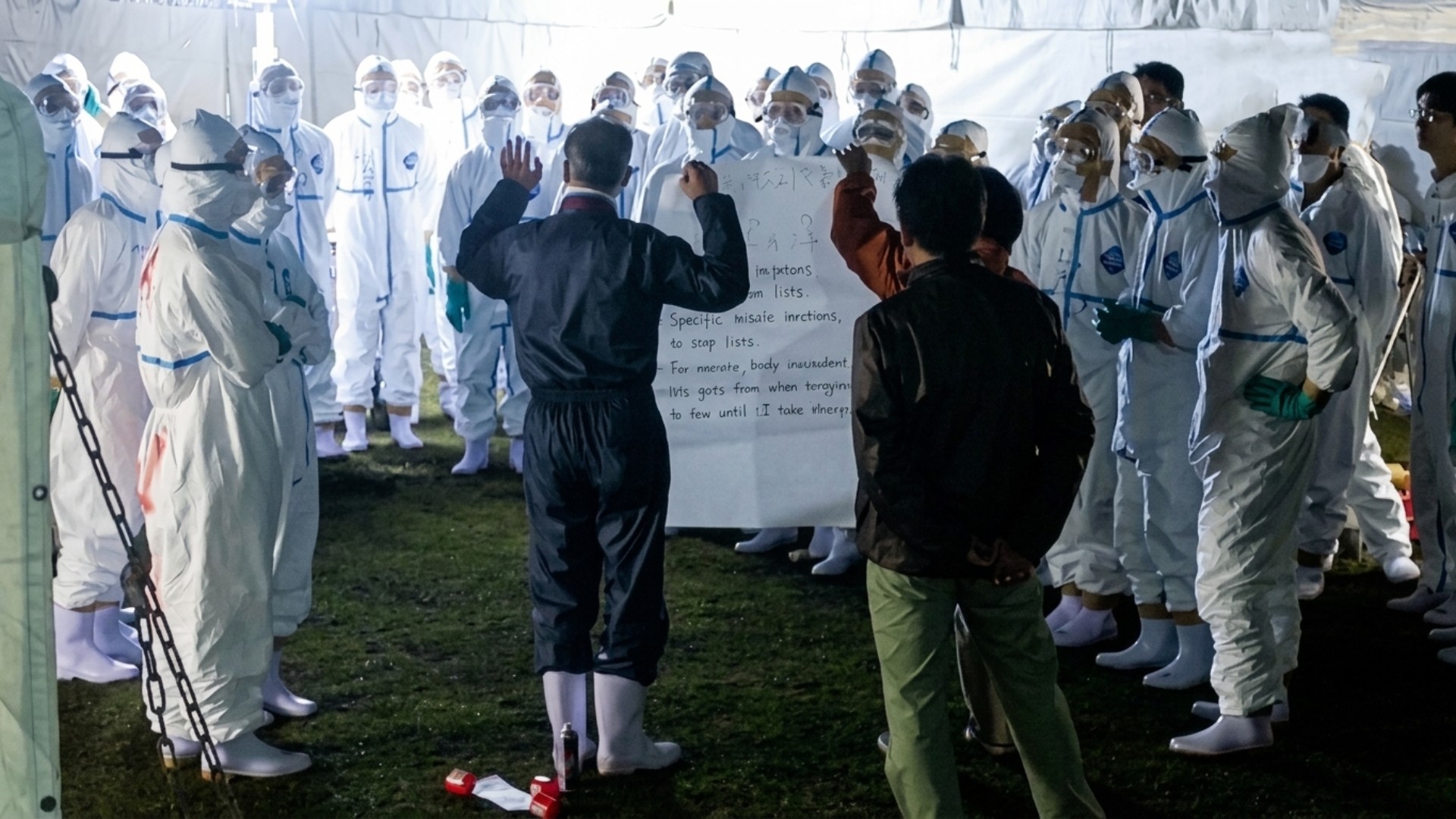
When disease outbreaks emerge, specialized investigators are often deployed first.
Their mission is to stop infections before they spread further.
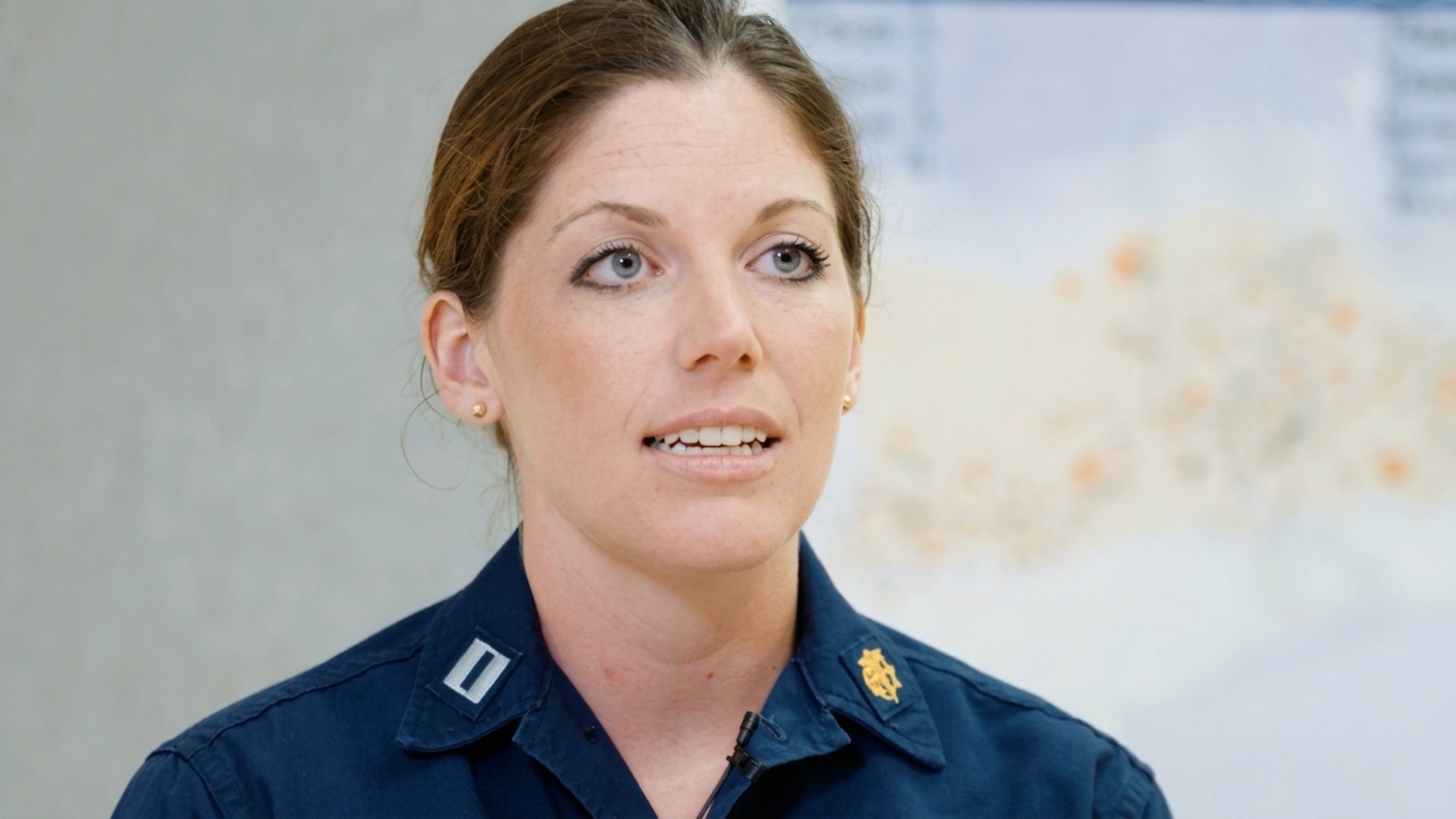
Caitlin Cossaboom serves in the CDC’s Epidemic Intelligence Service.
The program trains scientists to investigate public health emergencies.

Her assignments can take her anywhere in the world.
Each outbreak brings different environmental and medical challenges.

One early investigation involved anthrax exposure in Namibia.
Hundreds of animals had died, putting nearby communities at risk.
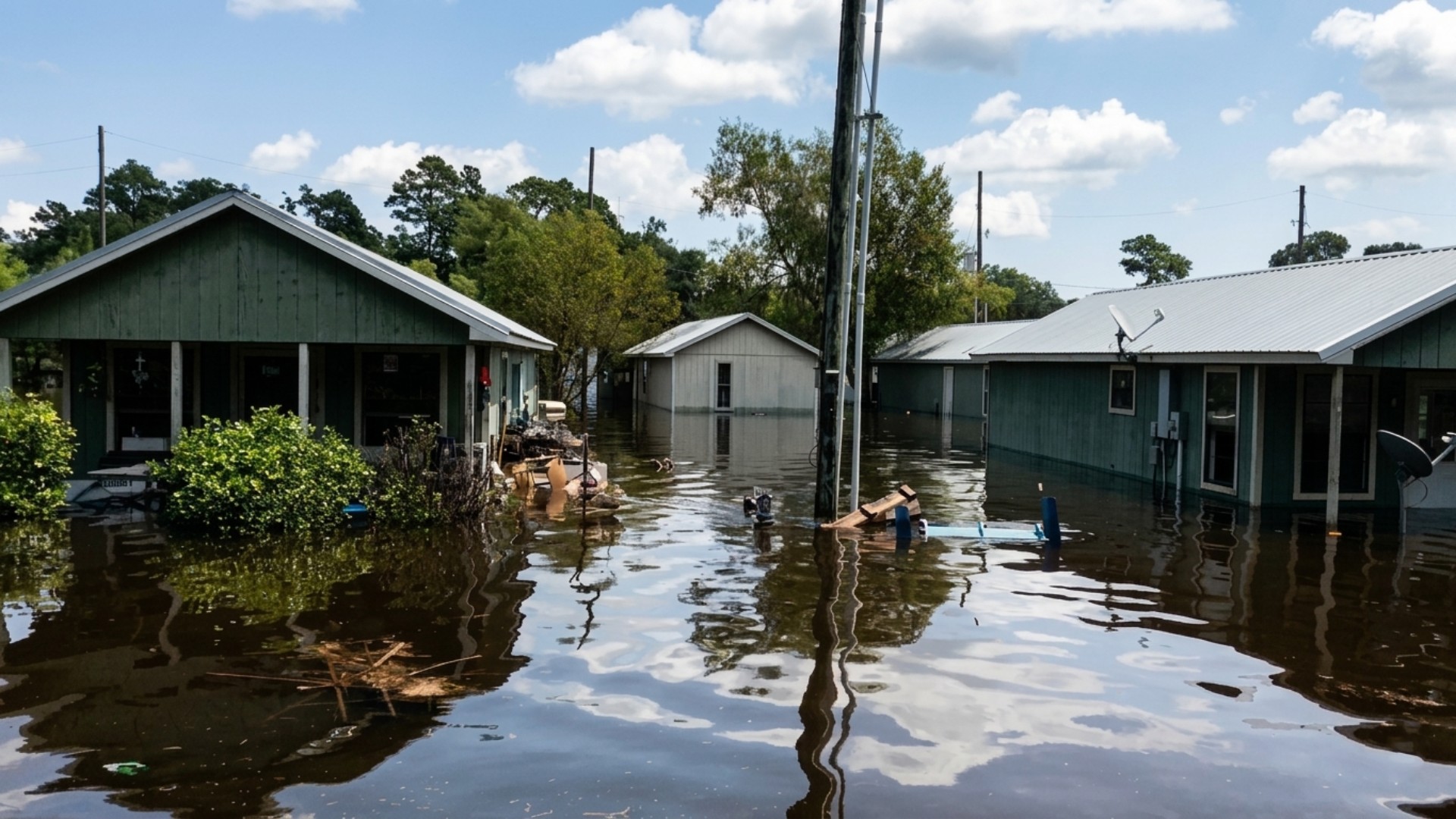
Another assignment followed hurricanes in the US Virgin Islands.
Residents on Saint Croix began developing unusual symptoms.
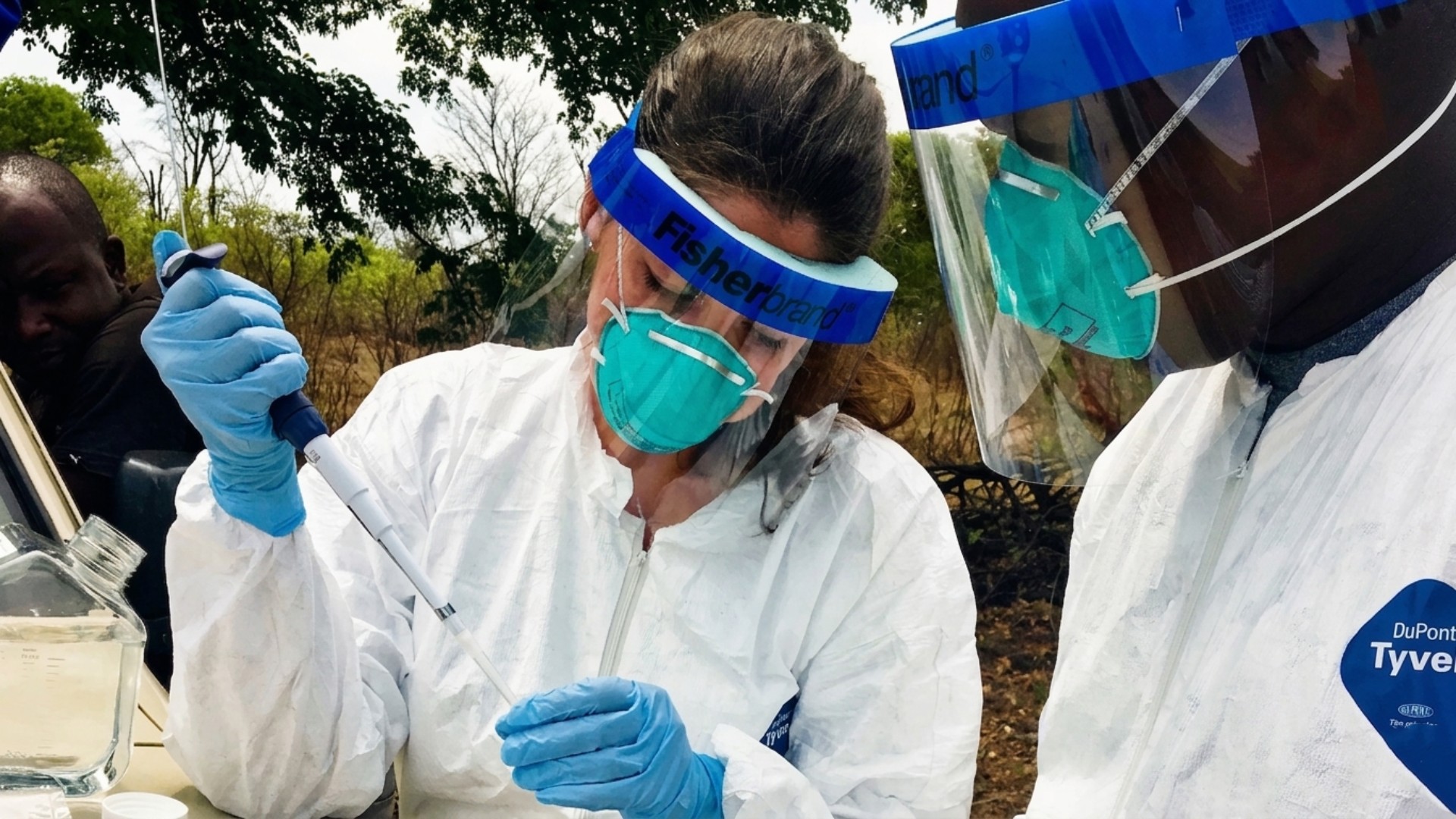
Researchers identified concerns linked to leptospirosis, a bacterial disease.
The infection can spread through contaminated water after flooding.
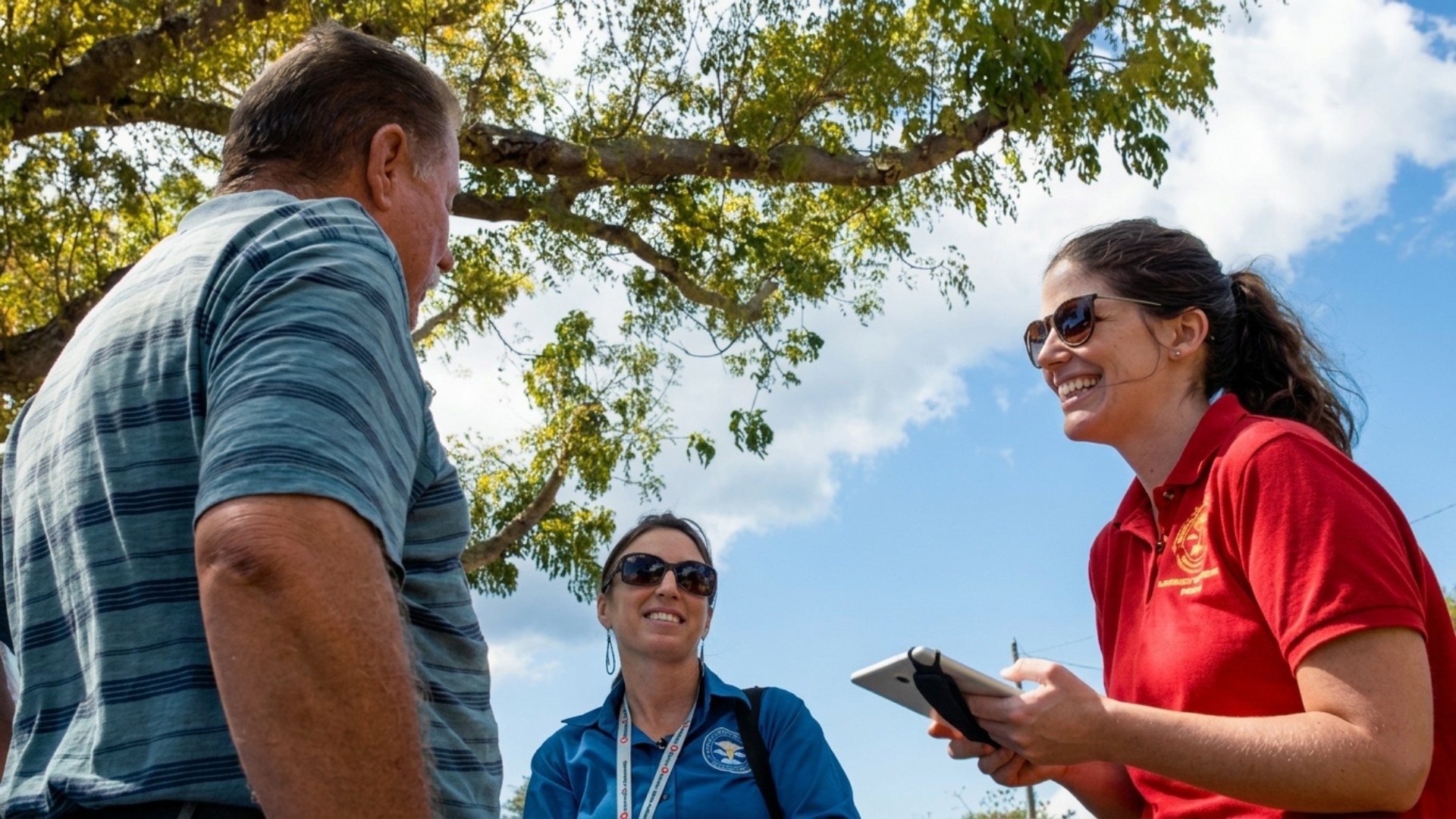
Disease investigators traveled door to door across affected communities.
Education and sample collection became urgent priorities.
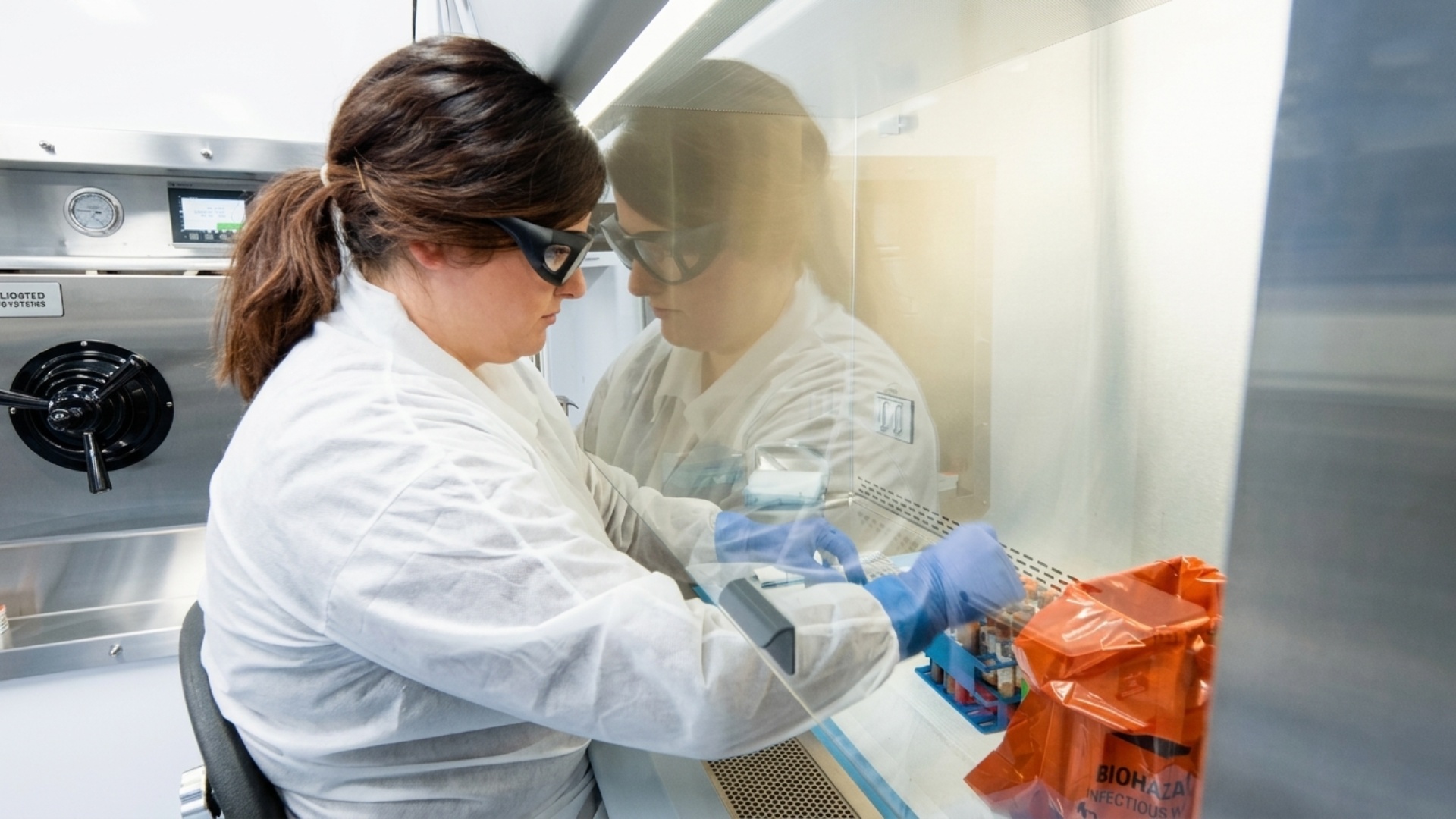
Blood tests, interviews and exposure histories helped build the investigation.
Every detail contributed to understanding how the disease spread.
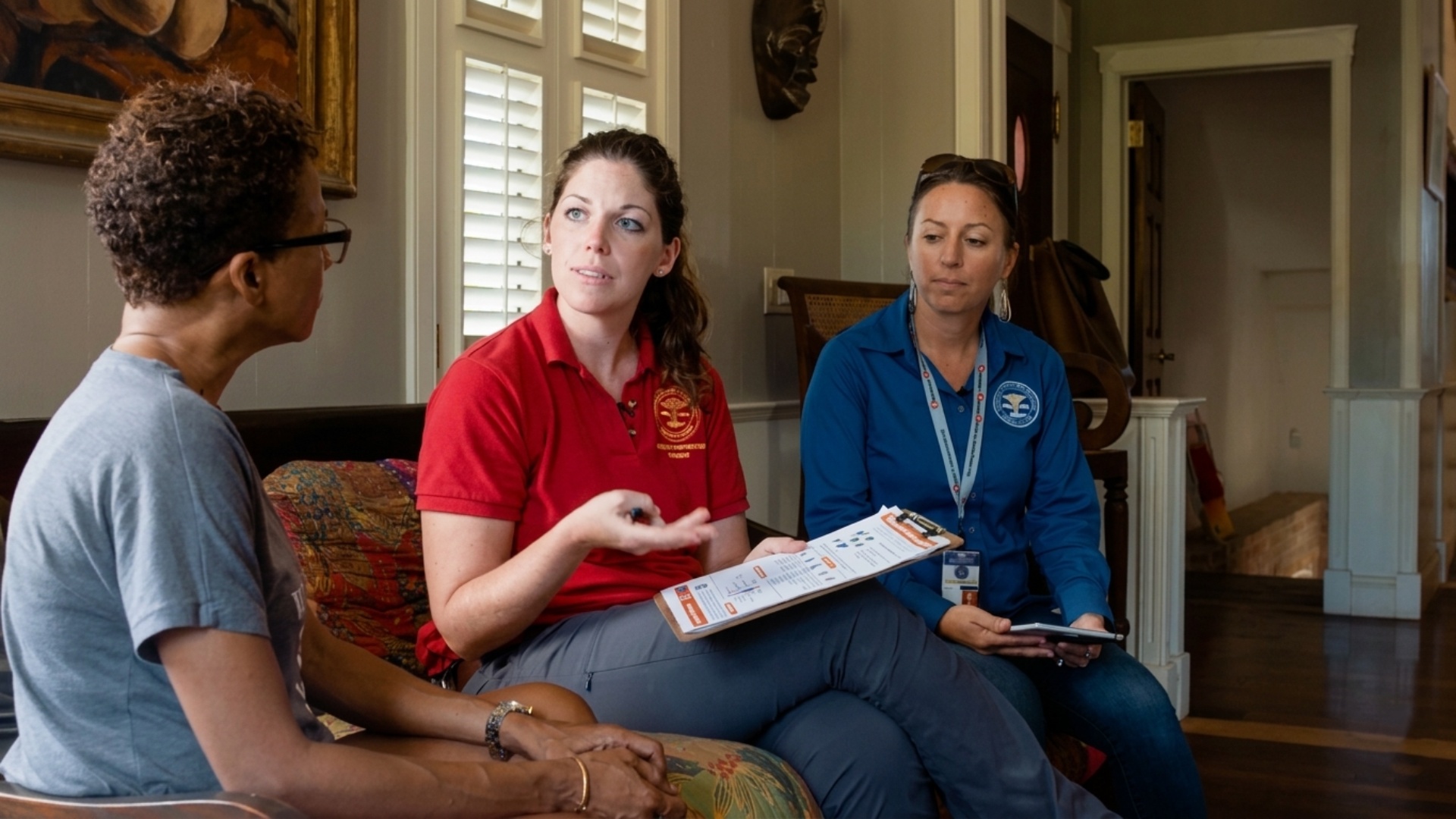
Laboratory teams analyzed samples to confirm infections and risks.
The findings helped shape the public health response.
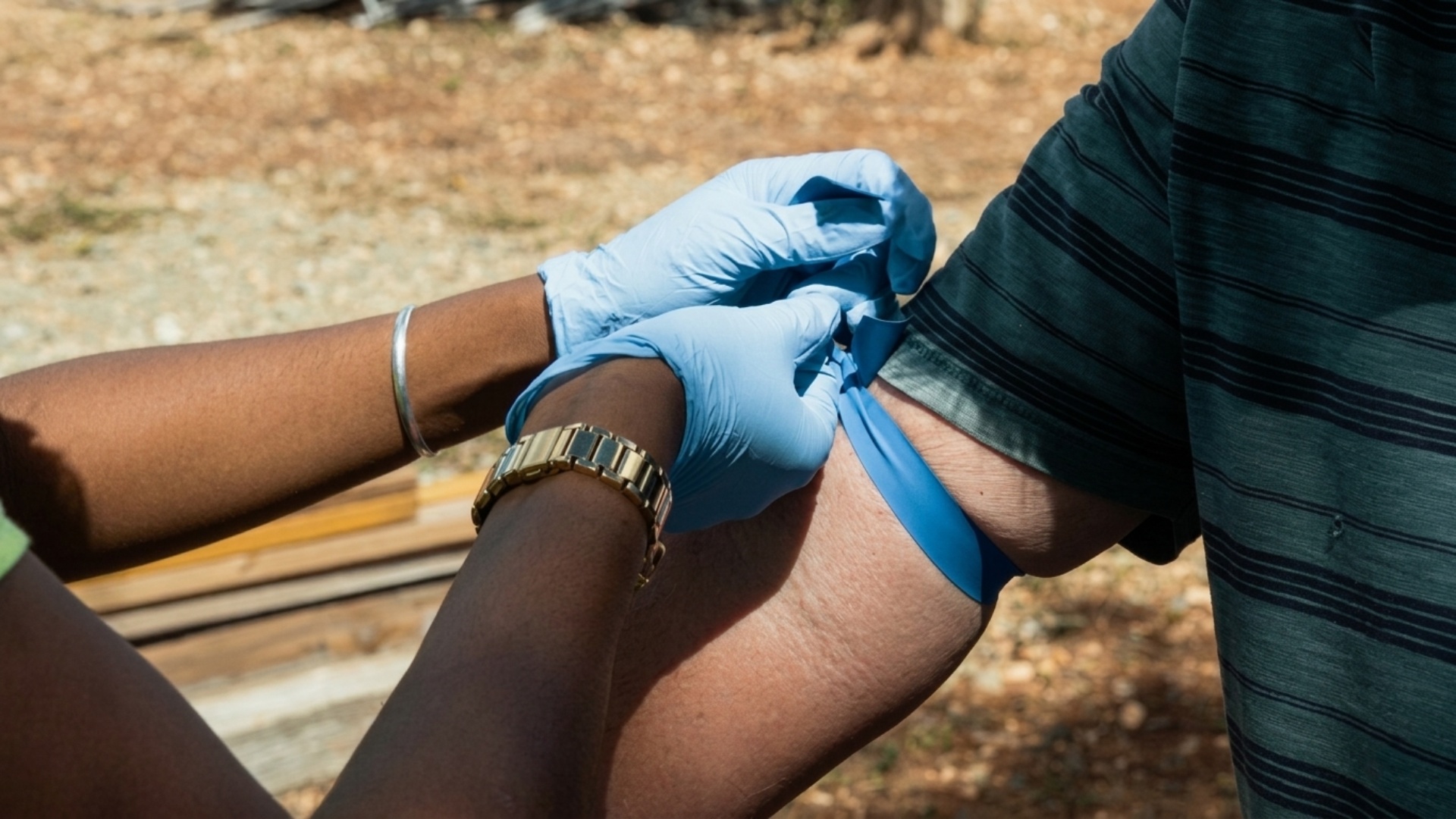
For epidemic investigators, the work is both scientific and preventative.
Their efforts aim to stop local outbreaks from becoming larger crises.