Inside the science of how dogs think
June 15, 2026
Neuroscientist Gregory Berns uses MRI scans to study how dogs think and feel. His research reveals that many dogs respond to human praise as strongly as they do to food, offering new insights into the emotional bond between dogs and people.

Gregory Berns studies how dogs think.
His work explores the science behind their behaviour.
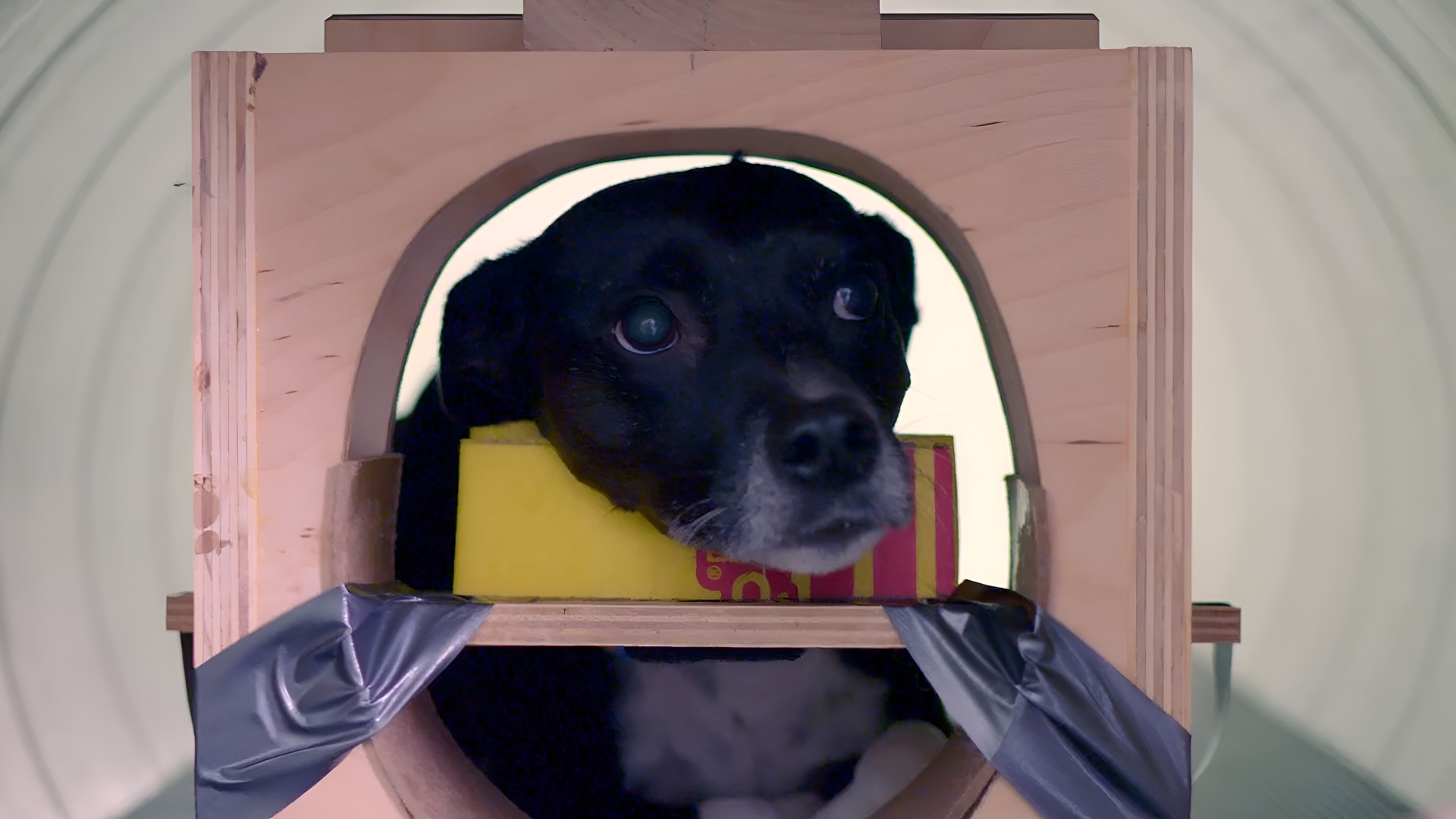
At Emory University, he leads a unique project.
Dogs are trained to enter MRI scanners.
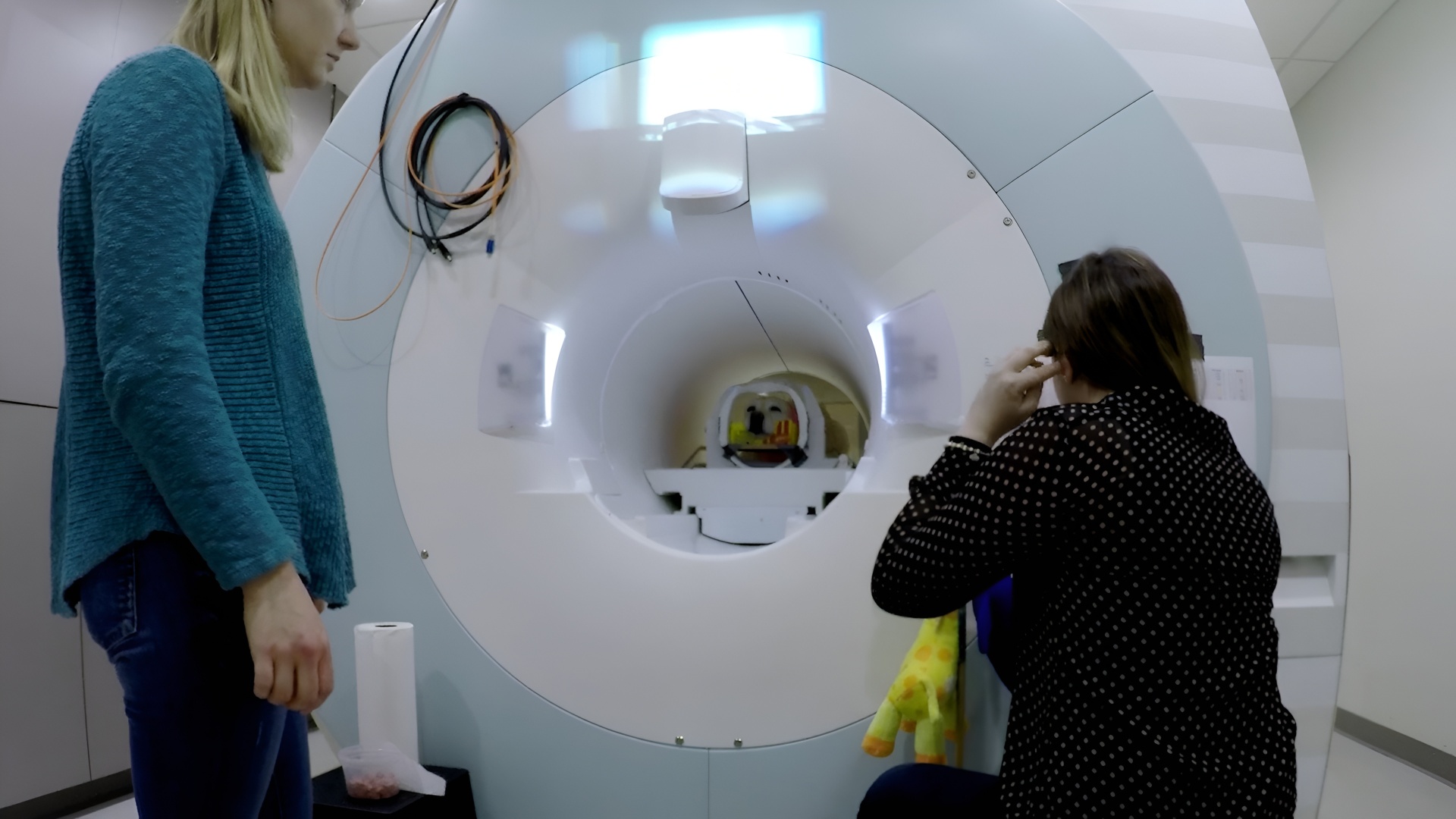
The idea began with a personal question.
Do dogs feel love the way humans do?

To find answers, he turned to brain imaging.
A method already used to study human emotions.
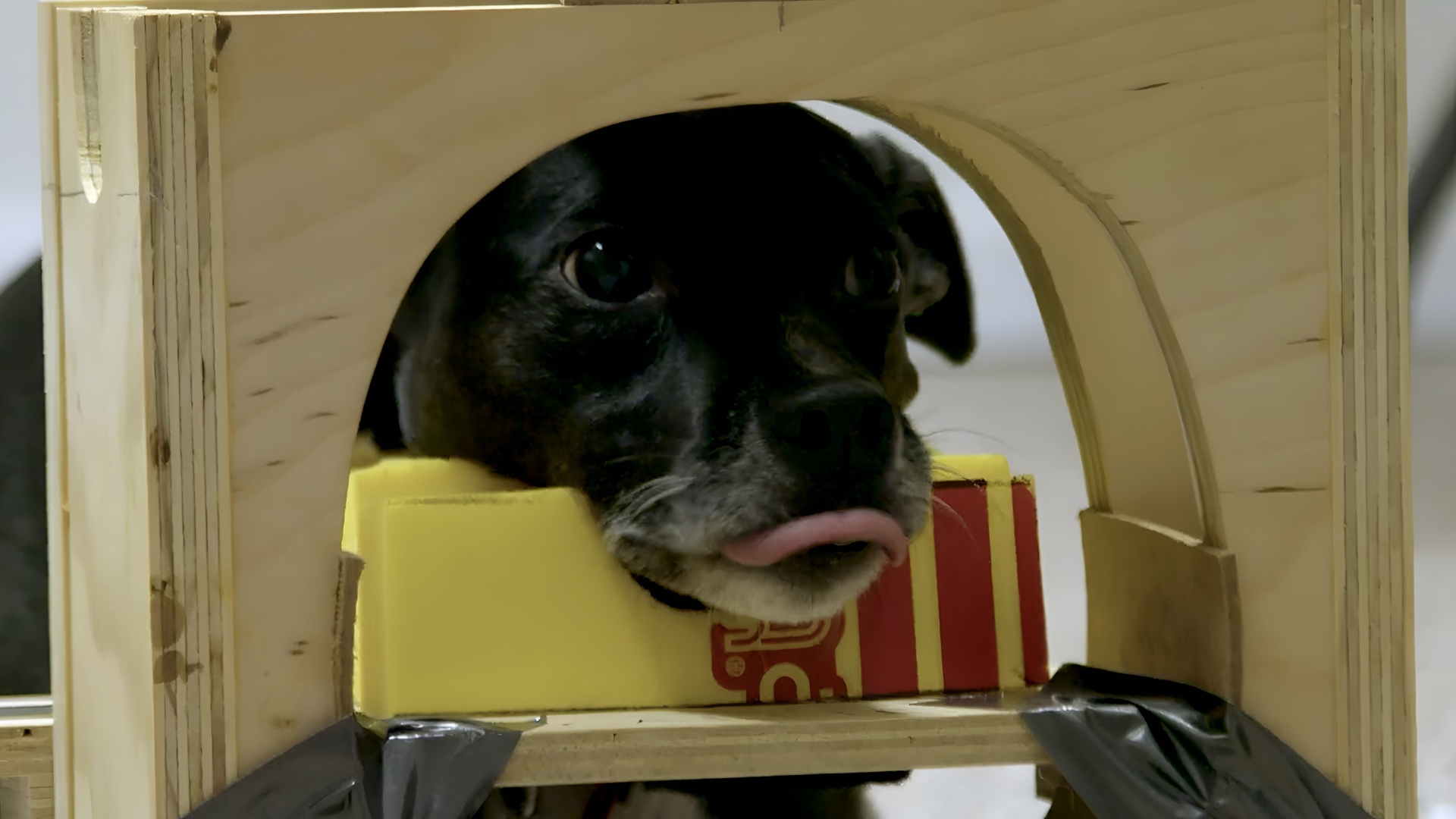
Training dogs for MRI scans required creativity.
The environment is loud and unfamiliar.
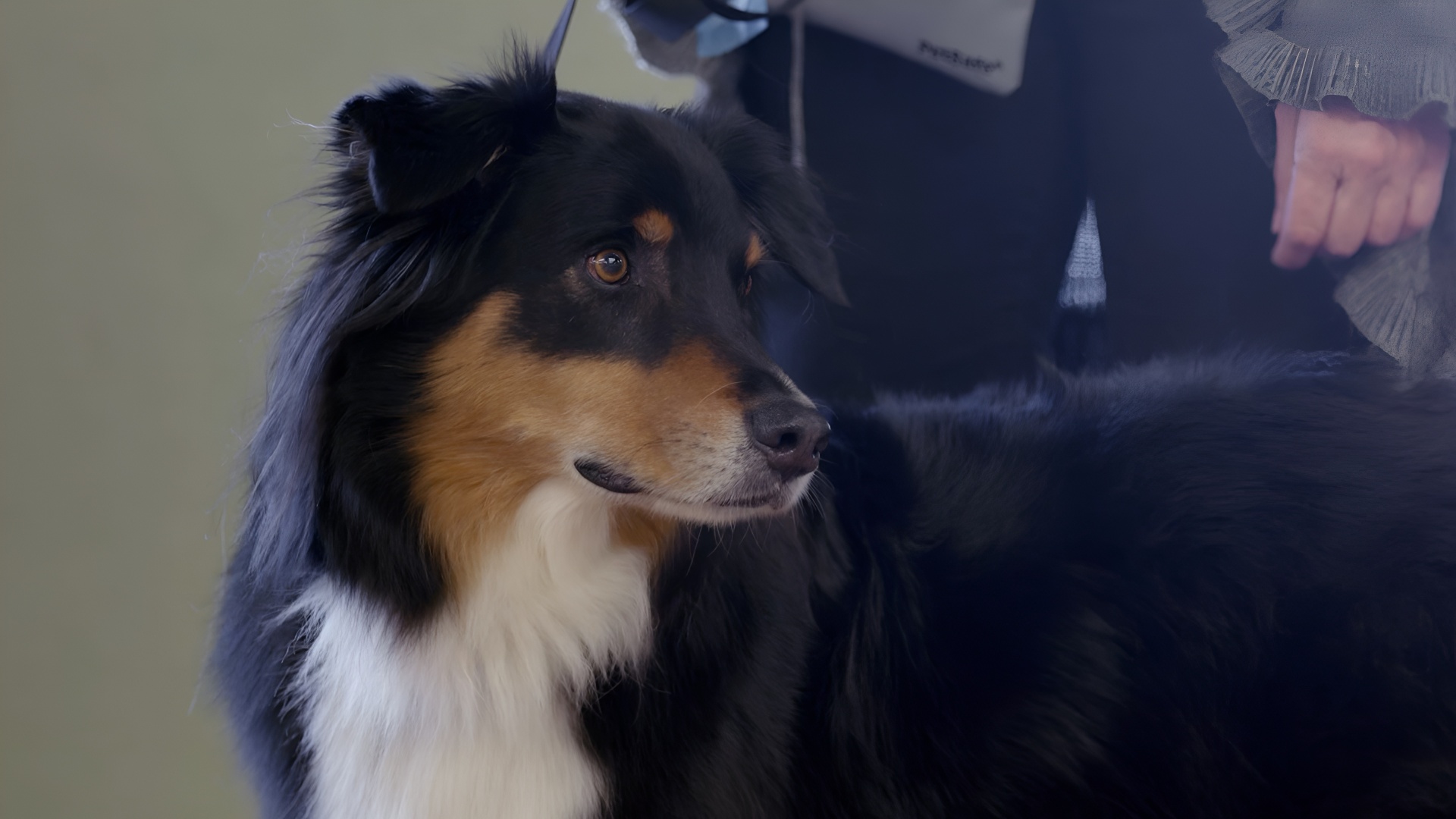
A custom simulator helped prepare them.
Positive reinforcement made the process possible.
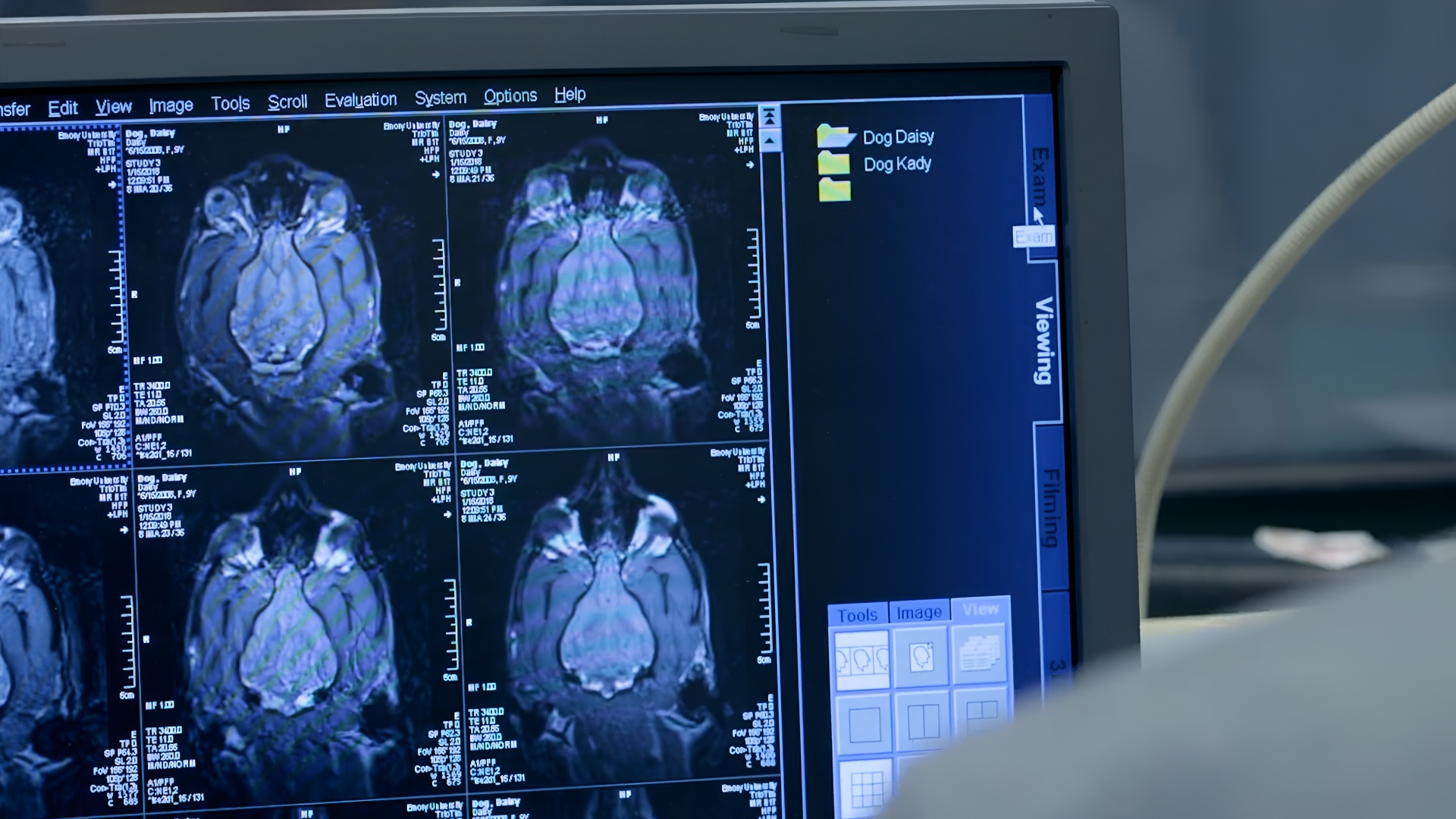
Some dogs became experienced participants.
They learned to stay still during scans.
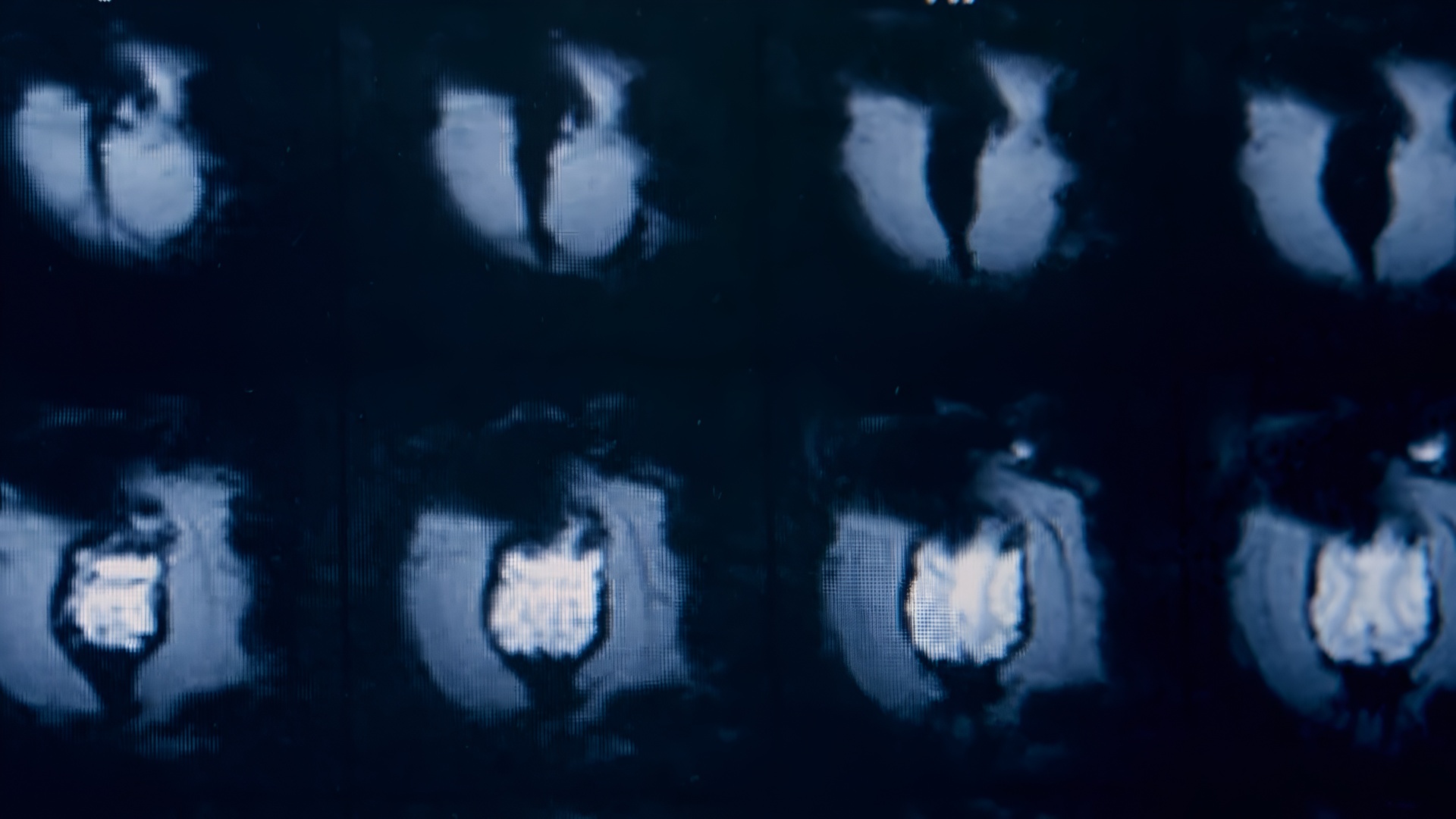
The research compares responses to different rewards
Food and human praise are both tested.
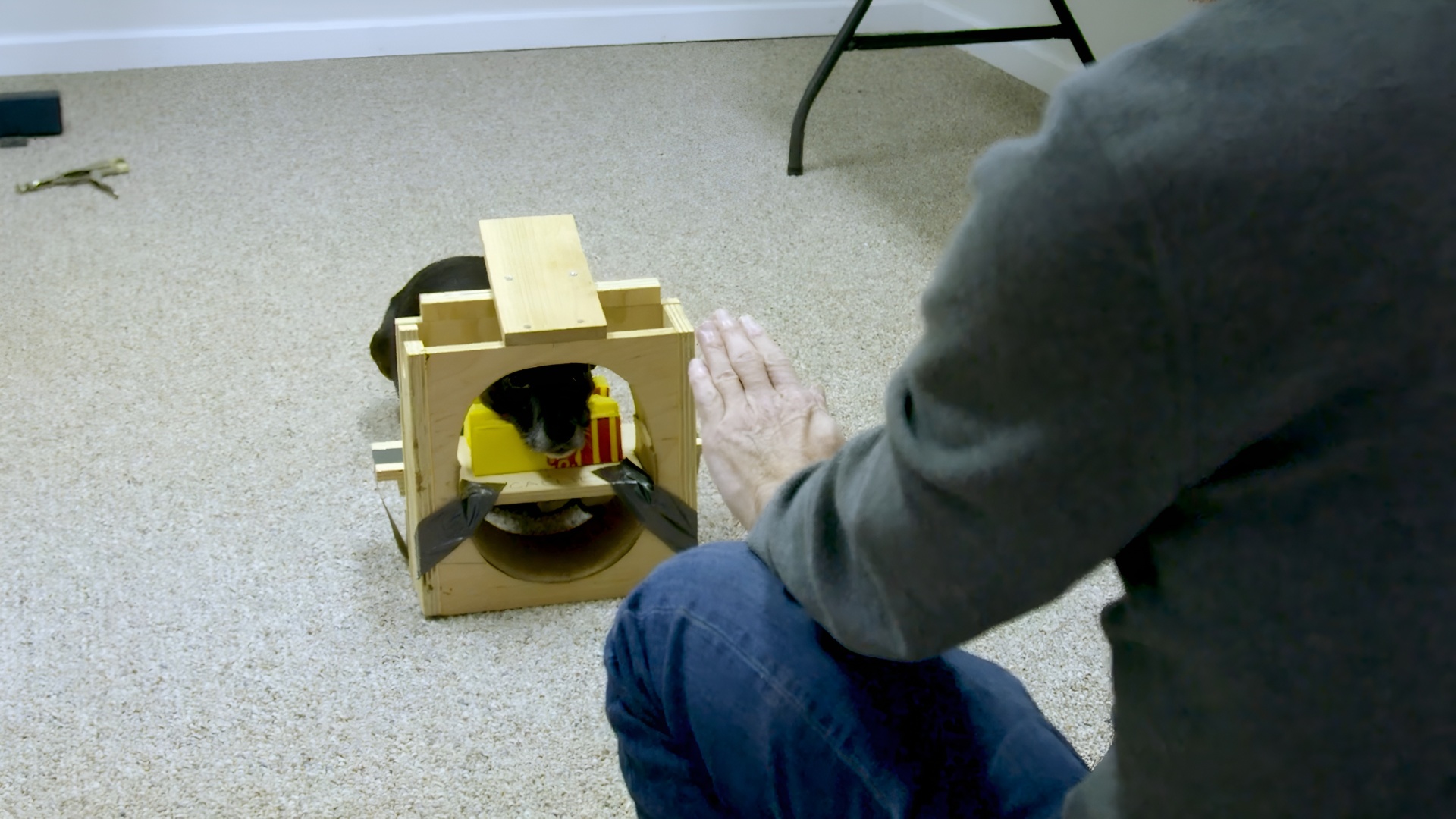
Results revealed something meaningful.
Many dogs respond to praise as much as food.
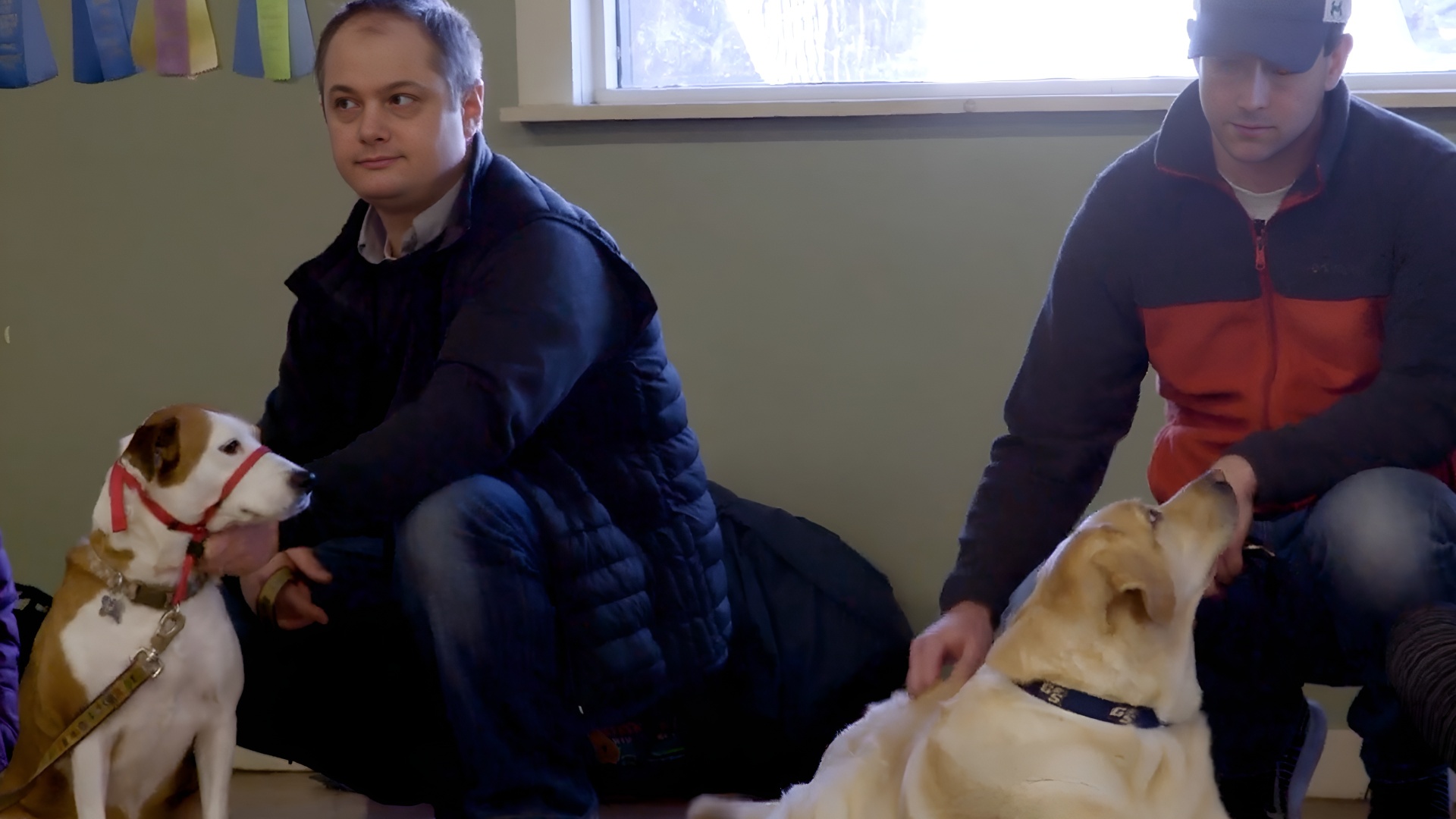
The findings suggest a deeper bond.
Dogs may value connection as much as reward.