Maggie Gyllenhaal Explains Why Directing Can Feel More Rewarding Than Acting
September 12, 2026
Maggie Gyllenhaal has reflected on why directing became such a powerful part of her career. Speaking at the Karlovy Vary International Film Festival, she compared its responsibility to motherhood and highlighted preparation and collaboration with cinematographers as favorite parts of the process. Gyllenhaal also addressed directing’s gender imbalance and said moving behind the camera brought her a new level of professional respect.
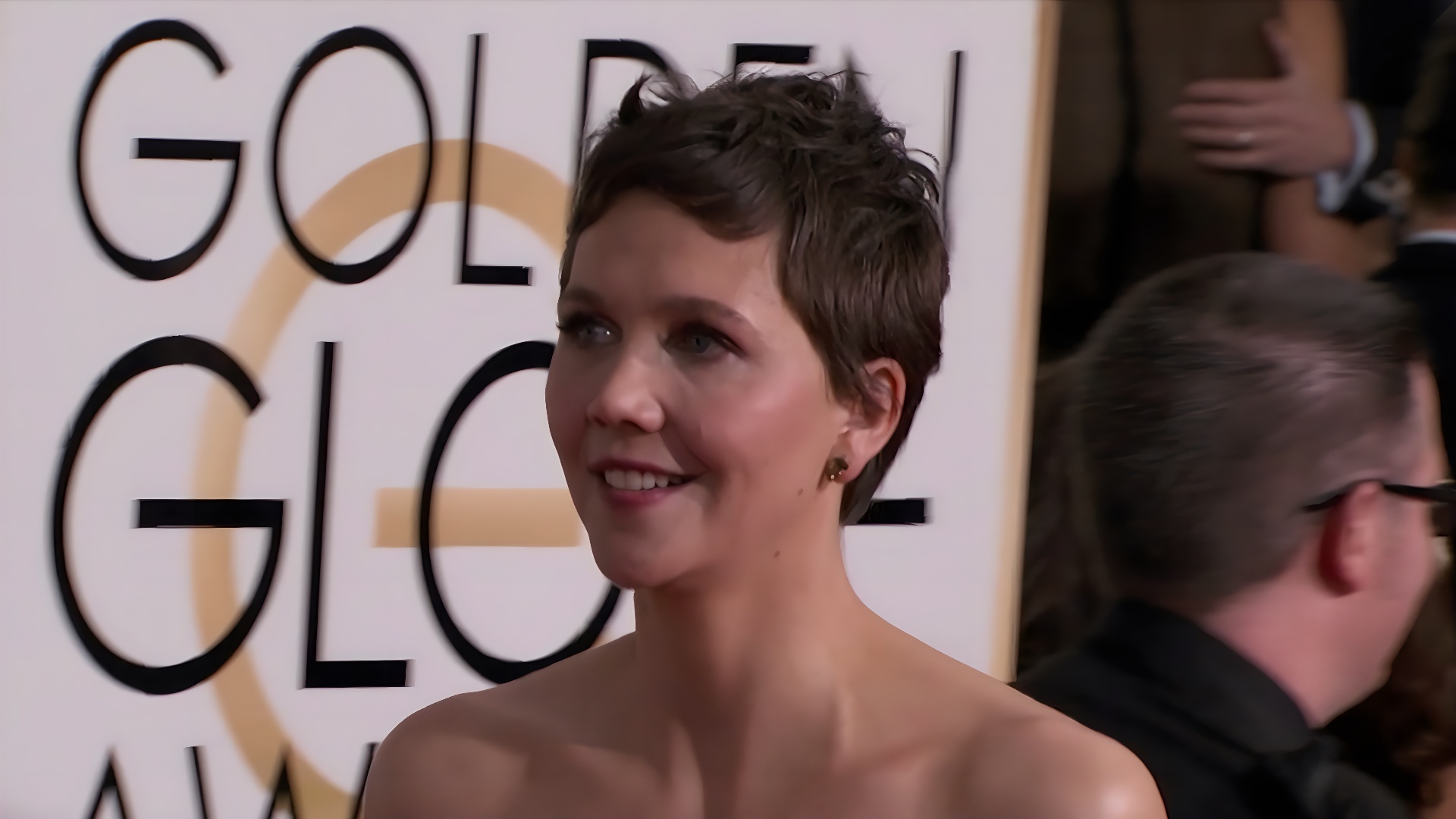
Maggie Gyllenhaal has found a new creative force in directing. The responsibility is part of its appeal.
The actress and filmmaker reflected on her move behind the camera while attending the Karlovy Vary International Film Festival.
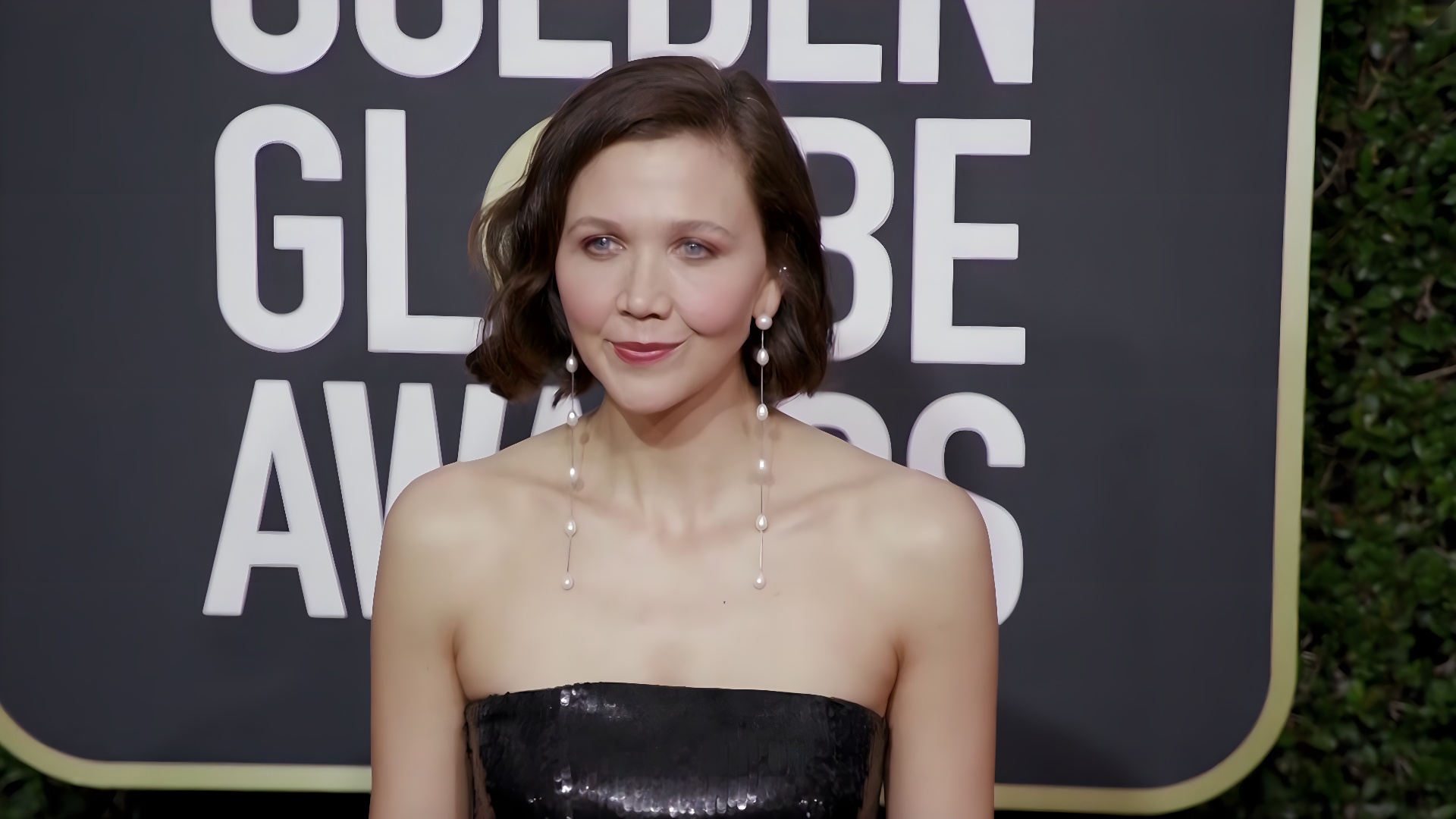
Gyllenhaal compared directing with motherhood. Both bring responsibility alongside excitement.
She described filmmaking as simultaneously powerful and intimidating because a director carries responsibility for an entire production.
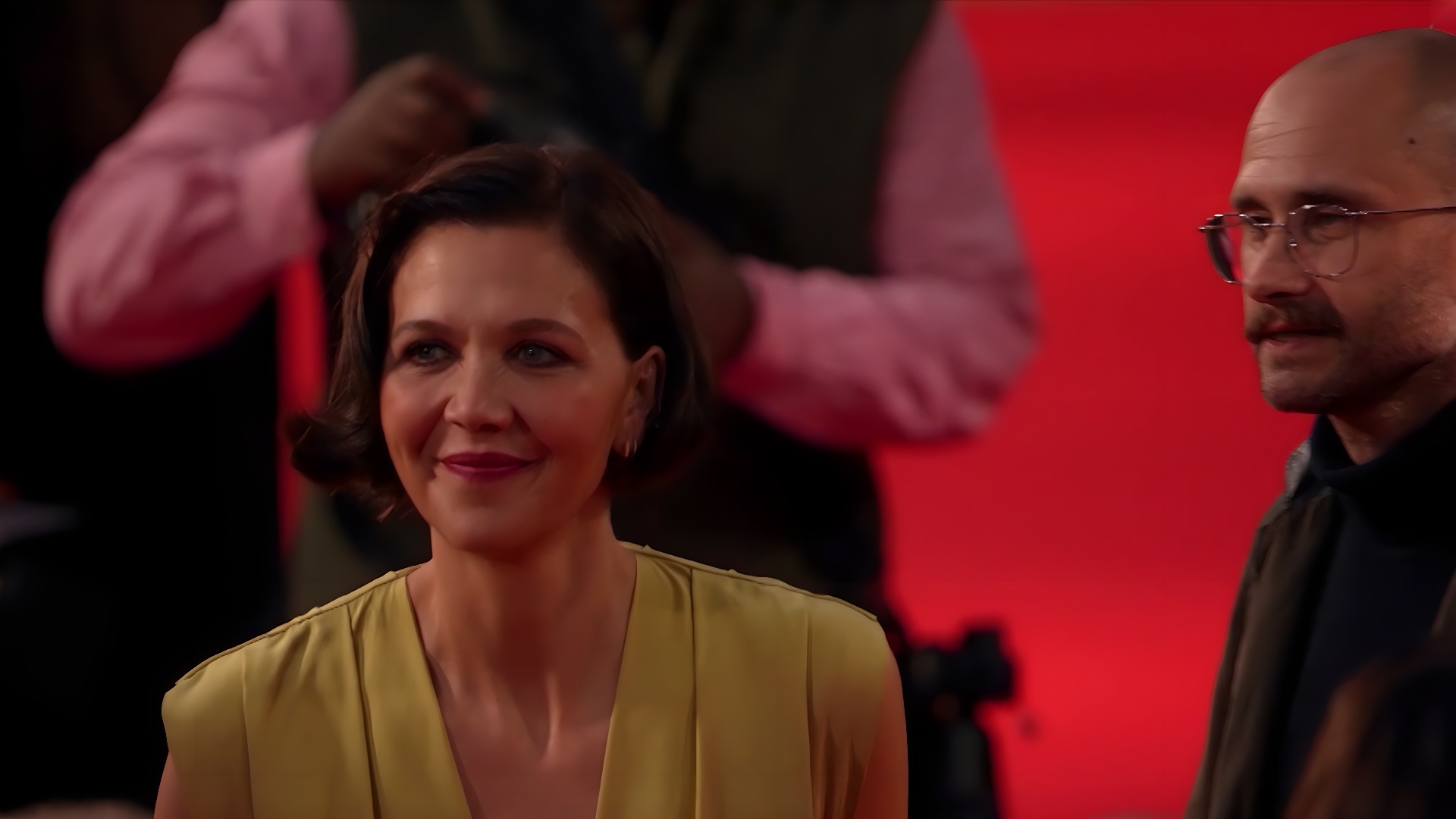
Preparation is a favorite part of the job. The creative process starts before filming.
Gyllenhaal said she particularly enjoys the extensive planning that happens before the cast and crew arrive on set.
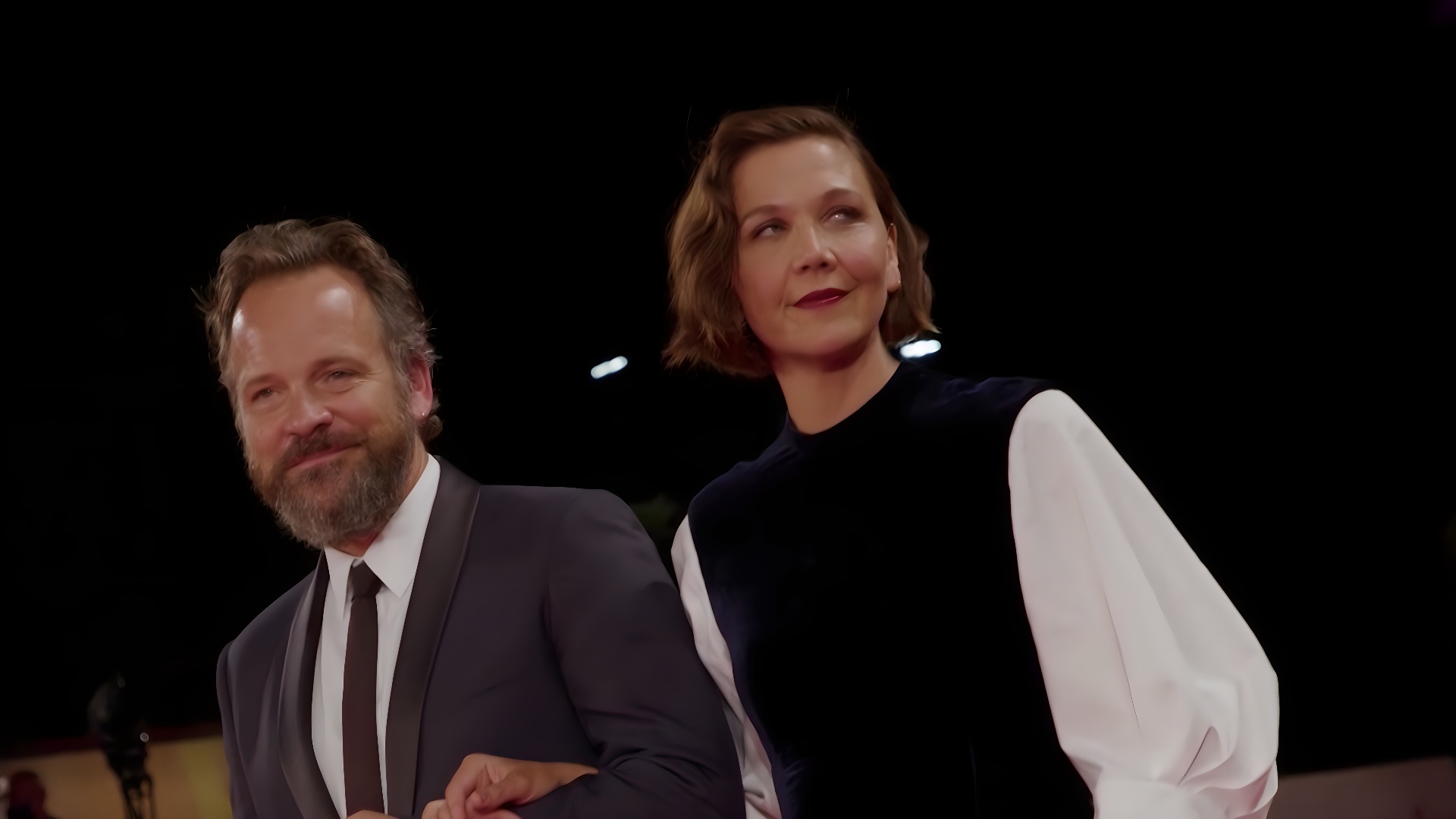
Visual ideas need a shared language. Collaboration helps build the film’s world.
Working closely with her cinematographer allows Gyllenhaal to establish a visual approach before production begins.
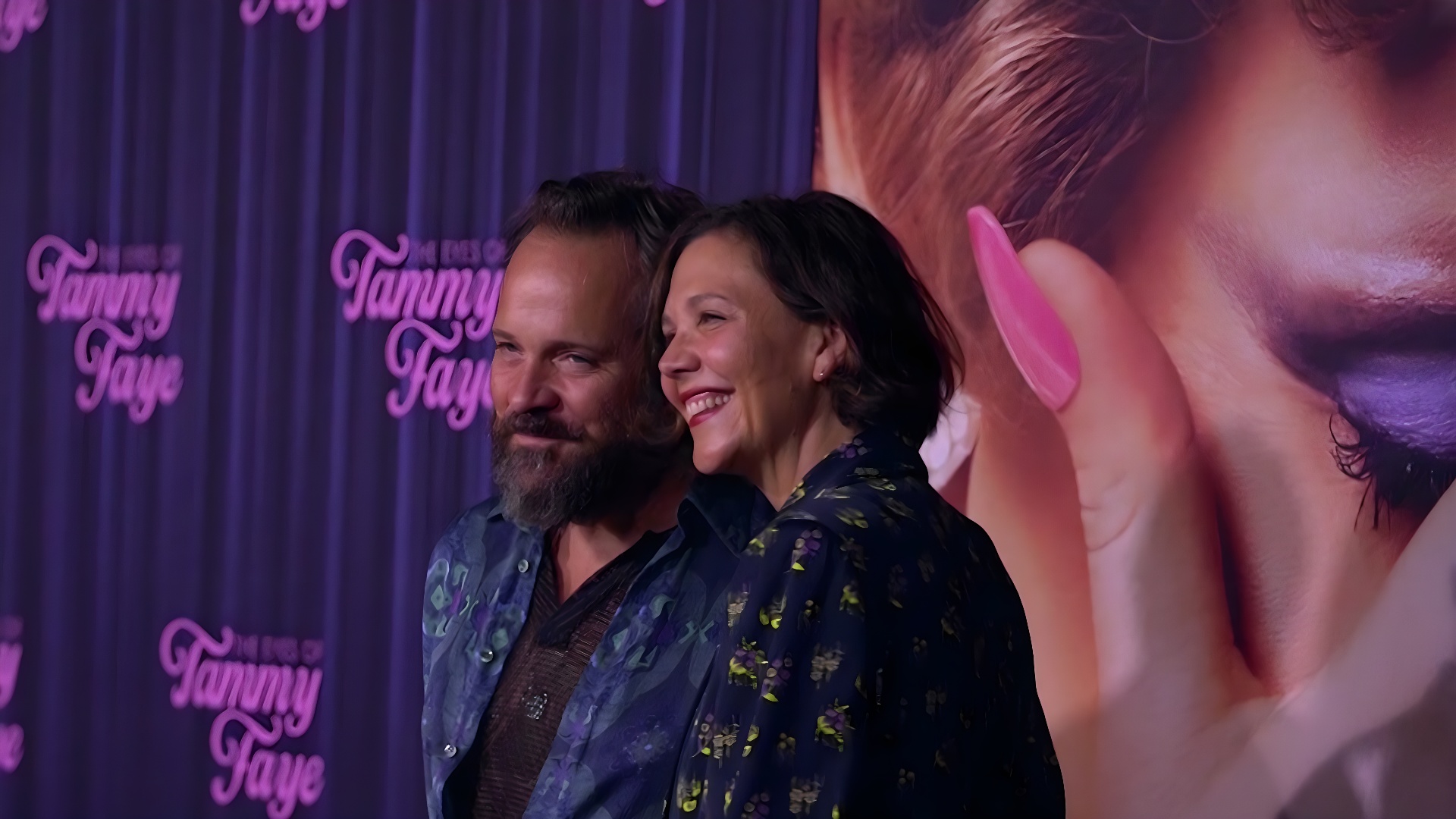
Directing has changed her creative priorities. Sometimes it appeals more than acting.
After decades as a performer, Gyllenhaal has discovered that shaping an entire film can be even more rewarding than appearing in front of the camera.
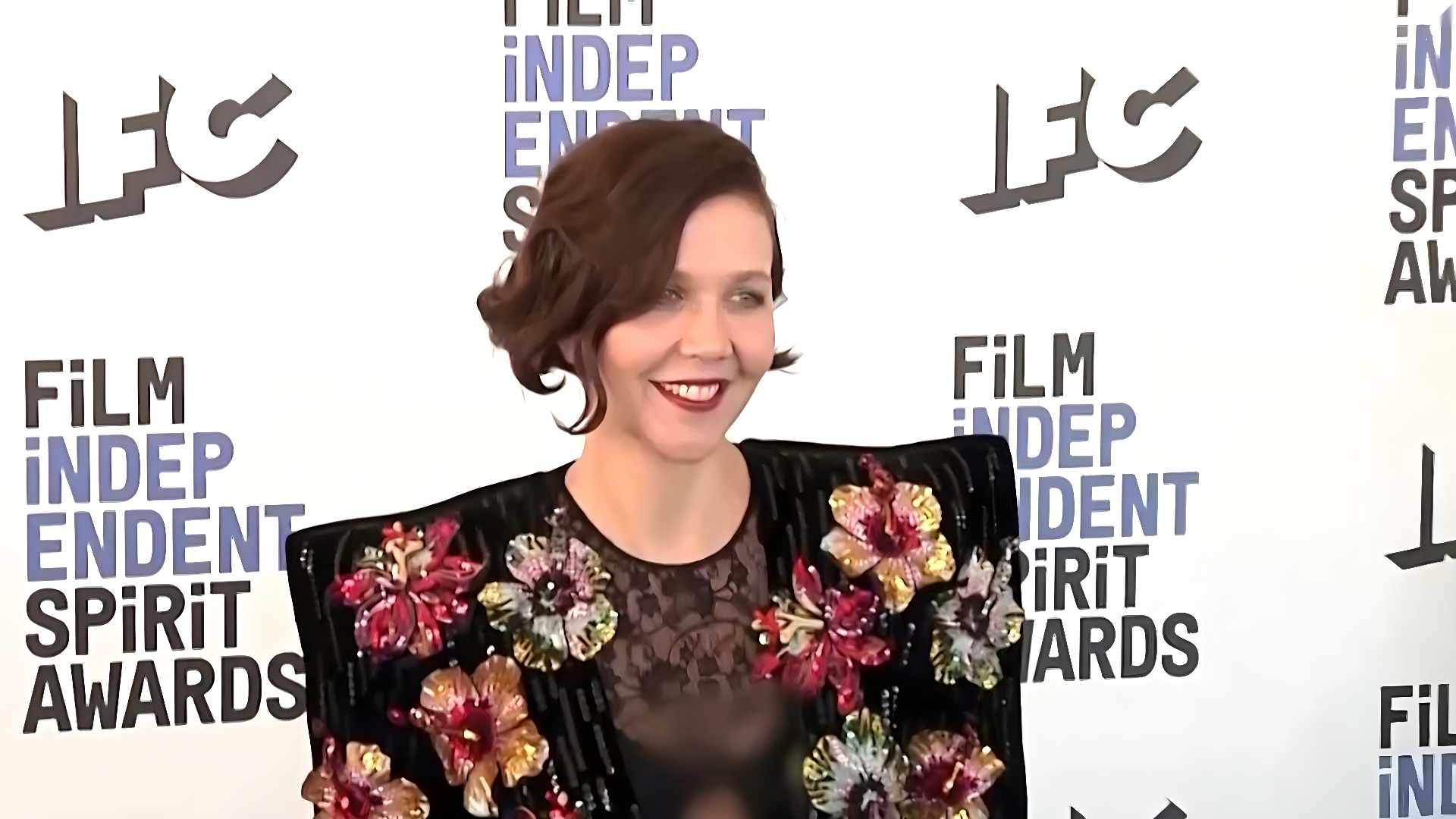
Her directing career began with The Lost Daughter. The film marked a major transition.
Gyllenhaal made her feature directing debut with the 2021 psychological drama, which she also adapted for the screen.
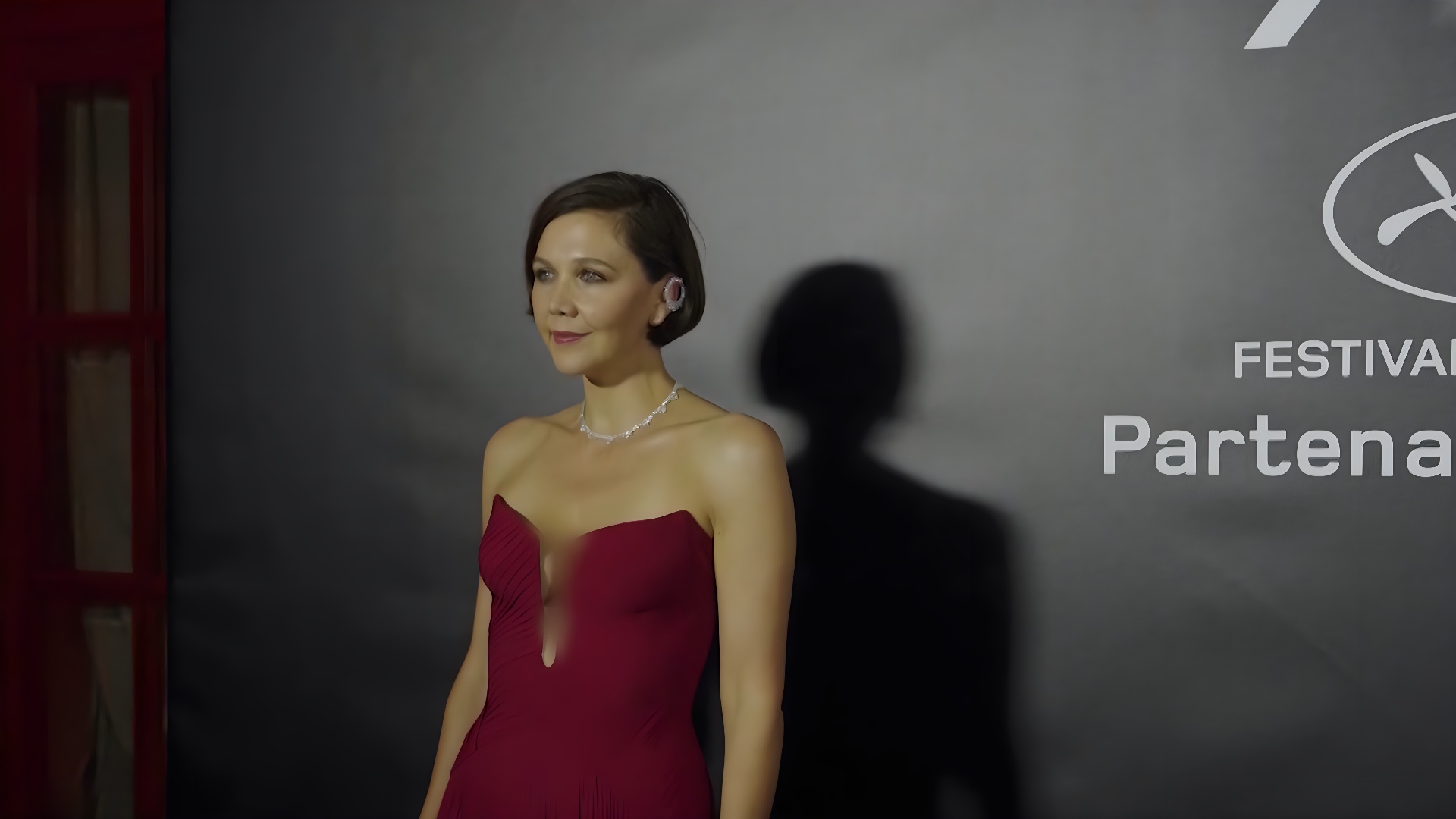
The debut earned significant recognition. Her screenplay received an Oscar nomination.
The Lost Daughter brought Gyllenhaal an Academy Award nomination for Best Adapted Screenplay and established her as a filmmaker beyond her acting career.
She also sees an industry imbalance. Directing remains heavily male-dominated.
Gyllenhaal addressed the longstanding gender disparity behind the camera and the barriers women have faced in securing directing opportunities.
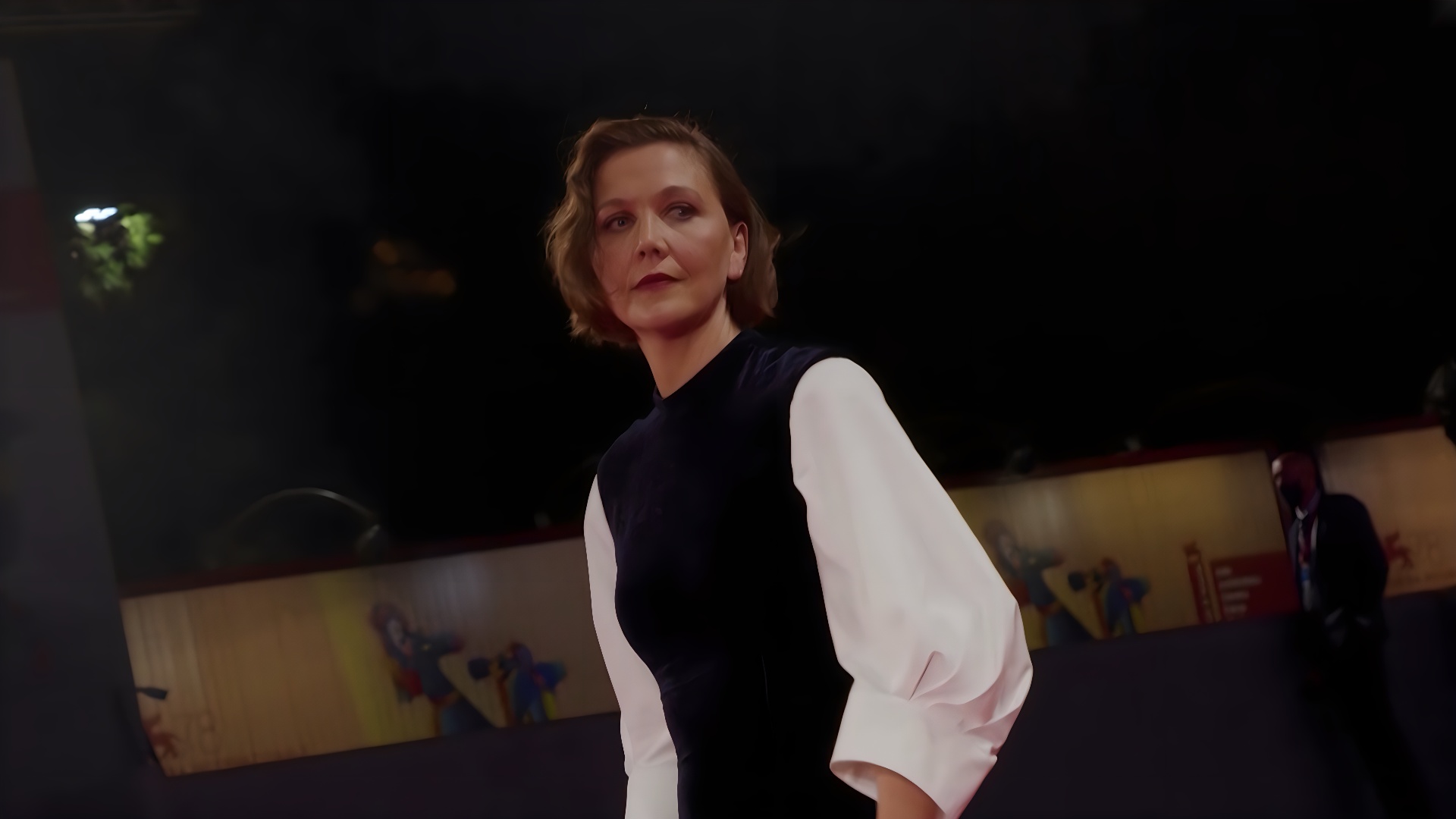
Moving behind the camera changed how she was treated. The position brought a different level of respect.
Gyllenhaal said becoming a director led to professional respect that she had not experienced in the same way earlier in her career.
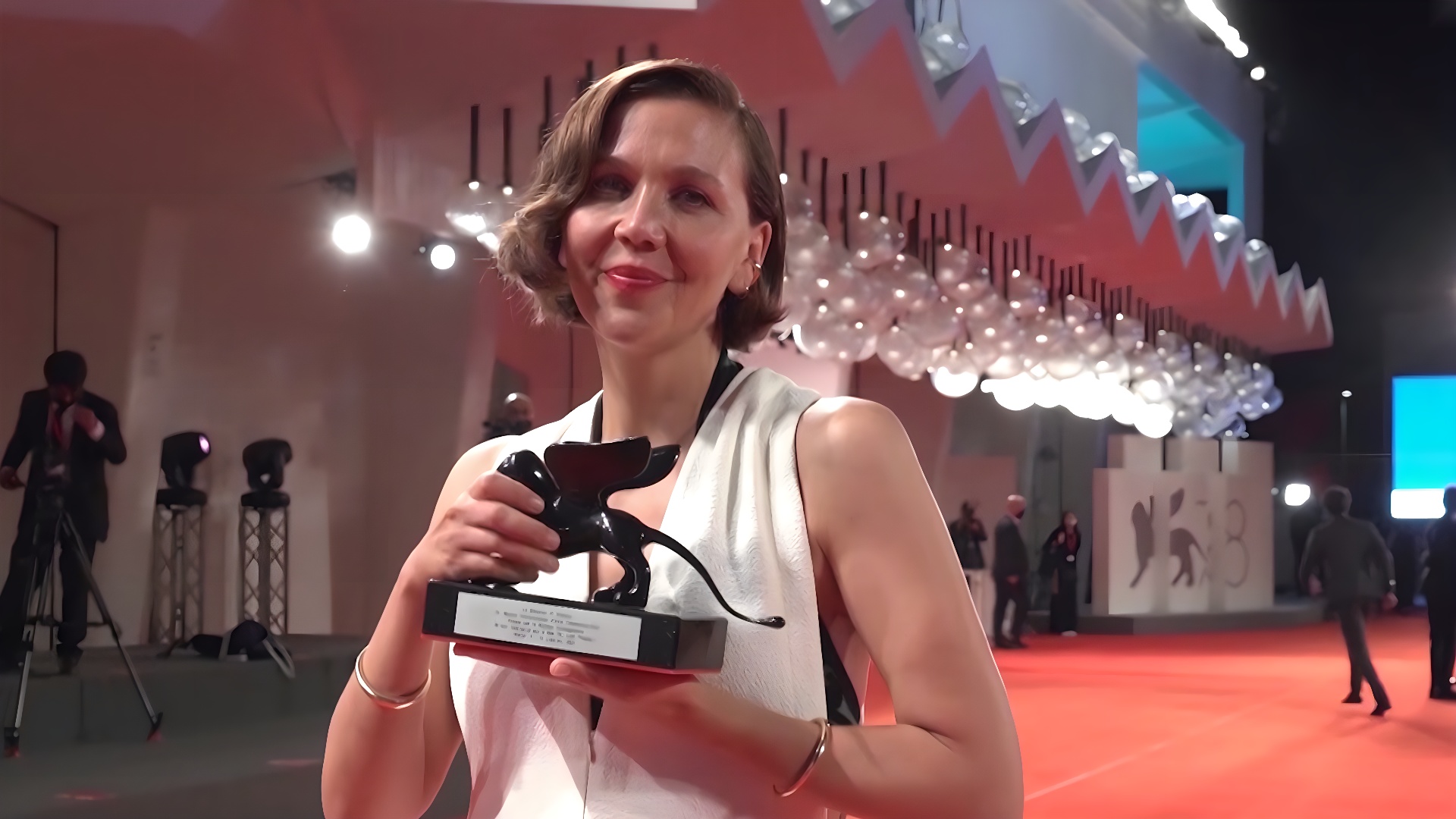
Directing opened another chapter for Gyllenhaal. Greater responsibility brought greater creative control.
Her transition from acting into filmmaking has allowed her to shape stories from a broader perspective while taking responsibility for the complete creative vision.