Paul Spong studies orcas on Hanson Island
July 22, 2026
On Hanson Island, Canada, Paul Spong observes orcas in their natural habitat using OrcaLab’s non-invasive research methods. By monitoring whale communication and highlighting the impact of human noise, his work promotes conservation and awareness of marine ecosystems.
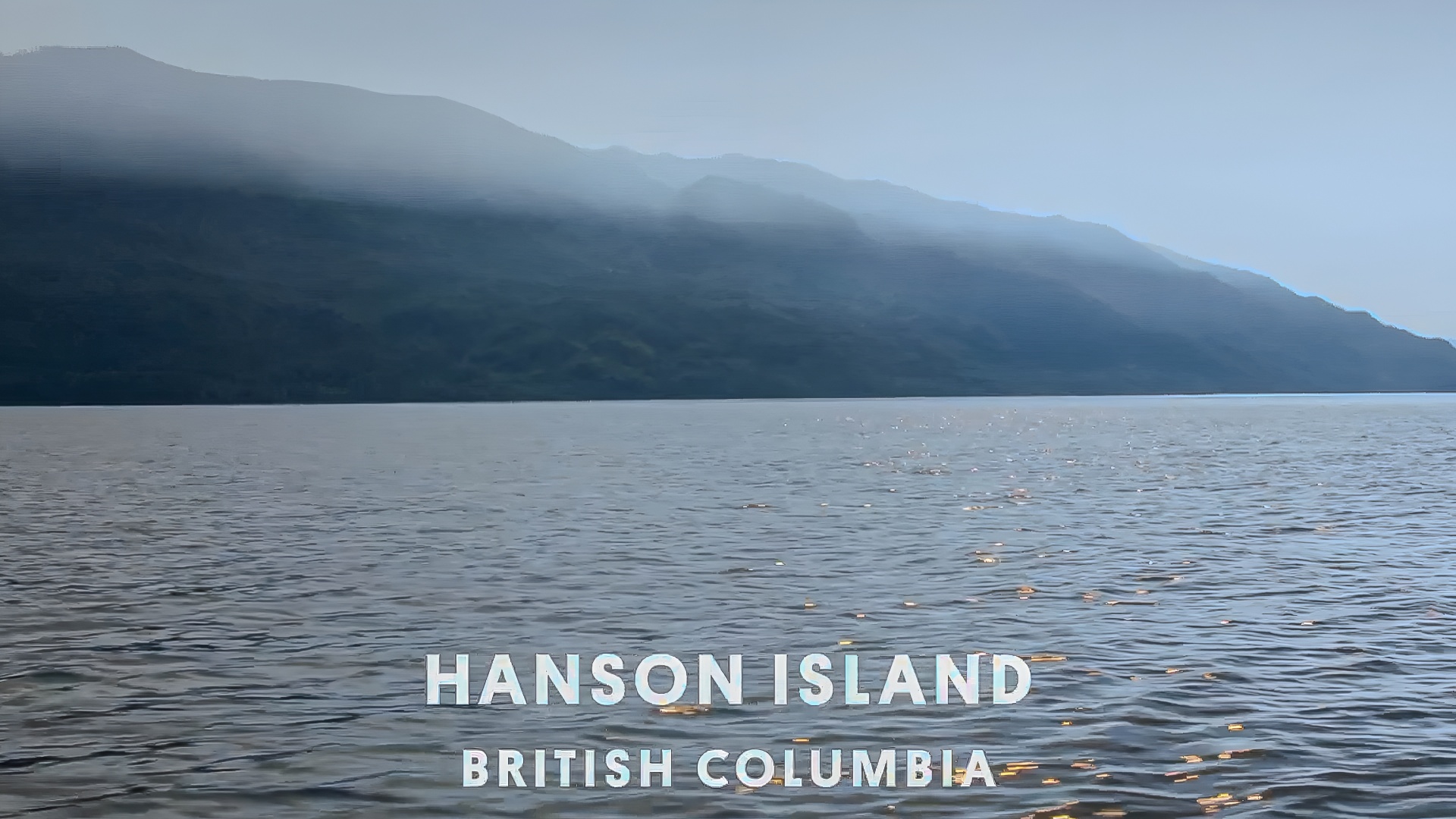
Life on Hanson Island
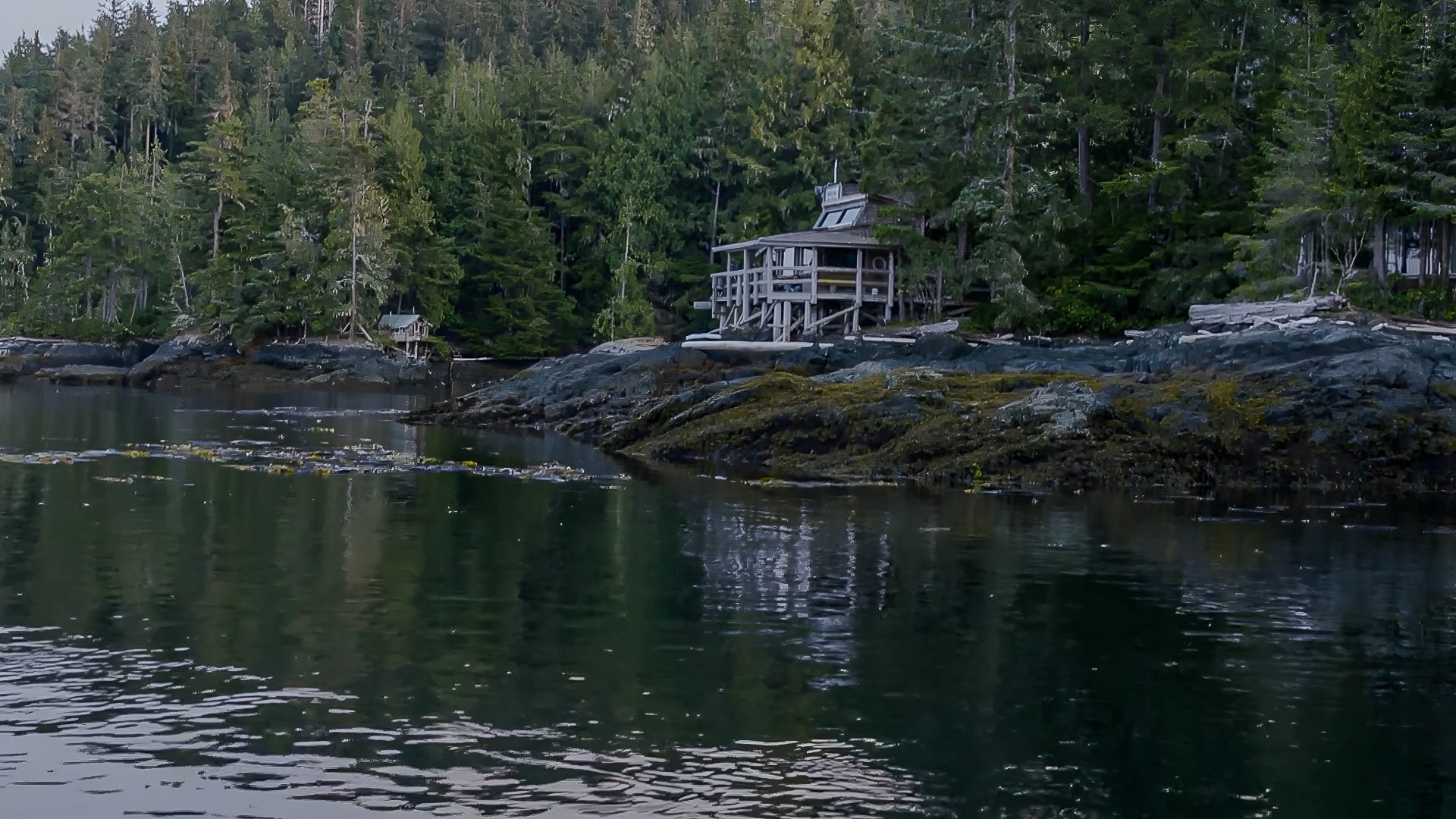
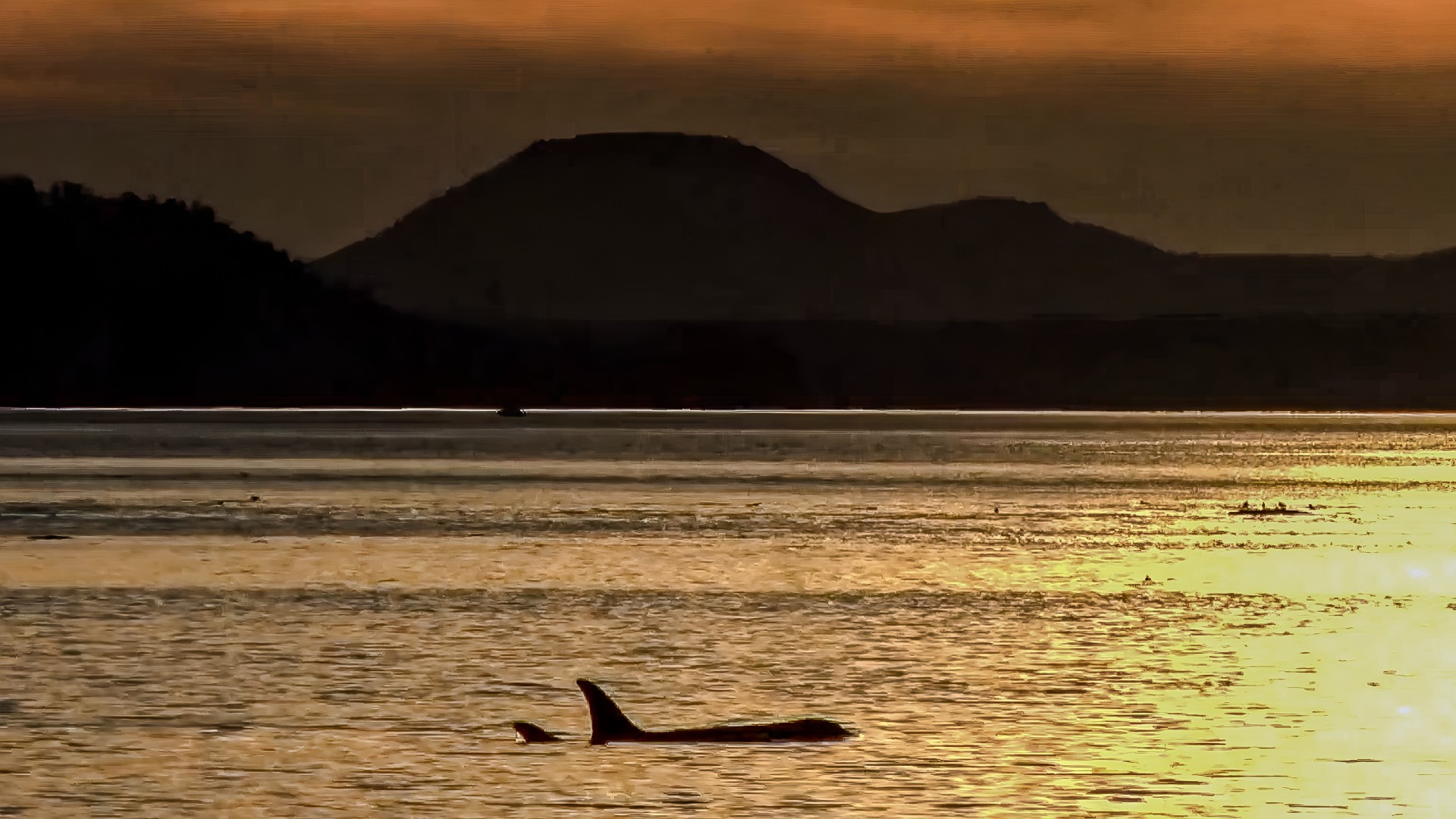
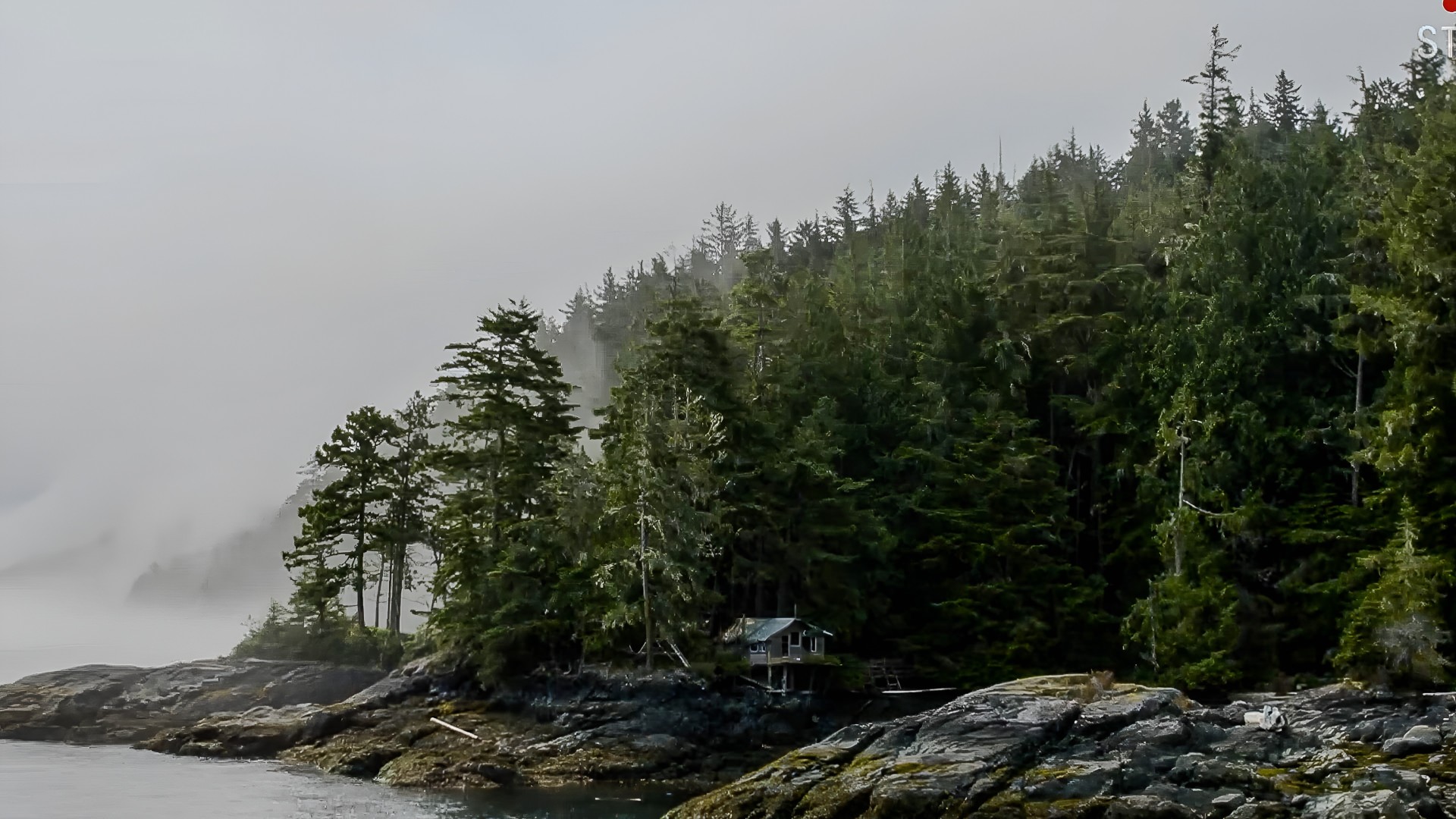
Hanson Island sits off Canada’s west coast, a remote stretch of land shaped by forests, water, and the presence of orcas that move through its surrounding seas.
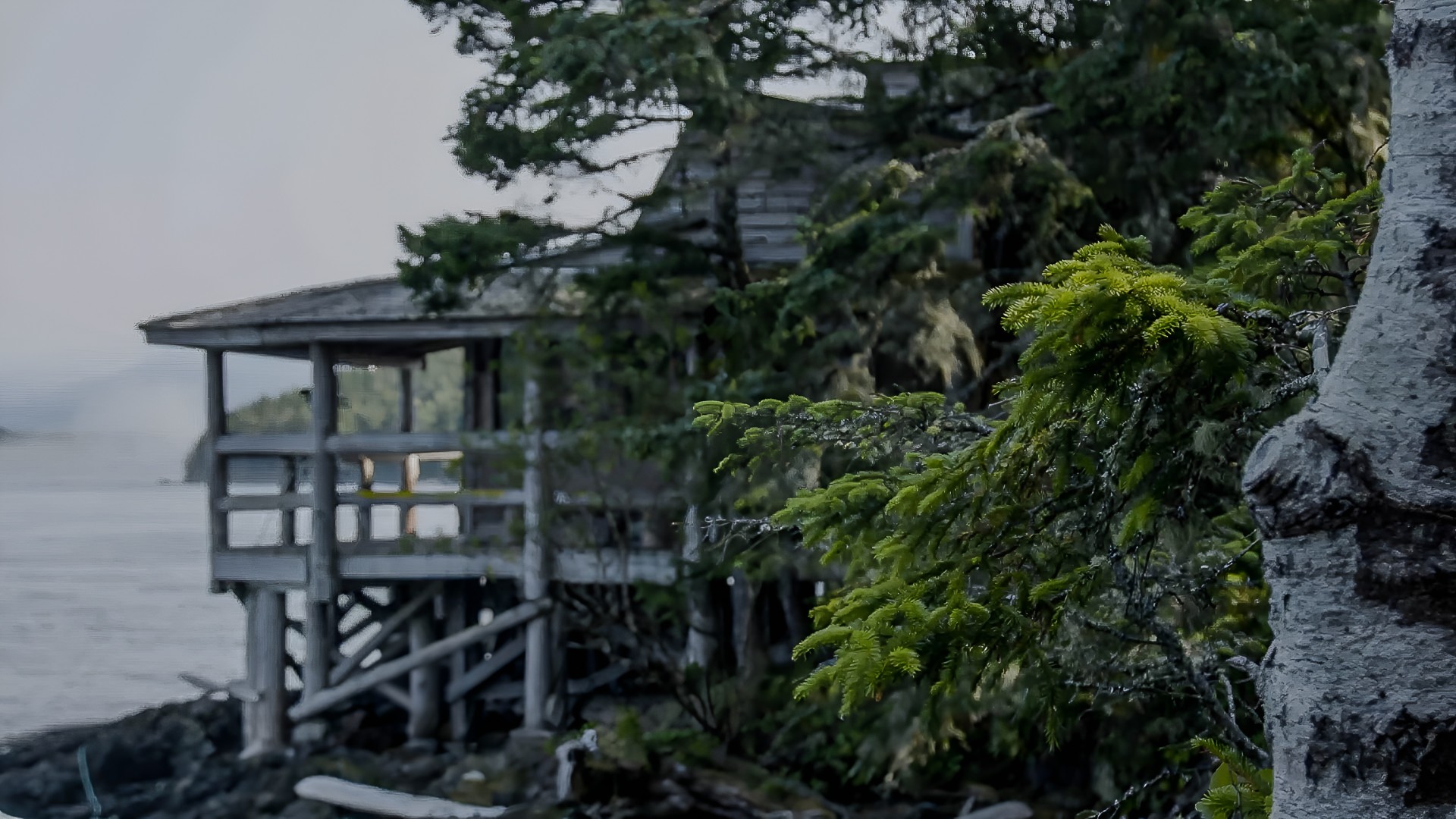
An island shared with nature
The island is described as belonging to both Indigenous communities and orcas, reflecting a deep connection between people, wildlife, and environment.
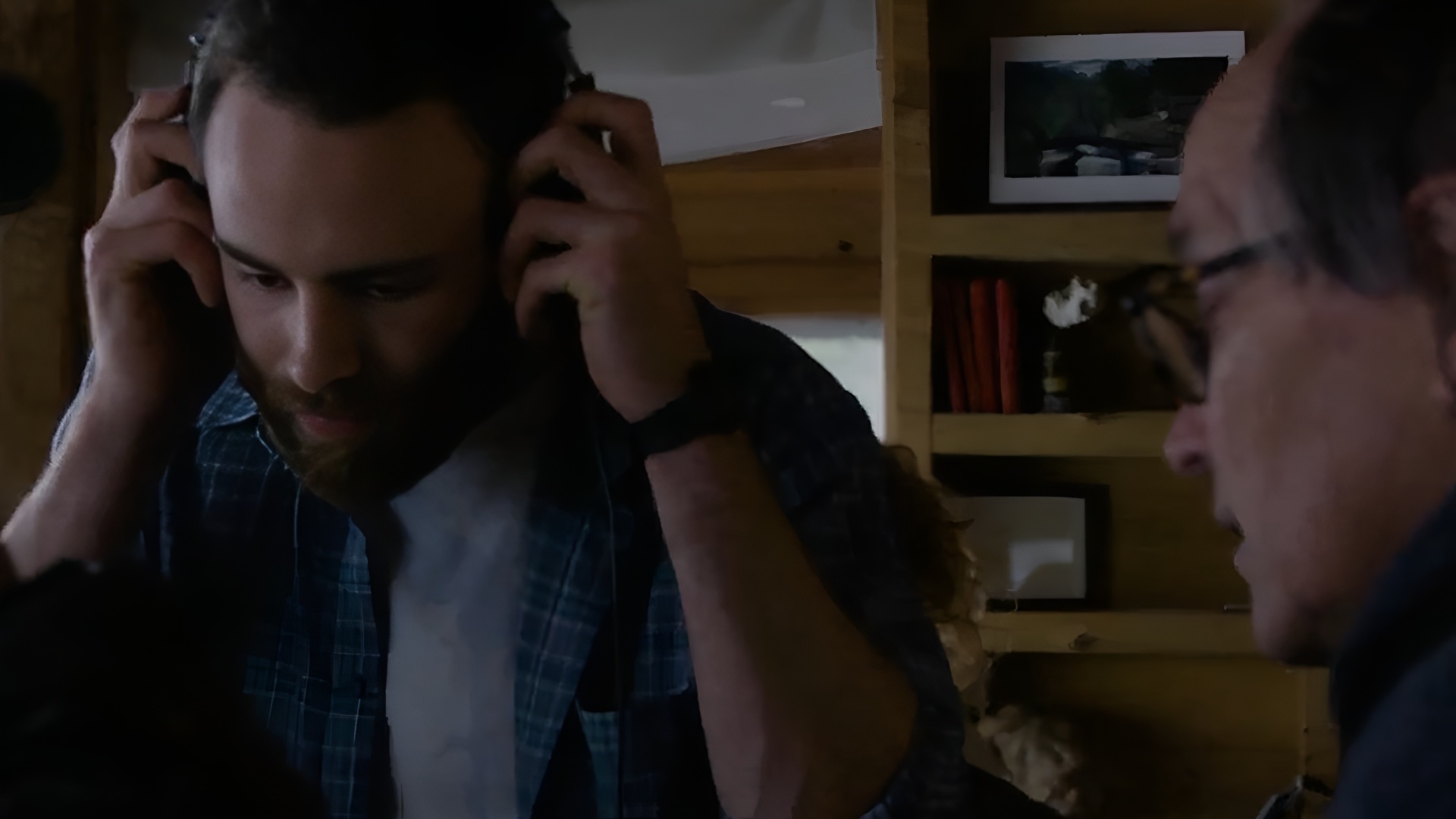
A lifetime in the wild
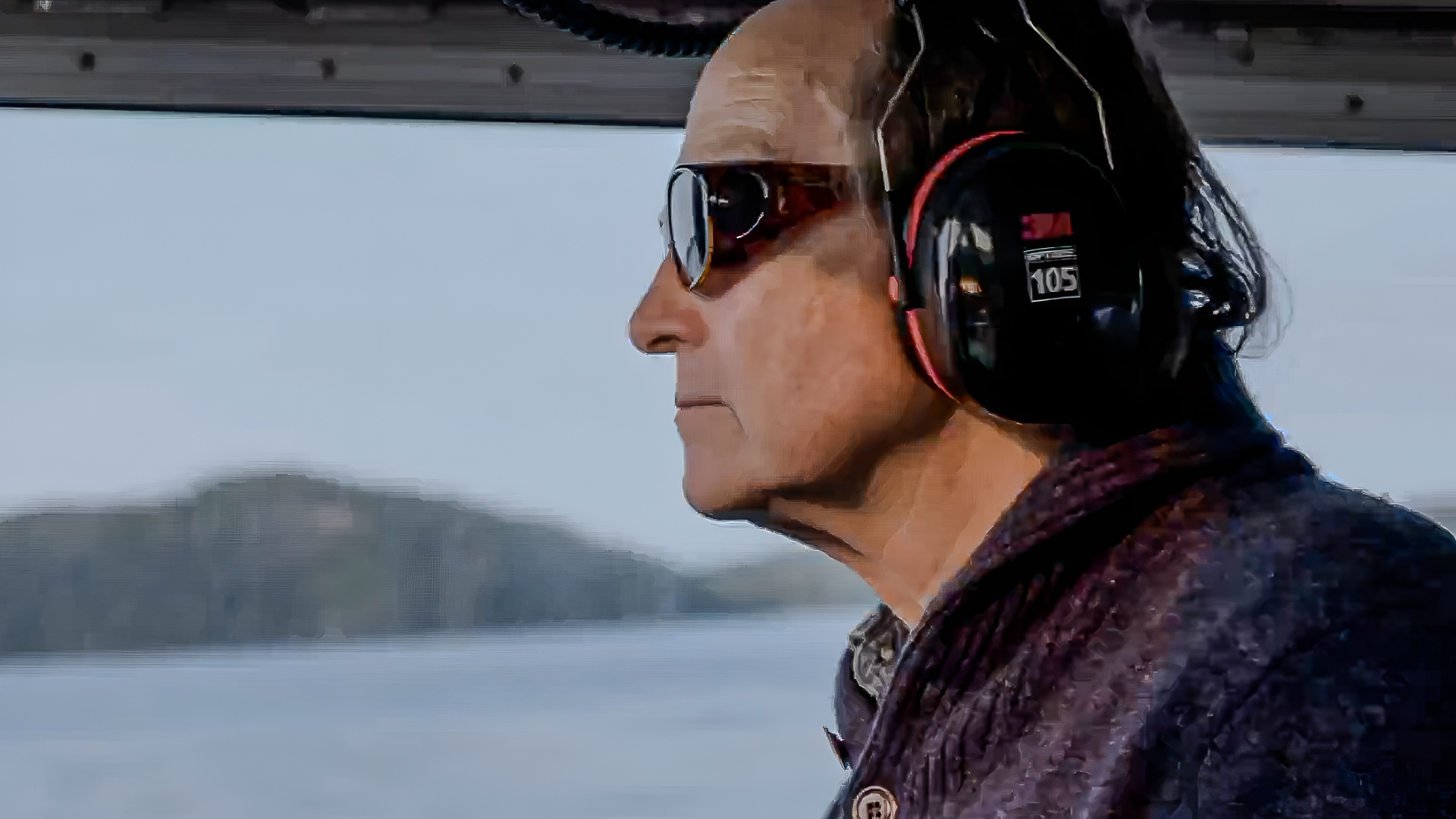
Scientist Paul Spong has spent decades living on Hanson Island, studying orcas in their natural habitat and finding a lasting sense of calm in the process.
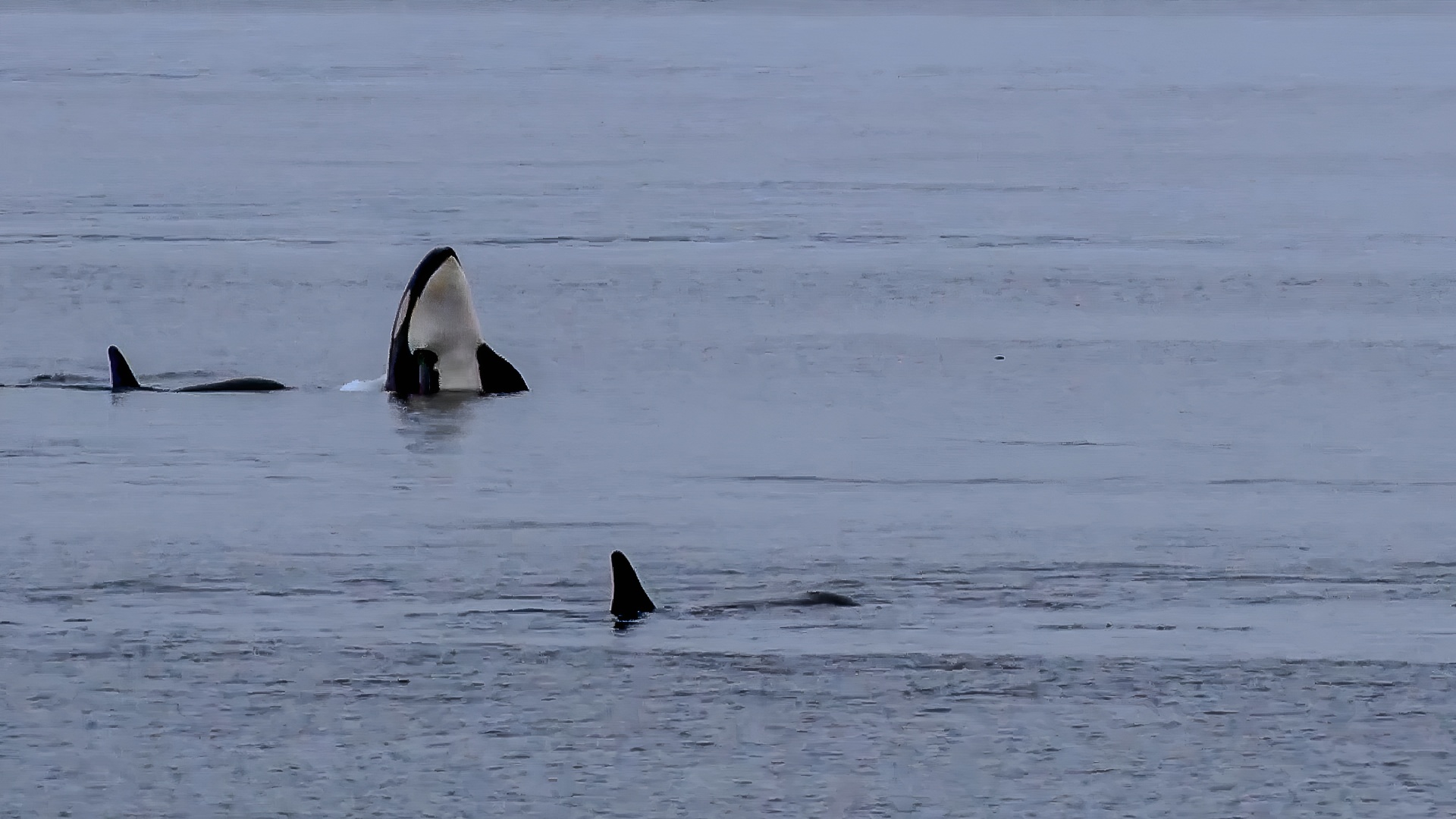
From captivity to conservation
His early research involved observing orcas in captivity, an experience that led him to question how the animals were being studied and confined.
Understanding sound-based life
Spong’s work revealed how central sound is to orcas, shaping how they communicate, hunt, and navigate their environment.
A turning point in research
Concerned by captivity conditions, he eventually left traditional research settings to establish a more natural, non-invasive way to study orcas.
OrcaLab on the coast
On Hanson Island, he built OrcaLab, a research site designed to observe orcas without direct interference, focusing instead on listening and tracking.
Listening to the ocean
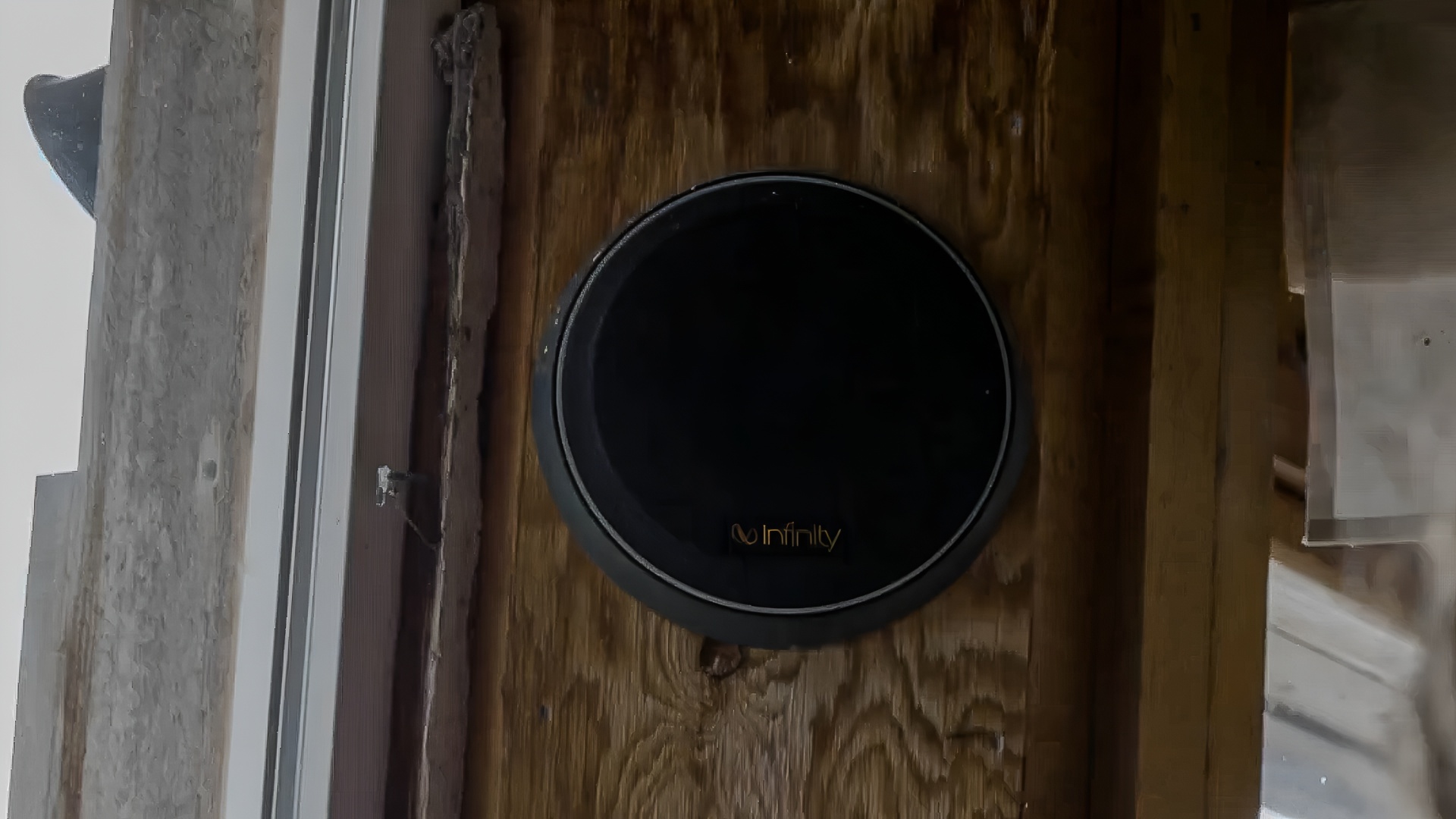
Hydrophones placed across the surrounding waters allow continuous audio monitoring, revealing the movement and presence of orcas in real time.
When human noise interrupts nature
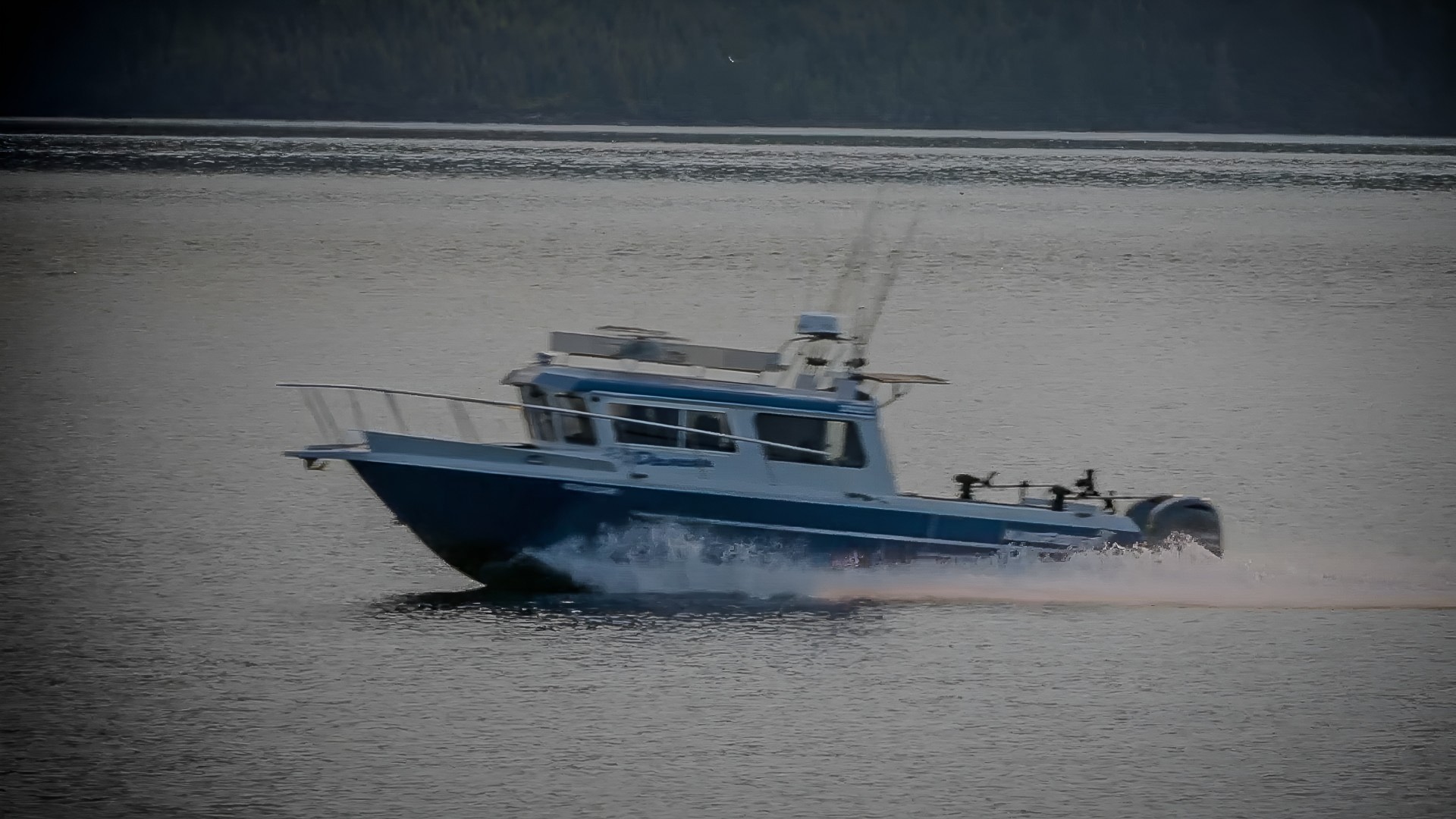
Boat engines and propellers create sharp disruptions underwater, interfering with orcas’ communication and hunting behaviour.
A call for empathy and awareness
The work at OrcaLab aims to help people understand orcas more deeply, encouraging greater awareness of how human activity affects marine life.