Studying bald eagles in their natural habitat
October 08, 2026
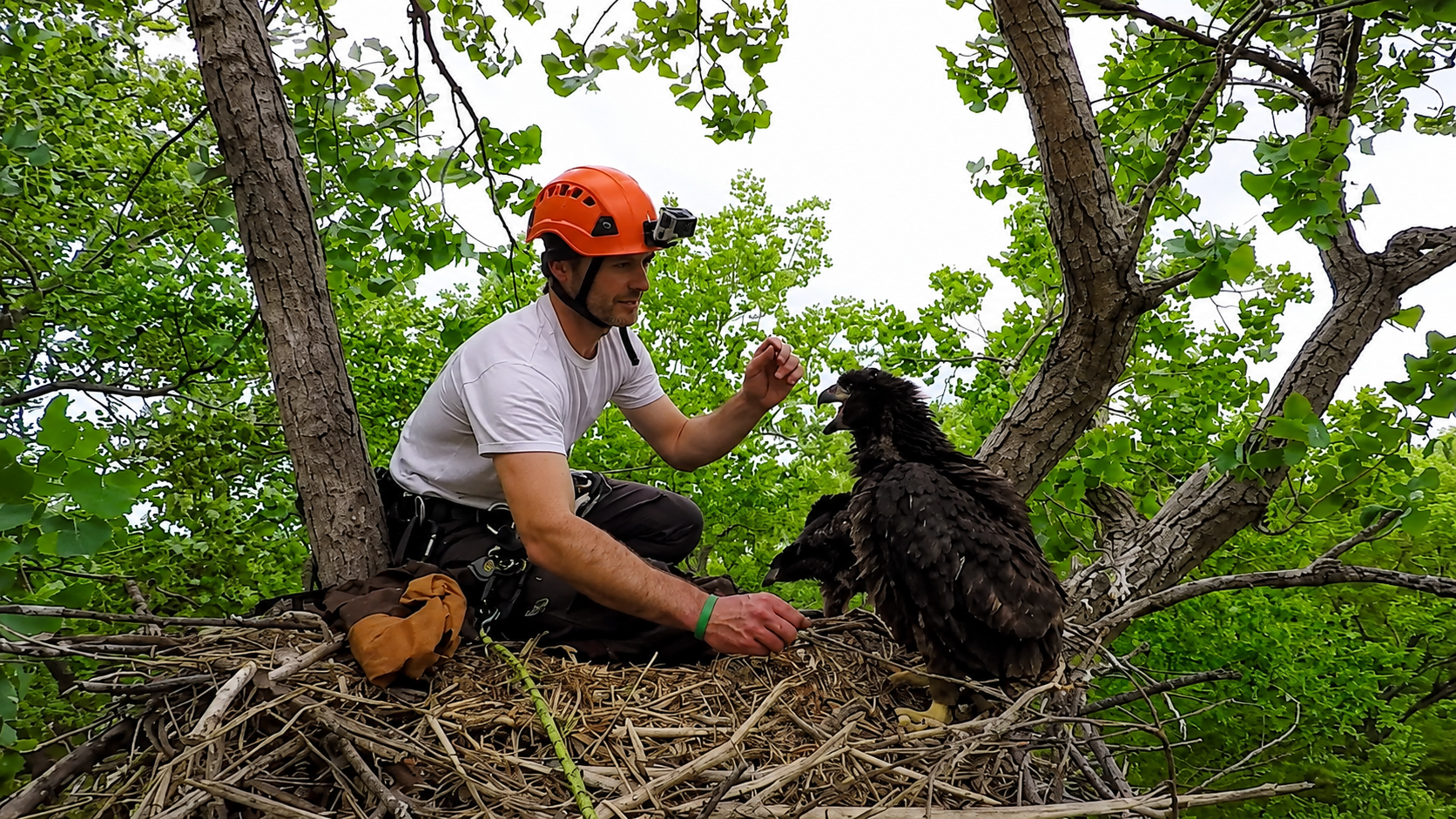
Jim Campbell-Spickler, a forest canopy ecologist, climbs into bald eagle nests on the Channel Islands to collect blood samples for environmental research.
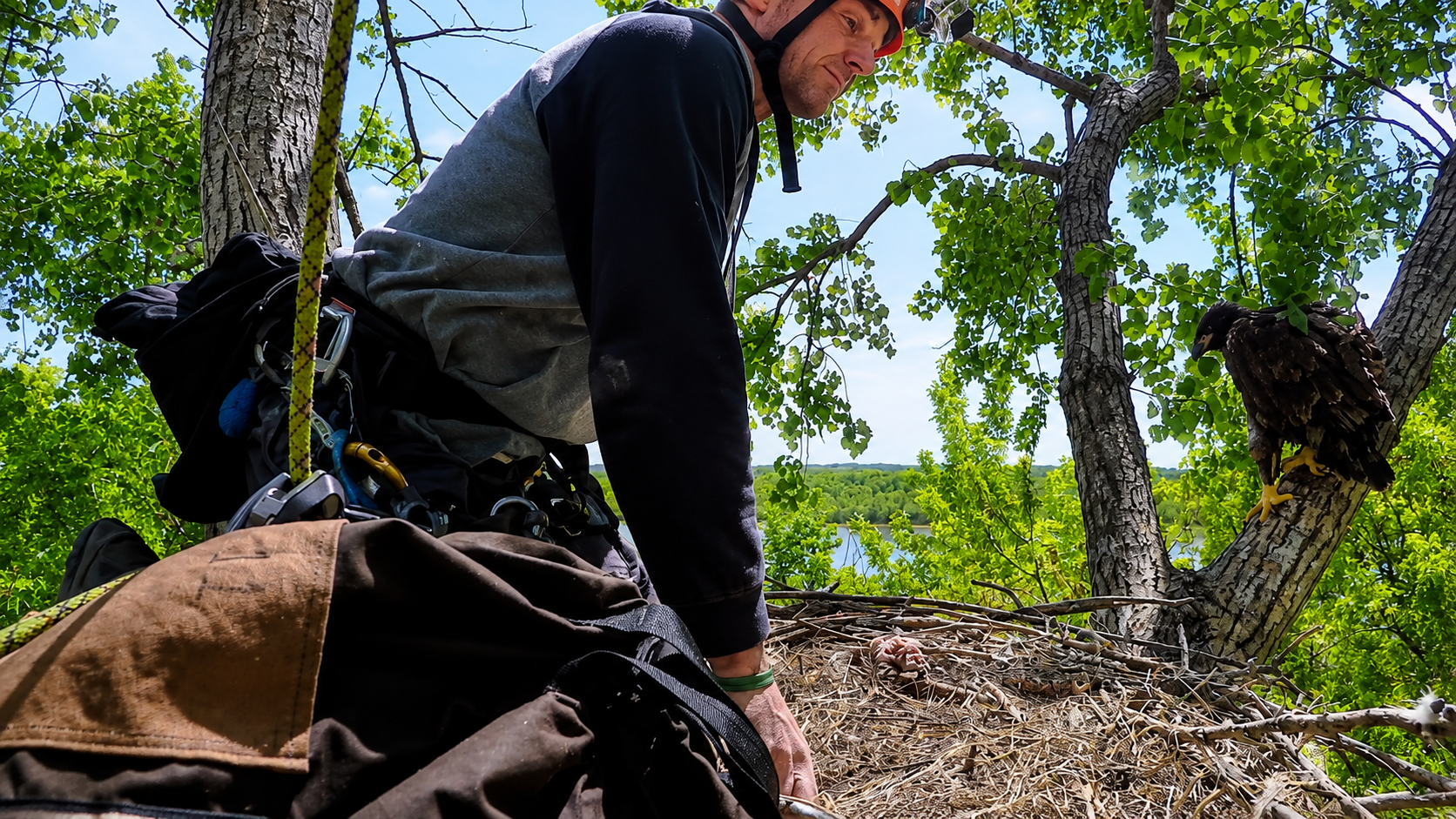
Climbing into eagle nests
Jim Campbell-Spickler works as a forest canopy ecologist and wildlife biologist, handling bald eagle chicks in their nests.
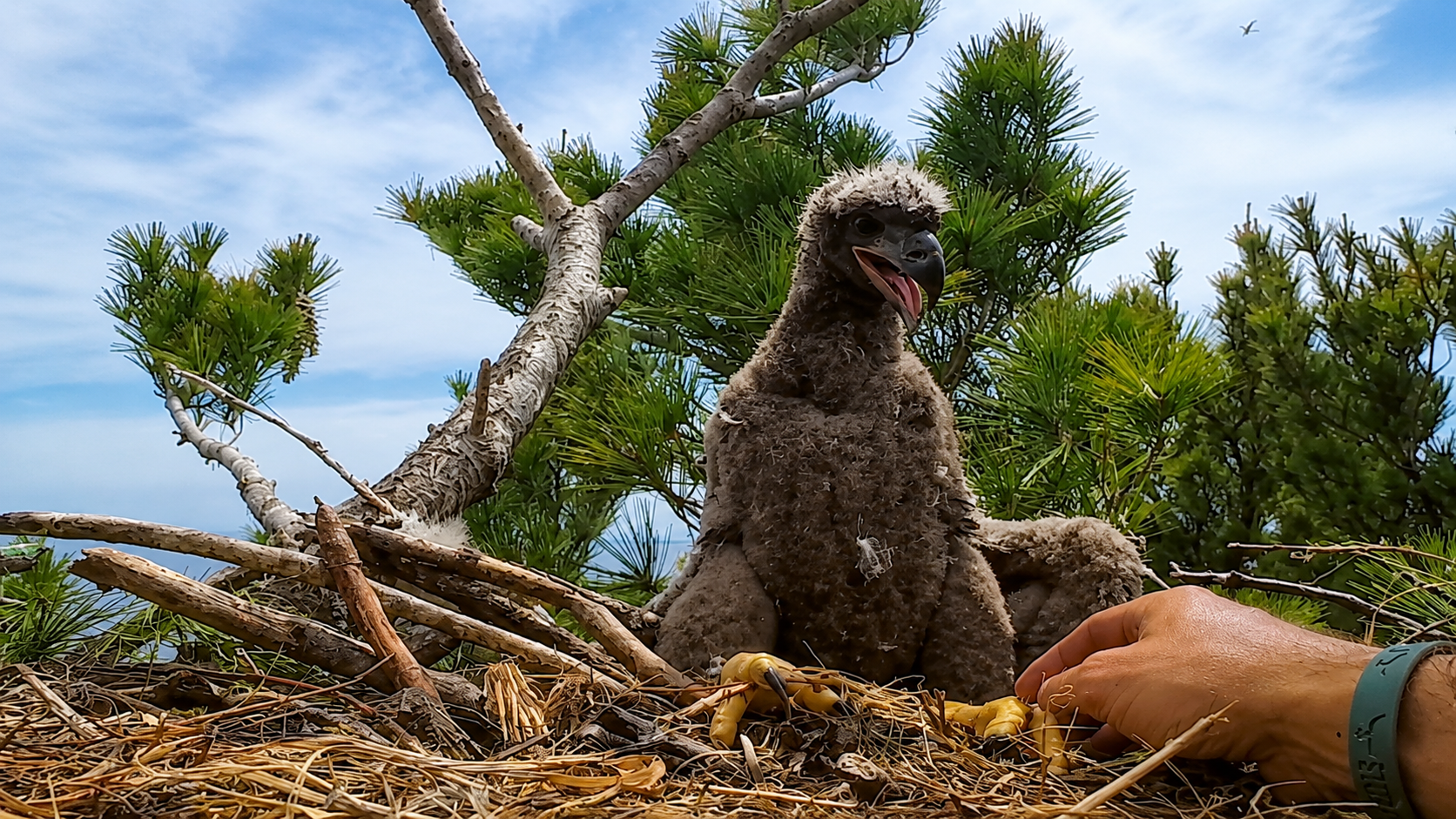
A delicate task
Working with sharp talons and hooked beaks requires patience, precision, and respect for the birds.
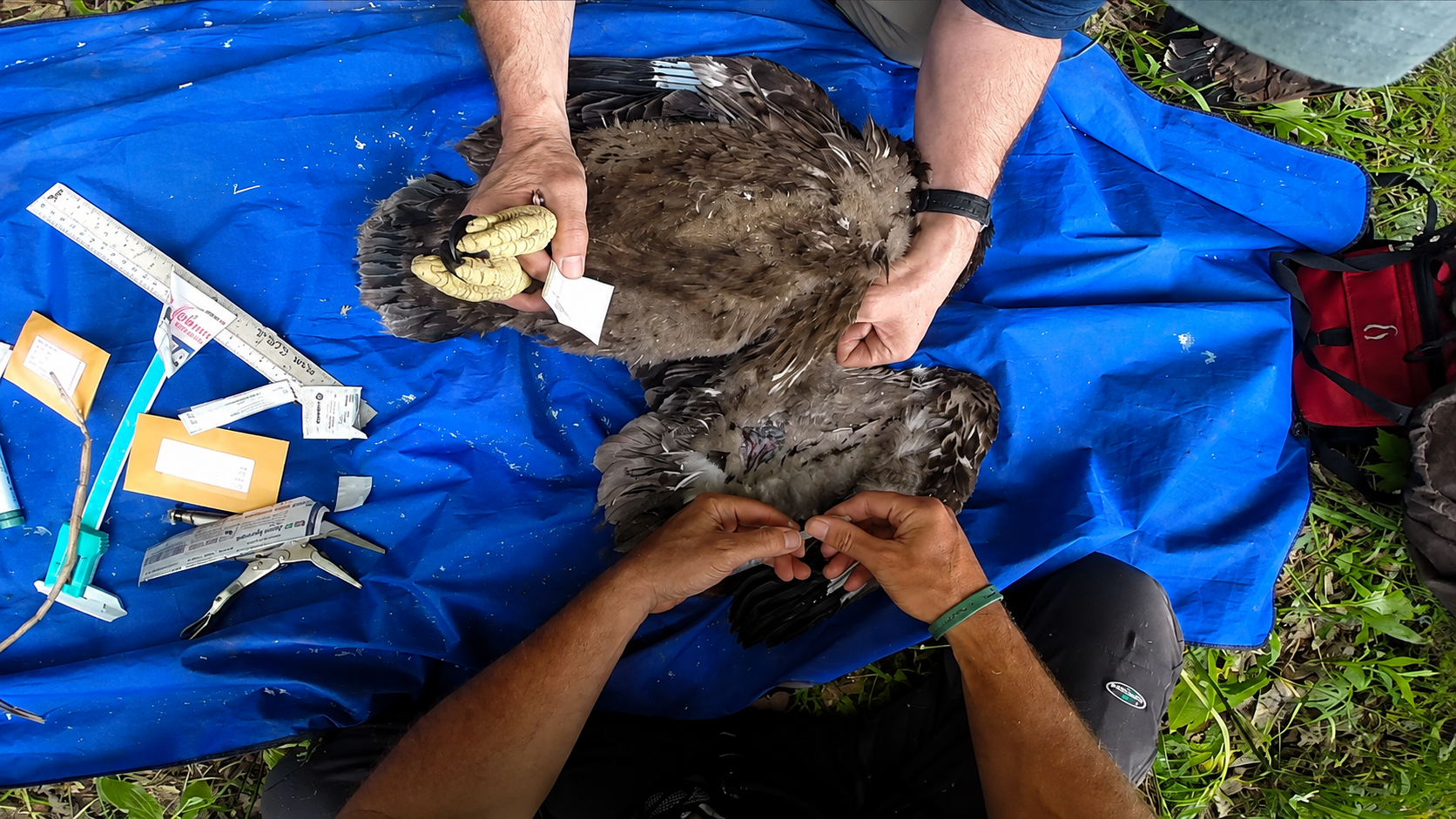
Sampling for science
Blood samples are collected to study environmental contaminants affecting the eagles’ food sources.
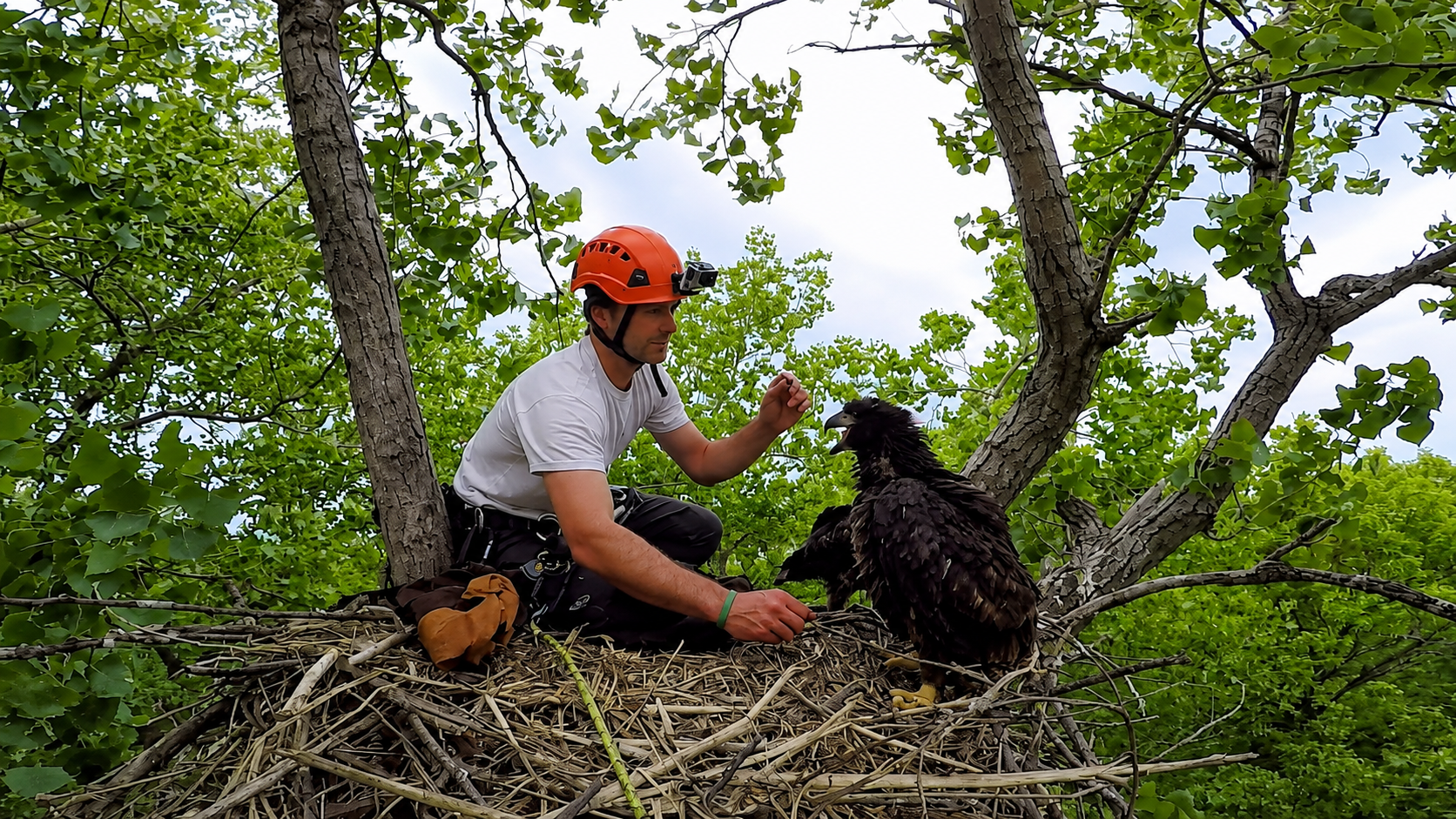
Safety first
Every measure is taken to ensure the young birds remain unharmed before being returned to the nest.
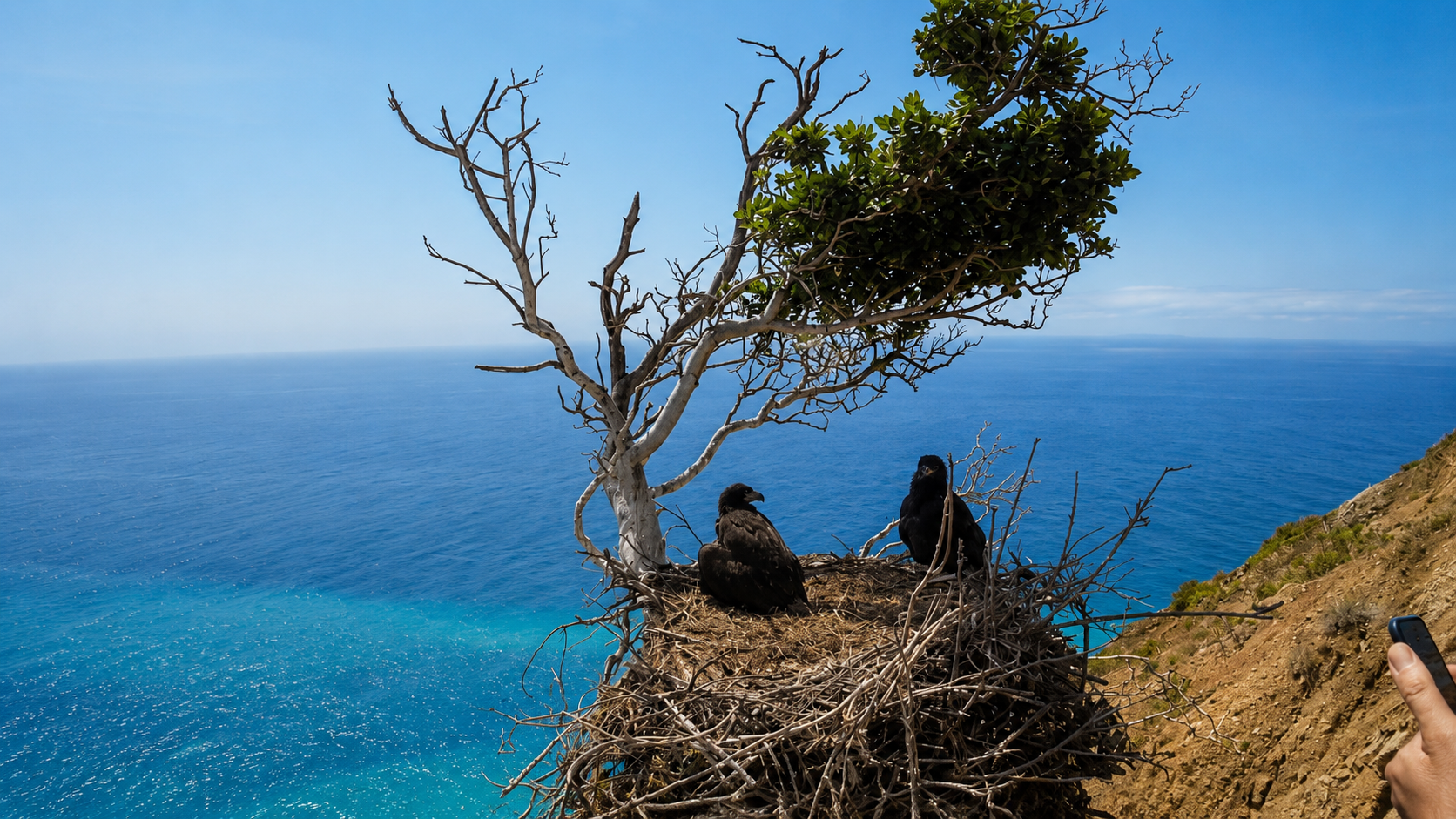
Island research
The Channel Islands off Southern California provide a dramatic backdrop for this unique fieldwork.
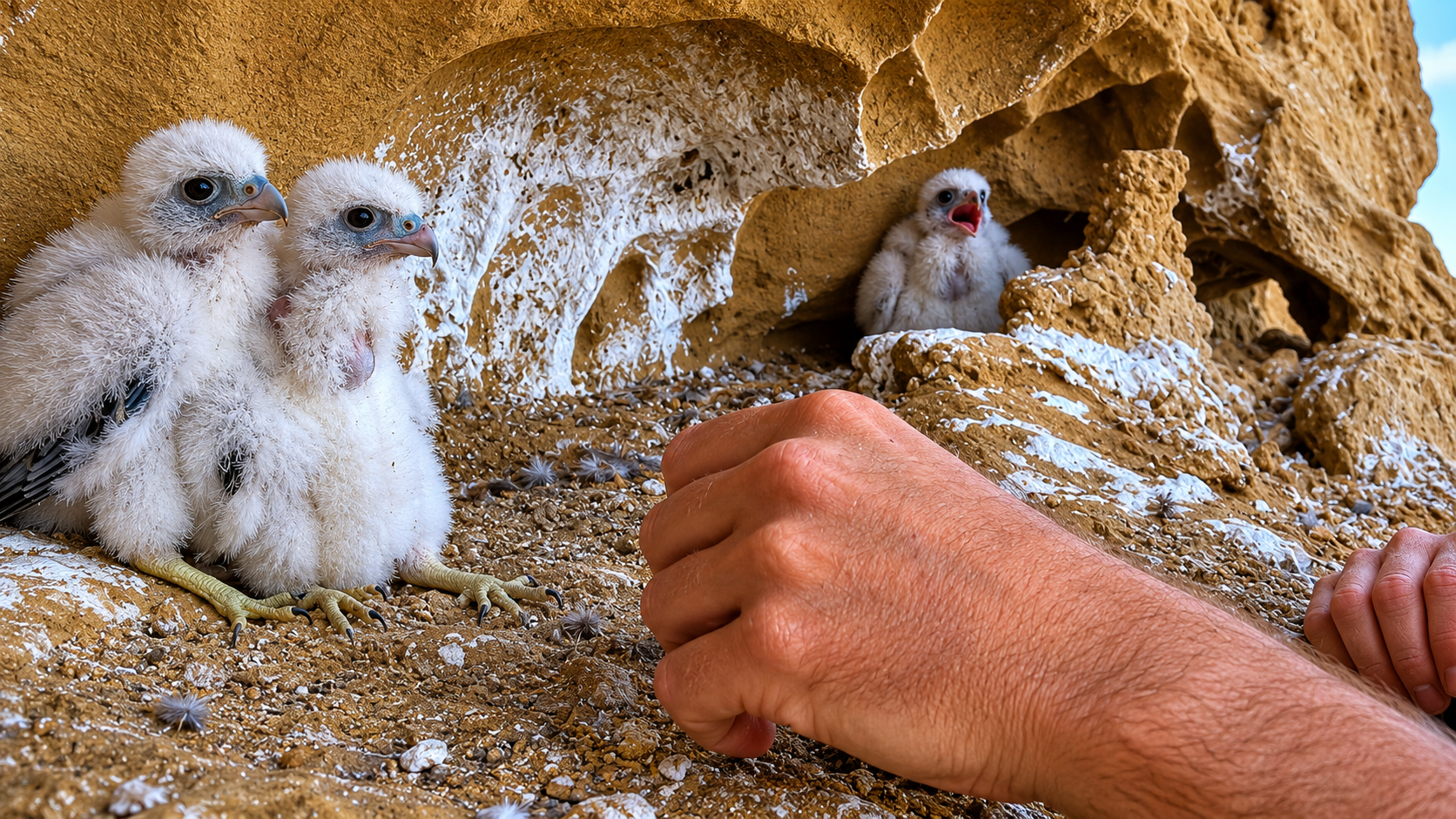
A rich ecosystem
Bald eagles, peregrine falcons, and various seabirds share the sea cliffs, creating a diverse habitat.
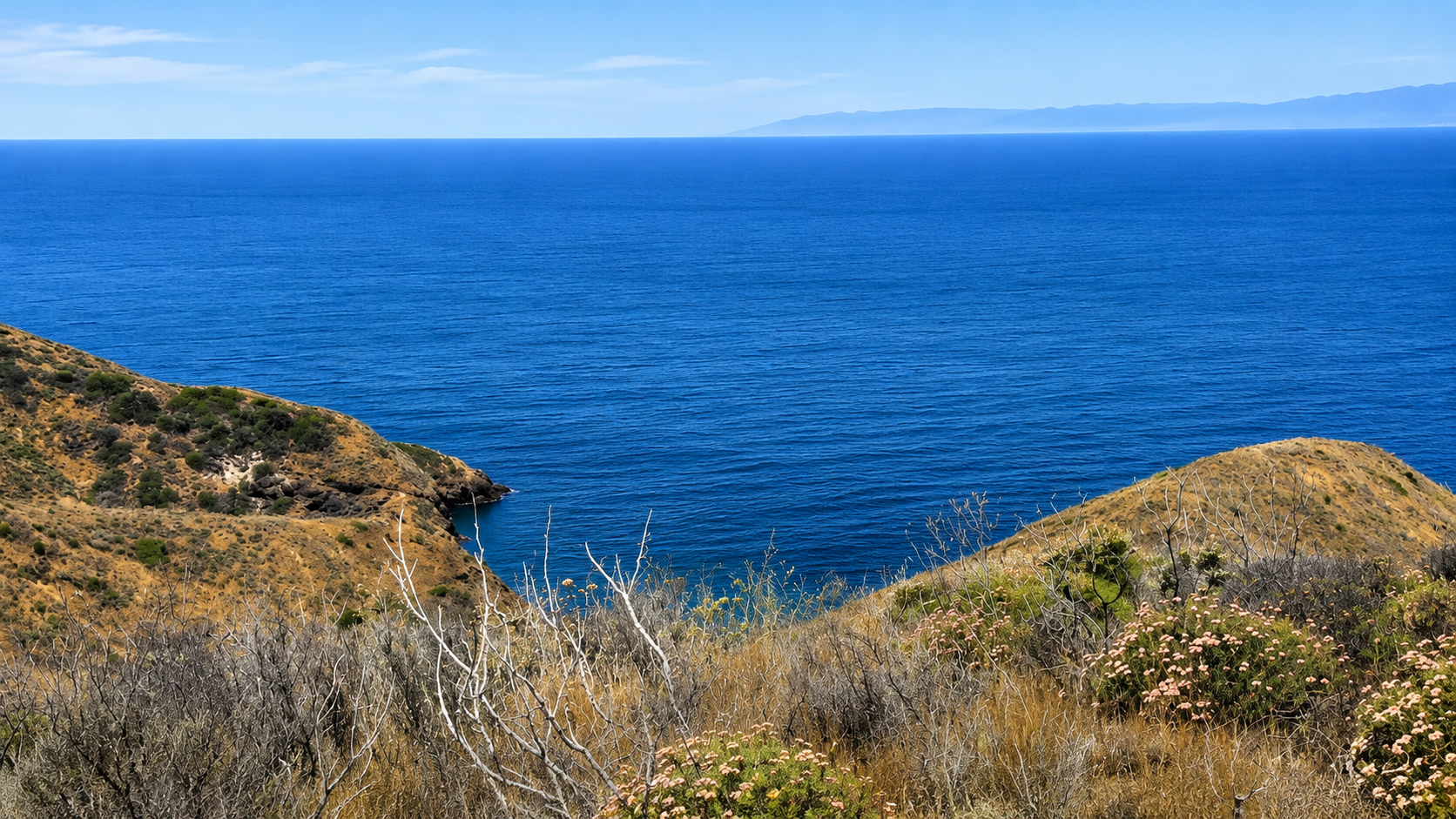
A 360-degree view
Climbers experience breathtaking vistas of the Pacific, blending research with awe-inspiring scenery.
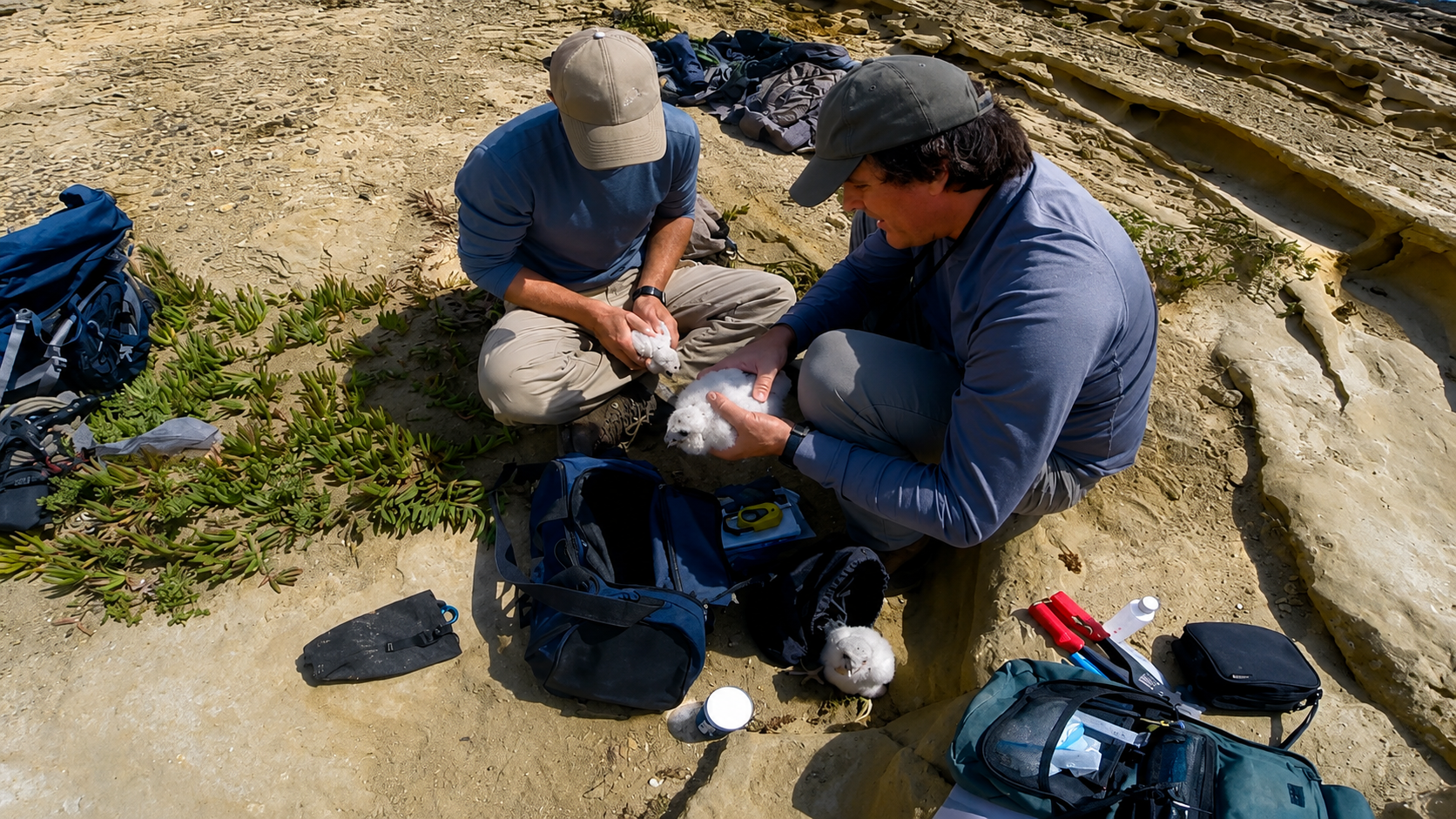
Balancing science and respect
The work may seem invasive, but it prioritizes the well-being of the birds above all.
A national symbol
Handling the United States’ national bird is both an honor and a responsibility.
Moments of reflection
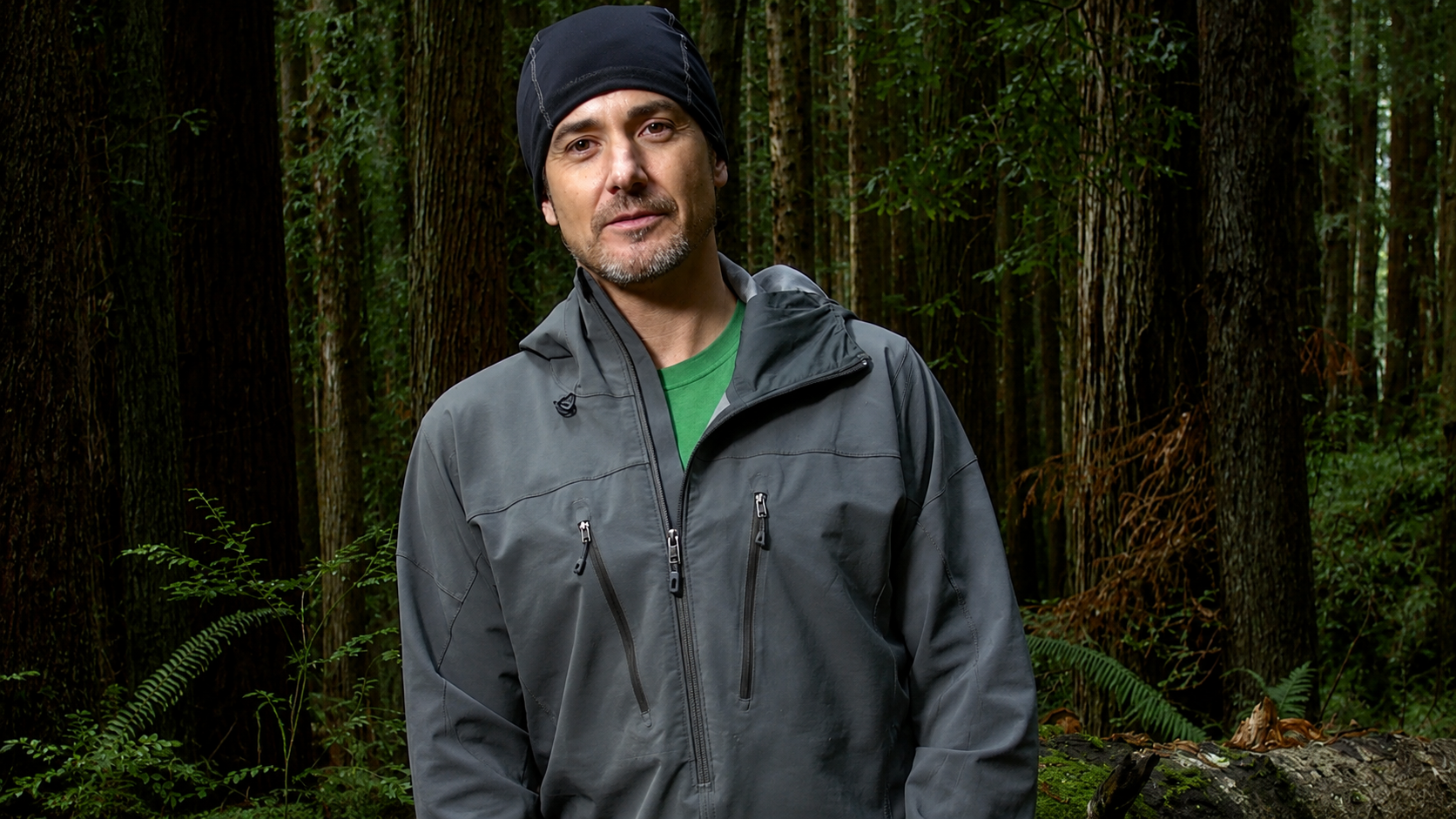
For Campbell-Spickler, each climb offers a rare chance to connect with nature and witness the beauty of these birds firsthand.