The hidden art of fore-edge painting
June 27, 2026
Martin Frost keeps the centuries-old craft of fore-edge painting alive, creating hidden artwork on the edges of books. Each piece transforms ordinary volumes into secret treasures, blending history, precision, and artistic tradition.
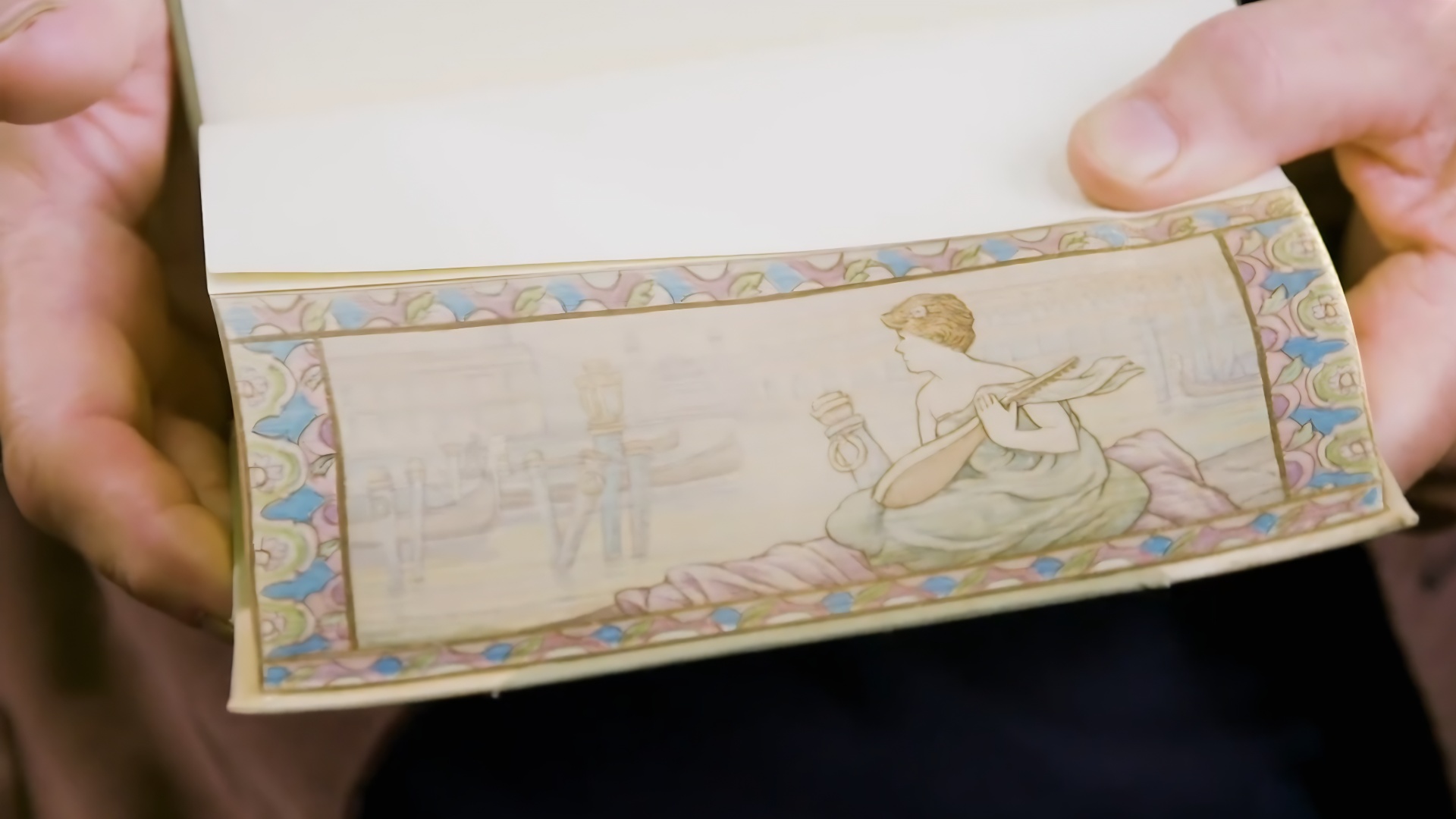
Martin Frost practices a rare artistic tradition. His canvas is the edge of a book.
Martin Frost is a fore-edge painter, an artist who creates hidden images on the edges of book pages. His work transforms ordinary-looking books into surprising works of art.
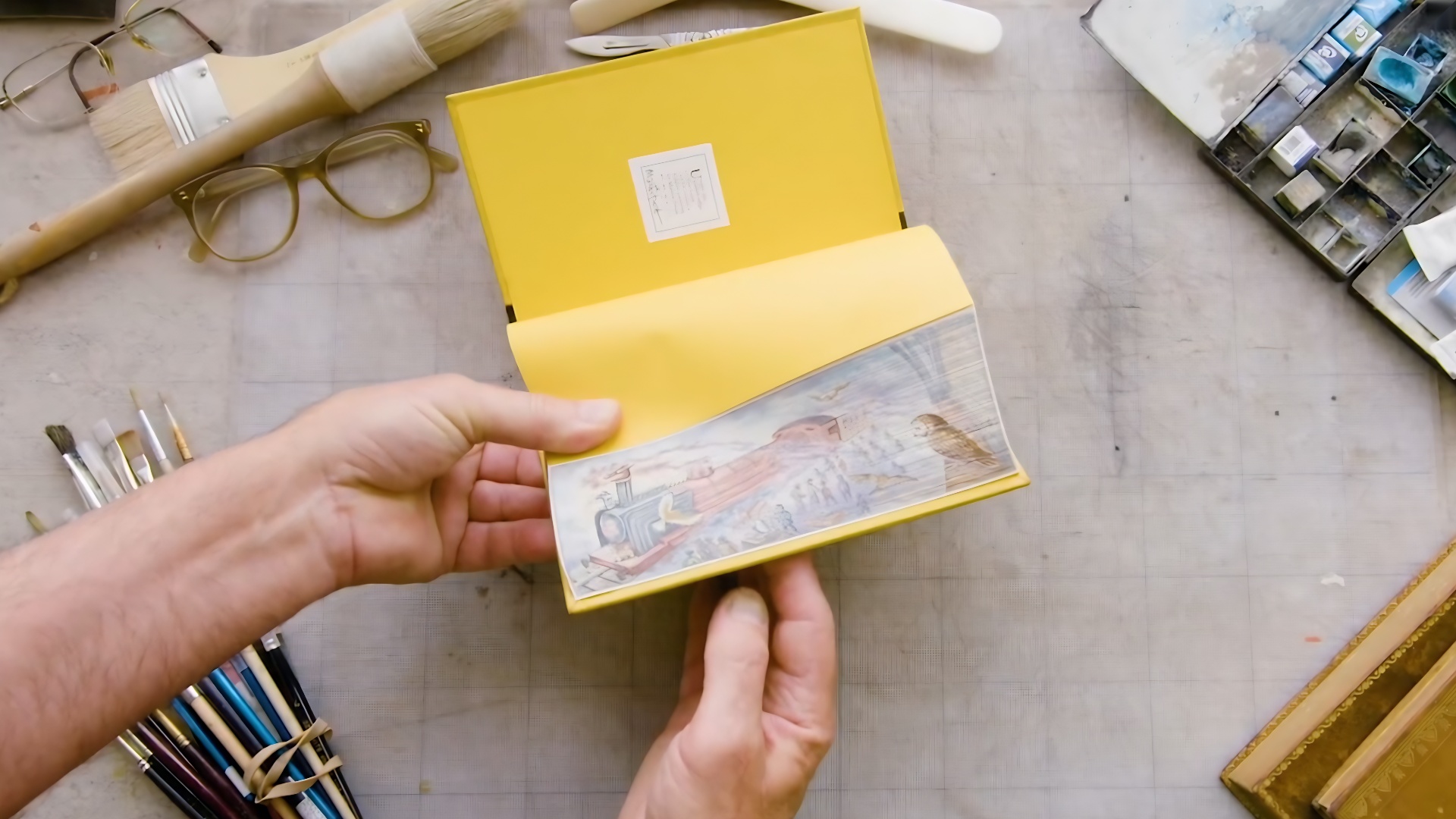
At first glance, the books seem ordinary. The secret stays hidden.
Leather bindings and gilded page edges conceal artwork that cannot be seen immediately. The images remain invisible until the book is opened in a specific way.
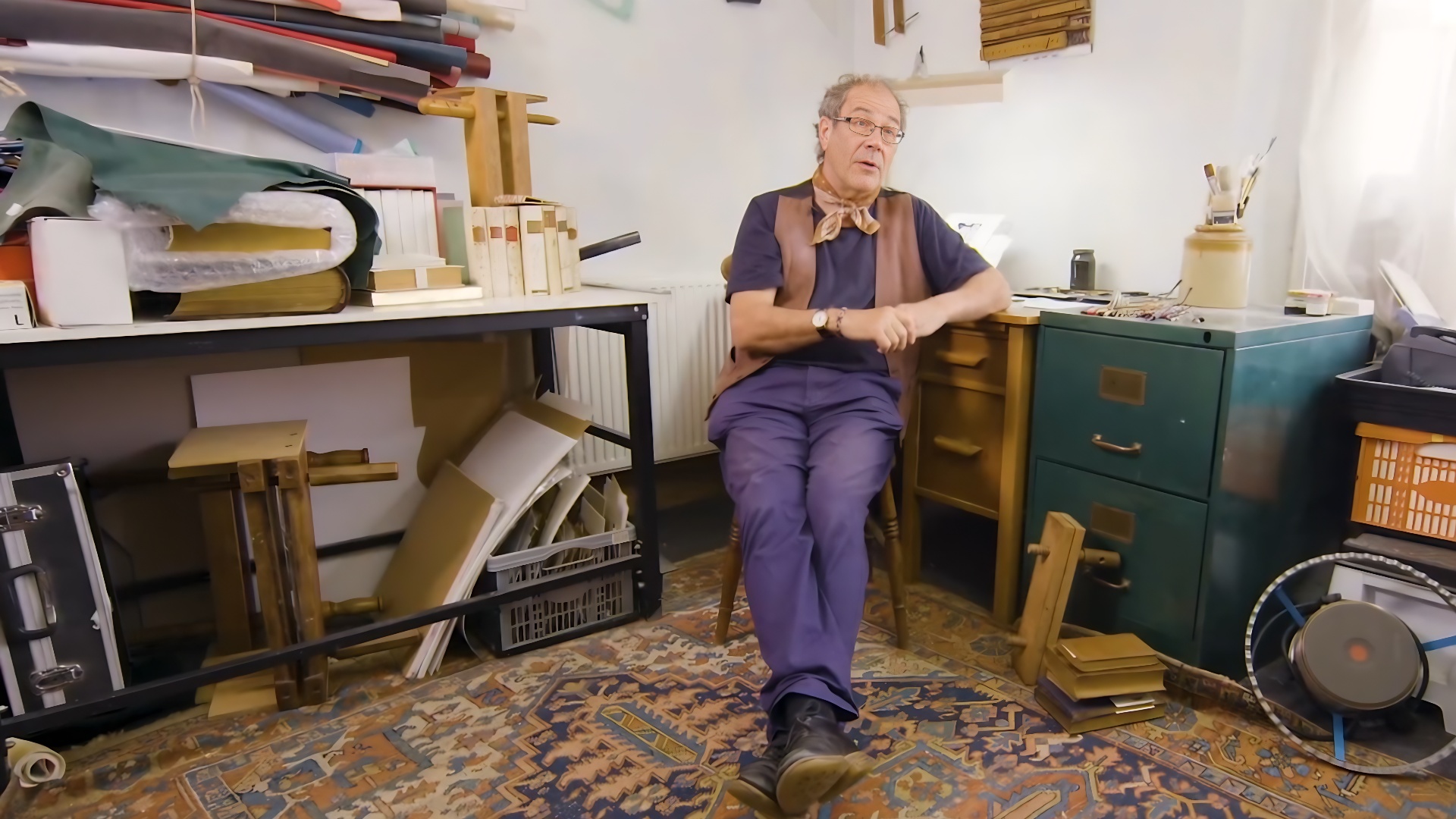
A simple movement reveals the artwork. Then it disappears again.
By fanning the pages, hidden paintings emerge along the book's edge. When the pages return to their normal position, the image vanishes beneath the gilding.
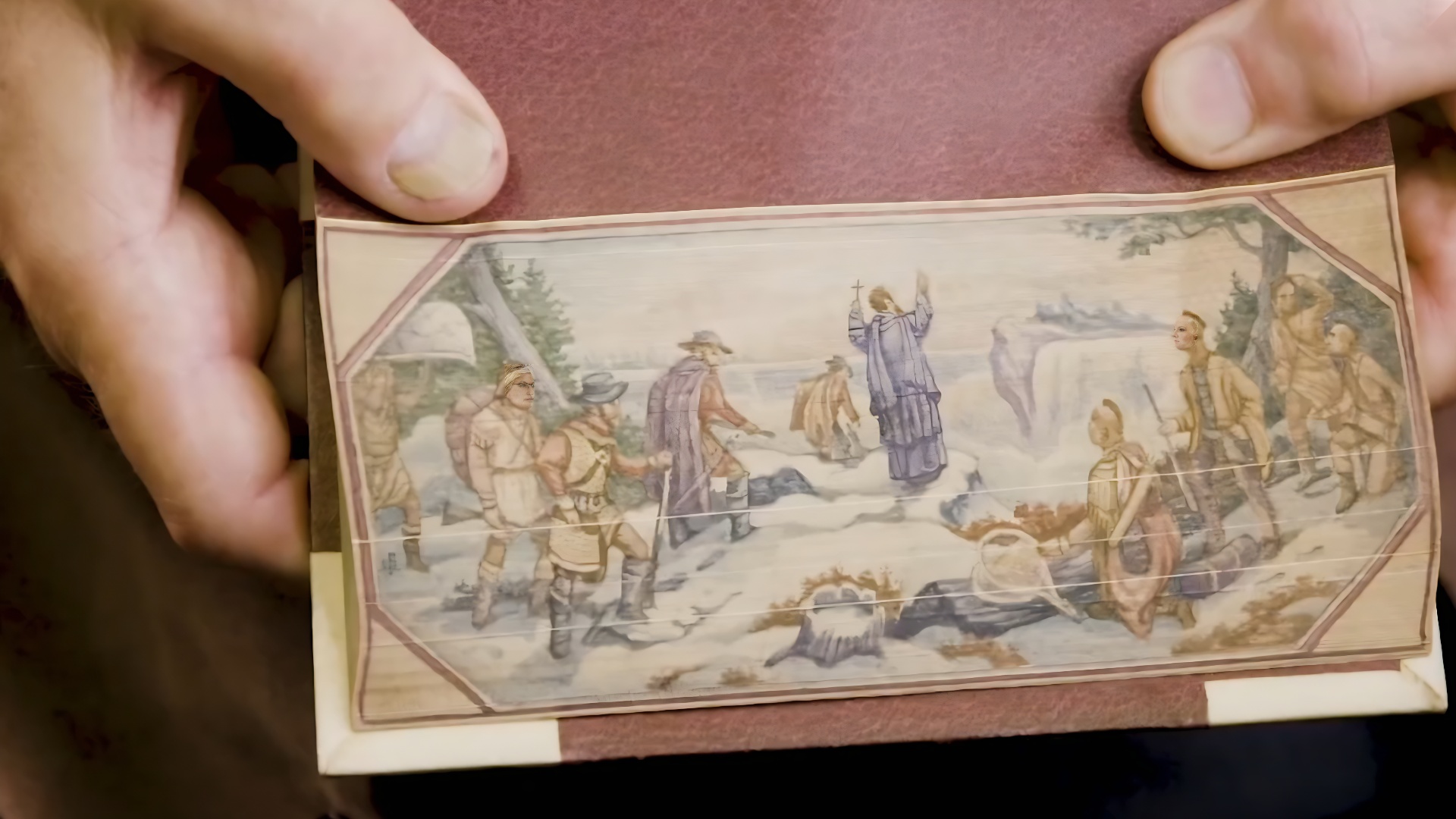
The technique has a long history. Its roots stretch back centuries.
Examples of fore-edge painting can be traced to the 17th century. The craft became especially popular during the 18th century as book decoration evolved into an art form.
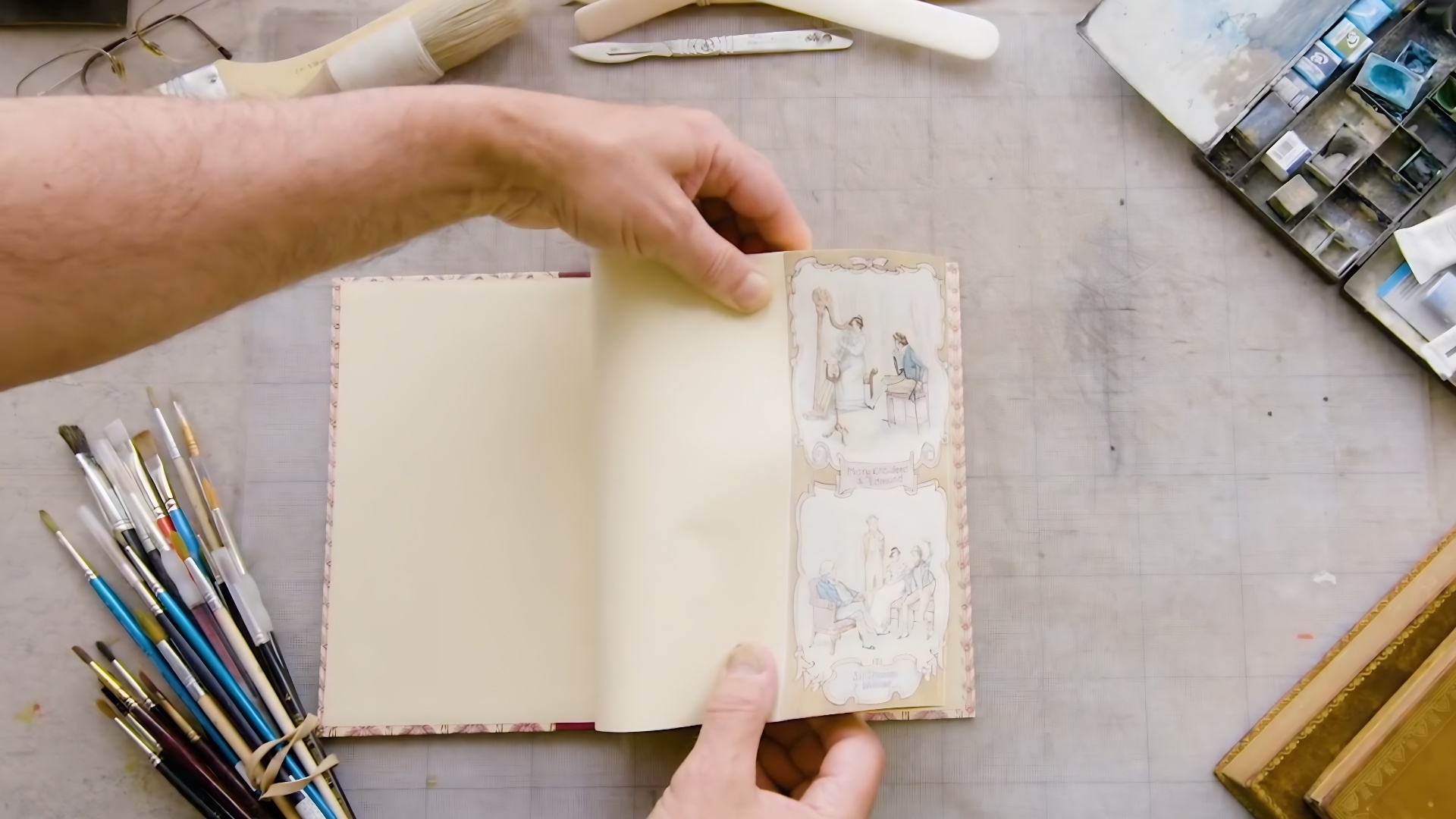
Books became more than reading material. They became hidden galleries.
Fore-edge painting allowed artists to add secret landscapes, portraits, and scenes to books, creating artwork that remained concealed until discovered.

Many of Martin’s projects involve antique volumes. Each book carries its own story.
His work often appears in historical books, including classic literary editions and collectible volumes that add an additional layer of artistic value.
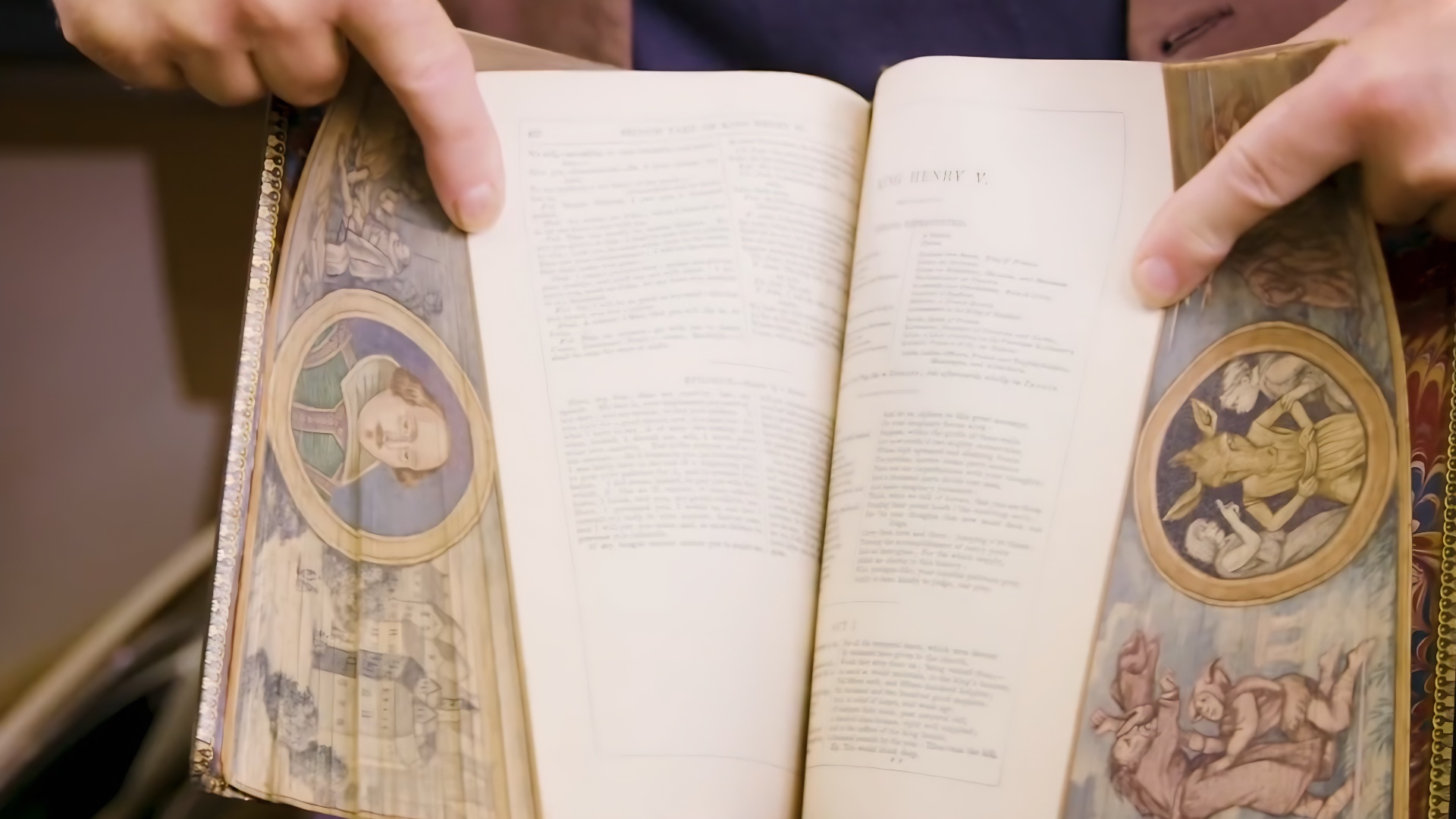
Some books reveal more than one image. The illusion becomes even more complex.
Certain fore-edge paintings contain multiple hidden scenes. Different images can appear depending on how the pages are fanned and viewed.
A chance encounter sparked Martin’s interest. Curiosity became a lifelong pursuit.
More than four decades ago, Martin discovered the craft after meeting another fore-edge painter. What began as fascination grew into a dedicated career.
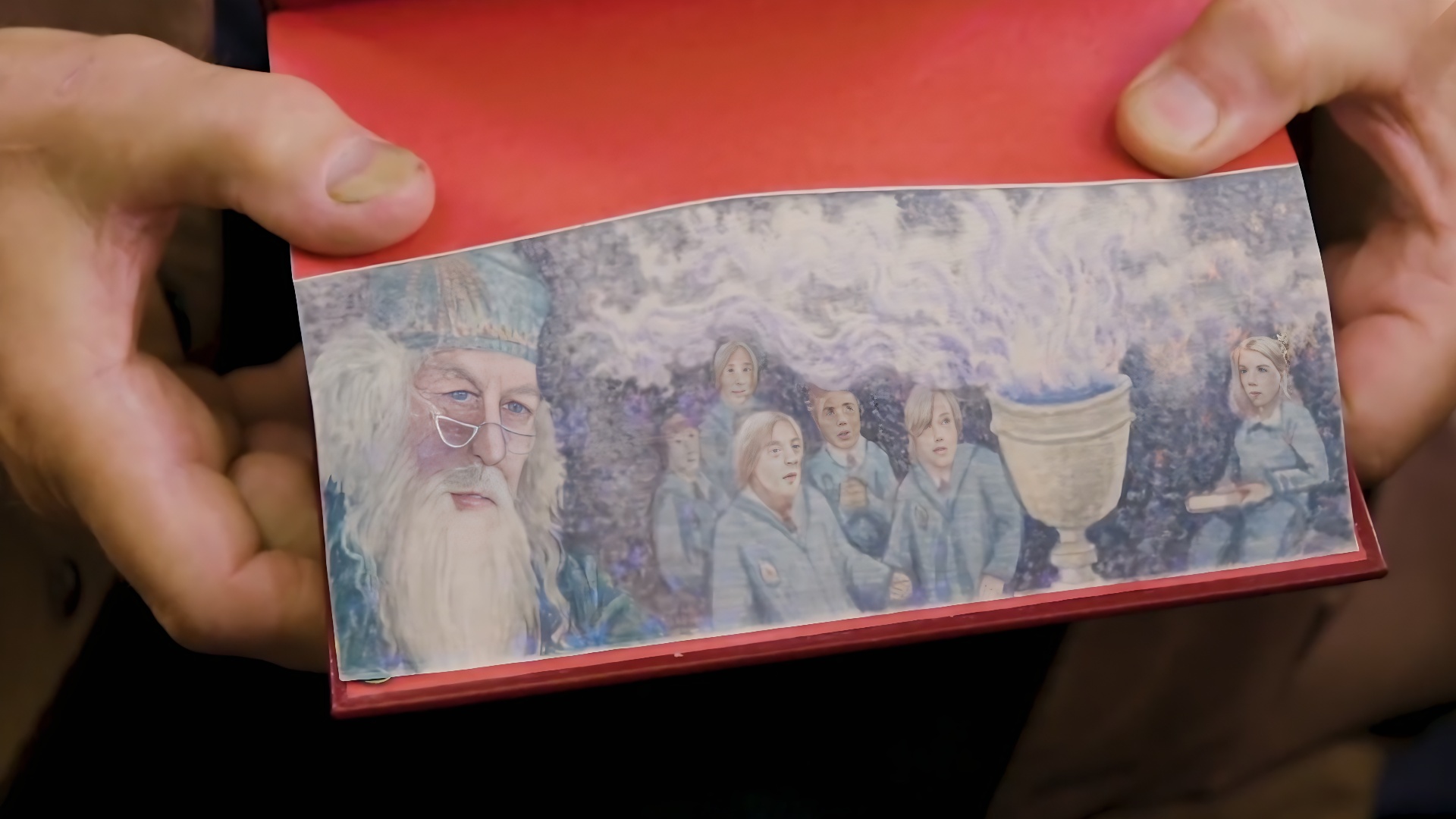
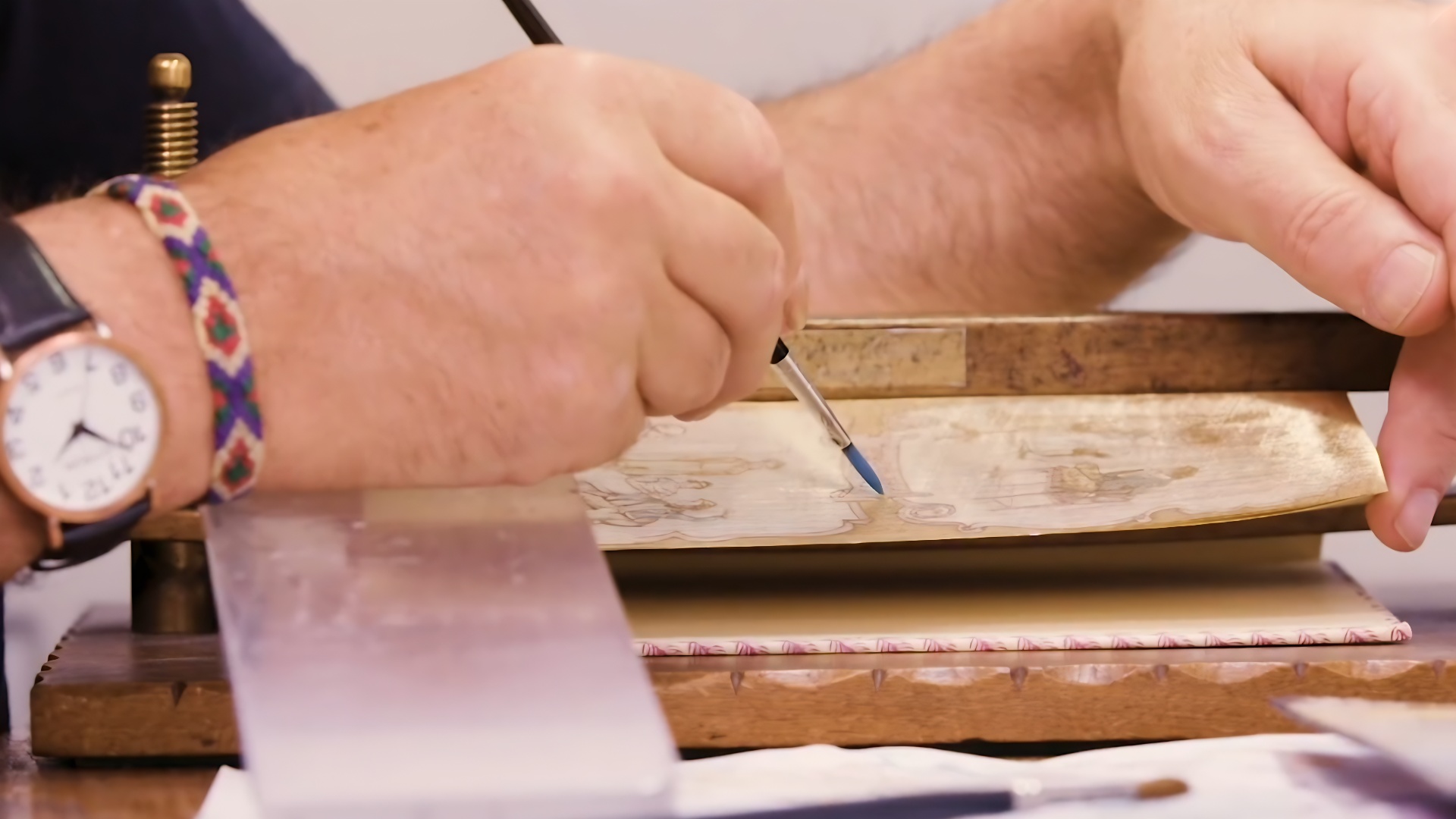
Every piece demands patience and precision. The process can take days.
Creating a fore-edge painting requires careful planning and detailed brushwork. Larger books can take a week or more to complete.
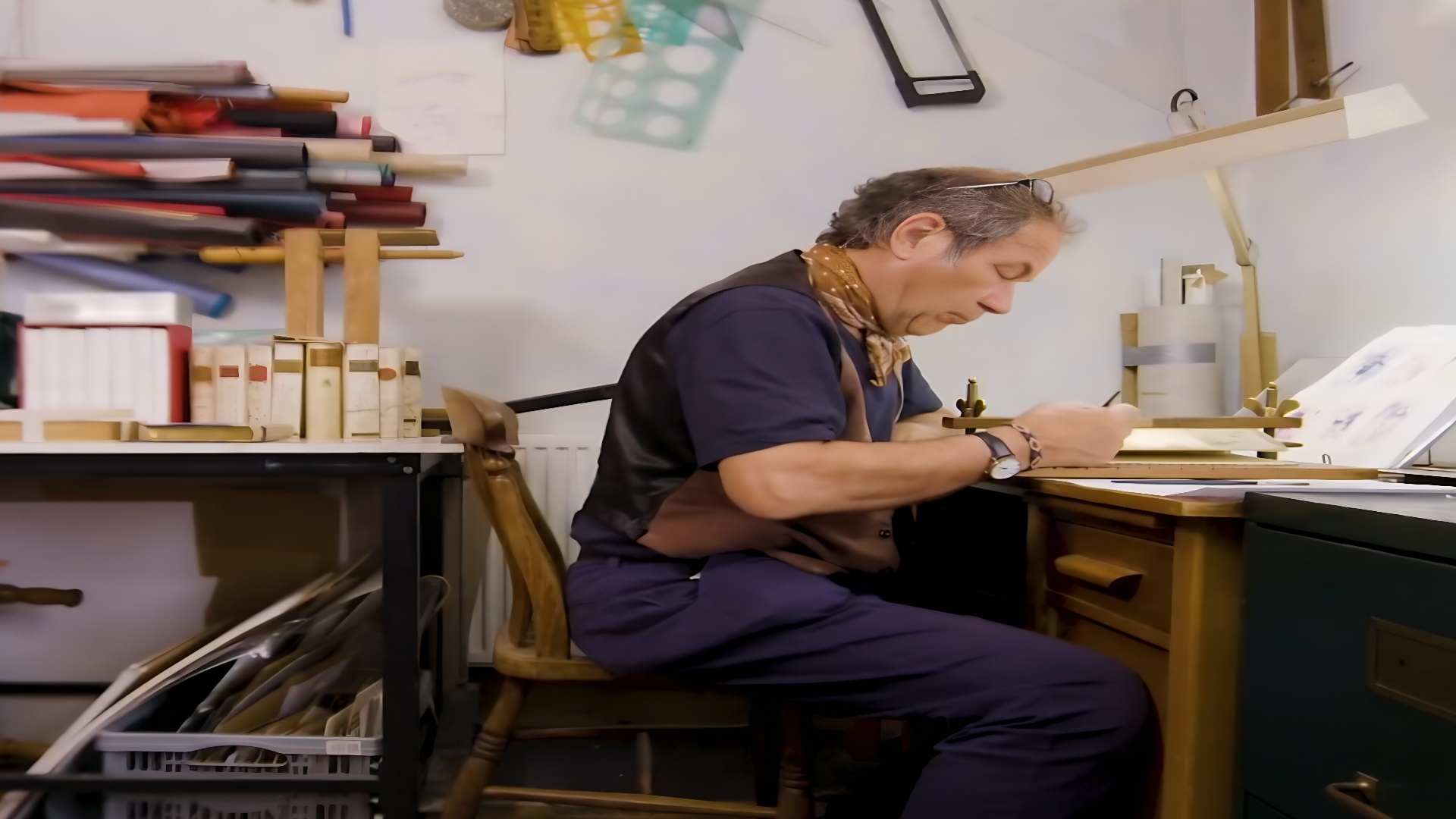
Few people know this tradition still exists. Its future depends on preservation.
Martin believes he may be the only commercial fore-edge painter actively practicing today. His work helps keep a centuries-old artistic craft alive for future generations.