The hidden histories behind the world’s rarest pigments
September 28, 2026
Harvard University’s Forbes Pigment Collection preserves around 2,500 pigments with remarkable origins. From plant-based reds to historic materials once used in art, these colours help researchers study paintings, verify materials, and understand how artworks were created throughout history.
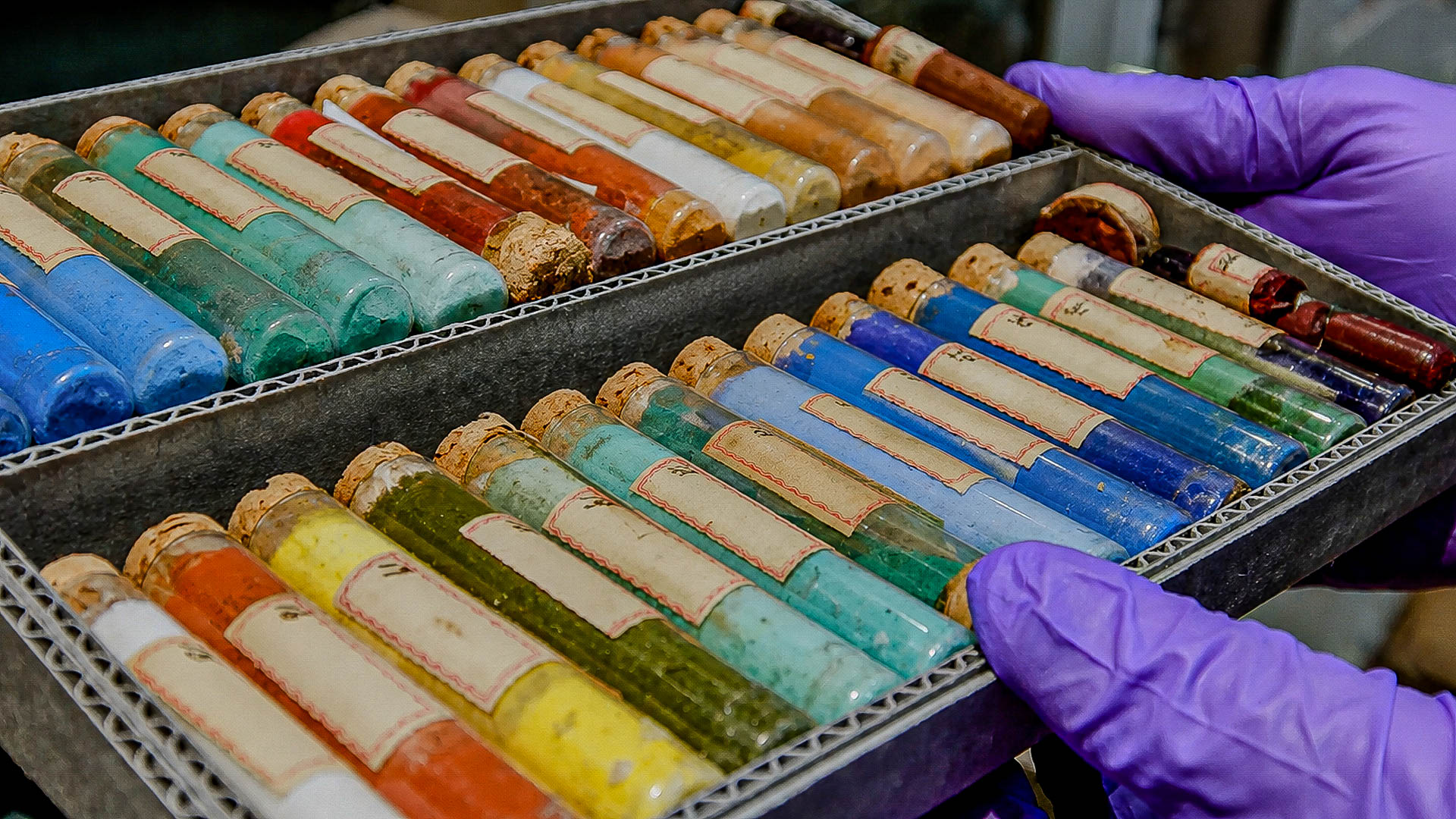
The science behind colour
Pigments are tiny particles of coloured material mixed with a binding medium to create paint. They have shaped artwork across different cultures and time periods.
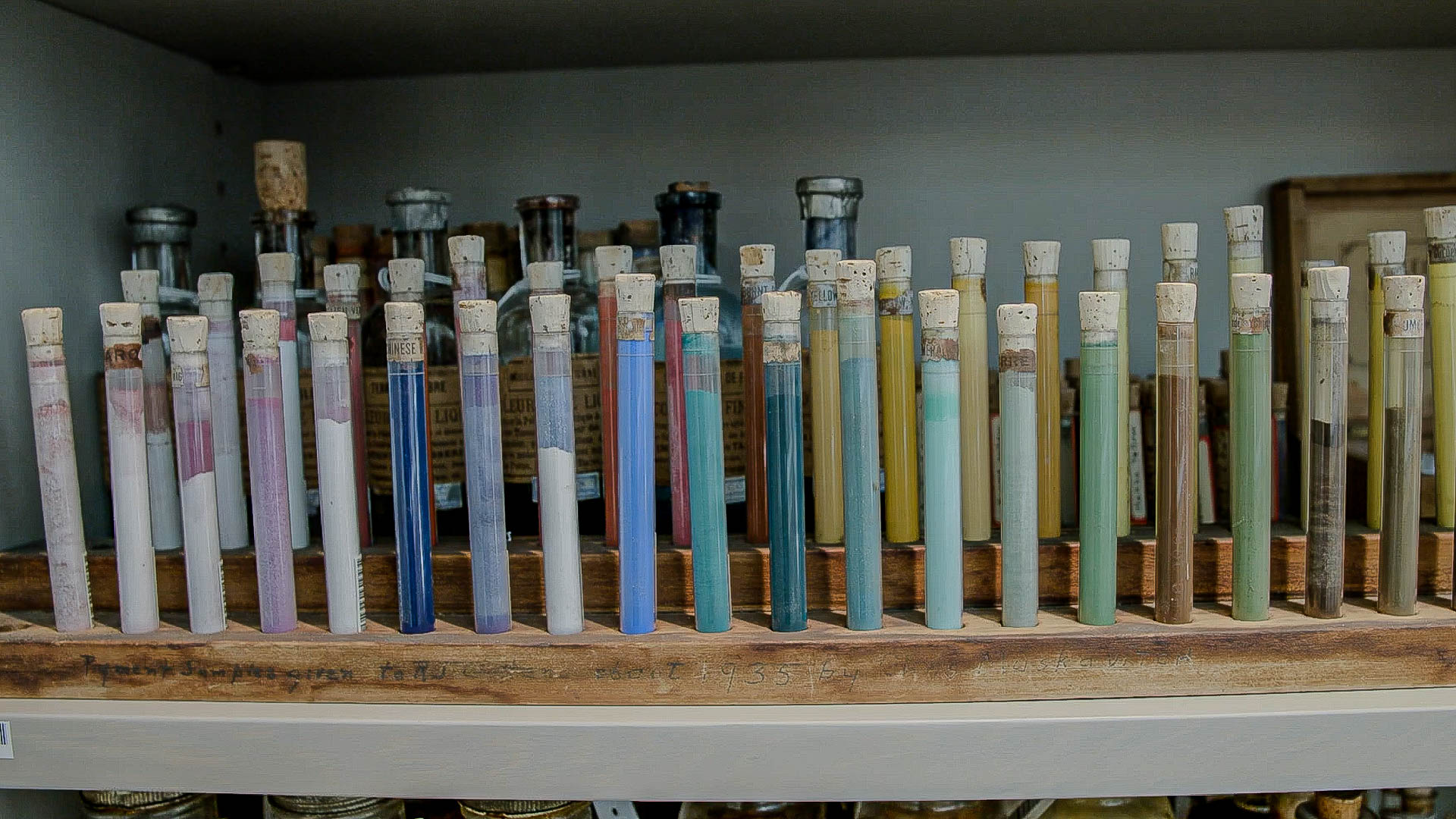
A collection of rare colours
The Forbes Pigment Collection contains around 2,500 pigments, including rare shades with surprising histories and unusual origins.
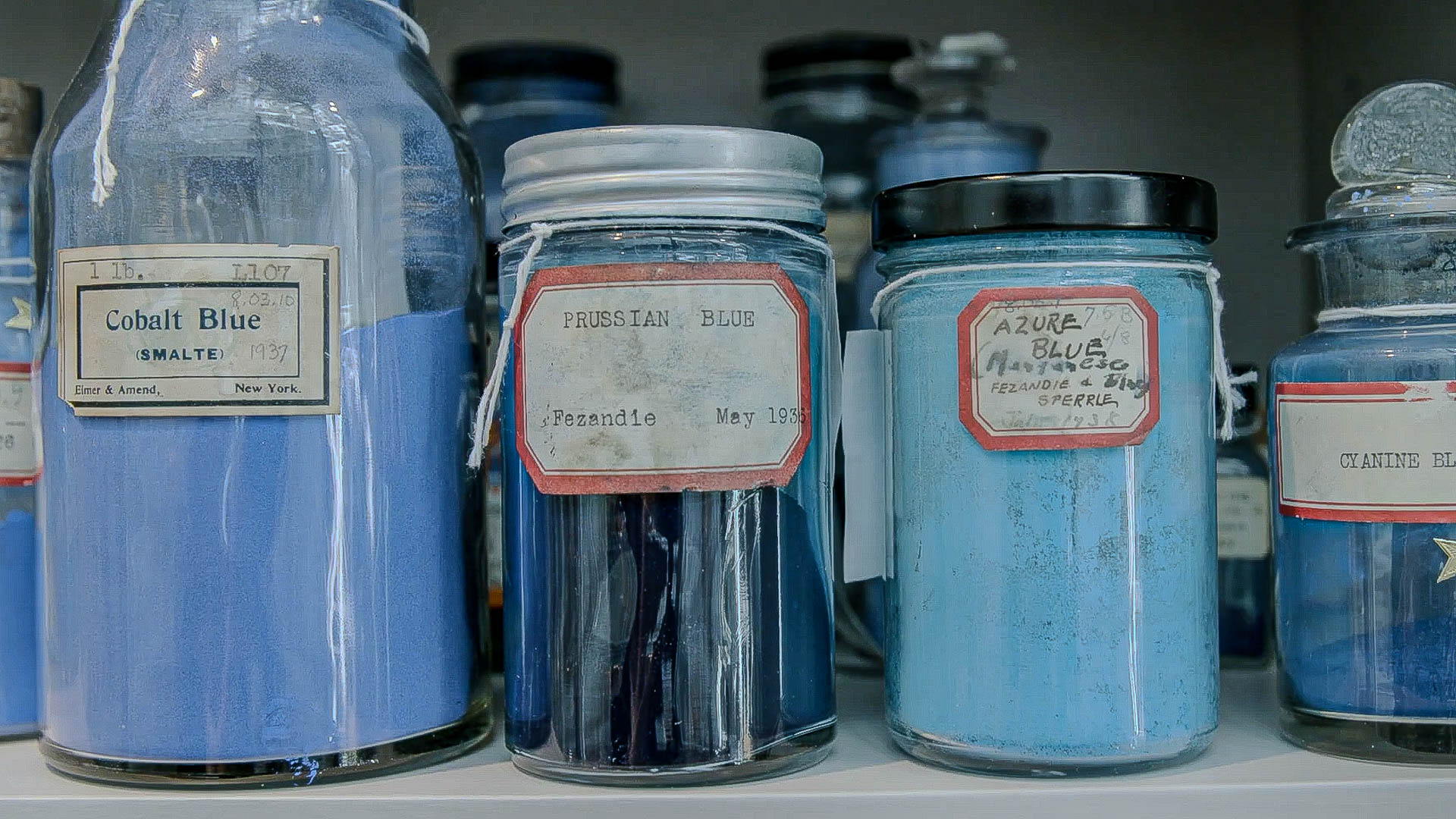
Inside the Forbes pigment collection
At Harvard University, researchers explore one of the world’s most unusual collections of colour materials, featuring thousands of pigments gathered over decades.
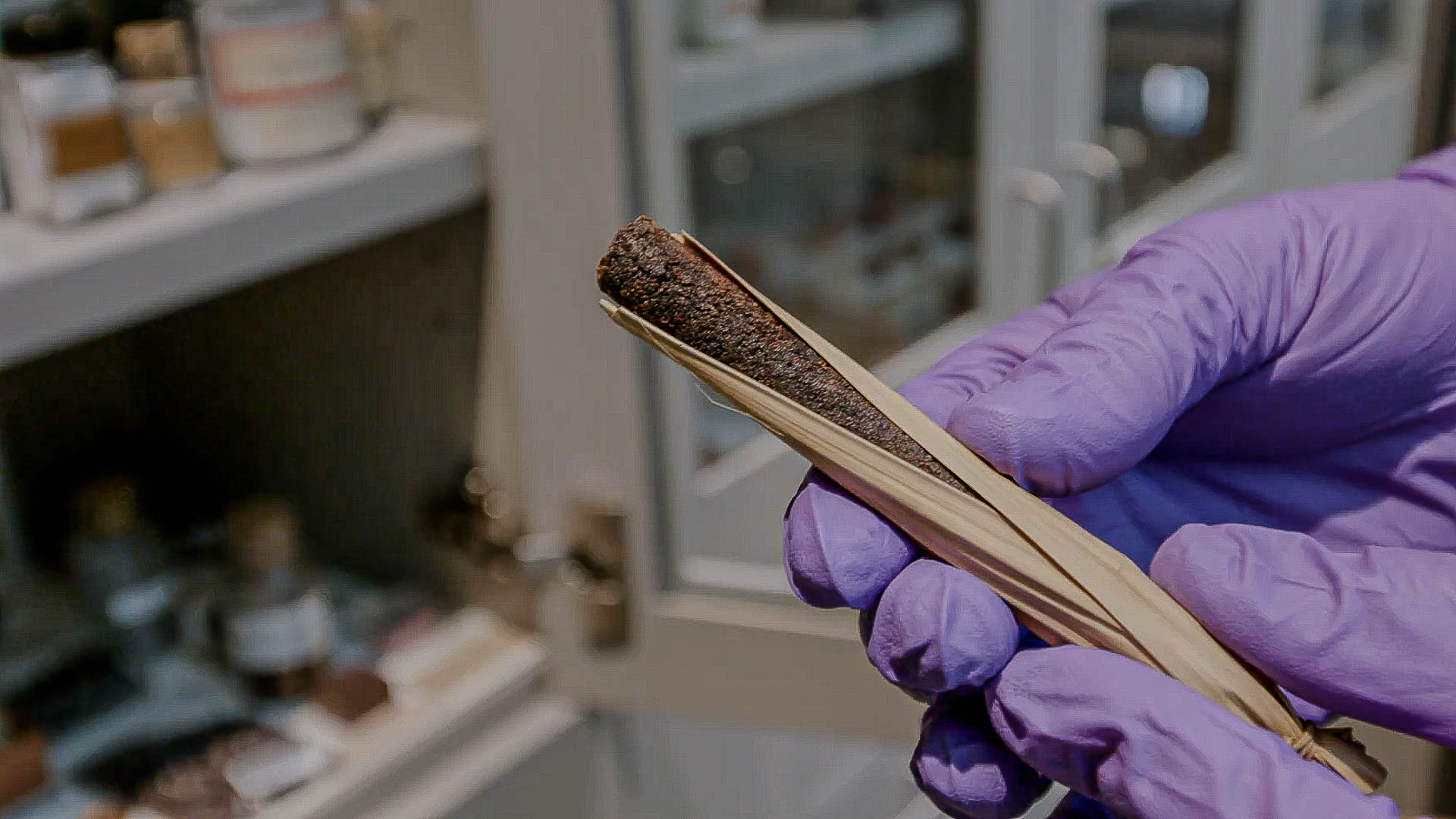
The story behind dragon’s blood
Despite its dramatic name, this bright red pigment does not come from mythical creatures. It is made from material found in rattan palms.
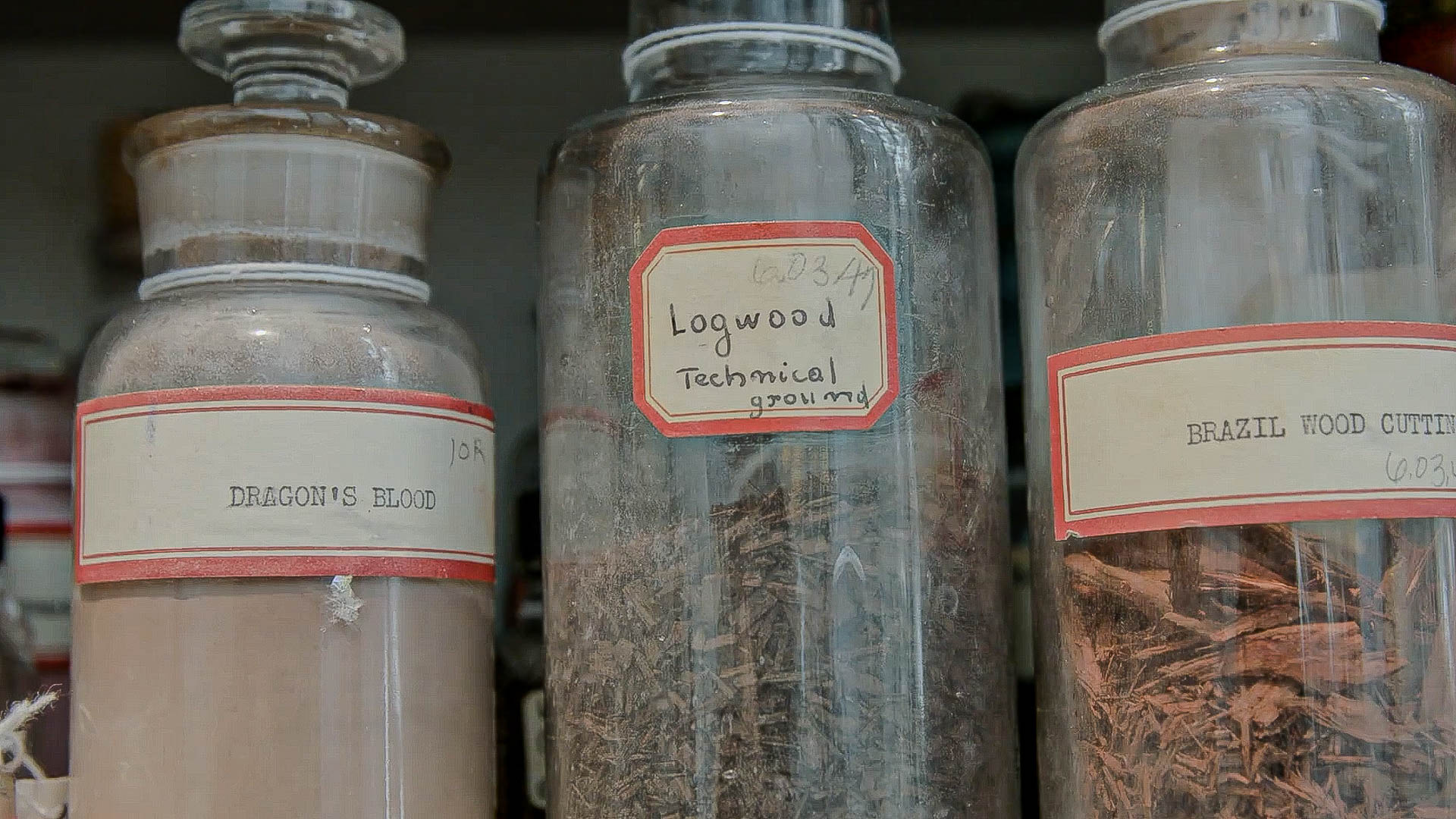
Pigments with unexpected sources
Some colours have origins far from traditional paint materials, including pigments created from natural substances used throughout history.
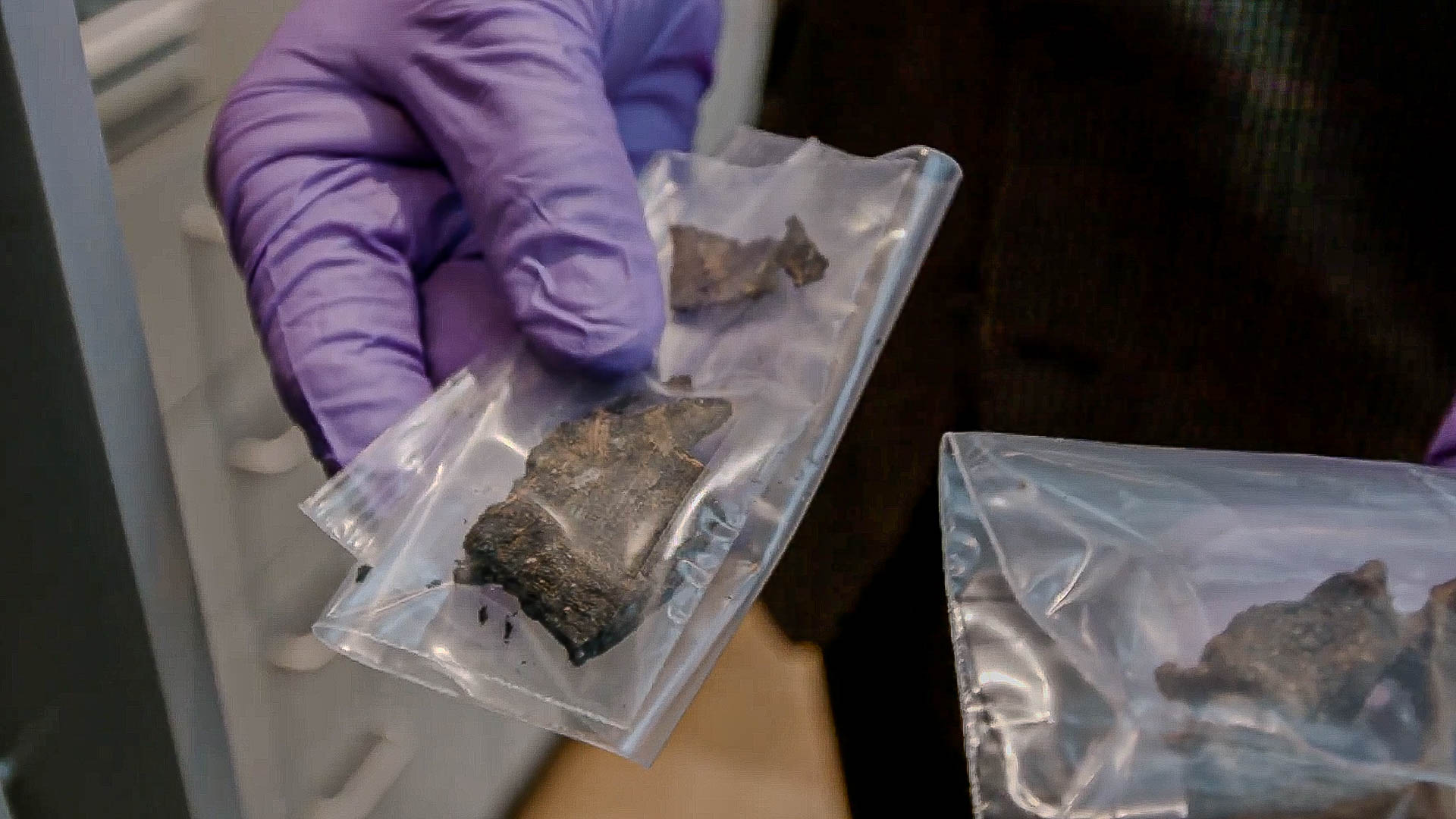
The unusual history of mummy pigment
Known for its unique source rather than its appearance, mummy pigment was created using resin connected to Egyptian mummification practices.
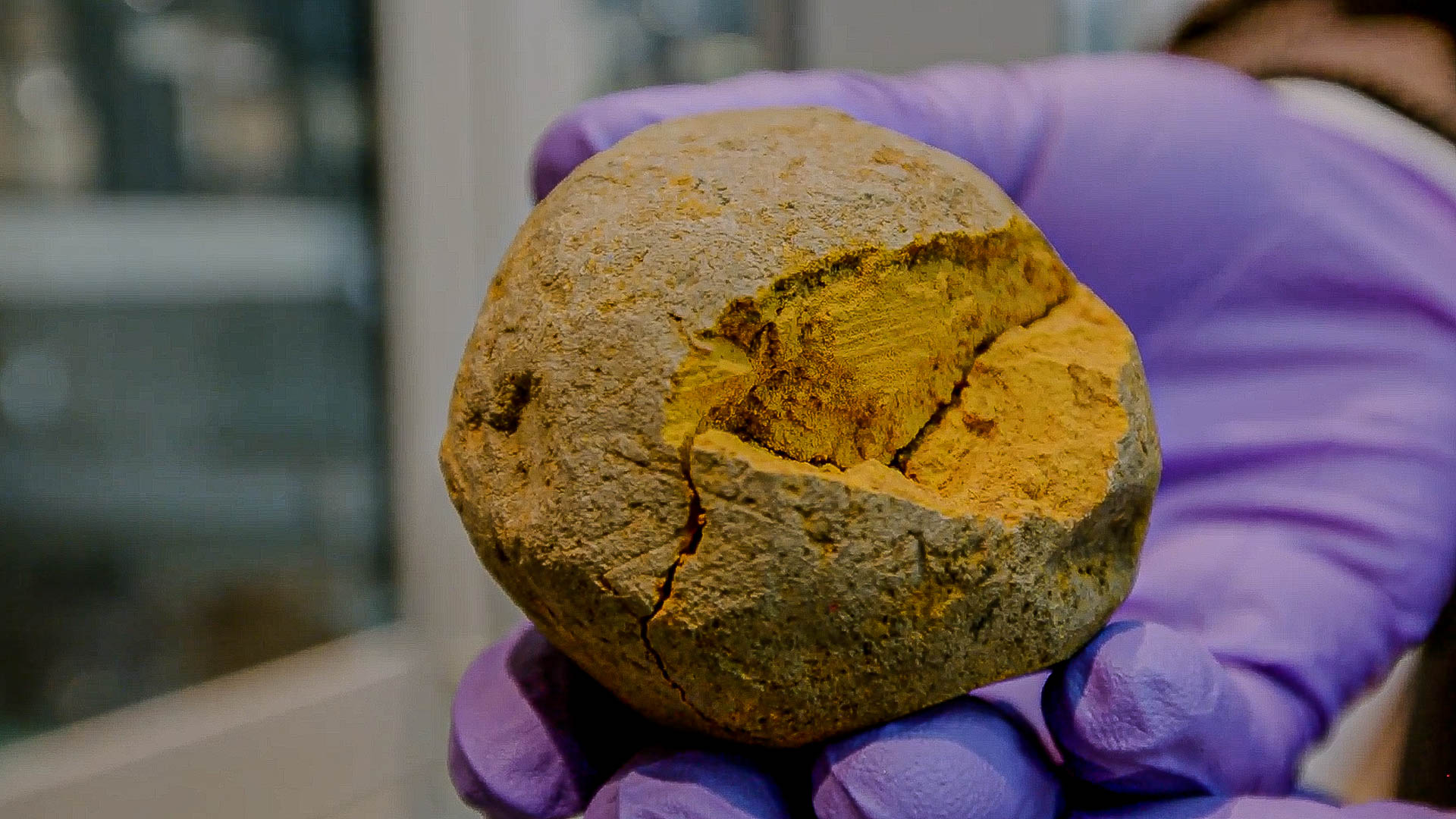
The rare Indian yellow pigment
One of the collection’s notable pieces is Indian yellow, a historic pigment made from a very specific natural process involving mango-fed cows.
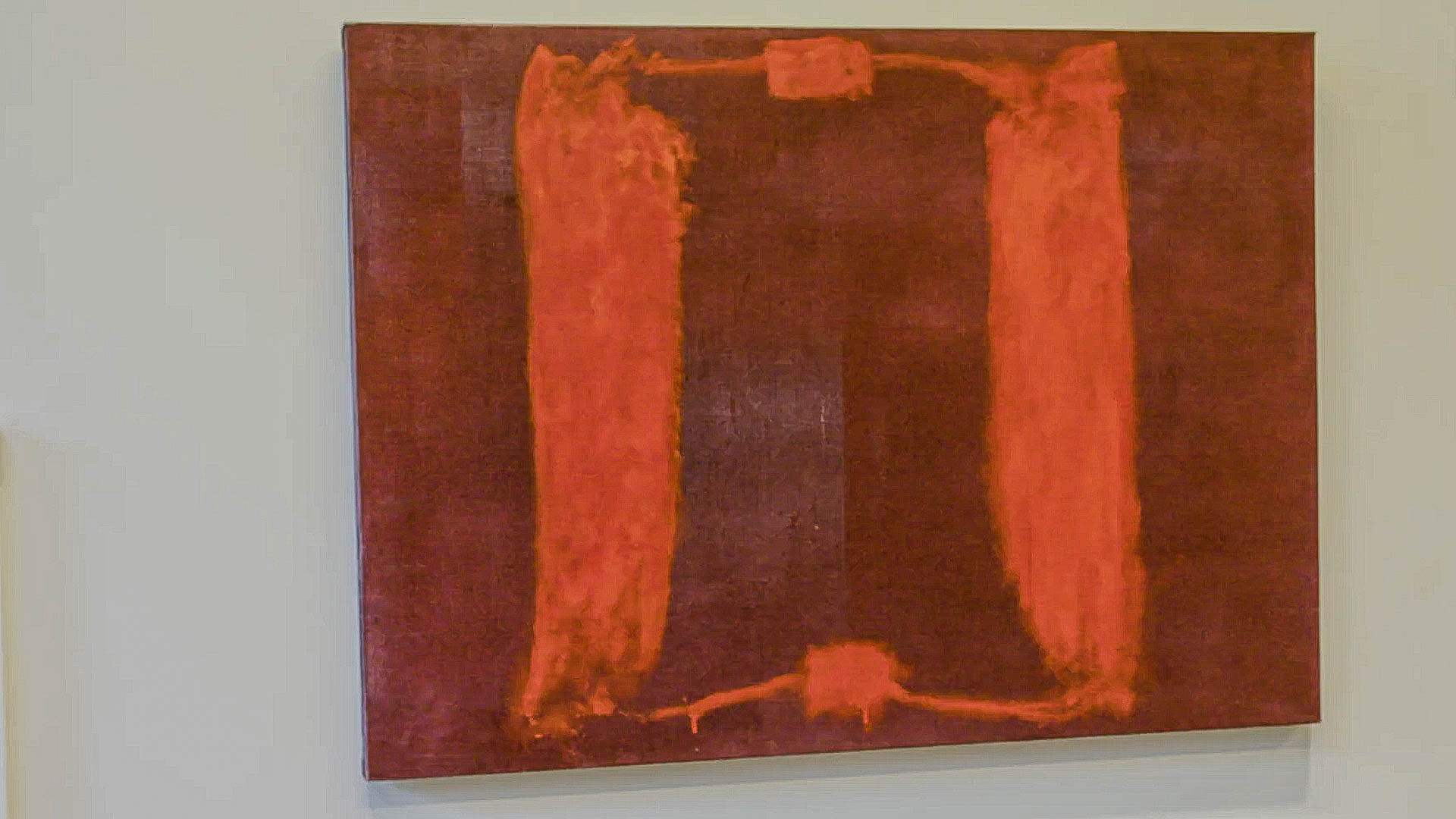
Using pigments to study art
Experts can analyse tiny pigment samples to understand paintings, identify original materials, and separate authentic work from later restoration.
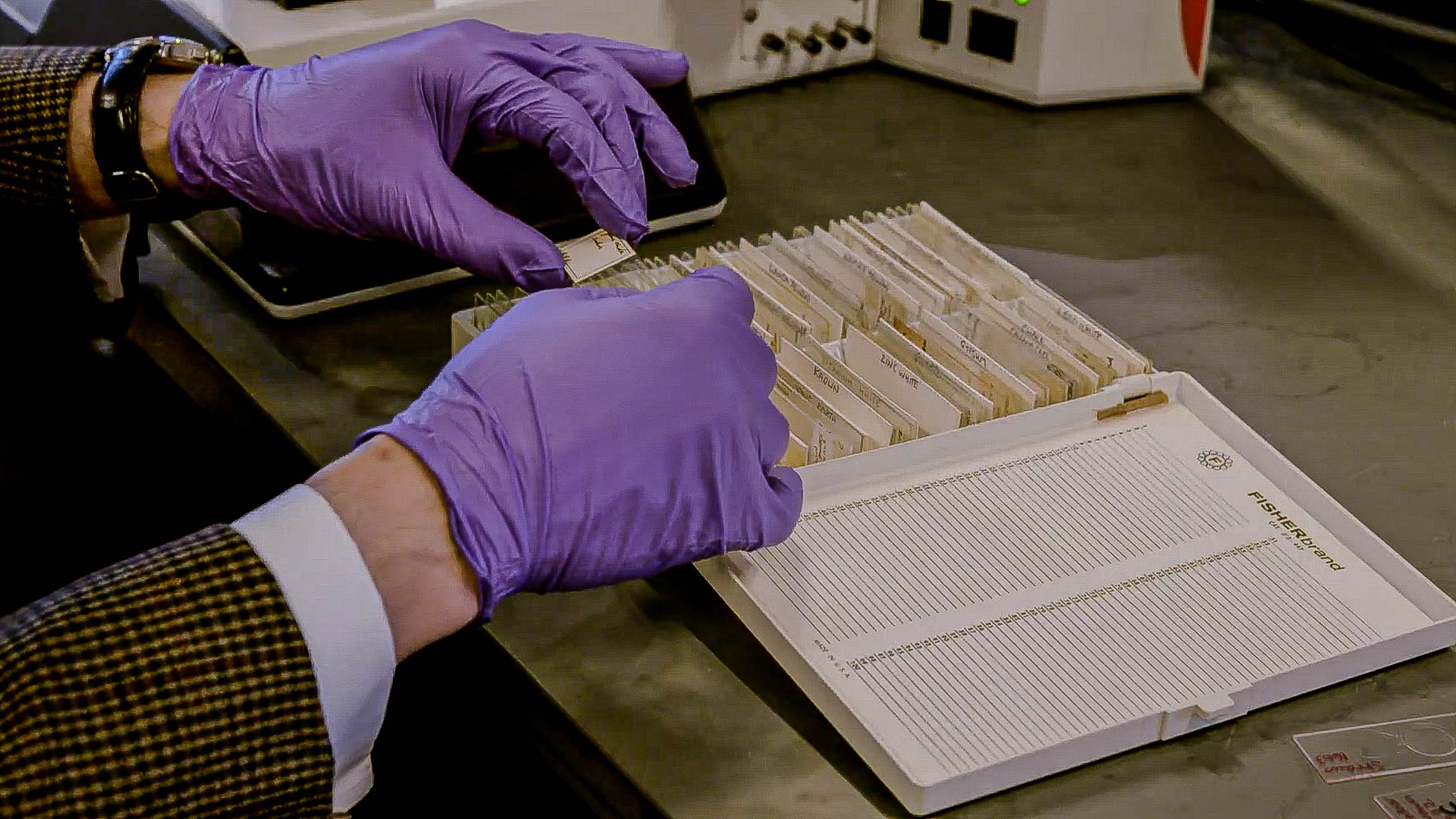
When colour reveals the truth
Some pigments contain clues about when and where a painting was created. Materials can help researchers investigate an artwork’s history.
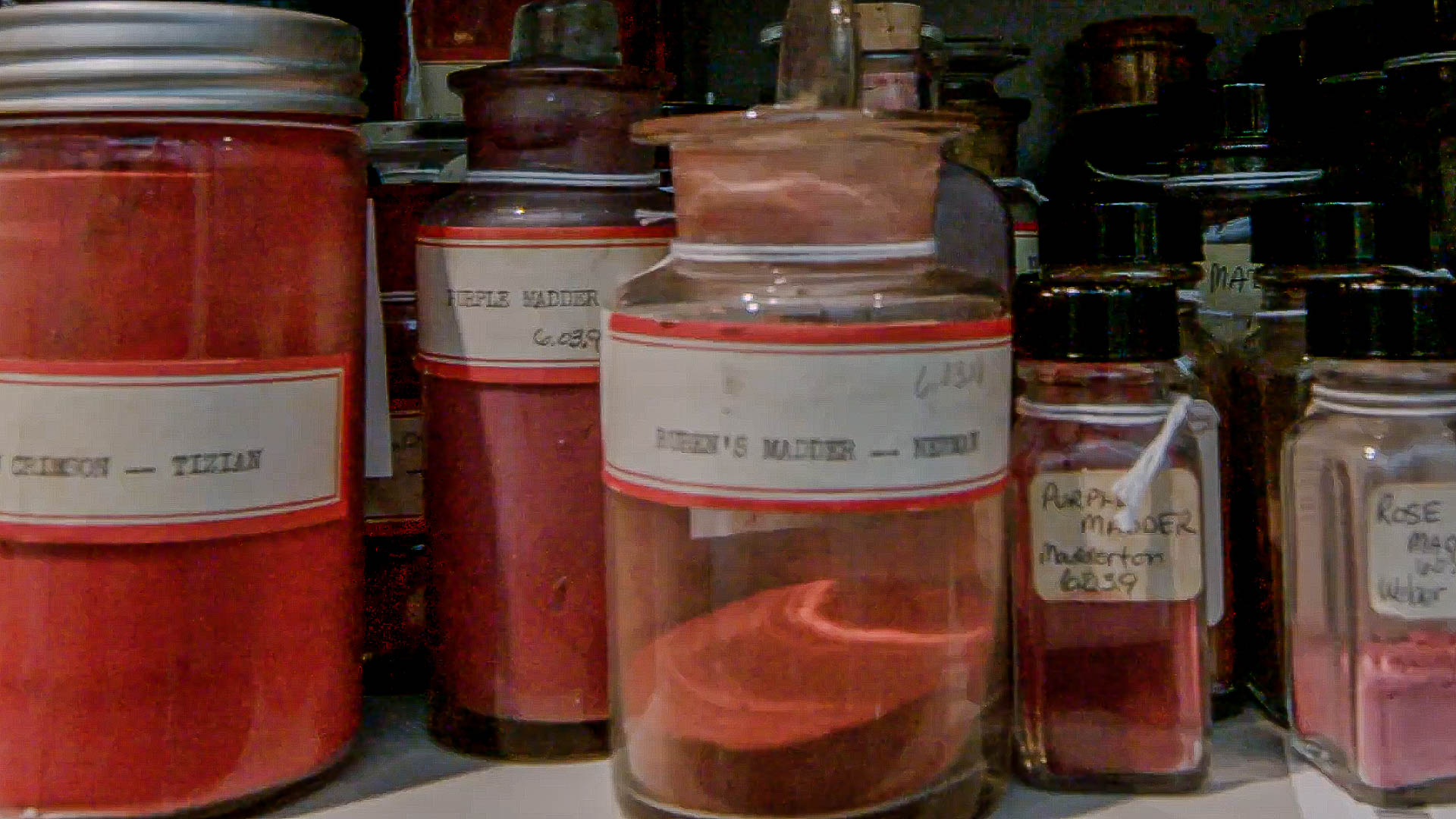
Preserving the history of colour
From rare natural materials to scientific analysis, pigment collections reveal how colour connects art, chemistry, and human creativity.